
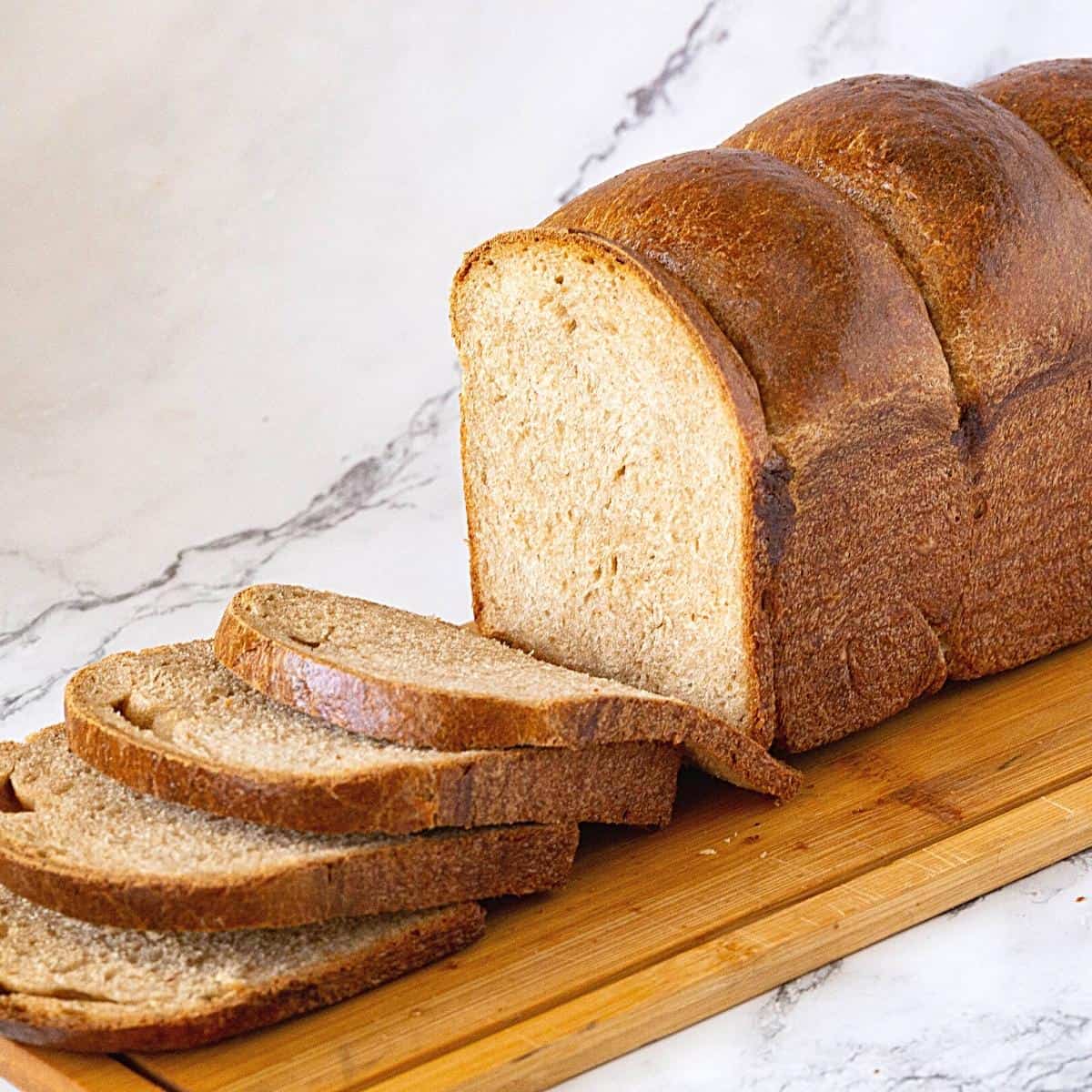


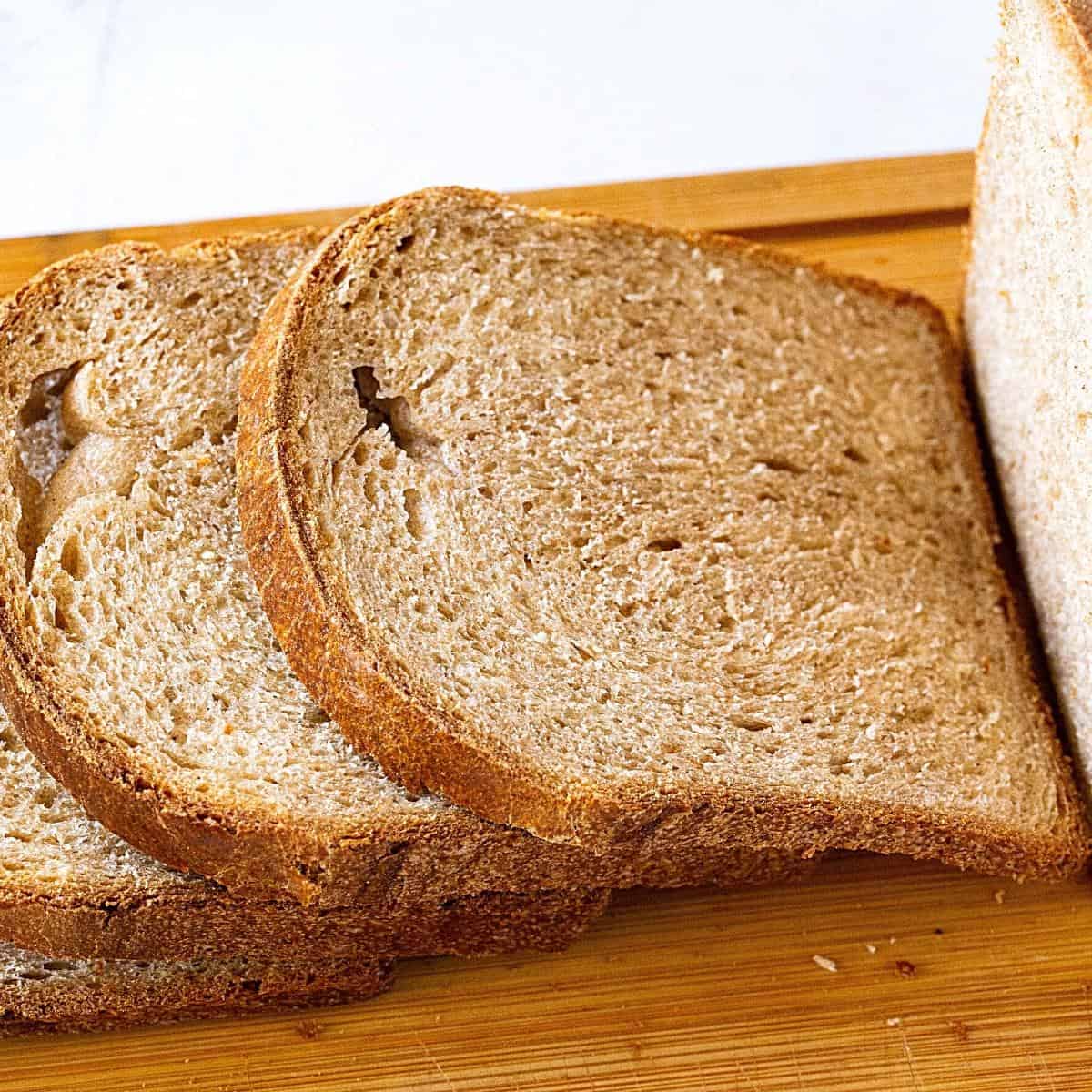
Whole wheat sandwich bread is a healthy alternative to white bread. Do you know how to make your bread light and fluffy with a soft, tender crumb? Here’s my little trick that helps soften the gluten in the whole wheat flour. This will soon become your new favorite sandwich bread. I promise.
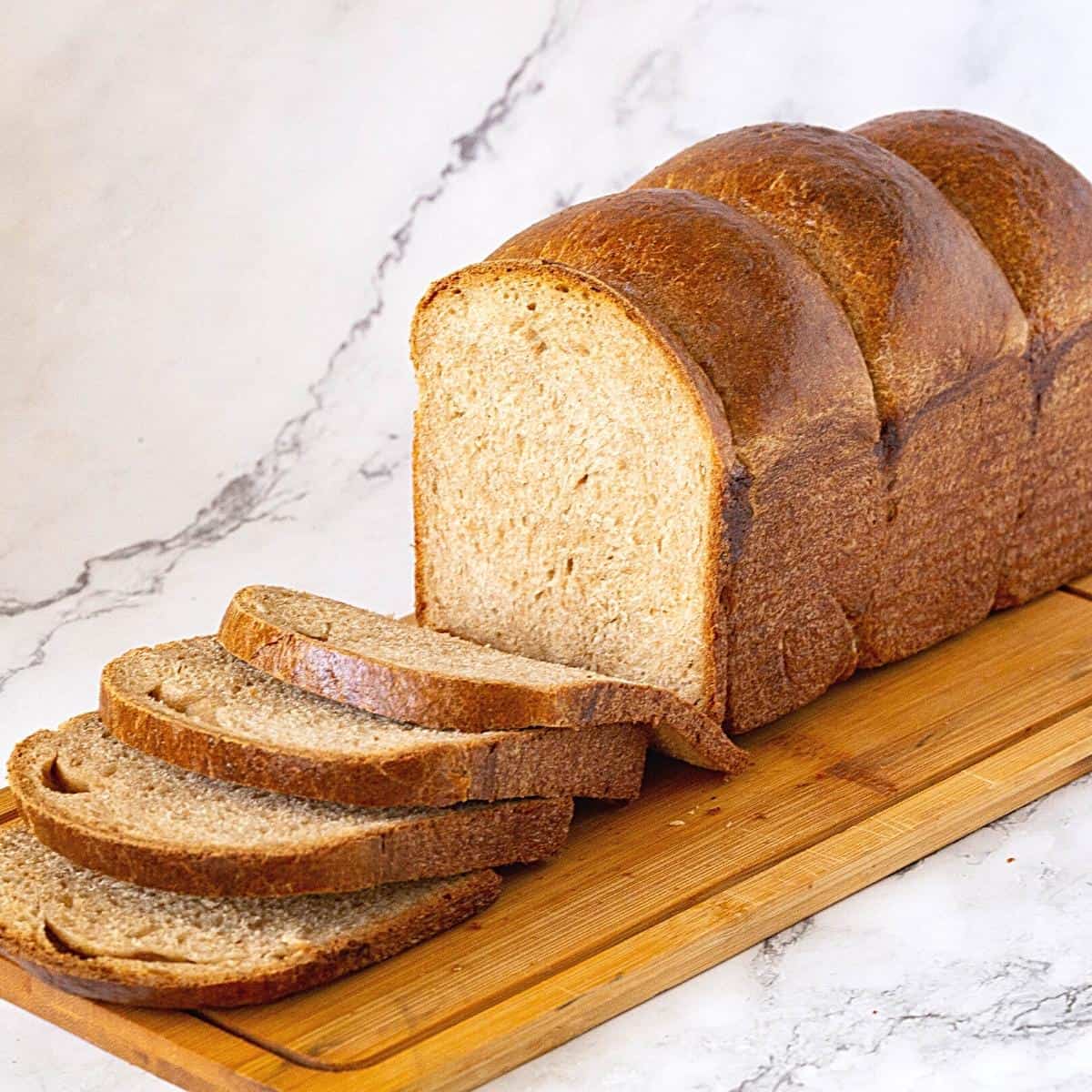
I love making bread at home. I can honestly say that if you make good homemade bread, you will not buy store-bought bread often. The process is so therapeutic. Watching that gluten develop into a light, airy, yet soft and chewy bread is fun.
I wish you could touch and see how soft and tender the crumb on this whole wheat sandwich bread is. I must admit that I love my white sandwich bread so much that I have had a hard time switching to whole wheat. And yet, over the years, I have perfected this recipe, and it’s now one of our favorite sandwich bread recipes.
The popularity of whole wheat bread is growing. Whole-grain bread is rich in vitamins and minerals. It contains more dietary fiber than white bread, and whole-wheat loaves are often higher in vitamin E. Whole-wheat bread can also provide a nutty taste and a hearty feel.
Why make this recipe?
- This is the most delicious whole wheat loaf you will make! Soft, light, and airy with a tender crumb.
- The recipe is very simple and easy to make. I recommend using a stand mixer if you have one. This dough needs a bit of kneading to activate the gluten.
- Whole wheat can be dense, so we do not use 100% whole wheat. We do take advantage of the gluten present in white flour.
- If you look at the method below, I soak my flour in hot milk for a few minutes. This is a great way to soften the gluten in whole-wheat flour and develop it. Often a process used in sourdough baking. I highly recommend that you don’t skip that step. The resulting bread is softer than regular whole-wheat bread.
- Leftover bread slices can be used to make French toast.
Ingredients and substitutes
- Flour – In this bread recipe, I use both whole wheat and bread flour, but all-purpose flour works too. You can use 100% whole wheat if you prefer, but I find that whole wheat sometimes tends to get a bit denser. This ratio of whole wheat and all-purpose flour gives a lovely, light, and fluffy bread.
- Instant dry yeast – I like to use instant yeast because I’ve always had great success with it. You will need 2 1/4 tsp or one packet if you have to use active dry yeast. And if you use fresh yeast, you will need about 21 grams.
- Liquid – I love adding a bit of richness to the dough, and milk works great. Water will work just as well. I use hot milk because it softens the gluten and gives a delicate, soft crumb when baked. It does take a few extra minutes to cool the dough, but it’s worth the effort.
- Honey – I think the flavor of honey works best with whole wheat. But you can use 2 tbsp of sugar instead.
- Fat – I use olive oil as well as butter for flavor. You can also use vegetable oil. I’ve used almost-melted room-temperature butter, but soft butter works just fine.

Step-by-step Instructions: Whole wheat sandwich bread
- Autolyze – In the large bowl of a stand mixer, combine the whole wheat flour and bread flour. Pour the hot, almost boiling milk and stir to combine. Leave it alone for 30 minutes until it becomes warm or close to room temperature.
Pro tip – The hot milk will soften the gluten in the whole wheat flour, which gives us a nice soft bread. - Yeast mixture – In the meantime, in a mixing bowl or measuring cup, add warm water, yeast, eggs, honey, and oil. Combine well and set aside for a few minutes.
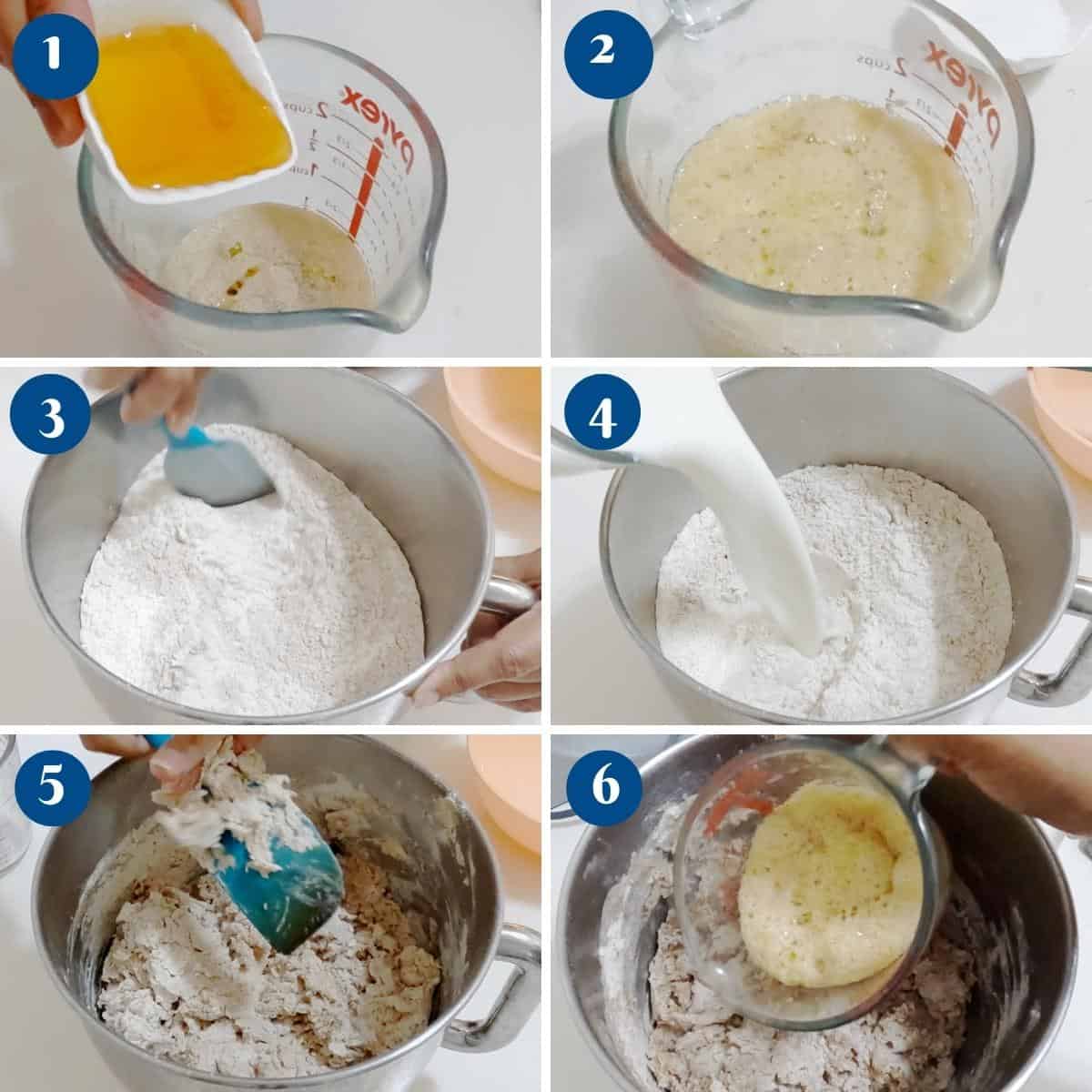
- Knead – When the flour mixture is barely warm, add the yeast mixture. Turn the mixer on with the dough hook attachment and knead on medium-high speed for about 7 minutes or by hand for 10 minutes. Scrape the bottom and sides of the bowl.
Pro tip – If you do not like kneading, I highly recommend using a stand mixer with the hook attachment. - Butter – Next, gradually add the salt and soft room temperature butter. Knead for another 4 minutes until you have a smooth, soft, elastic, but slightly sticky dough.
Pro tip – The dough will split and break apart when you add the butter, but it will come together as you continue to knead.
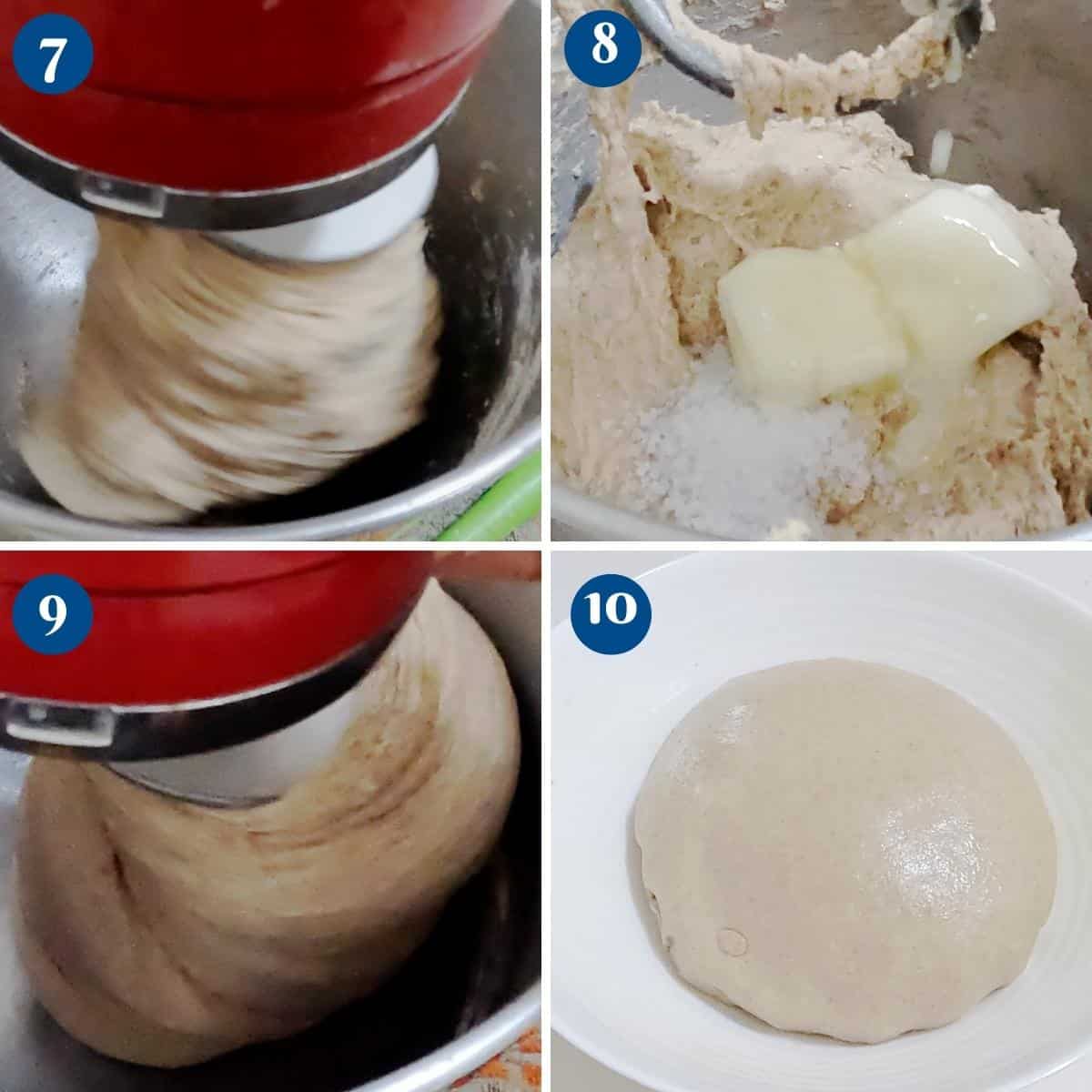
- Rise – Transfer the dough to an oiled bowl. Cover with plastic wrap or a clean kitchen towel and leave to rise in a warm place for about 90 to 120 minutes until doubled in volume.
Pro tip – In winter, you may need 90 minutes or more. But in summer, the dough may double in 45 minutes. If you can’t attend to it at that moment, de-gas, reshape, and let it double in volume again. - Divide – Once doubled in size, remove the dough onto a lightly floured surface. Degas or remove air, then divide the dough into 4 portions
Pro tip – At this point, there is no need for additional flour. So use a light dusting of flour. - Shape – Shape each portion into a ball, then shape each ball into a sausage.
- Flatten each ball into a dough disc
- Then the two sides meet in the middle.
- Roll from the top towards the bottom like a log to the same size as the width of the loaf pan.
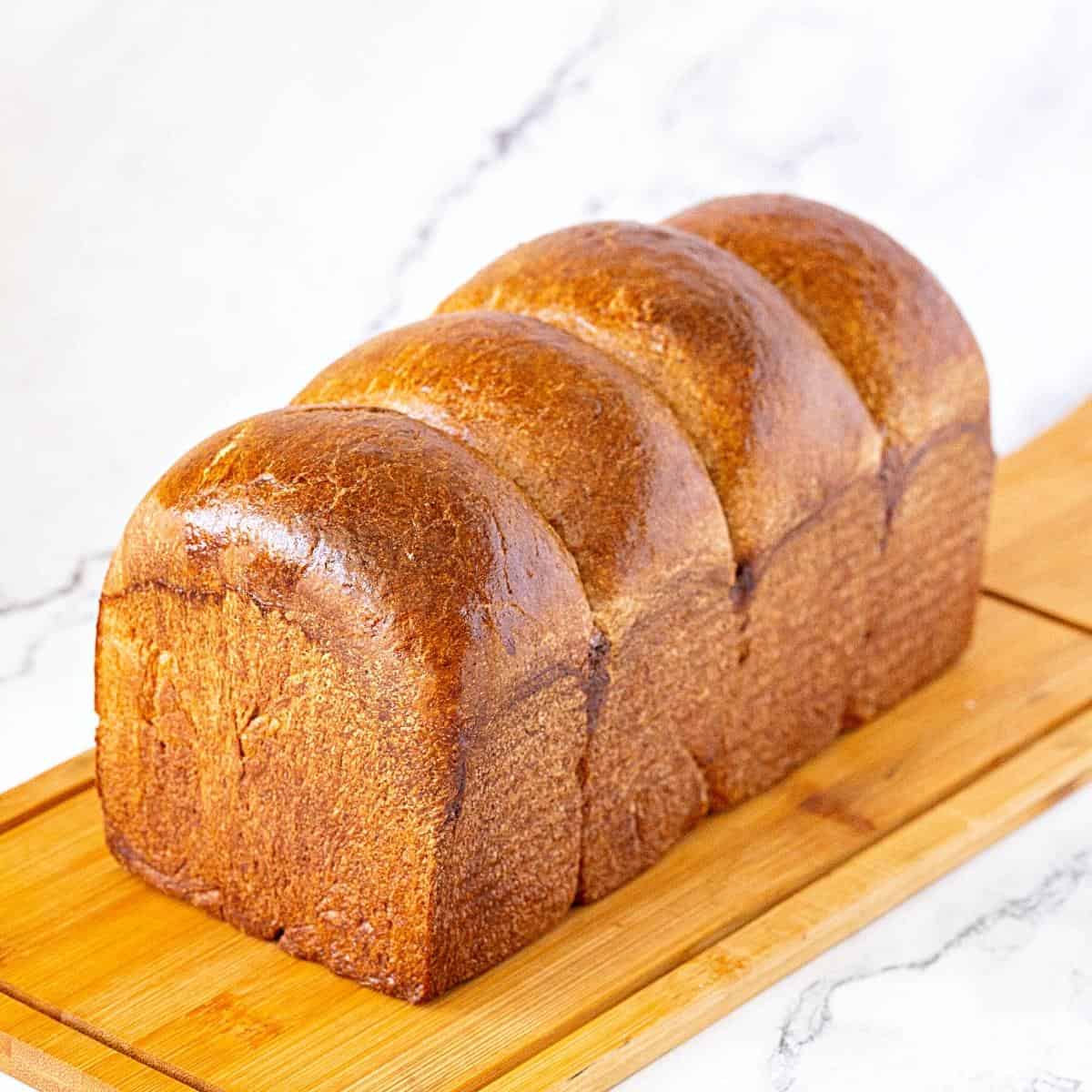
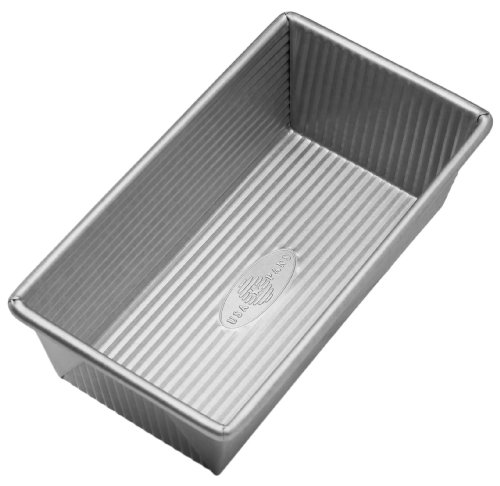
- Place the four sausages into a greased or sprayed loaf pan.

- Proof – Place the four sausages into a greased or sprayed loaf pan seam-side down. Cover the loaf pan with plastic wrap or a clean kitchen cloth and leave it in a warm place for about 45 to 90 minutes or until it almost doubles in volume.
Pro tip – You can also place the loaf pan in the fridge to slow proof for about 14 to 16 hours.
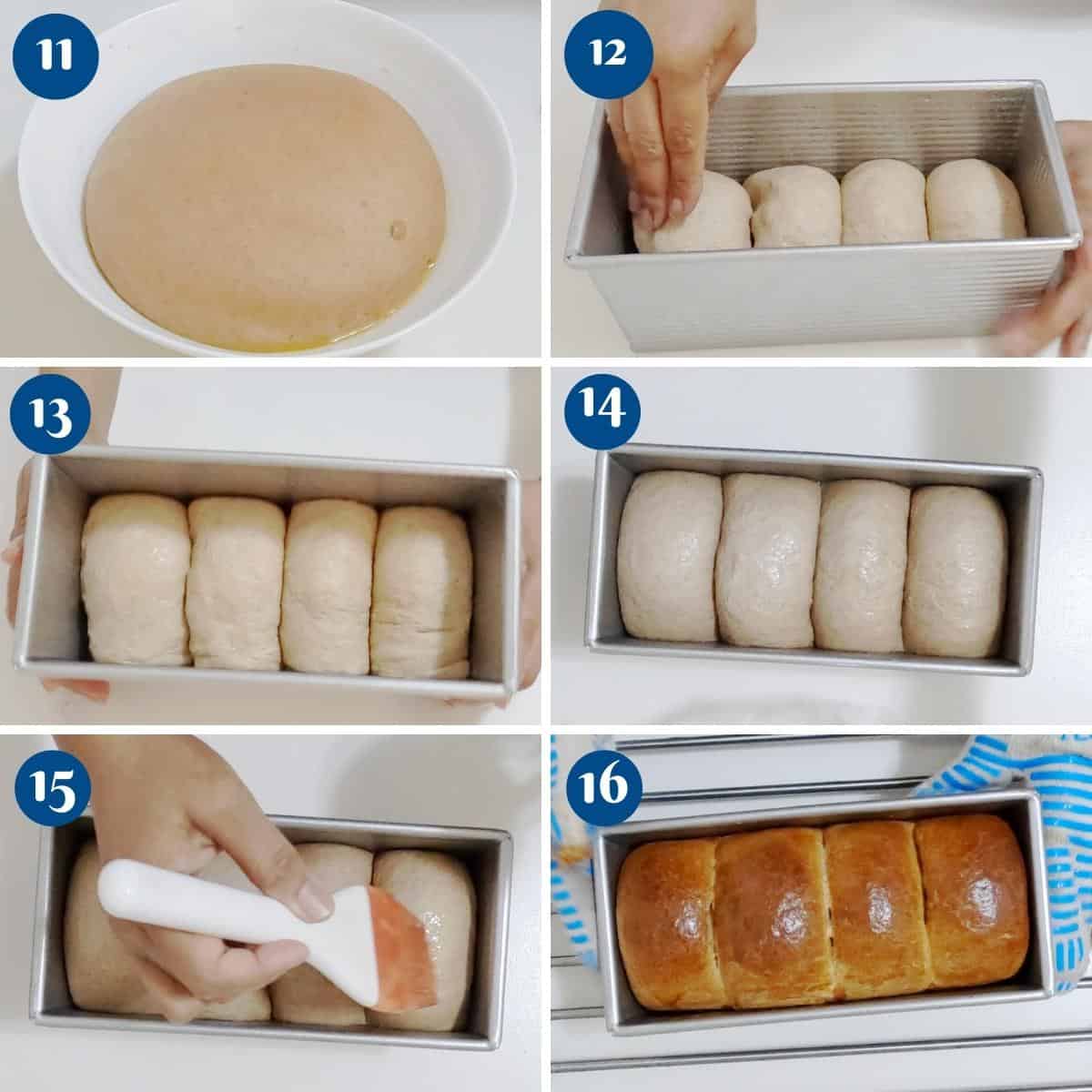
- Oven – About 20 minutes before baking, preheat the oven to 350°F / 177°C / Gas Mark 4.
- Egg wash – Brush the bread with a beaten egg. You can even sprinkle with some sesame or poppy seeds.
Pro tip – Egg wash is 1 whole egg with 2 tbsp of water. An egg wash will give a nice golden color. If you can’t use egg, milk or cream will work just as well. Do not use oil or butter, as it will create a crust. - Bake – Place the loaf in the oven and bake until you have a nice golden brown color. The 13-inch loaf pan will take about 70 to 90 minutes, and the 9-inch loaf will take about 40 to 55 minutes. If the top starts to get too dark, tent with an aluminum foil sheet.
Pro tip – When baked, the internal temperature of the bread should be about 195°F. The bread will have a hollow sound on the bottom when tapped.
- Cool – Remove from the oven and cool in the pan for no more than 10 minutes. Then, cool completely on the wire rack.
Pro tip – Do not leave the loaf in the loaf pan for too long, as the steam will make the bread soggy on the bottom. - Keep warm – Cover the loaf with a clean kitchen cloth to keep it soft. Let the bread cool completely for at least 15 minutes before you slice.
Pro tip – Covering the bread with a cloth will help it retain moisture and prevent it from drying out. - Enjoy!
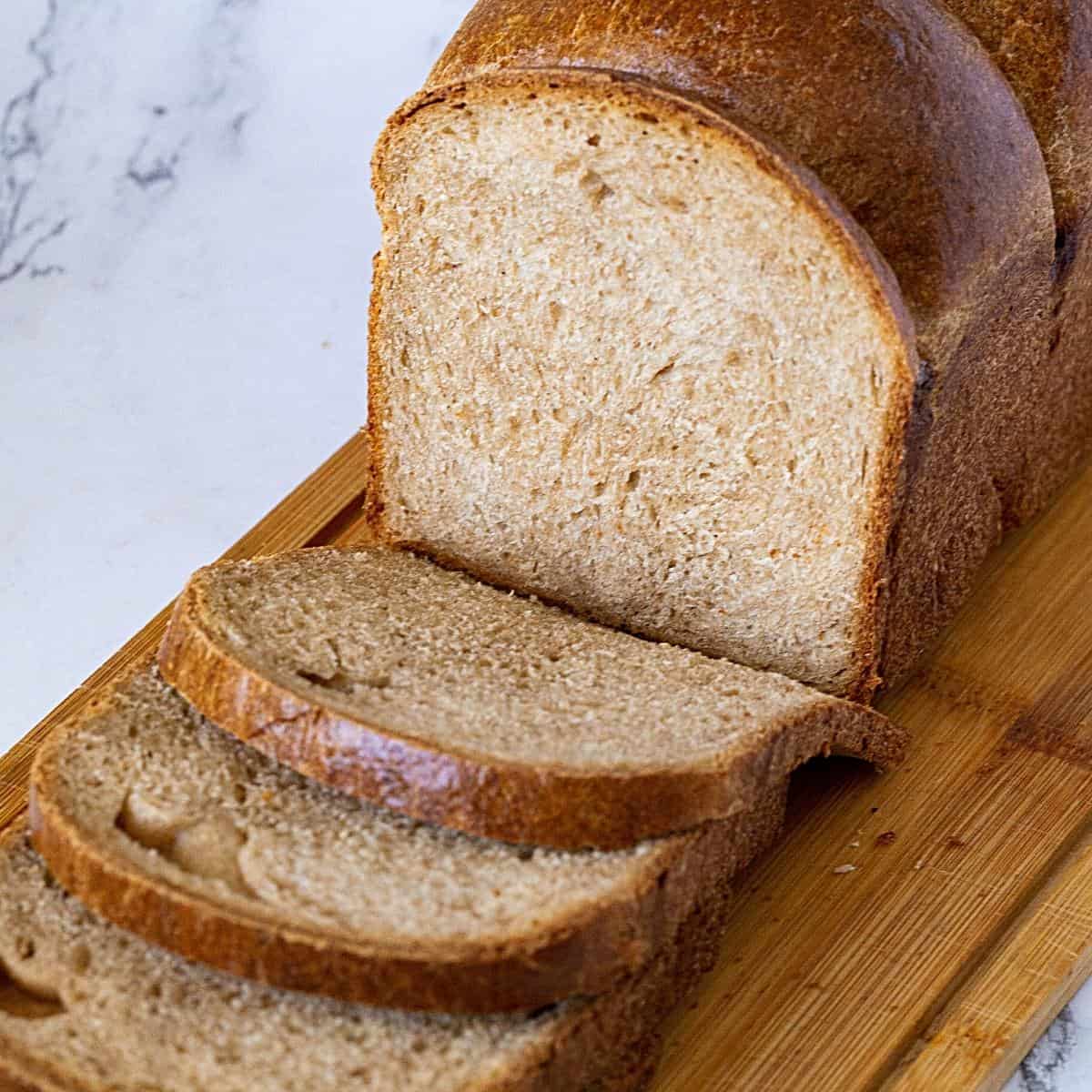
Whole Wheat Sandwich Bread
Ingredients
13 x 4 x 4 Loaf pan total dough
- 470 g (4 cups) Whole wheat flour
- 225 g (1¾ cups) Bread flour
- 320 g (1 ⅓ cups) Hot milk (almost boiling)
- 120 g (½ cup) Warm water (110 °F )
- 14 g (1½ tbsp) Instant dry yeast
- 45 g (3 tbsp) Honey
- 30 g (2 tbsp) Olive oil Olive or cooking
- 100 g (2 large) Large Eggs
- 12 g (2 tsp) Kosher salt
- 45 g (3 tbsp) Butter unsalted, room temperature
9 x 4 x 4 Loaf pan
- 370 g (3 cups) Whole wheat flour
- 125 g (1 cup) Bread flour
- 320 g (1 ¼ cups) Whole milk (almost boiling)
- 60 g (¼ cup) Warm water (110F)
- 50 g (1 large) Large Egg
- 9 g (1 tbsp) Instant dry yeast
- 30 g (2 tbsp) Honey
- 15 g (2 tbsp) Olive oil
- 7 g (1 tsp) Kosher salt
- 30 g (2 tbsp) Butter unsalted, room temperature
Instructions
- Autolyze – In the bowl of a stand mixer combine the whole wheat flour and bread flour. Pour the hot, almost boiling milk and stir to combine. Leave it alone for 30 minutes until it becomes warm or close to room temperature.470 g Whole wheat flour, 225 g Bread flour , 320 g Hot milk
- Yeast mixture – In the meantime, in a mixing bowl or measuring cup, add warm water, yeast, eggs, honey, and oil. Combine well and set aside for a few minutes.120 g Warm water, 14 g Instant dry yeast, 45 g Honey , 30 g Olive oil, 100 g Large Eggs
- Knead – Add the yeast mixture when the flour mixture is barely warm. Turn the mixer on with the hook attachment and knead on medium-high speed for about 7 minutes or by hand for 10 minutes.
- Butter – Next, gradually add the salt and soft room temperature butter. Knead for another 4 minutes until you have a smooth, soft, elastic, but slightly sticky dough.45 g Butter , 12 g Kosher salt
- Rise – Transfer the dough to an oiled bowl. Cover with plastic wrap or a clean kitchen cloth and leave to rise in a warm place for about 90 to 120 minutes until double in volume.
- Divide – Once double in size, remove the dough onto a lightly floured surface. Degas or remove air then divide the dough into 4 portions
- Shape – Shape each portion into a ball then shape each ball into a sausage. – Flatten each ball into a dough disc– Then the two sides into the middle. – Roll from the top towards the bottom like a log to the same size as the width of the loaf pan. – Place the four sausages into a greased or sprayed loaf life.
- Proof – Place the four sausages into a greased or sprayed loaf life. Cover the loaf pan with plastic wrap or clean kitchen cloth and leave it in a warm place for about 45 to 90 minutes or until it almost doubles in volume.
- Oven – About 20 minutes before baking preheat the oven at 350°F / 177°C / Gas Mark 4.
- Egg wash – Brush the bread with a beaten egg. You can even sprinkle with some sesame or poppy seeds.
- Bake – Place the loaf in the oven and bake until you have a nice golden brown color. The 13-inch loaf pan will take about 70 to 90 minutes and the 9-inch 40 to 55 minutes. If the top starts to get too dark, tent with an aluminum foil sheet.
- Keep warm – Cover the loaf with a clean kitchen cloth to keep it soft. Let the bread cool completely for at least 15 minutes before you slice.
Video
Notes
- Measure all ingredients ahead of time so you don’t forget anything at the last minute.
- For accuracy use a weight measure for the ingredients because every cup of flour can weigh differently depending on how you fill it.
- The milk must be hot when you add it to the flours. But, remember to let it cool down to room temperature before you add the instant yeast mixture.
- Though instant dry yeast has a long shelf life, it can get ruined. Always check the expiry of the yeast. If unsure, combine the yeast with liquid ingredients and let stand 5 minutes. If it gets foamy the yeast is good to go if not best to buy fresh yeast or check the temperature of the milk
- Keep salt away from yeast as it can kill the yeast. I like to combine it with the flour and then add it to the yeast mixture.
- A soft loose well-hydrated dough is not necessarily a bad thing, it often will give you soft fluffy bread so don’t be tempted to add more flour than mentioned in the recipe.
- Kneading is key to making good bread. While kneading by hand can be therapeutic using a stand mixer is easier and quicker
- Leave the dough at room temperature to rise until it doubles in volume. While not recommended when in haste you can place it in a warm (not hot) oven this will expedite the rise.
- Bread does not have to be time-consuming. You can leave the dough in the fridge to rise for a few hours (even overnight) while you go about your chores. A slow rise will develop flavor to the bread.
- Always preheat the oven for at least 30 minutes before you place bread in or the low temperature will spread the dough too much.

Made this recipe?
I’d love to see how yours turned out! Share a photo on Instagram and tag @veenaazmanov_kitchen or use #veenaazmanovkitchen. And don’t forget to leave a rating and review!
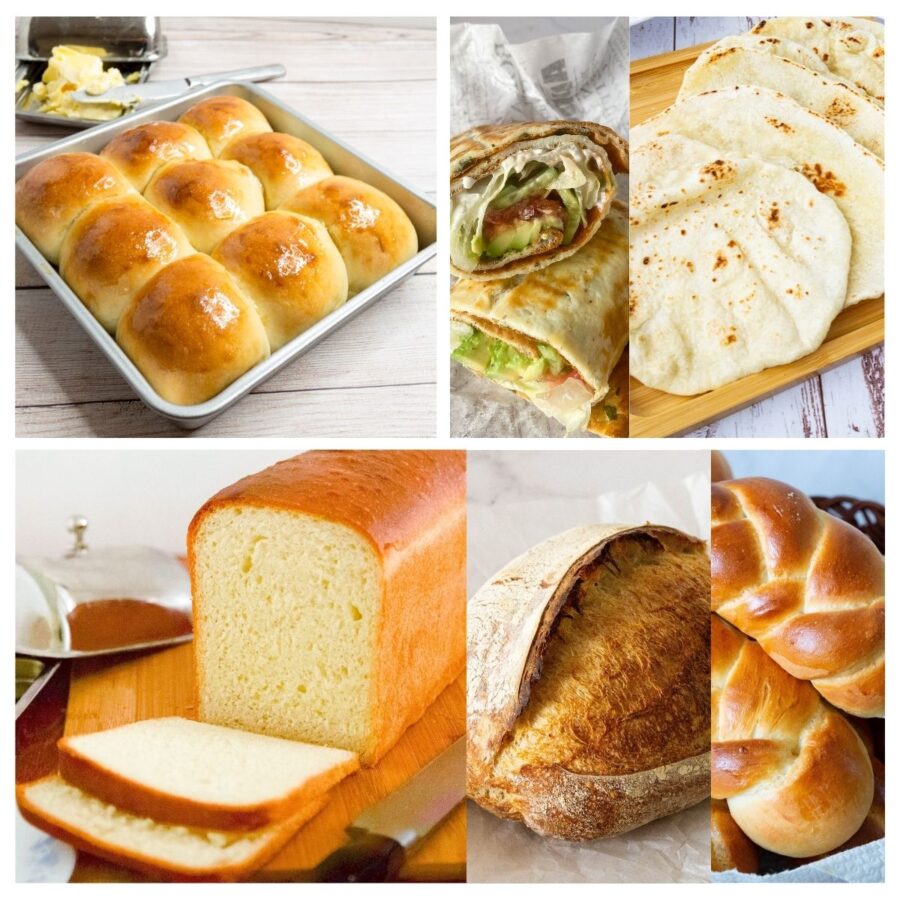
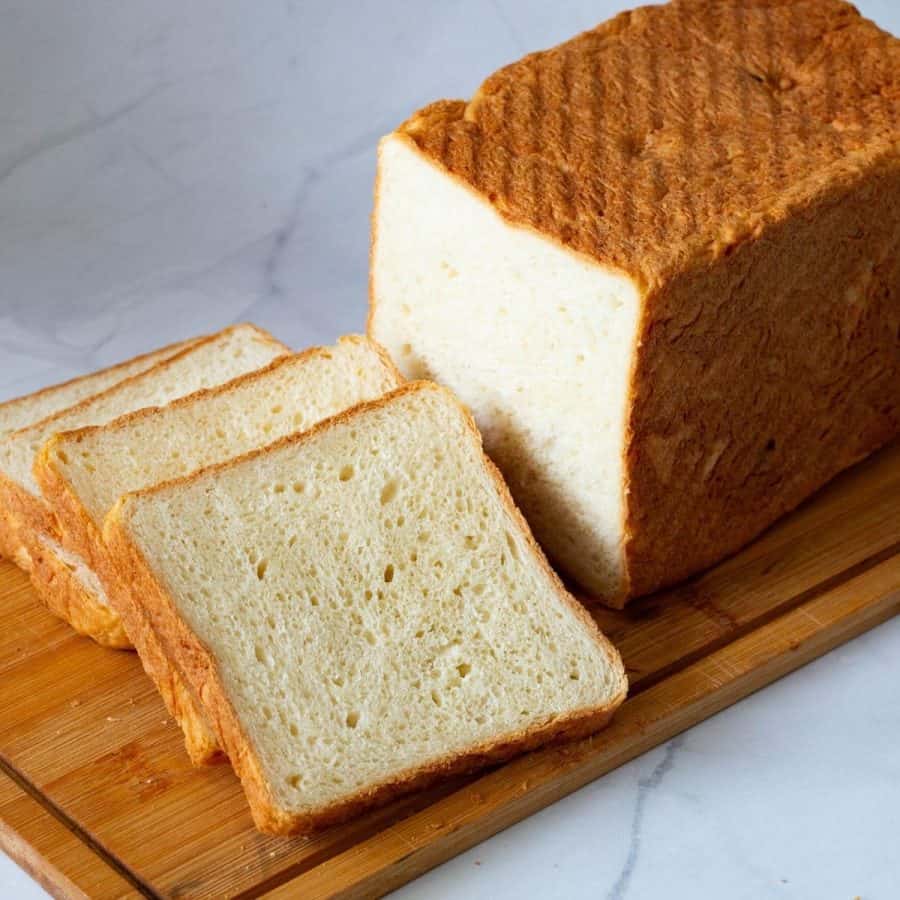
more sandwich bread recipes
Frequently asked questions
If stored properly, this whole wheat bread will stay for 4 to 5 days at room temperature. It can also be frozen for a month or more. However, never store bread in the fridge as it dries out.
Yes, you can, but whole-wheat flour has low gluten content, so the bread will be denser. Using some white flour in combination with whole wheat takes advantage of the gluten in white flour to make it light, airy, and chewier.
I find the best way to freeze whole-wheat sandwich bread is to cut the bread into slices and store them in freezer-safe bags. Remove just the number of slices you need to toast for your sandwiches.
you may also like
- 10 Best Gifts for Bread Bakers
- 15+ Beginner Bread Recipes for Everyday Baking
- Learn Bread Baking at Home • Step by Step 😄
- Homemade Ciabatta Recipe
- Mini Sausage Rolls



Don’t lose this recipe! Save it for Later!
📌 Save this Recipe for later on Pinterest so you can easily find it again.
⭐ Add Veena Azmanov Kitchen to your Google Preferred Sources.
It helps Google show you more of our recipes.
📧 Subscribe for new recipes delivered to your inbox.
🎥 Follow us for more recipes

- Pullman loaf pan, Brioche Pullman Loaf Recipe
- BEST Sandwich Bread Recipe
- Sourdough Sandwich Bread
- Challah Sandwich Bread
- Shokupan Sandwich Bread
- Brioche Sandwich Bread Recipe
- No-Knead Sandwich Bread

Hi, I’m Veena
I’m the recipe developer, baker, and food photographer behind Veena Azmanov Kitchen.
I’ve spent years developing and testing recipes, from everyday meals and homemade breads to cakes and desserts.
I share the practical tips and little details I’ve learned along the way so you can get great results in your own kitchen.











Nothing beats homemade bread! I will be making this soon.
Thanks Jacque – Let me know how it goes.
Looks gorgeous – there is nothing better than homemade bread! I have always been too intimidated to try making bread without the breadmaker, but your instructions and guidance make me keen to try! Thank you for sharing!
Its actually really simple and easy you must try Christine.
Yes I see those nice holes – makes this loaf look so light and delicious! Fantastic texture!
Those holds are air pockets and a sign that the bread is light not dense
Totally pinning this whole wheat bread recipe. I love making homemade wheat bread!
Me too Emily. Thanks – hope you try it
I was starting to bake a lot of our bread from scratch before we moved to Belgium, then put it on hold because the bread here is SO GOOD. Fortunately/unfortunately, we are moving back to the US this summer, so I’ll probably want to start making more bread again – pinning this to try then for sure! Looks so great, and I love using whole wheat whenever possible!
I agree bread in Europe is so good. We don’t get the same in US or Uk unless you go to an Aritsan bread shop and that too can be expensive. You will love making this one. It’s really easy
I keep saying that I need to start making homemade bread, but I never do. Nothing is better than the smell of bread baking! I love the size of this bread – nice hearty slices for sandwiches.
Thanks Jenn. Yes, this one is really simple and easy to make. You must try
Yum I love a good bread recipe and would totally replace the honey with agave but I’m wondering if I could use whole wheat and gluten-free all purpose flour for this? Any suggestions would be welcome?
Thanks Deborah. Agave will definitely work too. I have not made many gluten-free loaves of bread yet so can’t say much just yet. But it’s on my list next
This is such a comprehensive guide, I love all your ingredient tips. And you’re right, home made bread is so much better, I’ll have to try some!
Thank you Lizzie. I hope you enjoy making this bread
This loaf looks like it’s straight out of a bakery. Amazing!
Thank you Jem.
Is it possible to use only whole wheat flour for those bread instead of the all purpose flour ..
Thanks
Diana. You can use only whole wheat flour but the bread will be dense. If you do, you will need to use less flour or more water because whole wheat absorbs more water.
I’ve also heard that using all whole-wheat flour can make bread too dense. Whole wheat and rustic breads are my favorite, so I look forward to giving this recipe a try.
Thank you Leslie. I love whole wheat but more light rather than dense. If you prefer it more dense – you may choose to use 100% whole wheat and omit the all purpose.