
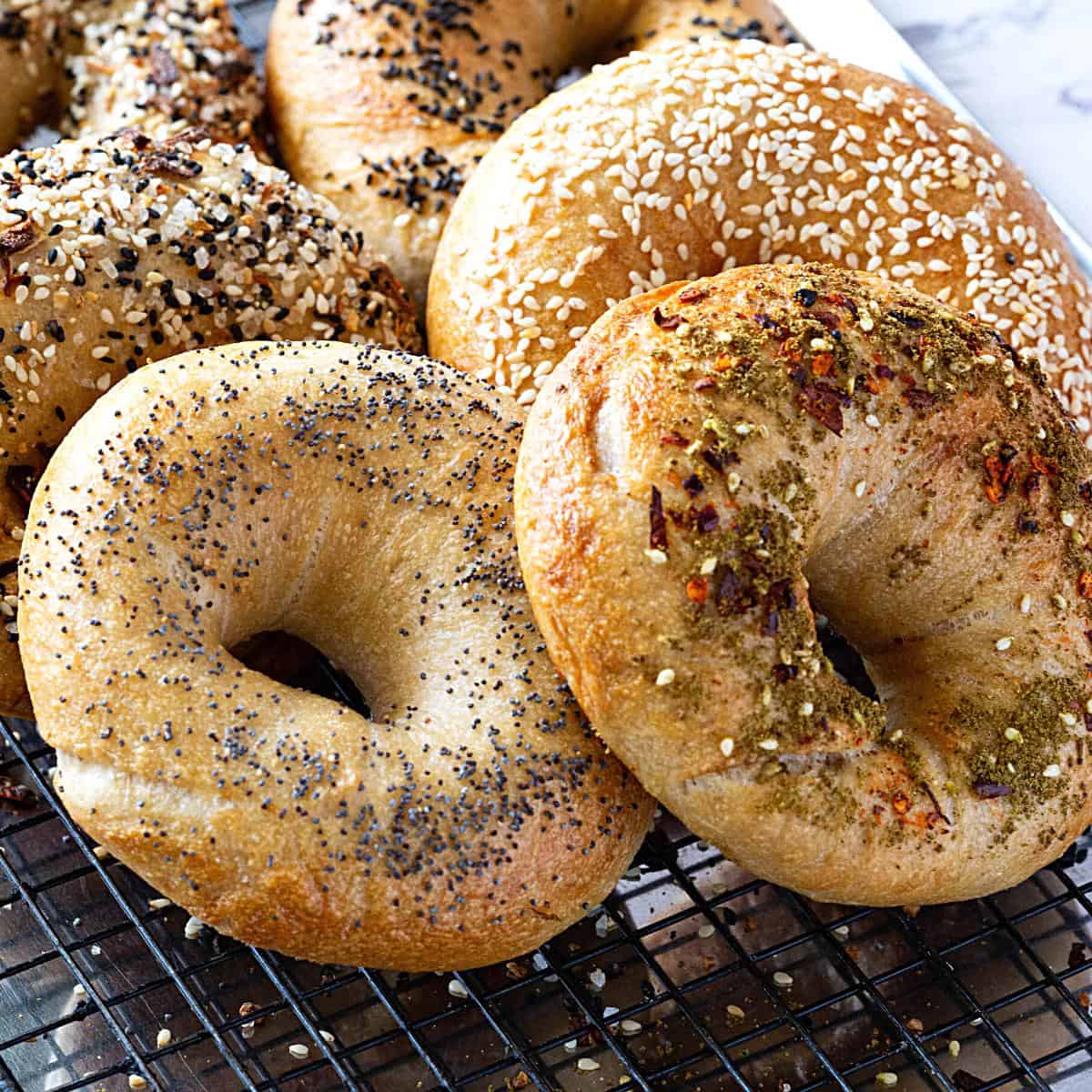

Do you know what separates a mediocre bagel from a great one? It’s all in the crust – that crispy exterior that gives way to a chewy and flavorful middle. And if you’re a fan of sourdough, you know that achieving the perfect crust on sourdough bagels is no easy feat.

In this step-by-step guide, we’ll take you through the process of making the perfect sourdough bagel crust, from choosing the right ingredients to shaping and baking. Whether you’re a seasoned home baker or a beginner, you’ll find all the tips and tricks you need to create a crusty and delicious bagel that will have you hooked. So let’s get started!
Why make this sourdough bagel recipe?
- Enhanced Flavor: The tangy depth of sourdough elevates the flavor of bagels, giving them a unique taste that’s more complex and satisfying than store-bought options.
- Chewy Texture: The long sourdough fermentation creates a dense, chewy interior with a perfectly crisp crust, ideal for authentic bagels.
- Healthier Option: Sourdough fermentation improves digestibility and reduces phytic acid, making these bagels a healthier choice with a natural leavening process.
- Customizable Toppings: You can get creative with toppings like sesame, poppy seeds, everything bagel seasoning, or even sweet options like cinnamon sugar.

Ingredients and substitutes
- Flour: Bread flour works better for a chewier texture, but all-purpose flour is also a good choice for this recipe.
- Water: Make sure the water is at room temperature.
- Sourdough starter: You’ll need an active sourdough starter to make these bagels. To substitute sourdough, you can use instant yeast using my classic homemade bagels or everything bagels recipes.
- Salt: This recipe calls for sea salt, but you can use other types of salt as well.
- Honey: Adds a touch of sweetness to the bagels.
- Toppings: You can use a variety of toppings, such as sesame seeds, poppy seeds, or everything bagel seasoning, to add flavor and texture to your bagels.

Step-by-step: Sourdough bagels
- Sourdough starter (levain) – If your sourdough starter is not active, you’ll need to feed it a few hours before making the bagels to ensure it’s active and bubbly.

- Autolyse – Combine the flour and water in the bowl of a stand mixer. Cover and leave to rest for 60 minutes. Then, add the sourdough starter, honey (or malt syrup), and salt.
- Knead – Using a dough hook attachment, knead the dough for 6 to 8 minutes until it is smooth and elastic. Alternatively, transfer the dough to a lightly floured surface and knead for 8 to 10 minutes until smooth and elastic.
- Rise: Place the kneaded dough in a clean bowl, cover it with a damp cloth or plastic wrap, and let it rise at room temperature for 2 – 4 hours. The dough should almost double in size.

- Shape the bagels – Once the dough has risen, punch it down gently to release any air bubbles. Divide the dough into 12 equal-sized portions. Roll each piece into a ball. Then, use your finger to poke a hole through the center. Stretch and shape the hole to form a bagel shape. Repeat for the remaining dough.
- Second rise: Place the shaped bagels on a baking sheet lined with parchment paper. Cover them with a damp cloth or plastic wrap and let them rise for another 2 hours at room temperature. They should become puffy.

- Preheat the oven: Preheat your oven to 425°F (220°C) and bring a large pot of water to a boil. If desired, add 1-2 tablespoons of baking soda to the boiling water to give the bagels a chewier texture.
- Poach the bagels: Carefully drop 2-3 bagels into the boiling water, making sure they have enough space to expand. Boil each side for 30 – 40 seconds, then remove them using a slotted spoon or skimmer and place them back on the baking sheet. Repeat this process until all the bagels have been poached.
- Add toppings: Sprinkle your desired toppings onto the poached bagels while they are still moist. You can use poppy seeds, sesame seeds, dried onion flakes, or any other toppings you prefer.

- Bake the bagels: Place the baking sheet with the topped bagels into the preheated oven and bake for 18-20 minutes, or until they turn golden brown.
- Cool and enjoy: Once the bagels are baked, remove them from the oven and allow them to cool on a wire rack. Once cooled, you can enjoy them plain or with your favorite spreads, such as cream cheese or butter.


- Everything Bagels
- Bagels Recipe
- Homemade Bagels Recipe
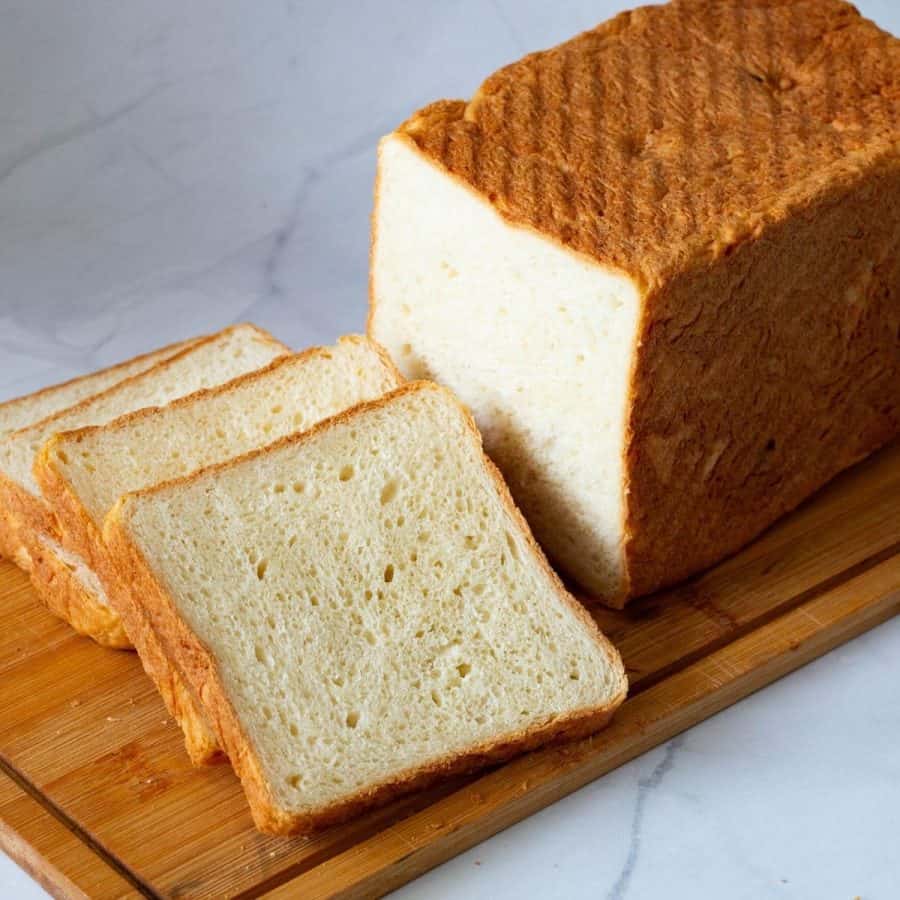
- Sourdough Sandwich Bread Recipe
- Recipe for sourdough loaf



Frequently asked questions
While you can use all-purpose flour, bread flour is preferred for a chewy texture and better rise.
Boiling is a crucial step in achieving the perfect crust for your sourdough bagels. When you boil your bagels, you create a gel-like layer on the surface of the dough, which helps trap the moisture and flavor. This layer also sets the crust and gives it that sought-after chewy texture.
It’s important to note that the boiling time is just as important as the temperature. Boiling for too long will result in a tougher crust and a denser bagel, while boiling for too short a time will result in a softer crust. The ideal boiling time is between 30 seconds to 45 seconds, depending on the size and thickness of your bagels.
Another tip for achieving a perfect crust is to add malt syrup or baking soda to the water before boiling. Malt syrup will give your bagels a slightly sweet flavor and a shiny crust, while baking soda will give your bagels a more traditional, darker crust.
First, make sure your oven is preheated to the temperature specified in your recipe. If you put your bagels in a cold oven, they won’t bake evenly, and you’ll end up with an undercooked, doughy crust.
Next, consider using steam. Steam helps to create a crust that’s crisp and shiny, rather than dry and dull. You can achieve this by putting a pan of water on the bottom rack of your oven while your bagels bake.
Alternatively, some bakers swear by spraying their bagels with water during the baking process.
As you’re baking your bagels, keep an eye on them to prevent burning. If they’re browning too quickly, cover them with foil to slow down the cooking process.
Sourdough Bagels Recipe
Ingredients
Dough (Makes 12 Bagels)
- 175 grams (¾ cups) Active sourdough starter or levain
- 720 grams (5¾ cups) Bread flour or all-purpose flour
- 14 grams (2 tsp) Kosher salt
- 40 grams (2 tbsp) Honey or malt syrup
- 360 ml (1½ cups) warm water
Boiling liquid
- 4 cups (1 liter) Boiling water
- 2 tbsp Baking soda
- 1 tbsp Malt syrup or honey optional
Toppings
- ¼ cup poppy seeds, sesame seeds, dried onion flakes, zataar, etc.
Instructions
- Sourdough starter (levain) – If your sourdough starter is inactive, you'll need to feed it a few hours before making the bagels to ensure it's active and bubbly.
- Autolyse – Combine the flour and water in the bowl of a stand mixer. Cover and leave to rest for 60 minutes. Then, add the sourdough starter, honey (or malt syrup), and salt.175 grams Active sourdough starter, 720 grams Bread flour, 14 grams Kosher salt, 40 grams Honey or malt syrup, 360 ml warm water
- Knead – Using a dough hook attachment, knead the dough for 6 to 8 minutes until it is smooth and elastic. Alternatively, transfer the dough to a lightly floured surface and knead for 8 to 10 minutes until smooth and elastic.
- Rise: Place the kneaded dough in a clean bowl, cover it with a damp cloth or plastic wrap, and let it rise at room temperature for 2 – 4 hours. The dough should almost double in size.
- Shape the bagels – Once the dough has risen, punch it down gently to release any air bubbles. Divide the dough into 12 equal-sized portions. Roll each piece into a ball, then use your finger to poke a hole through the center. Stretch and shape the hole to form a bagel shape. Repeat for the remaining dough.
- Second rise: Place the shaped bagels on a baking sheet lined with parchment paper. Cover them with a damp cloth or plastic wrap and let them rise for another 2 hours at room temperature. They should become puffy.
- Preheat the oven: Preheat your oven to 425°F (220°C) and boil a large pot of water. If desired, add 1-2 tablespoons of baking soda to the boiling water to give the bagels a chewier texture.4 cups Boiling water , 2 tbsp Baking soda , 1 tbsp Malt syrup or honey
- Poach the bagels: Carefully drop 2-3 bagels into the boiling water, making sure they have enough space to expand. Boil each side for 30 – 40 seconds, then remove them using a slotted spoon or skimmer and place them back on the baking sheet. Repeat this process until all the bagels have been poached.
- Add toppings: Sprinkle your desired toppings onto the poached bagels while they are still moist. You can use poppy seeds, sesame seeds, dried onion flakes, or any other toppings you prefer.¼ cup poppy seeds, sesame seeds, dried onion flakes, zataar, etc.
- Bake the bagels: Place the baking sheet with the topped bagels into the oven and bake for 18 -20 minutes or until they turn golden brown.
- Cool and enjoy: Once the bagels are baked, remove them from the oven and allow them to cool on a wire rack. Once cooled, you can enjoy them plain or with your favorite spreads, such as cream cheese or butter.
Video
Notes
- Don’t rush the fermentation process. The longer you let your dough ferment, the more flavorful your bagels will be. Aim for an overnight rise in the fridge, or even longer if possible.
- Use high-gluten flour. This will give your bagels the necessary structure and chewiness.
- Boil your bagels before baking. This step is essential for creating the classic crispy crust and chewy interior of an authentic bagel.
- Experiment with toppings. While classic toppings like poppy and sesame seeds are delicious, don’t hesitate to get creative. Everything bagel seasoning, garlic and herbs, zaatar, and even sweet toppings like cinnamon sugar can all be delicious on a sourdough bagel.
- Start by dividing your dough into equally sized pieces.
- Roll each piece into a ball and then use your thumb to create a hole in the center.
- Use your hands to gently shape and stretch the dough into a bagel shape.
- Make sure that the hole is large enough, as it will shrink slightly during the boiling and baking process.
- Once the bagels are shaped, let them rest for a few minutes before boiling.
- This resting period will allow them to develop their signature chewy texture.
- Boil the bagels for 30 seconds on each side before transferring them to the oven to bake.
Made this recipe?
I’d love to see how yours turned out! Share a photo on Instagram and tag @veenaazmanov_kitchen or use #veenaazmanovkitchen. And don’t forget to leave a rating and review!


Don’t lose this recipe! Save it for Later!
📌 Save this Recipe for later on Pinterest so you can easily find it again.
⭐ Add Veena Azmanov Kitchen to your Google Preferred Sources.
It helps Google show you more of our recipes.
📧 Subscribe for new recipes delivered to your inbox.
🎥 Follow us for more recipes

Hi, I’m Veena
I’m the recipe developer, baker, and food photographer behind Veena Azmanov Kitchen.
I’ve spent years developing and testing recipes, from everyday meals and homemade breads to cakes and desserts.
I share the practical tips and little details I’ve learned along the way so you can get great results in your own kitchen.







I confess I never knew bagels have to be boiled! So interesting. Can’t wait to try this recipe.
These homemade sourdough bagels are far superior to any store-bought ones I’ve ever had. They’re a hit with my family and friends, and I can’t wait to make them again and again. Thank you for sharing this fantastic recipe!
Thank you, Shadi
No more runs to the bagel shop for me! This was my first time making bagels so the detailed instructions and video were helpful in guiding me through the process. My bagels turned out perfect.
Thank you Stephanie
Your recipes are always amazing. I’ve never made bagels but this post makes me confident to make my own. Thanks!
Thank you, Amanda
Oh wow, just perfection! So airy and chewey!