
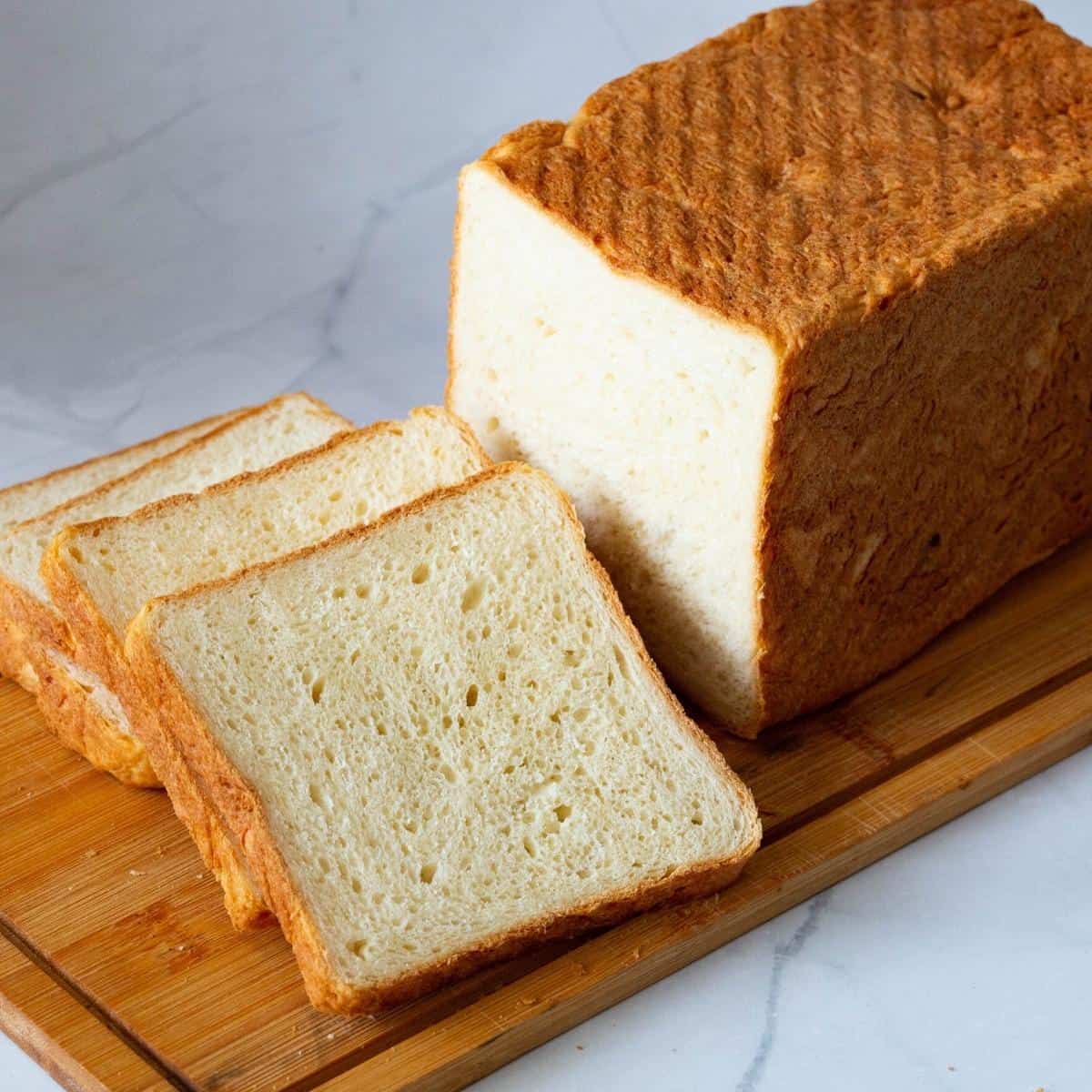

This sourdough Pullman loaf—also known as pain de mie—is a soft, square sandwich bread baked in a Pullman loaf pan. Made with milk, butter, and eggs, it’s cold-fermented overnight for flavor, easier digestion, and perfectly even slices. With the Pullman lid on, the bread bakes into its classic square shape every time.
Whether you’re using it for toast, sandwiches, or freezer meal prep, this enriched sourdough bread is a must-bake.
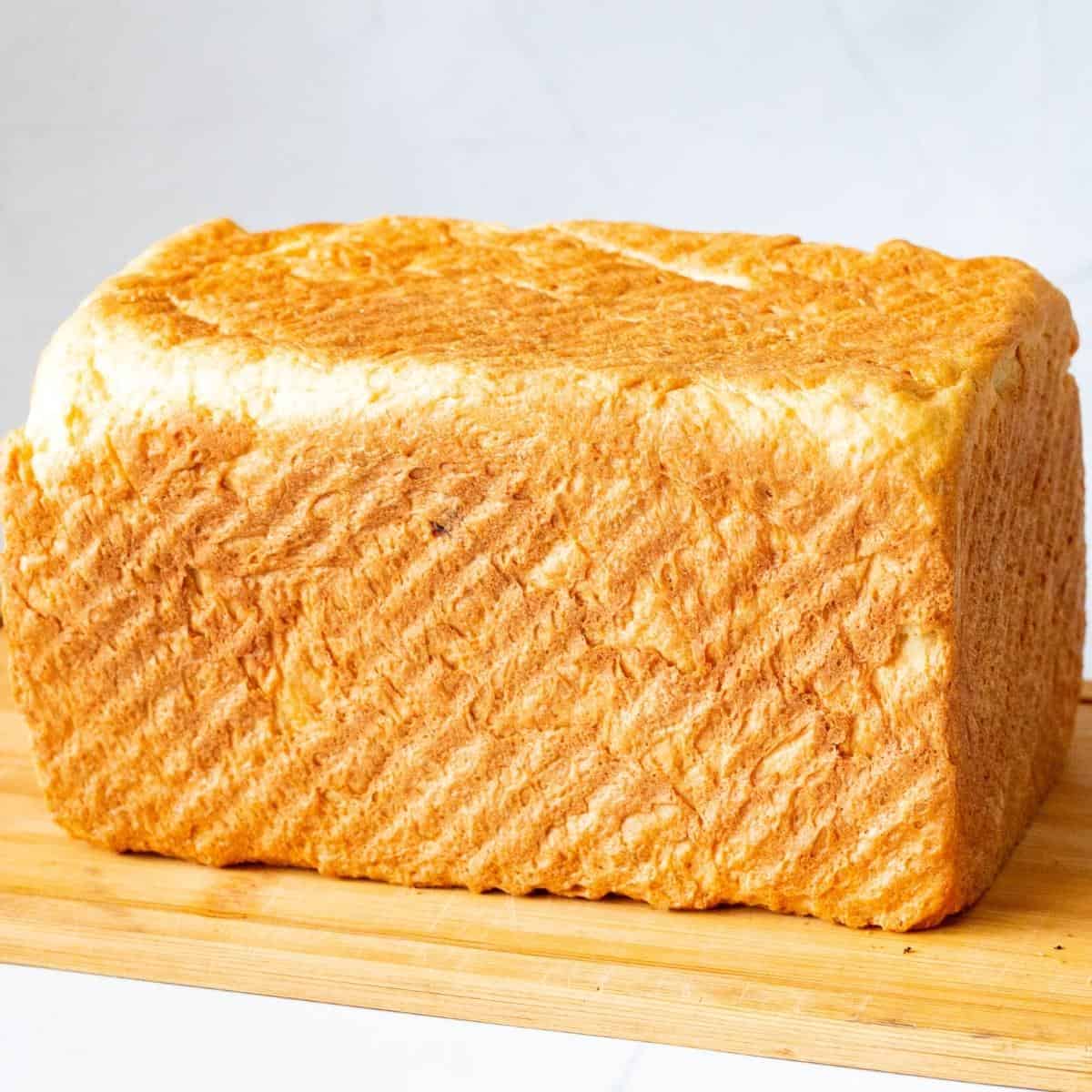
When I first started baking sourdough, I was obsessed with the rustic look—craggy crusts, open crumbs, all the drama. But once I started packing school sandwiches, toasting breakfast slices, and freezing loaves for the week, I realized: I needed structure.
That’s when I fell in love with Pullman bread.
This recipe is a marriage of two of my favorite things: the deep flavor of natural sourdough and the soft, fine crumb of a classic pain de mie. I use milk, butter, and eggs to enrich the dough, and I give it an overnight cold ferment for flavor and flexibility. You can shape it as one large loaf or divide it into four neat rolls for a more even rise.
Yes, it takes a little planning. But once you taste your own homemade, perfectly square sourdough sandwich loaf—soft, slightly tangy, and effortlessly sliceable—you’ll never want store-bought again.
If you’re new to sourdough, just make sure you’re working with an active starter. This recipe assumes you’ve already got that part going. If you do? You’re in for a treat.
🍞 What is Pullman Bread?
Pullman bread—also known as pain de mie—is a classic French-style sandwich loaf baked in a Pullman loaf pan with a sliding lid.
Why is this sourdough the best for Pullman bread?
- Flavorful, not flat – This recipe uses an active sourdough starter to build complex flavor, a mild tang, and a softer crumb without commercial yeast.
- Soft but sliceable – The mix of bread and all-purpose flour strikes the perfect balance: strong enough for clean slicing, tender enough for sandwiches.
- Enriched, not heavy – With milk, butter, and eggs, the dough is soft and rich without being dense. The cold ferment adds depth while keeping it light.
- Built for the Pullman pan – This dough is ideal for a lidded Pullman loaf pan. It bakes up square, even, and thin-crusted—like traditional pain de mie.
- Step-by-step tested – From starter to shaping, this method is designed for reliability. Every step helps you master texture, rise, and crumb.
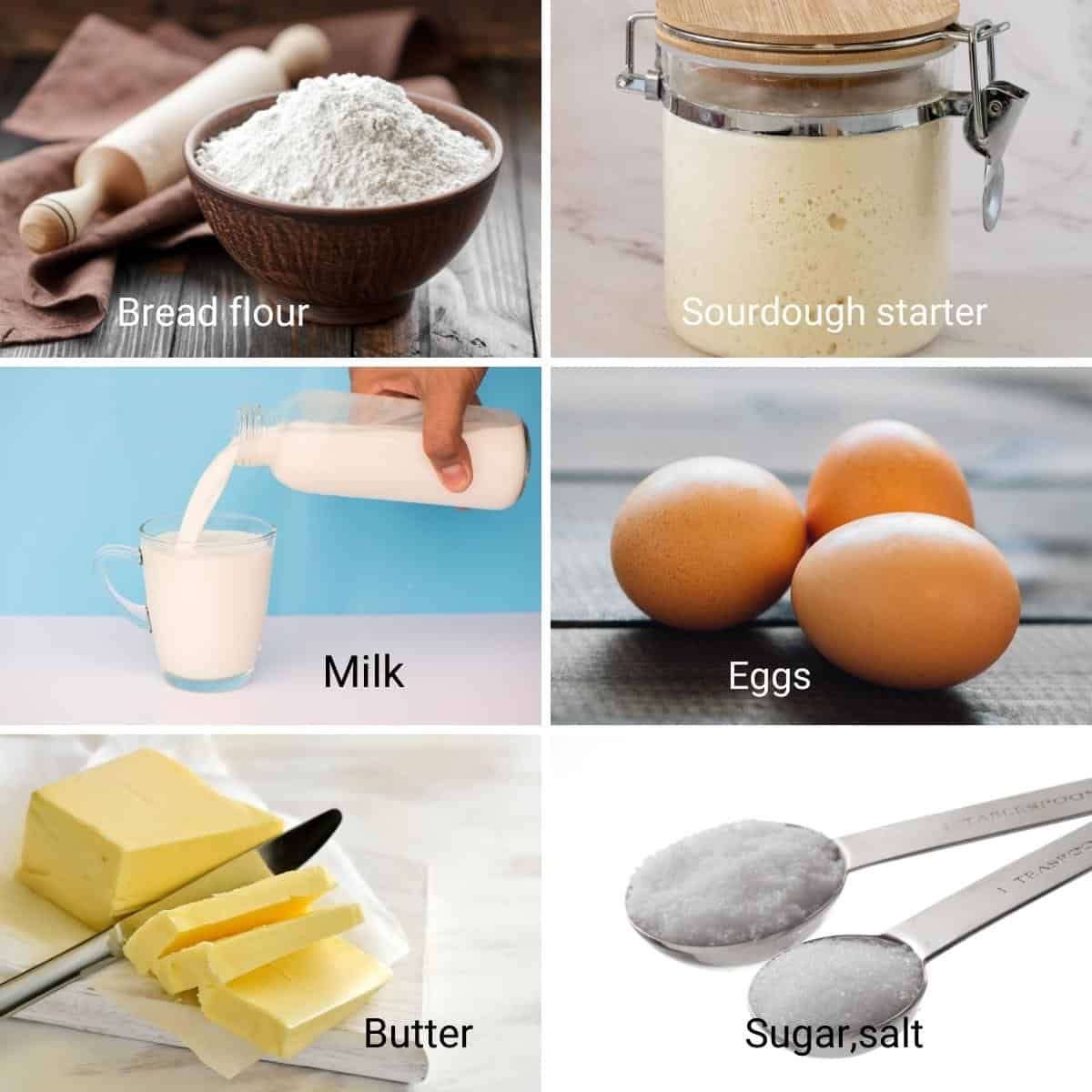
Ingredients and substitutes
- Bread Flour + All-Purpose Flour – This recipe uses a 50/50 mix for strength and tenderness. You can also swap up to 25% with whole wheat or spelt flour for added flavor. Too much whole grain can reduce rise, so balance accordingly.
- Sourdough Starter – A bubbly, active starter at 100% hydration gives the loaf lift and tang. You can also experiment with rye or buckwheat starter for a deeper, more complex flavor.
- Milk – Whole milk adds richness and helps create a soft, sliceable crumb. You can also use almond or oat milk for a dairy-free version, though the texture may be slightly lighter.
- Eggs – They help tenderize the crumb and improve structure. For an egg-free version, try using 2 tablespoons of yogurt or silken tofu per egg (by weight).
- Butter – Adds flavor and softness. Unsalted is best. Substitute with coconut oil or vegan butter for a dairy-free loaf.
- Sugar (optional) – Adds mild sweetness and feeds fermentation. You can also skip it, or use honey or maple syrup instead.
Step-by-step: Sourdough Pullman sandwich bread
1. Activate your starter
Make sure your starter is bubbly and doubled in volume after its last feeding. It should pass the float test.
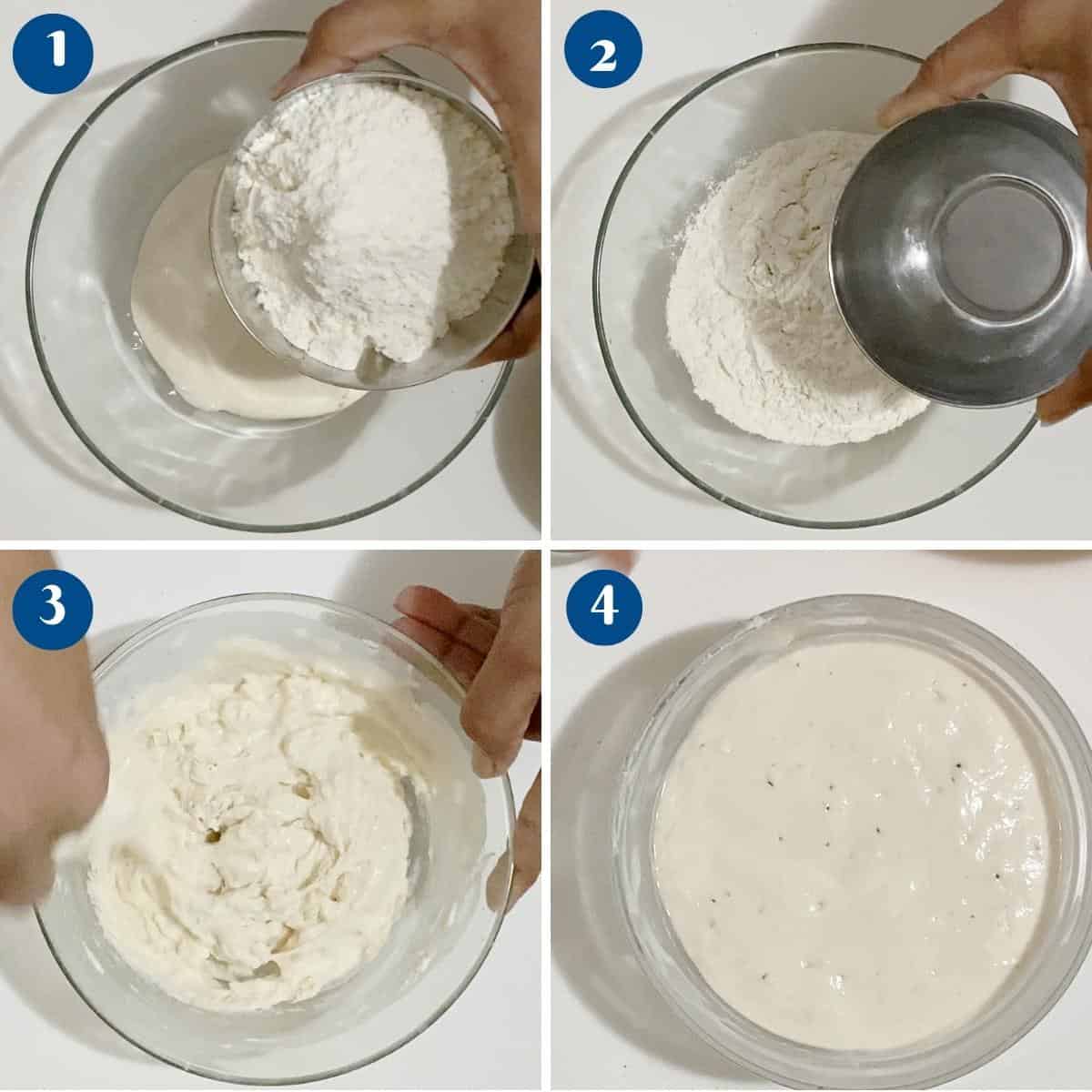
2. Mix the dough
In a stand mixer bowl, combine the milk, eggs, and sugar. Next, add both flours. Mix to form a shaggy dough. Cover and let rest for 45–60 minutes.
Note: This is a rest period to hydrate the flour—not a traditional autolyze since it contains enrichments.
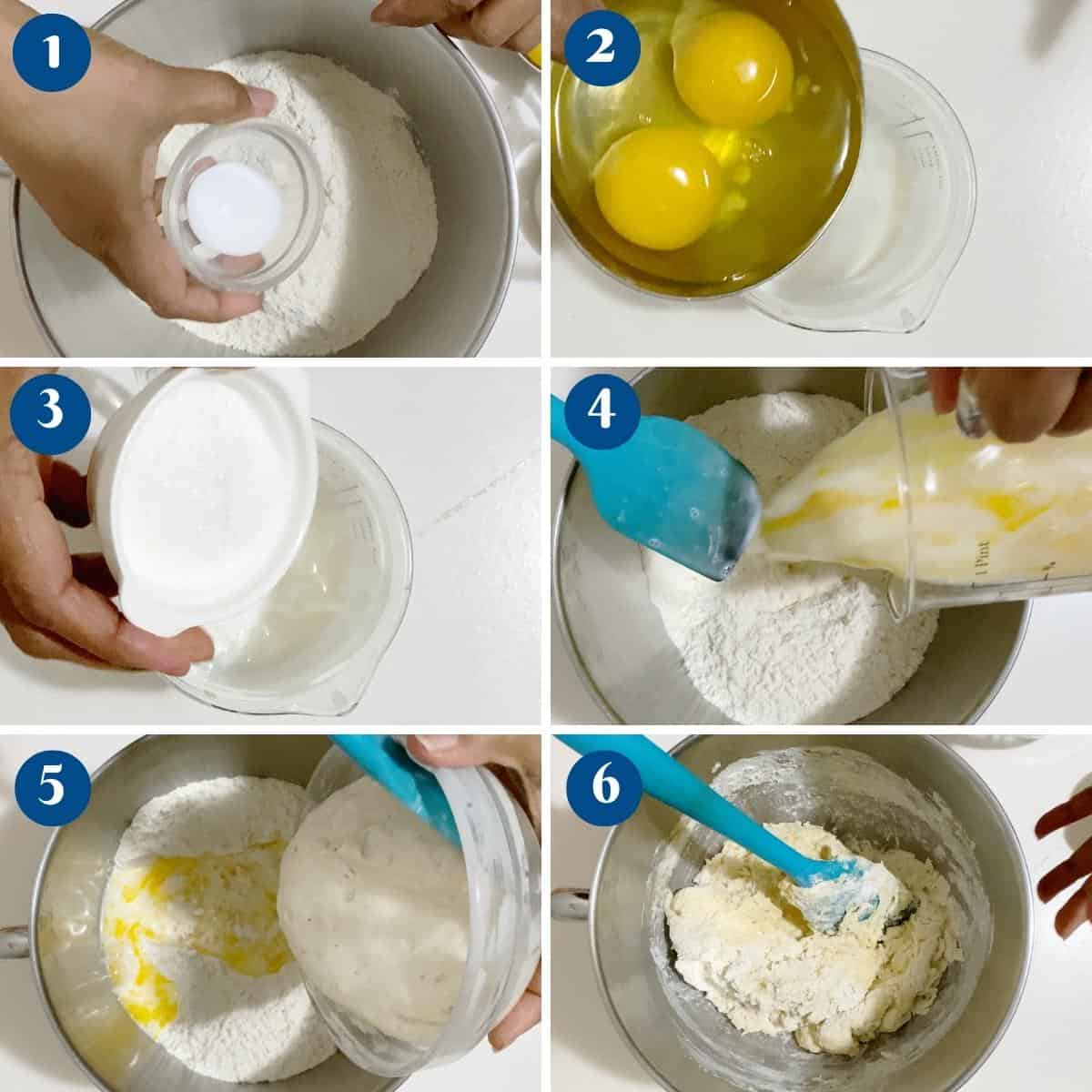
3. Add starter and salt
Add the active starter and salt to the rested dough. Then, knead with the dough hook on medium speed for 4–6 minutes.
4. Add butter
Add the softened butter, a tablespoon at a time. Continue kneading for 4–6 minutes until smooth and elastic.

5. Cold ferment (bulk rise)
Transfer the dough to a lightly oiled bowl. Cover and place in the refrigerator (38°F / 3°C) for 6–8 hours or overnight.
Expect only slight puffiness in the fridge. Dough may not visibly double—this is normal for enriched sourdough.
6. Warm up and shape
Remove dough from the fridge. If it’s still dense, let it rest at room temp for 1–2 hours until slightly puffy.
Shape as one log or divide into 4 equal portions and roll each into a tight ball or log. Then, place into a greased 9-inch Pullman pan, seam side down.

7. Final proof
Cover and let rise in a warm place (75–80°F) until the dough is about 1 inch below the rim of the Pullman pan. Depending on your starter and room temperature, this may take 2–3 hours or longer. Always go by the dough’s volume, not just the clock.

8. Bake
Preheat oven to 375°F / 190°C. Slide the Pullman lid on and bake for 35–40 minutes.
The lid traps steam for a thin, soft crust and square shape—no extra steam needed.
9. Cool
Remove from the pan and cool on a wire rack for at least 1 hour before slicing.

Flavor Add-In Ideas – Flavored Pullman Bread
- Savory: Fresh or dried herbs like rosemary, thyme, or oregano.
- Sweet: A touch of cinnamon, nutmeg, or citrus zest.
- Seeded: Add chia, sesame, or flax for crunch and fiber.
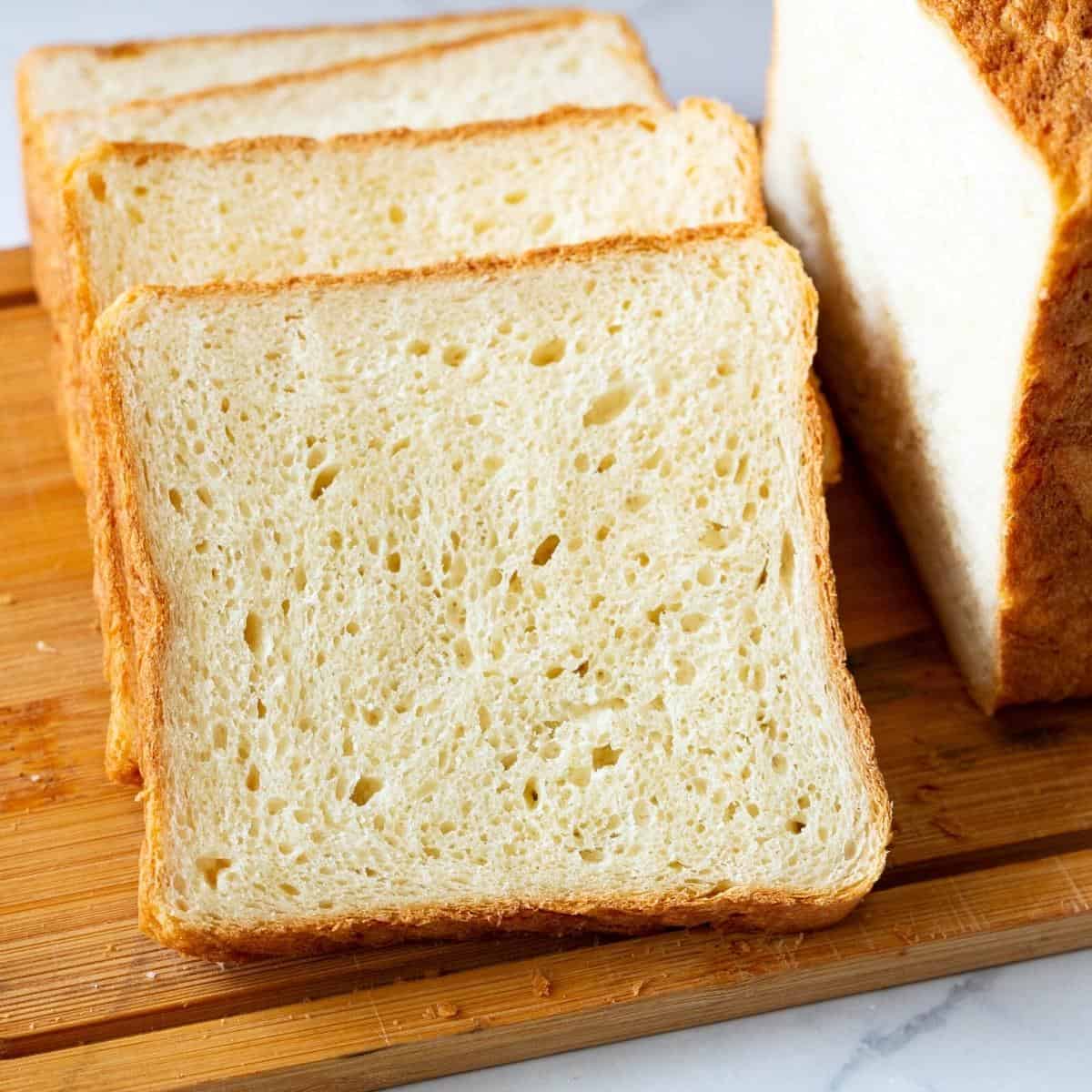
Sourdough Pullman Sandwich Bread
Everyone loves the classic flavor of a freshly baked loaf of sourdough pullman sandwich bread. This time-honored baking tradition is a delicious way to turn your kitchen into a comforting bakery experience. A perfectly golden loaf with a tender crust that surprises your palate. And a crumb so light and airy it practically melts in your mouth.
Video
Ingredients
- 100 g (½ cups) Active sourdough starter (100% hydration which means it's fed with equal parts starter, flour and water by weight)
- 250 g (2 cups) Bread flour
- 250 g (2 cups) All-purpose flour
- 240 g (1 cups) Whole Milk room temperature
- 100 g (2 large) Eggs
- 9 g (1½ tsp) Salt
- 30 g (2 tbsp) Sugar or honey optional
- 50 g (3 tbsp) Unsalted butter softened
Method
- Feed your starter – Ensure your sourdough starter is bubbly and active. Feed it 4–6 hours before baking or the night before.
- Mix the dough – In a stand mixer bowl, combine milk, eggs, and sugar. Add both flours and mix into a shaggy dough. Cover and rest for 45–60 minutes.250 g Bread flour, 250 g All-purpose flour, 240 g Whole Milk , 100 g Eggs, 30 g Sugar or honey
- Add starter and salt – Add sourdough starter and salt. Knead on medium speed for 4–6 minutes until elastic.100 g Active sourdough starter , 9 g Salt
- Add butter – Add softened butter in small amounts. Knead 4–6 more minutes until the dough is smooth and pulls away from the bowl.50 g Unsalted butter
- Cold ferment (bulk rise) – Transfer dough to a lightly oiled bowl. Cover and refrigerate for 6–8 hours or overnight. Dough may not double but should feel slightly puffy.
- Shape the dough – Let dough sit at room temp for 1–2 hours if needed. Shape into 4 tight logs or one large log. Place seam-side down in a greased Pullman pan.
- Final proof – Cover and let rise in a warm place (75–80°F) until the dough is about 1 inch below the rim of the Pullman pan. Depending on your starter and room temperature, this may take 2–3 hours or longer. Always go by the dough’s volume, not just the clock.
- Bake – Preheat oven to 375°F (190°C). Slide the lid onto the pan and bake for 35–40 minutes.
- Cool – Remove from pan and let cool completely on a wire rack before slicing.
Notes
Tips for Success
- A stand mixer helps develop gluten in enriched doughs without overheating.
- Don’t expect a dramatic rise in the fridge—cold fermentation is subtle but effective.
- Let dough warm up before shaping if it feels too tight after the fridge.
- Use the Pullman lid for an even, square loaf with a fine, closed crumb.
Flavor Add-In Ideas
- Savory: Fresh or dried herbs like rosemary, thyme, or oregano.
- Sweet: A touch of cinnamon, nutmeg, or citrus zest.
- Seeded: Add chia, sesame, or flax for crunch and fiber.
Equipment you will need


Nutrition
Tried this recipe?
Mention @veenaazmanov_kitchen or tag #veenaazmanovkitchen!Tips for Success
- A stand mixer helps develop gluten in enriched doughs without overheating.
- Don’t expect a dramatic rise in the fridge—cold fermentation is subtle but effective.
- Let the dough warm up before shaping if it feels too tight after the fridge.
- Use the Pullman lid for an even, square loaf with a fine, closed crumb.

Troubleshooting
| Issue | Possible Cause | Fix |
|---|---|---|
| Dough too sticky | High hydration makes the dough wetter and harder to handle. | Wet your hands lightly when shaping instead of adding more flour. |
| Not rising | The starter may be inactive, the room may be too cold, or the dough overworked. | Use a bubbly, active starter. Let the dough ferment in a warm spot. |
| Dense bread | Likely over-proofed or under-proofed during the final rise. | Watch for signs of readiness (puffy, not collapsed), not just the clock. |
| Crust too hard | Overbaking or too high oven temp can cause a tough crust. | Monitor baking time closely and ensure correct oven temperature. |

- Sourdough Focaccia
- Whole Wheat Sourdough Bread
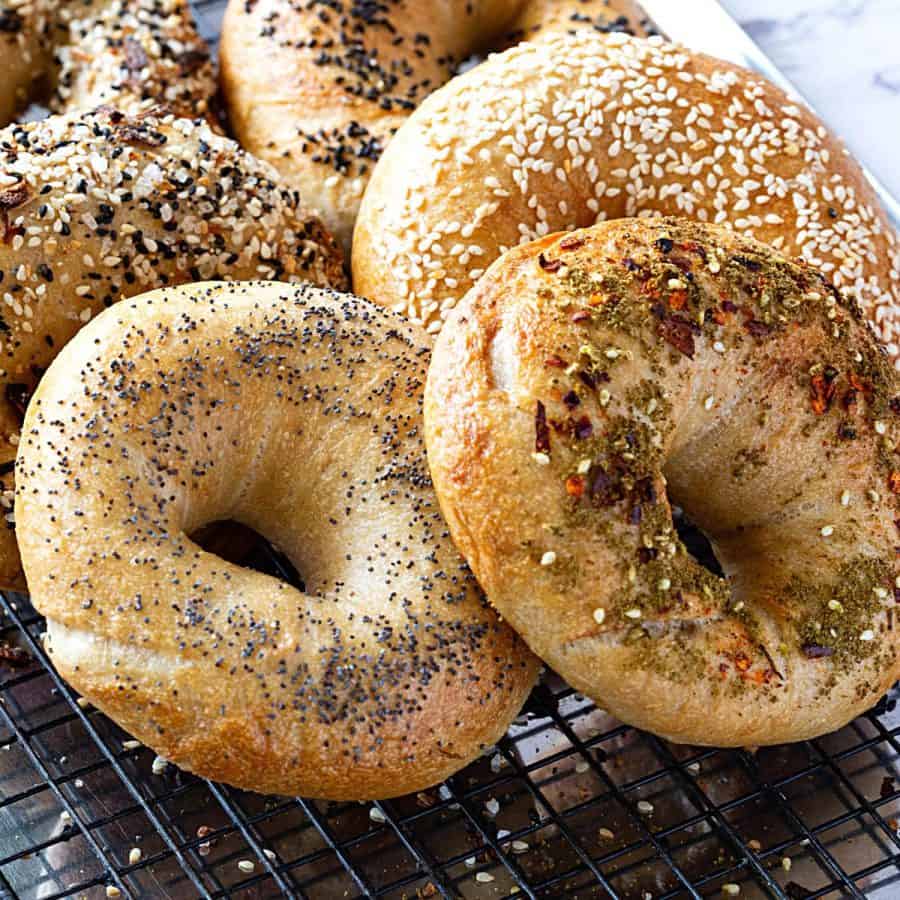
- Sourdough Bagel
- Sourdough Focaccia with Pesto and Mozzarella
- Sourdough Donuts



Frequently asked questions
The process can be quite time-consuming, as it involves multiple stages of fermentation and proofing. From start to finish, it usually takes about 24 to 30 hours. However, it’s important to note that the actual hands-on time is relatively minimal, with most of the duration dedicated to waiting for the dough to rise and develop its distinctive flavor.
Yes. Pain de mie is the French term for Pullman bread, a soft, enriched sandwich loaf baked in a lidded pan.
This recipe is written for a 9 x 4 x 4-inch Pullman loaf pan.
To keep your bread fresh and flavorful, it’s best stored in a paper bag or a bread box at room temperature. Avoid storing it in plastic bags, as they can trap moisture and make the crust soggy. If you plan to consume the bread within a day or two, you can also leave it sliced and freeze individual portions. Just make sure to wrap each slice tightly in plastic wrap or place them in airtight freezer bags.
Properly greasing the pan is crucial to prevent sticking. You can use butter or a cooking spray to coat the interior of the pan thoroughly. Additionally, some bakers like to line the bottom of the pan with parchment paper to provide an extra layer of insurance against sticking.
Yes! The Pullman loaf pan traps steam with its lid, giving sourdough a fine, even crumb and square shape—perfect for sandwich bread.
Yes, but it won’t have the square shape. Use a 9×5 loaf pan and tent with foil for the first 20 minutes to mimic lid conditions.
Cold fermentation slows everything. Look for a slight puff and elasticity. Let it rest at room temperature before shaping if needed.
You can reduce sugar or swap it for honey. Butter adds softness, so the crumb may be drier without it.
Not necessarily. Using the lid gives the bread its characteristic square shape. If you leave it off, the bread will have a more traditional domed shape.


Don’t lose this recipe! Save it for Later!
📌 Save this Recipe for later on Pinterest so you can easily find it again.
⭐ Add Veena Azmanov Kitchen to your Google Preferred Sources.
It helps Google show you more of our recipes.
📧 Subscribe for new recipes delivered to your inbox.
🎥 Follow us for more recipes


Hi, I’m Veena
I’m the recipe developer, baker, and food photographer behind Veena Azmanov Kitchen.
I’ve spent years developing and testing recipes, from everyday meals and homemade breads to cakes and desserts.
I share the practical tips and little details I’ve learned along the way so you can get great results in your own kitchen.










I made your Pain de mie in 13 inch Pullman it was perfect, I would like to make your sourdough how to convert recipie for 13 inch Pullman it’s the only bread pan I have.
Thank you for your help and all your recipes are amazing.
Hey Ann, I am happy you enjoyed my recipe. The sourdough 13-inch would be almost double the recipe of the 9-inch sourdough loaf. Let me know how it goes.
Was a bust the first time I made it (dough was dense and did not rise), but the second attempt was perfect! It turned out amazing! I will be making this again for sure it is delicious!
Thank you for the feedback Heidi – so happy this worked out for you.
Love this recipe – just perfect and the taste is insanely delicious
Thank you so much Alex. So happy you enjoyed this bread.
Does NOT ferment in the fridge. Came out looking exactly as dead and bubble free as I expected it to. And it’s not a starter issue. How are you “punching bubbles” out of this straight out of the fridge???
Hi there! Thanks for your feedback—I totally understand your frustration.
This is an enriched sourdough dough (with milk, eggs, and butter), so fermentation in the fridge is intentionally slower and more subtle than a lean dough. It won’t always look dramatically risen or bubbly right out of the fridge—but it’s still fermenting.
You should feel some puffiness and elasticity when you take it out, even if it hasn’t doubled visually. If it feels dense, just let it rest at room temp for 1–2 hours before shaping to complete the bulk rise. That extra time can make a big difference!
I’ll update the post to include better visual and timing cues to help clarify this for others too—thank you again for pointing it out! 🙏
Hello!
Do you have a sourdough sandwich loaf recipe using a 13″ Pullman with a lid?
Thank you!
Molly
Hey Molly – if you use a 1 1/2 recipe, you should be able to use it for a 13-inch pan. Use the ingredient quantities under 1½X in the recipe card, and it will automatically multiply them for you.
Expect 5–10 minutes additional bake time; check internal temp (190–200°F / 88–93°C) for doneness.
Please note that I have not yet tested the 13-inch pan. This is based on my calculations.
Let me know how it goes.
I’m reading through the directions now and have a question regarding the BF. I want to make sure that I’m understand correctly that the BF is done in the refrigerator and not the counter at room temp ? TIA
Yes, Doreen. I like bulk fermentation in the fridge, it develops flavor without making it too tangy, but you can certainly do it for a shorter time on the counter.
Thank you for this recipe! I have had great success with your other Pullman loaf recipe, and am excited to try this sourdough version. Do you have adjusted measurements for a 13” Pullman loaf?
Not at the moment but once I test it, I will update the recipe and add the other measurements.
my pullman is 16 inch. can you send the recipe for that size please. thank you
[email protected]
I don’t currently have the measurements for the 16-inch pan, but you can use 1.5X (one and half) the measurement of the 13-inch pan. It should work.