Do you crave a delicious, melt-in-your-mouth cake but don’t have cake flour in your kitchen cupboard? You’re not alone! Cake flour is a special type of flour that adds lightness and structure to cakes which can be hard to find in the grocery store. Thankfully, if you’re in a pinch, you can easily make your own cake flour substitute at home.
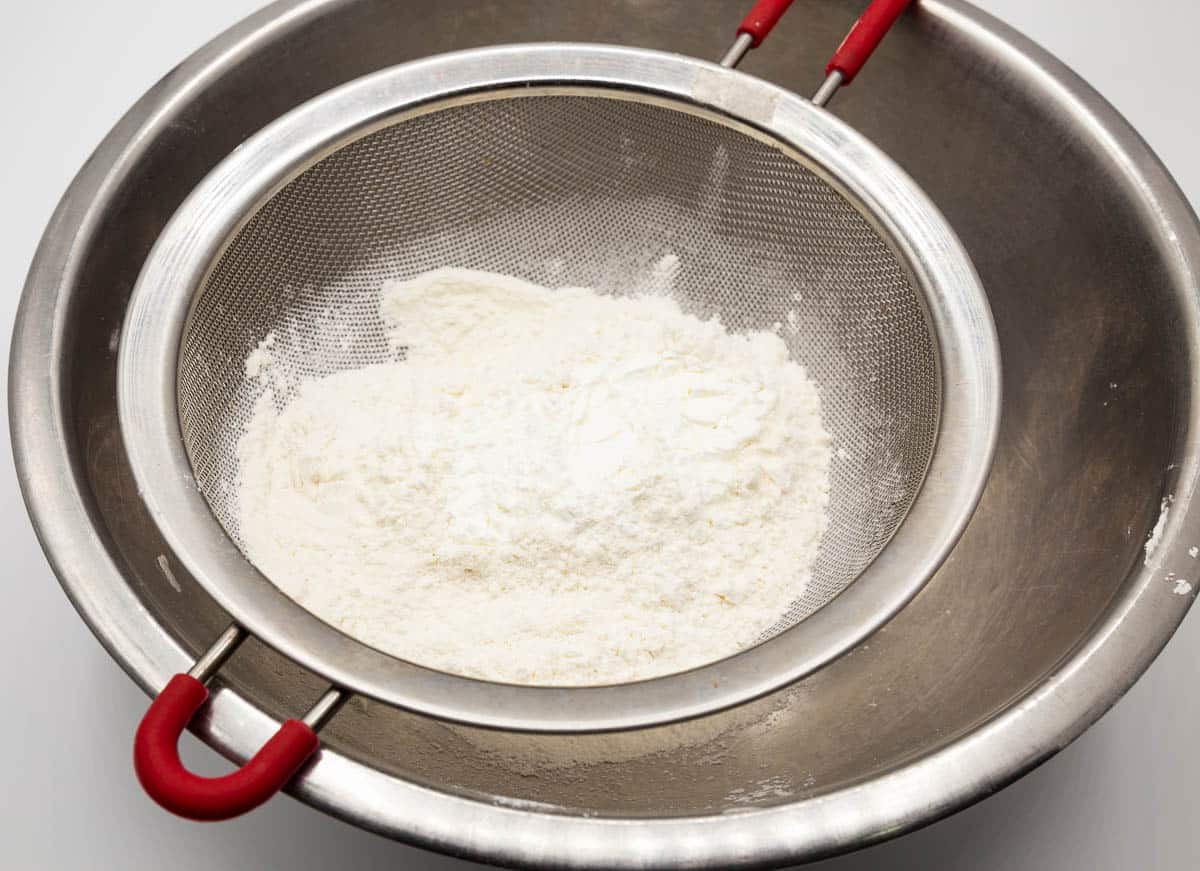
According to a survey, 85% of Americans eat baked goods at least once a week, so it’s important to understand the types of flour and which are suitable for making delicious cakes.
In this article, we’ll explain the differences between cake flour and other types of flour, share some tips for making the best cakes, and walk you through a few cake flour substitutes so you can choose the option that works best for you. With the knowledge you’ll gain, you’ll be able to create the perfect cake every time.
I grew up using all-purpose flour in everything because back then we did not get cake flour and it wasn’t so popular. Over the years, I redone most of my cakes with cake flour and have never gone back. Since cake flour produces the softest most tender cakes and cupcakes.
And, as a professional cake decorator, it makes a huge difference to my cakes. I am still amazed at how one single ingredient can make such a big difference.
What is cake flour?
Cake flour is a type of flour that is commonly used for baking cakes, as its name suggests. What sets it apart from other types of flour, such as all-purpose flour, is its low protein content. This makes cake flour more delicate and tender, resulting in a softer and more crumbly texture for cakes.
Cake flour is made from soft wheat, which has less protein compared to hard wheat that is used for all-purpose flour. Soft wheat is milled into a fine flour, which is then treated with chlorine or another bleaching agent to give it a bright white color. The bleaching process also helps to break down the gluten in the flour, making it even more tender.
Due to its unique properties, cake flour is not interchangeable with all-purpose flour in recipes. If substituted, the results may be too dense or dry. It’s important to pay attention to the type of flour called for in a recipe and use the correct one for the desired outcome.

Cake flour vs all-purpose flour
Cake flour and all-purpose flour are two common types of flour used in baking, and they have some differences in terms of their protein content and texture. Here’s a comparison between cake flour and all-purpose flour:
- Protein Content: Cake flour has a lower protein content compared to all-purpose flour. Cake flour typically contains around 7-9% protein, while all-purpose flour usually has around 10-12% protein. The lower protein content in cake flour helps produce a more tender and delicate texture in baked goods.
- Texture: Due to its lower protein content, cake flour results in a finer and softer texture in cakes and other delicate baked goods. It produces cakes with a lighter crumb and a more tender bite. All-purpose flour, with its slightly higher protein content, can produce cakes with a slightly denser texture.
- Rising: All-purpose flour has a moderate amount of gluten-forming proteins, which can provide structure and help baked goods rise. Cake flour, on the other hand, has a lower protein content and less gluten formation, resulting in less rise and a more compact crumb. This is desirable for delicate cakes and pastries where a lighter texture is desired.
- Versatility: All-purpose flour is a versatile flour that can be used in a wide range of recipes, including cakes, cookies, bread, and pastries. It can be a good all-around flour for general baking needs. Cake flour, on the other hand, is specifically formulated for cakes and other delicate baked goods. While it can be used in some other recipes, it may not provide the desired texture and structure in bread or cookies.
Overall, cake flour and all-purpose flour have distinct characteristics, and choosing the right one depends on the specific recipe and desired outcome.
Buttery Flaky Puff Pastry Apple Galette
Nectarine Frangipane Tart

Classic Pecan Pie

Braided Blackberry Puff Pastry
Cake flour vs pastry flour
Cake flour and pastry flour are both types of flour that are often used in baking, particularly in recipes that require a lighter and more delicate texture. While they share some similarities, there are a few differences between cake flour and pastry flour. Here’s a comparison:
- Protein Content: Cake flour has the lowest protein content of the three types, typically ranging from 7-9%. Pastry flour falls in between, with a slightly higher protein content than cake flour but still lower than all-purpose flour. Pastry flour usually contains around 8-10% protein.
- Texture: Both cake flour and pastry flour are known for producing tender and delicate baked goods. However, cake flour is even finer and softer in texture, resulting in cakes with an exceptionally light and tender crumb. Pastry flour provides a slightly more substantial texture compared to cake flour but still yields tender pastries, cookies, and pie crusts.
- Gluten Formation: The lower protein content in cake flour and pastry flour means that they have less gluten-forming potential compared to all-purpose flour. This is advantageous for delicate baked goods, as less gluten formation results in a softer and more tender final product.
- Versatility: Cake flour is primarily used in cake recipes, as its characteristics are specifically tailored to produce light and fluffy cakes. Pastry flour, while also suitable for cakes, is more versatile and can be used in a wider range of delicate baked goods, such as pastries, cookies, biscuits, and pie crusts.
- Availability: Cake flour is more widely available in stores compared to pastry flour, which can sometimes be more challenging to find. However, pastry flour can often be substituted with a mixture of all-purpose flour and cake flour in a 1:1 ratio.
It’s important to note that both cake flour and pastry flour are more refined than all-purpose flour. They undergo a finer milling process, resulting in a lighter texture and softer crumb in baked goods.

Cake flour vs Bread flour
Cake flour and bread flour are two types of flour commonly used in baking, but they have distinct characteristics suited for different purposes. Here’s a comparison between cake flour and bread flour:
- Protein Content: Bread flour has a higher protein content compared to cake flour. Bread flour typically contains around 12-14% protein, while cake flour has the lowest protein content among flours, ranging from 7-9%. The higher protein content in bread flour contributes to gluten development, resulting in a stronger and more elastic dough structure.
- Gluten Formation: The higher protein content in bread flour promotes gluten formation when mixed with water and kneaded. Gluten gives bread dough its elasticity and chewiness, allowing bread to rise and develop a dense and chewy texture. Cake flour, with its lower protein content, produces less gluten when mixed, resulting in a more tender and delicate texture suitable for cakes and other delicate baked goods.
- Texture: Bread flour is typically used for recipes that require a chewy and substantial texture, such as bread, pizza dough, bagels, and certain pastries. It provides a good structure and helps bread rise and maintain its shape. Cake flour, on the other hand, is specifically formulated for cakes and results in a lighter and softer crumb texture.
- Absorption: Bread flour tends to absorb more liquid compared to cake flour. This is because the higher protein content in bread flour has more capacity to absorb water. When using cake flour in place of bread flour, you may need to adjust the liquid content of the recipe accordingly to achieve the proper consistency.
- Versatility: Bread flour is primarily used in yeast-based bread recipes that require a strong dough structure and good gluten development. It may not be suitable for delicate baked goods like cakes and pastries due to its higher protein content. Cake flour, on the other hand, is designed specifically for light and tender cakes, but it may not be ideal for bread recipes where a strong gluten structure is necessary.
It’s important to note that all-purpose flour, which has a moderate protein content (around 10-12%), can be a versatile alternative to both cake flour and bread flour. It can work well in many baking recipes, including cakes, cookies, bread, and pastries, providing a balance between tenderness and gluten development.
When substituting cake flour for bread flour or vice versa, it’s important to consider the differences in protein content and gluten formation. The substitution may affect the texture and structure of the final baked product. If a recipe specifically calls for one type of flour, it’s generally best to follow that recommendation for the desired outcome.

Victoria Sponge Cake (Jam Sandwich Cake)
Vanilla Cake with Whipping Cream
Fluffy Vanilla Cake Recipe

Berry Chantilly Cake
What does this mean for our baking?
When a recipe specifically calls for cake flour or pastry flour, it’s generally best to use the recommended flour to achieve the desired texture and result. It is important to know when to use cake flour and when not to use cake flour. For example, cake flour is great in some recipes but not so much in other recipes. Such as
- Cake flour is wonderful in vanilla cakes, funfetti-cakes, upside-down cakes, red-velvet cakes. It makes them wonderfully soft, light, and airy.
- However, chocolate cake has cocoa powder, which means it already has less flour. So, using cake flour in the chocolate cake can make the cake delicate. As a result, the cake can be difficult to handle and falls apart.
- Cake with wet ingredients like banana, pumpkin, carrots, fruit purees isn’t ideal for cake flour. In these cakes, we need all-purpose flour to help with structure.
No post found!
Homemade cake flour substitute?
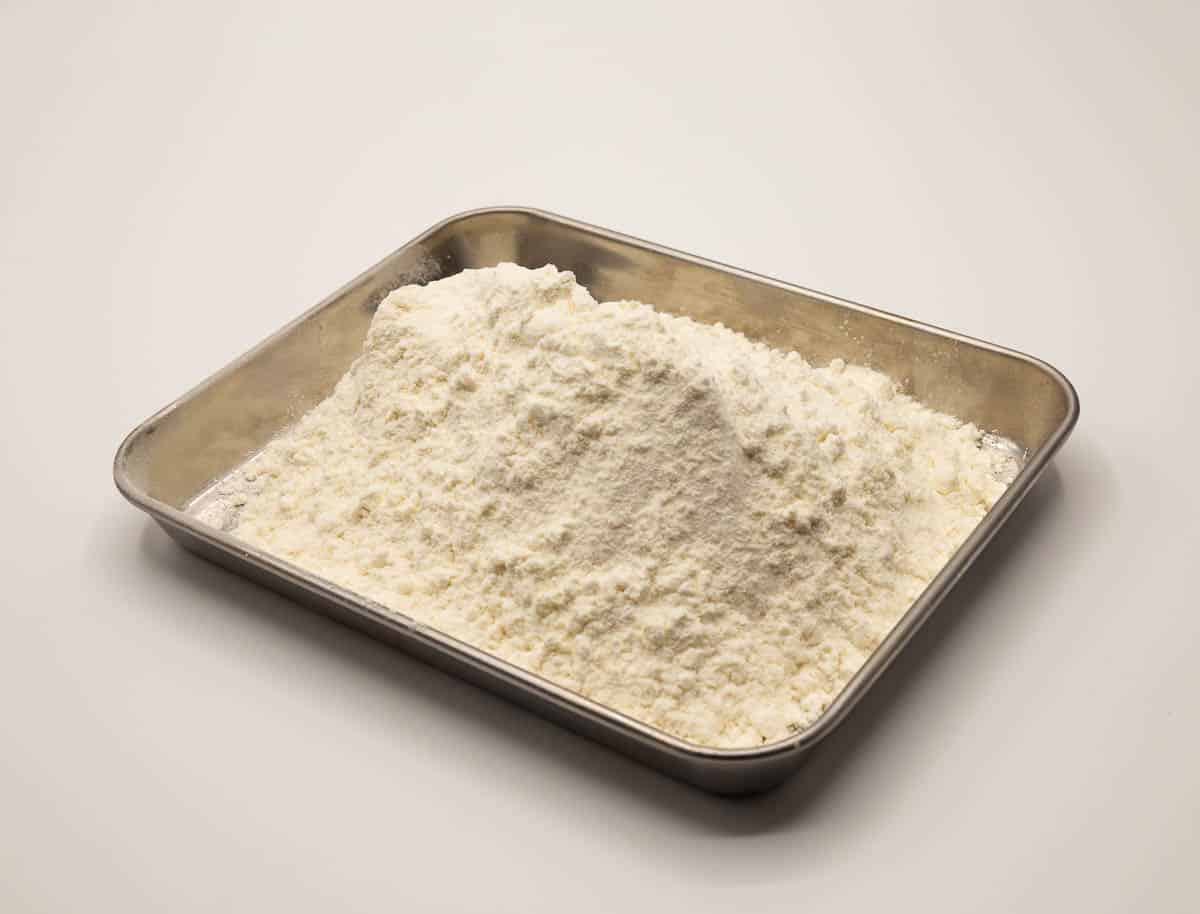
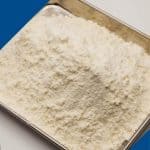
If you don’t have cake flour on hand, you can make a substitute using a combination of all-purpose flour and cornstarch. Here’s a simple way to make a homemade cake flour substitute:
- Take one cup of all-purpose flour.
- Remove two tablespoons of the all-purpose flour from the cup.
- Replace the two tablespoons of all-purpose flour with two tablespoons of cornstarch.
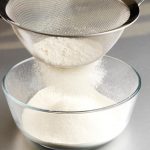
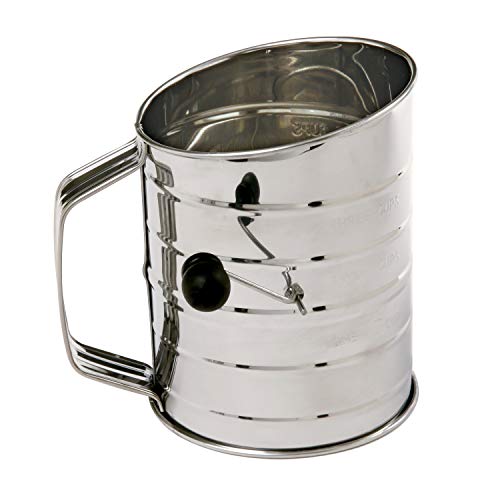
- Sift or whisk the mixture thoroughly to ensure even distribution of the cornstarch.
By following these steps, you’ll have a homemade substitute that mimics the lower protein content and finer texture of cake flour. However, keep in mind that the substitute may not yield the exact same results as using genuine cake flour, especially in delicate cakes where the specific characteristics of cake flour are crucial. But it works well in most recipes that call for cake flour.
It’s important to note that if a recipe specifically requires cake flour for its intended texture, it’s generally recommended to use the actual cake flour. However, the homemade substitute can be a handy solution when you don’t have cake flour readily available.
Recipes that work best with cake flour?
Cake flour is specifically designed for producing light, tender, and delicate cakes. It has a low protein content, which helps to create a fine texture and minimize gluten development. Here are a few recipes that work best with cake flour:
- Sponge Cakes: Cake flour is excellent for making sponge cakes because it produces a light and airy texture. Sponge cakes rely on beaten eggs for leavening, and the delicate structure of cake flour complements this method well.
- Chiffon Cakes: Chiffon cakes are known for their light and fluffy texture, and cake flour helps achieve this result. The fine texture of cake flour allows the cake to rise evenly and hold its shape while remaining tender.
- Angel Food Cakes: Angel food cakes are characterized by their light and airy texture. They are made with a high proportion of beaten egg whites and a minimal amount of fat. The low protein content of cake flour allows the cake to rise high while maintaining its delicate crumb.
- Pound Cakes: While traditional pound cakes typically use all-purpose flour, you can experiment with using cake flour to achieve a lighter texture. The low protein content of cake flour will result in a tender pound cake, which may differ slightly from the denser texture of a traditional pound cake.
- Light and Fluffy Cupcakes: If you prefer cupcakes with a light and tender crumb, cake flour can be an excellent choice. It will help produce cupcakes that are soft, moist, and delicate.
These are just a few examples, but cake flour can be used in many cake and pastry recipes that call for a light and tender texture. It’s worth noting that cake flour may not be suitable for recipes that require a stronger structure, such as dense fruitcakes or bread recipes that rely on gluten development.
When using cake flour in a recipe, it’s essential to follow the specific instructions provided in the recipe, as the lower protein content of cake flour can impact the overall structure and rise of the baked goods.
Almond Cranberry Cake (Bundt Cake)
Chocolate Vanilla Sheet Cake

Fondant Cheese and Mice Cake Tutorial
Funfetti Cake Recipe
When not to use cake flour?
While cake flour is ideal for creating light and tender cakes, there are certain recipes where it may not be the best choice. Here are a few examples of recipes that are not typically suited for cake flour:
- Yeast Breads: Cake flour has a low protein content, which means it has less gluten-forming potential. Yeast breads require a higher protein content to develop a strong gluten network that gives the bread structure and elasticity. Using cake flour in yeast bread recipes may result in a less desirable texture and less rise.
- Dense and Heavy Cakes: Cake flour is specifically formulated to create a light and delicate crumb. Recipes that call for denser and heavier cakes, such as fruitcakes or pound cakes, typically benefit from the structure and strength provided by all-purpose flour. The higher protein content of all-purpose flour helps these types of cakes hold their shape and provide a firmer texture.
- Cookies Requiring Spread: If you’re looking for cookies that spread and have a slightly chewy texture, using cake flour may not be the best choice. The low protein content of cake flour doesn’t promote as much gluten development, which can result in cookies that spread too much and become thin and delicate. For cookies that require more structure, such as chocolate chip cookies or oatmeal cookies, all-purpose flour or a combination of all-purpose and cake flour is often recommended.
- Breaded Coatings and Batters: Cake flour’s fine texture and low protein content make it less suitable for breaded coatings and batters. Recipes that call for a more substantial and crispy coating, such as fried chicken or tempura batter, typically benefit from using all-purpose flour or even a combination of all-purpose flour and cornstarch for added crispness.
While cake flour may not be the optimal choice for these recipes, it doesn’t mean they cannot be made with cake flour at all. You can experiment and make adjustments to the recipe, such as using a combination of cake flour and all-purpose flour, to achieve the desired texture and outcome.
Ultimately, understanding the characteristics of different flours and their effects on the final product will help you choose the most appropriate flour for each specific recipe.
Frequently asked questions
No, cake flour is not the same as plain flour. The two types of flour have different characteristics and are used for different purposes in baking.
Cake Flour: Cake flour is a finely milled flour that has a low protein content, typically around 6-8%. It is made from soft wheat and is specifically designed for making cakes, cupcakes, and other delicate baked goods. Cake flour produces a tender and fine-textured crumb in cakes due to its low protein content, which helps to minimize gluten development. It is often bleached, which further contributes to its fine texture.
Plain Flour: Plain flour, also known as all-purpose flour, is a versatile flour that is commonly used in a wide range of baking applications. It has a moderate protein content, typically around 8-12%, and is made from a combination of hard and soft wheat. Plain flour is suitable for various baked goods such as cookies, muffins, quick breads, and some cakes. It provides a balance between structure and tenderness due to its moderate protein content.
The main difference between cake flour and plain flour lies in their protein content and texture. Cake flour has a lower protein content and finer texture, resulting in a lighter and more delicate crumb in cakes. Plain flour has a slightly higher protein content, which provides more structure and is suitable for a broader range of baking purposes.
While cake flour is best for achieving a tender and delicate texture in cakes, plain flour can be used as a substitute in many cake recipes if cake flour is not available. However, the resulting texture may be slightly different due to the higher protein content in plain flour. Adjustments to the recipe or using a cake flour substitute (as mentioned earlier) can help achieve a similar outcome.
T45 flour, also known as Type 45 flour or French cake flour, is similar to cake flour in terms of its low protein content and fine texture. It is commonly used in France for making cakes, pastries, and delicate baked goods.
T45 flour is made from soft wheat and has a protein content of around 9-10%. This protein content is lower compared to all-purpose flour but slightly higher than typical cake flour. While cake flour typically has a protein content of around 6-8%, T45 flour falls within a similar range.
Although T45 flour is not identical to cake flour, it can be considered as a close substitute. It produces a similar tender and delicate crumb in cakes and pastries, making it suitable for recipes that call for cake flour. T45 flour is known for its ability to create light and fluffy baked goods, and it is widely used by professional bakers in France.
If a recipe specifically calls for cake flour and you only have T45 flour available, you can use it as a substitute. Keep in mind that the slight difference in protein content may result in a slightly different texture compared to using true cake flour. However, T45 flour should still provide good results for most cake and pastry recipes.
It’s important to note that T45 flour is more commonly found in European countries, particularly in France, and may not be as readily available in other parts of the world. In such cases, you can try to find a low-protein cake flour or make a cake flour substitute by combining all-purpose flour with cornstarch.
No, cake flour is not the same as self-raising flour. They are two distinct types of flour with different characteristics and purposes.
Cake Flour: Cake flour is a finely milled flour that has a low protein content, typically around 6-8%. It is specifically designed for making cakes and other delicate baked goods. Cake flour helps create a tender and fine-textured crumb in cakes due to its low protein content, which minimizes gluten development. It is often bleached, which further contributes to its fine texture. Cake flour does not contain any leavening agents like baking powder or baking soda.
Self-Raising Flour: Self-raising flour, also known as self-rising flour, is a combination of all-purpose flour and a leavening agent, usually baking powder. It is pre-mixed with the appropriate amount of baking powder to provide lift and rise to baked goods without the need for additional leavening agents. Self-raising flour is typically used in recipes where a light and fluffy texture is desired, such as biscuits, pancakes, and some cakes. It simplifies the baking process by already incorporating the necessary leavening agent.
While both cake flour and self-raising flour can be used in cake recipes, they serve different purposes. Cake flour is chosen for its ability to produce a tender crumb and delicate texture in cakes, while self-raising flour provides both structure and leavening for a variety of baked goods.
If a recipe specifically calls for cake flour, it is not advisable to substitute it with self-raising flour as it will affect the texture and rise of the cake. However, you can make a substitute for cake flour by combining all-purpose flour with cornstarch in a specific ratio, as mentioned earlier in a previous response.
In the United Kingdom, the closest equivalent to cake flour is often referred to as “sponge flour” or “sponge cake flour.” It is a low-protein flour that is specifically designed for making light and delicate sponge cakes and other similar baked goods.
Sponge flour in the UK is typically made from soft wheat and has a lower protein content compared to all-purpose flour. It helps create a fine and tender texture in cakes, similar to the purpose of cake flour in the United States.
If a recipe specifically calls for cake flour and you are in the UK, look for sponge flour or sponge cake flour at specialty baking stores or online retailers.
Alternatively, you can also make a cake flour substitute by combining all-purpose flour with cornstarch. For every cup of all-purpose flour, you can remove 2 tablespoons of the flour and replace it with 2 tablespoons of cornstarch. This will approximate the lower protein content and fine texture of cake flour.
It’s worth noting that the names and availability of specific flour types can vary, so it’s always a good idea to consult with local baking resources or seek guidance from experienced bakers in the UK for the most suitable flour options.
Cake flour is a specialty flour that is widely available in the United States and Canada. However, in Europe and other parts of the world, cake flour may not be as commonly found, and its name may vary by country and region.
In the United Kingdom, cake flour is known as “sponge flour” or “self-raising cake flour,” and it is typically made from a blend of soft wheat flour and raising agents, such as baking powder or bicarbonate of soda.
In France, cake flour is referred to as “farine fluide” or “farine de pâtisserie,” which translates to “fluid flour” or “pastry flour.” This type of flour is typically low in gluten and is ideal for making delicate pastries and cakes.
In Germany, cake flour is known as “Kuchemehl” or “Tortenmehl,” which translates to “cake flour” or “pastry flour.” It is a finely ground flour that is low in gluten and is ideal for making cakes and pastries with a light and tender texture.
In Italy, cake flour is called “farina di tipo 00,” which refers to the type of wheat used and the fineness of the grind. It is a very fine and soft flour that is low in gluten and is commonly used for making cakes and pastries.
It’s worth noting that the specific names and types of flours may vary across different European countries and regions. If you’re unsure which type of flour to use in a recipe, it’s best to consult a local recipe or speak with a knowledgeable baker or cook in your area.
One Bowl Chocolate Cake
Pecan Chocolate Cake – Flourless with Ground Pecans

One Bowl Carrot Cake

Marzipan Cake Recipe
Don’t lose this recipe! Save it for Later!
📌 Save this Recipe for later on Pinterest so you can easily find it again.
⭐ Add Veena Azmanov Kitchen to your Google Preferred Sources.
It helps Google show you more of our recipes.
📧 Subscribe for new recipes delivered to your inbox.
🎥 Follow us for more recipes

Homemade Cake Flour Substitute
Ingredients
- 1 cup (125 g) All-purpose flour
- 2 tbsp (30 g) Cornstarch (or cornflour)
Instructions
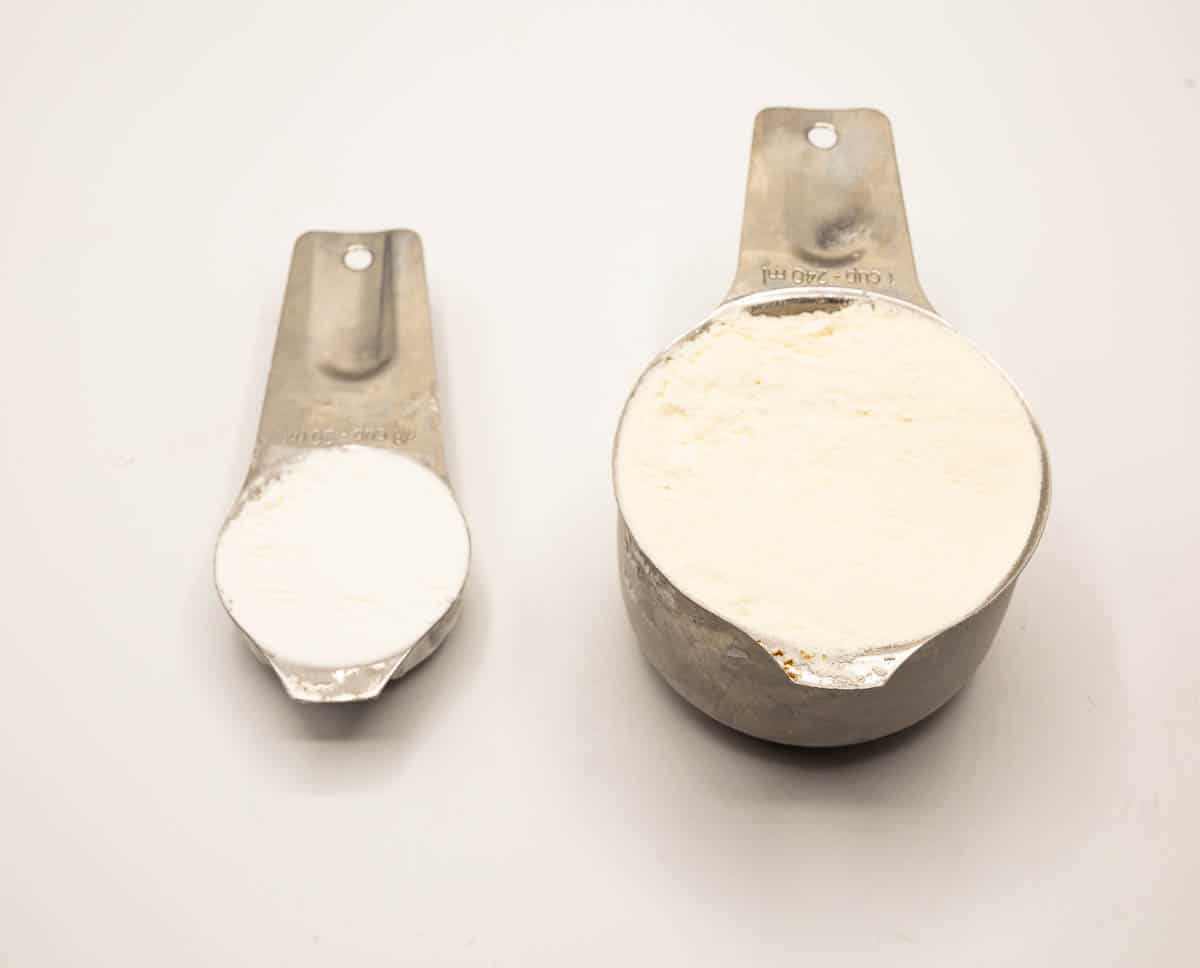
- Take one cup of all-purpose flour. Remove two tablespoons of the all-purpose flour from the cup.1 cup All-purpose flour
- Replace the two tablespoons of all-purpose flour with two tablespoons of cornstarch.2 tbsp Cornstarch
- Sift or whisk the mixture thoroughly to ensure even distribution of the cornstarch.Pro tip – Sifting aerates the flour and adds lightness to the cake batter.
- Now, measure out the one cup you need for your cake. Now, you have made your cake flour substitutePro tip – you may have a little extra because sifting adds volume to the flour.
Video
Notes
- I have given you 1 cup as the basic measure because often cakes need more than one cup of flour. So, the one cup makes it easier to measure.
- 1 cup flour is 16 tbsp so you need only 14 tbsp (2 tbsp = 16 grams)
- If you need a cup measure then, 1/8 cup is also 2 tablespoons for your cornstarch.


Made this recipe?
I’d love to see how yours turned out! Share a photo on Instagram and tag @veenaazmanov_kitchen or use #veenaazmanovkitchen. And don’t forget to leave a rating and review!

Hi, I’m Veena
I’m the recipe developer, baker, and food photographer behind Veena Azmanov Kitchen.
I’ve spent years developing and testing recipes, from everyday meals and homemade breads to cakes and desserts.
I share the practical tips and little details I’ve learned along the way so you can get great results in your own kitchen.




Day one done.
Thanks Veena. Your advice is always so invaluable. Can I ask does the same process work with Gluten free all purpose flour to convert it to GF cake flour? My brother in law is a coeliac and I am about to make my nephew your white vanilla cake for his B day. Your advice would be greatly appreciated. Thanks heaps
All gluten-free flour is made with different varieties and combinations, Marie so not sure it would work the same way. To make gluten-free cake flour use
1 cup white rice flour,
1 cup brown rice flour,
1 cup tapioca flour, and
1 cup potato starch – combine well.
Thanks Veena. Had to make the cakes yesterday so went with what I had but will definitely try this next time. Really really appreciate all you do. I’m a novice, a retired lawyer who loves to bake for her extended family and I just love everything you do. Your help is invaluable. Thanks heaps.
Thank you so much, Marie. So happy you hear you are enjoying my recipes. Appreciate the lovely feedback.
Many many thanks
Hi Veena. Can we use the cake flour in all the cake recipes instead of all purpose flour?
No, some cakes are better with all purpose flour. Read more here – how flour affects baking
I never knew how to make flour at home! What a fantastic tip – thanks for sharing!
What a great post it! I love your detailed explanations, and cake flour really makes a difference in baking! Thanks a lot.
This is the easiest recipe. There is no reason to buy cake flour again.
There are so many great tips here. Thanks for the advice.