

Are you confused between the different types of crust for pies and tarts? Do you wonder which one to use and when? Well, in today’s lesson, we will learn the differences between the different types of crust and when to use them. I will also share with you some useful tips, tricks, and troubleshooting.
Most often, you would use a crust to make a pie or a tart. Technically, they are the same in the sense that they all have a shell and a filling. Also, the basic ingredients to make these crusts are usually flour and butter, with a few other additions for binding. And, while they are similar, they are not exactly the same. And that’s exactly where things get confusing.
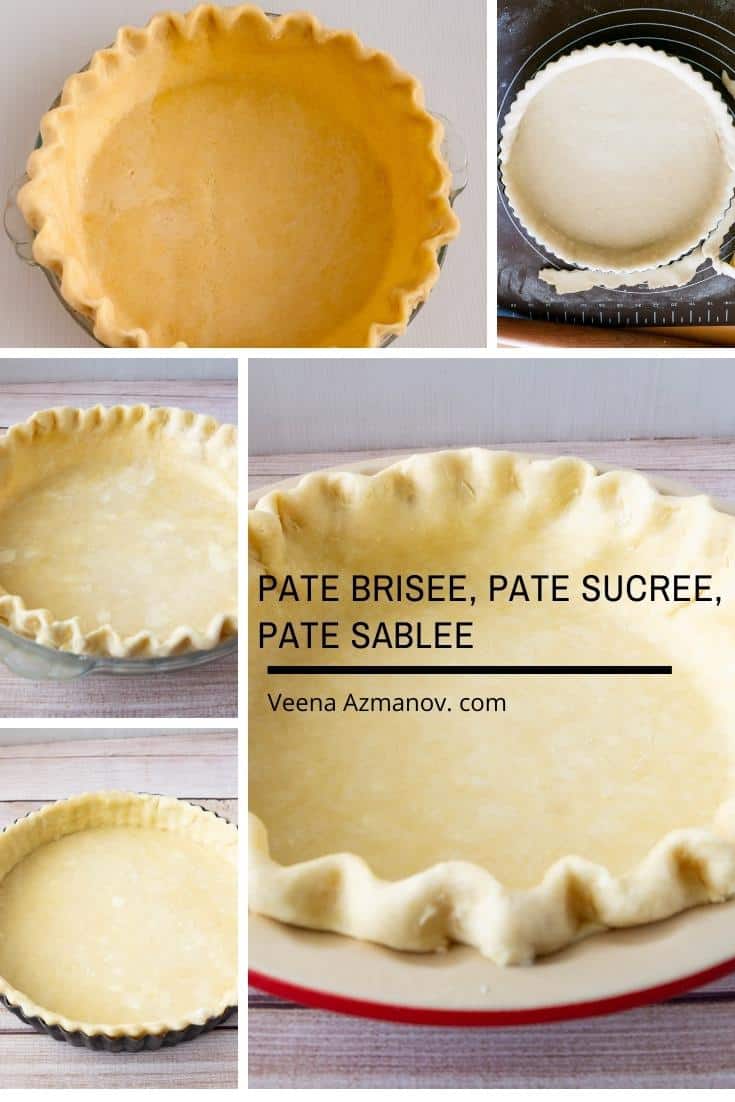
There are three main crusts:
- Pâte Brisée – Pie crust
- Pâte Sucrée – Sweet pie crust (shortcrust)
- and Pâte sablée – Rich shortcrust (sweet cookie crust or shortbread crust)
The main differences
Pâte Brisée – A pie crust is a basic pastry dough using flour, butter, and water as the main ingredients. It can be used for sweet pies, like apple pie, as well as for savory dishes like quiches. Brisée in French means ‘broken’ and refers to the broken pieces of fat in the pie crust. In addition, it uses water to combine the ingredients and has a delicate and flaky texture.
Pâte Sucrée – Is the same as the above pie crust, but sweeter. Sucrée means sweet in French. It also uses the same ingredients and method, with the addition of a little sugar. And it uses egg yolk as the binding agent. As a result, it’s more crumbly than a flaky crust. Shortcrust is often used for sweet tarts with sweet fillings. And yet, it can also be used for some pies, quiches, and savory treats.
Pâte sablée – Rich shortcrust pastry is your dessert pastry and very much like a cookie crust. In addition, it has a higher percentage of sugar. Sablee means sandy or grainy. It uses a shortbread-style creaming method in which sugar and butter are creamed together. As a result, the dough is very tender and crumbly, similar to shortbread. Also, almond or nut meals are often used to enhance the sandy texture of this dough.
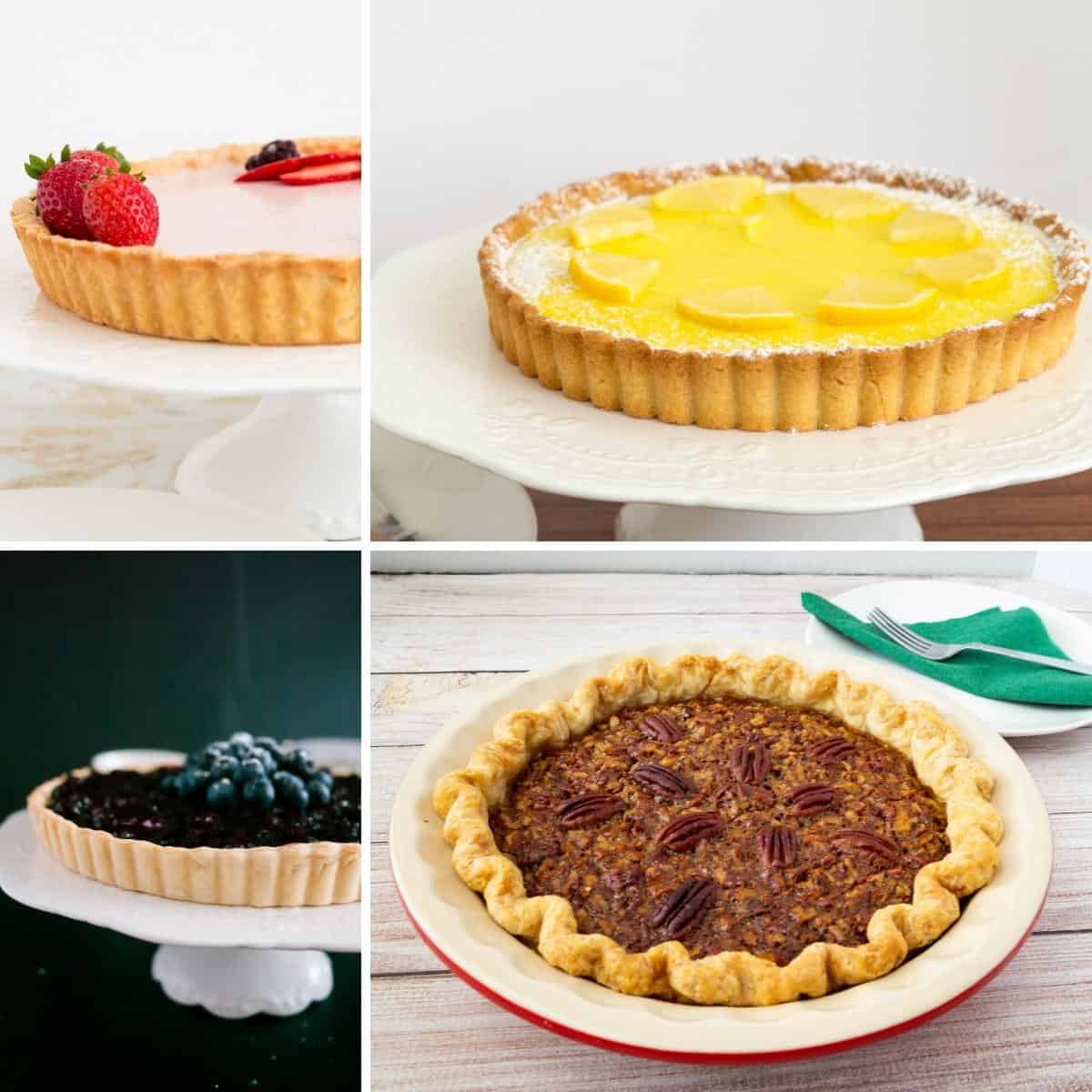
Let’s identify the three tarts below
The top two are pie crust: one is a single pie crust made for a pecan pie, while the second is a double pie crust made for an apple pie. On the bottom left is a sweet pie crust made for a cherry pie. And, on the right is a rich shortcrust made for a fruit tart. Notice the shortcrust dough has the color from the egg yolks, while the other three are made with water or a combination.
1. Pâte Brisée – Pie Crust
If you made a pie from scratch, this is probably the dough you prepared. Tender, flaky, and of course buttery. Very common to use and very popular as well because it can be used for both sweet and savory fillings. If you made an apple pie, then you’ve made this dough with a sweet filling. And if you’ve made a meat pie, again, you’ve made this dough with a savory filling. So you see, it’s one you definitely want to master.
Pâte Brisée is the basic dough of them all. This is probably the one recipe you can make any time because it uses everyday ingredients we always have on hand. With only four main ingredients: butter, flour, salt, cold water, and a simple method, this is the easiest of all pastry doughs.
The process is simple – we use cold butter that’s cut into the flour into small pieces. The uneven texture resulting from the butter distribution results in a dough that’s flaky and crumbly.
2. Pâte Sucrée – sweet shortcrust pastry
This is the same as the basic pie crust but sweeter. Sucrée means sweet.
It also uses the same ingredients and method, with the addition of a little sugar. Often, egg yolk is used as the binding agent instead of water. As a result, the crust is more crumbly.
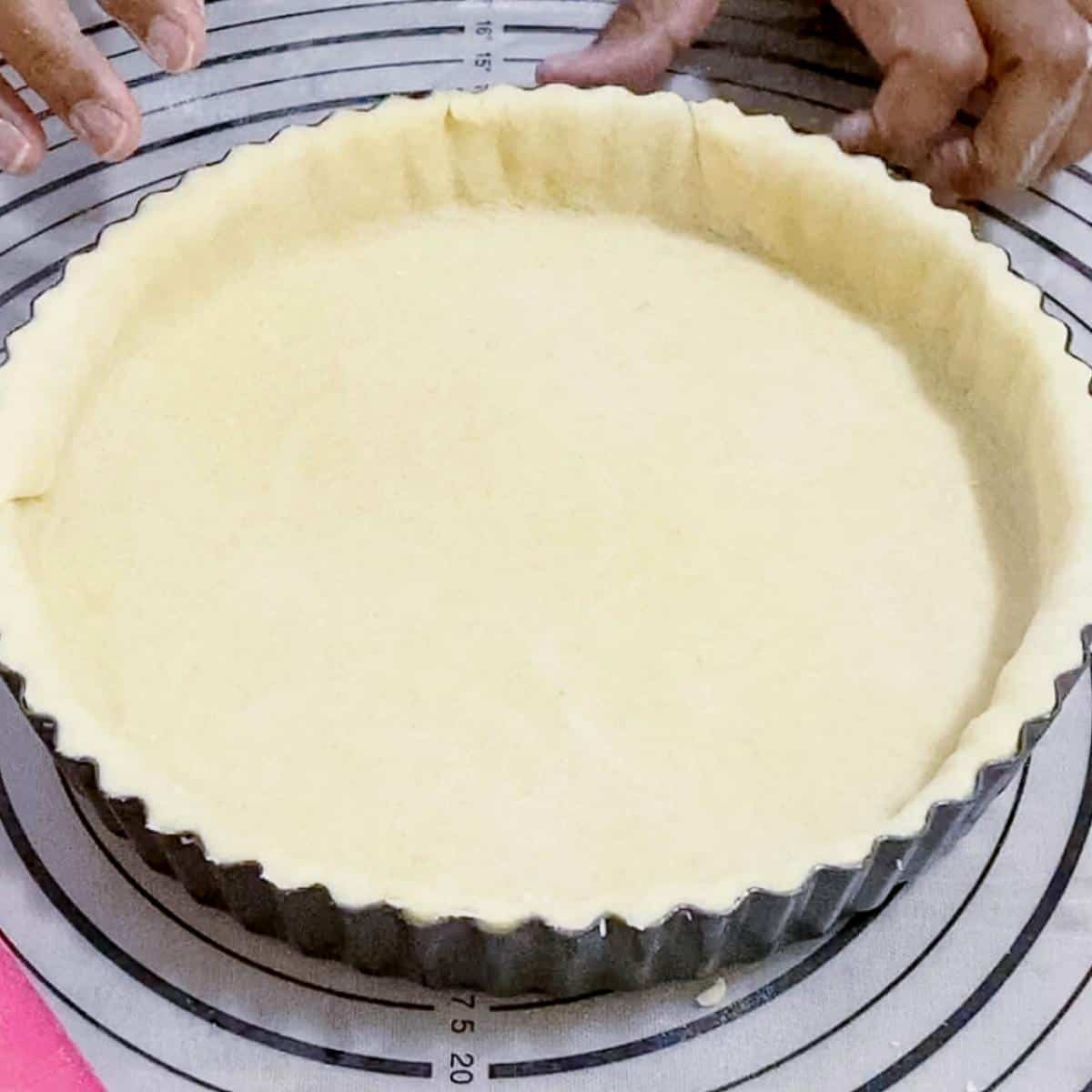
Sweet Shortcrust Pastry aka Pate Sucree
When do you use sweet shortcrust?
Shortcrust is often used for sweet tarts with sweet fillings. The filling, like this pumpkin tart, can be added to a fully baked crust or a partially baked crust, such as this nectarine frangipani tart.
3. Pâte sablée – Rich shortcrust
This is the richest of the three crusts. It has a higher amount of sugar, which makes it perfect for desserts such as fruit tarts.
If you’ve ever eaten a fruit tart, it’s probably made with a Pâte sablée. Sometimes, the crust is fully baked, and then the filling is added later, such as a pastry cream with fruits. But, often, this crust is also partially baked before adding the filling and baking it further with a filling such as a frangipani.
Texture – This is a sweetened, rich, buttery dough that’s crisp, unlike Pate Sucree, which is still quite flaky and crumbly. This has a very cookie-like texture, very similar to a shortbread that will shatter into small crumbles if pricked with a fork.
It’s definitely a very delicate crust. But it’s surprisingly easy to master because the dough is quite forgiving. You can easily patch pieces together, and it will still be perfect.
The method – Unlike the other two crusts, where you use chilled butter and high-percentage fat/lard cut into the flour to create a chewy, flaky texture. Here, we use room temperature butter and creaming. The butter and sugar are creamed, so it’s equally distributed throughout the flour. This method prevents the formation of gluten because each grain of flour is coated with butter. This results in a tender, rich, buttery crust. I have shown you three methods to work with this crust.
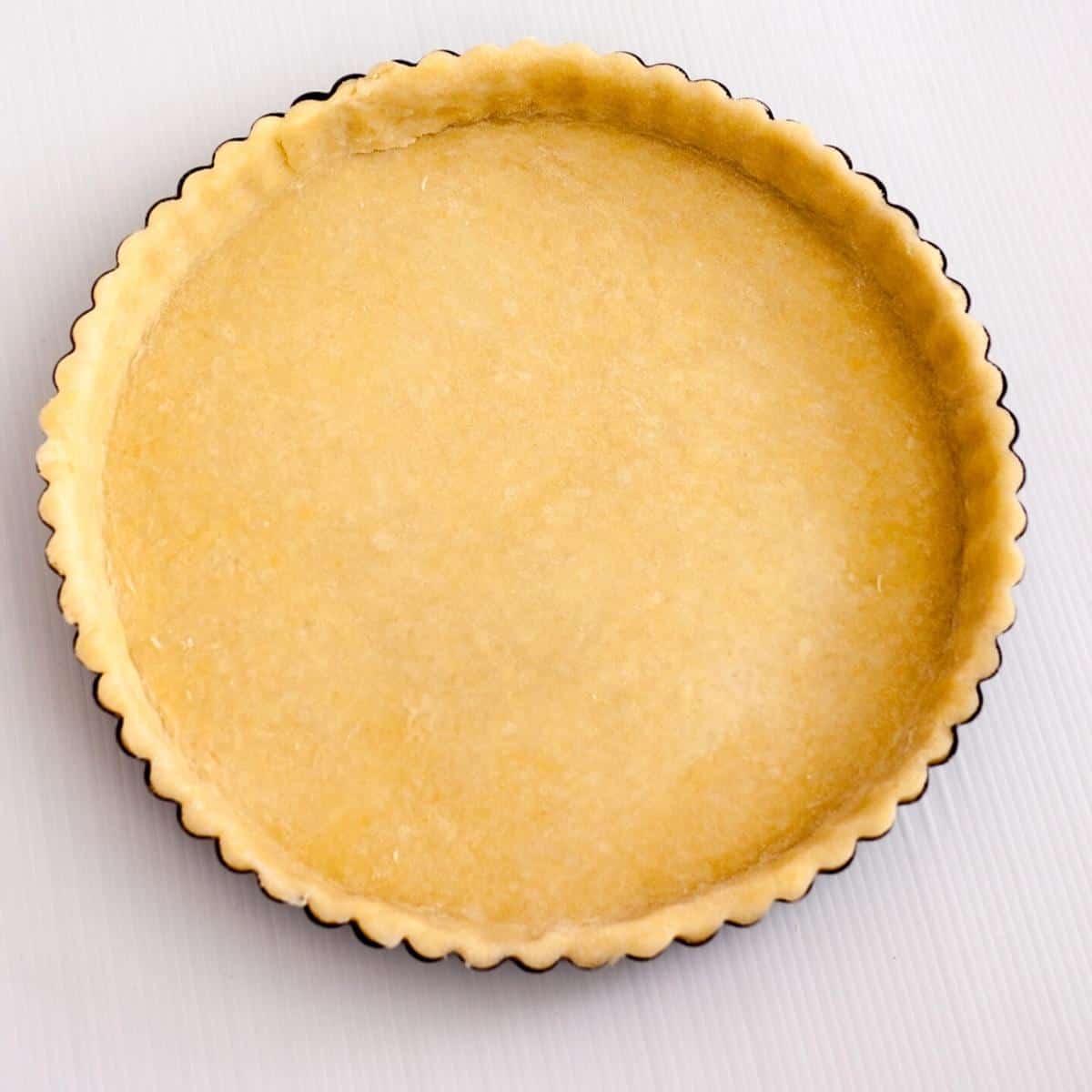
Rich Shortcrust Pastry (Pate Sablee)
When do I use Pâte sablée?
There are many great recipes that use the Pâte sabléee as a base.
- A Bakewell tart is very common and uses this rich shortcrust pastry
- Fruit tarts filled with pastry cream and topped with your favorite fruits – Berries, strawberries, blueberries.
- Lemon curd tart is a simple and easy tart you can make in minutes if you have a Pâte sabléee on hand. Just use a jar of lemon curd, or better yet, make my no-fail recipe for lemon curd.
- Try chocolate ganache tart – White chocolate ganache with raspberries is very popular, and so is a dark chocolate ganache.
Tips for Making the Perfect Pate Brisee & Pate Sucree
The secret to making a perfect pie crust is not only in the recipe but in the method of making it.
- Fat – You will see a big difference in the quality of your crust based on the fat you use. If you ask my mom, it can’t be all butter. It had to be mostly full-fat GHEE (Shortening) and some butter for flavor. The higher the percentage of fat, the better the crust. My grandmother would use 100% lard (animal fat). For her, making a pie crust with butter is a No-No! And yet, she lived healthily until 89. I, on the other hand, never use lard to make my pie crust. I use butter or sometimes half butter and half vegetable shortening. I’d be lucky if I live to her age!
- The amount of water in your pie dough plays a very important role in the final texture. Too much water will make your crust very tough. And too little will make it very crumbly. Crumbly is good, and yet you still want to be able to hold a slice of pie.
- Avoid the fat/butter from melting into your flour. I usually place my bowl with the flour and chilled butter into the fridge for at least half an hour before I start to work it into the dough. Those of you living in a hot and humid climate can avoid touching the dough too much with your hands by rolling the pastry between two sheets of parchment paper.
- Also, use chilled iced water to maintain the temperature of the dough.
- Cool the pie crust for at least half an hour before you bake. This will prevent the sides from shrinking.
- Let the pre-baked crust cool for 15 minutes before you add in the filling. This will prevent the liquid from being absorbed into the crust. And, if your filling is very liquid, brush the pastry with egg white before adding the filling. This creates a seal between the filling and crust.
Tips for making the perfect Pâte sablée
- Making pastry dough should be planned, not a last-minute chore. Planning means leaving enough time to chill the dough between steps.
- Always chill the dough before you roll, so you don’t melt the butter too much. You want to keep that tender shortbread consistency.
- If the dough is stiff when rolling, let it rest for five minutes, then roll again. This will prevent breaking.
- When rolling, use just enough flour so it’s easier to handle, but not loaded with flour.
- Dust any excess flour from the crust when possible.
- If you live in a hot and humid place, roll the dough between two pieces of parchment paper and let the rolled sheet of pastry chill between steps to make handling easier.
- This is a forgiving dough, so if it tears, don’t worry, just patch it up together and continue.
- Roll the dough to 1/8 thickness – too thick will make the baked crust look bulky, but too thin will break easily.
- Always chill the pate sablee for at least 30 minutes before you bake it.
- Use pie weights to bake the crust or dock the crust with the tines of a fork. Pie weight is the most effective way to blind bake. But I often use the fork method too.
- A partially baked crust will still be pale in color with slight browning on the edges.
- A fully baked Pate Sablee should be lightly brown in the center, meaning it’s cooked right through.
- For fully baked Pate Sablee – If the pastry edges are browning before the center is light gold, tent the edges with foil or a pie shield after you have removed the weights.
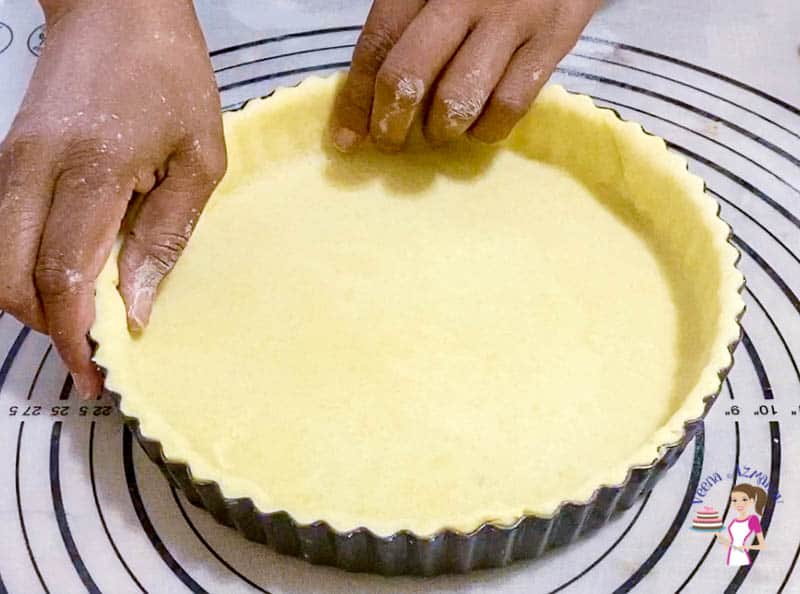
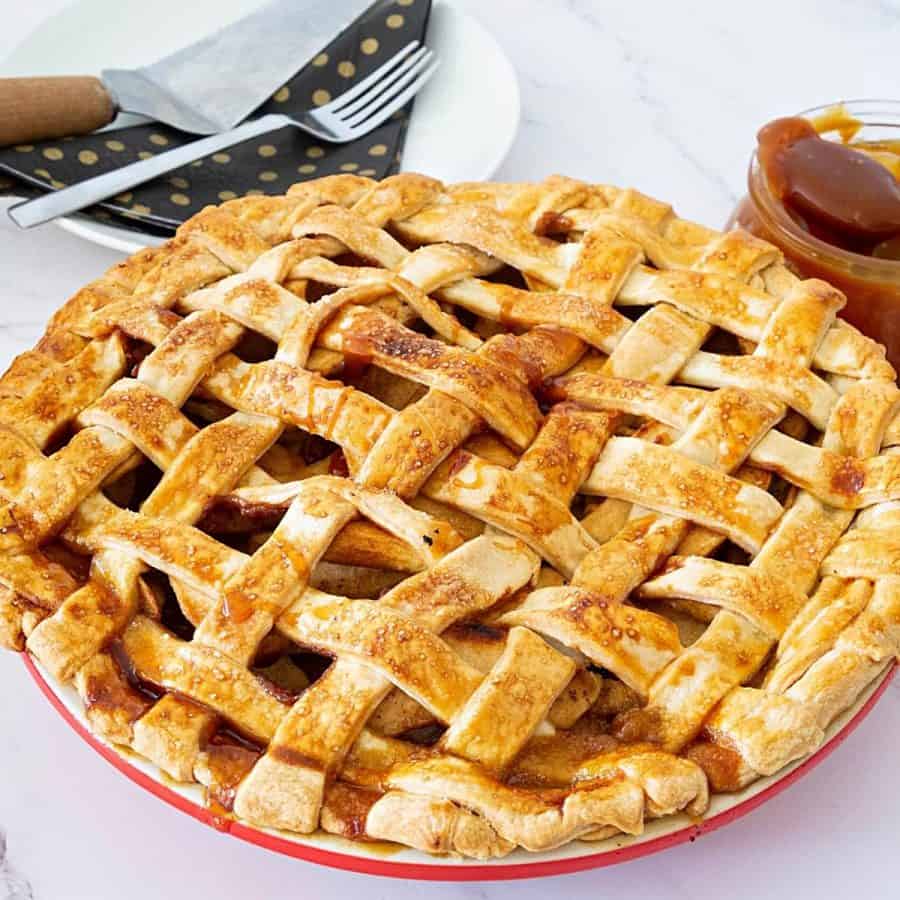
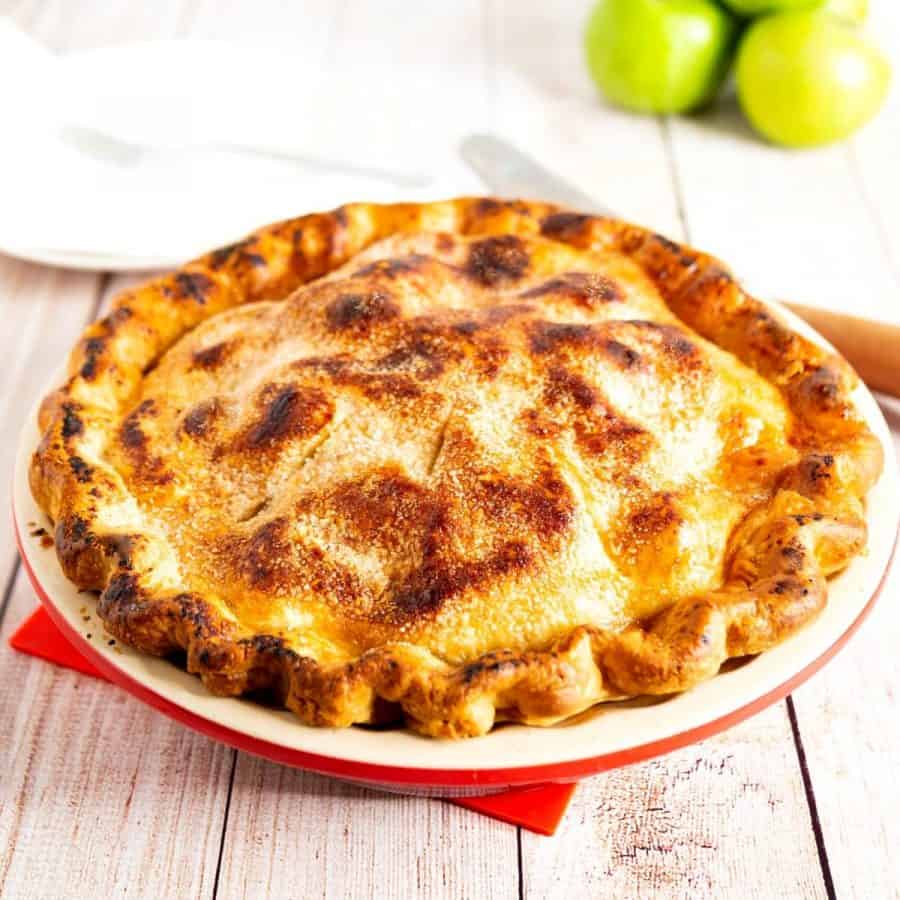
4 – Double pie crust
A double pie crust refers to a pie crust that consists of both a bottom crust and a top crust. It is used when making pies that have a filling that needs to be enclosed between two layers of crust. Double pie crusts are commonly used for fruit pies, such as apple pie, cherry pie, or pumpkin pie.
The bottom crust is typically rolled out and placed in the pie dish or pan to create the base. The filling, whether it’s fruit, custard, or other ingredients, is then added on top of the bottom crust. The top crust is rolled out separately and placed over the filling, sealing the edges with the bottom crust. It is often adorned with decorative slits or shapes to allow steam to escape during baking.

Double Pie Crust Recipe
When do you use a double pie crust?
- The double crust completely encloses the filling, keeping it contained and preventing it from overflowing or drying out during baking.
- The top crust adds another layer of flavor and texture to the pie. It can provide a contrast to the filling and offer a satisfying, flaky element.
- The double crust helps to retain moisture within the pie, which can be particularly beneficial for fruit pies, as it prevents the filling from becoming overly dry.
- A double-crusted pie often has an appealing and traditional look, with its complete covering and decorative top crust.
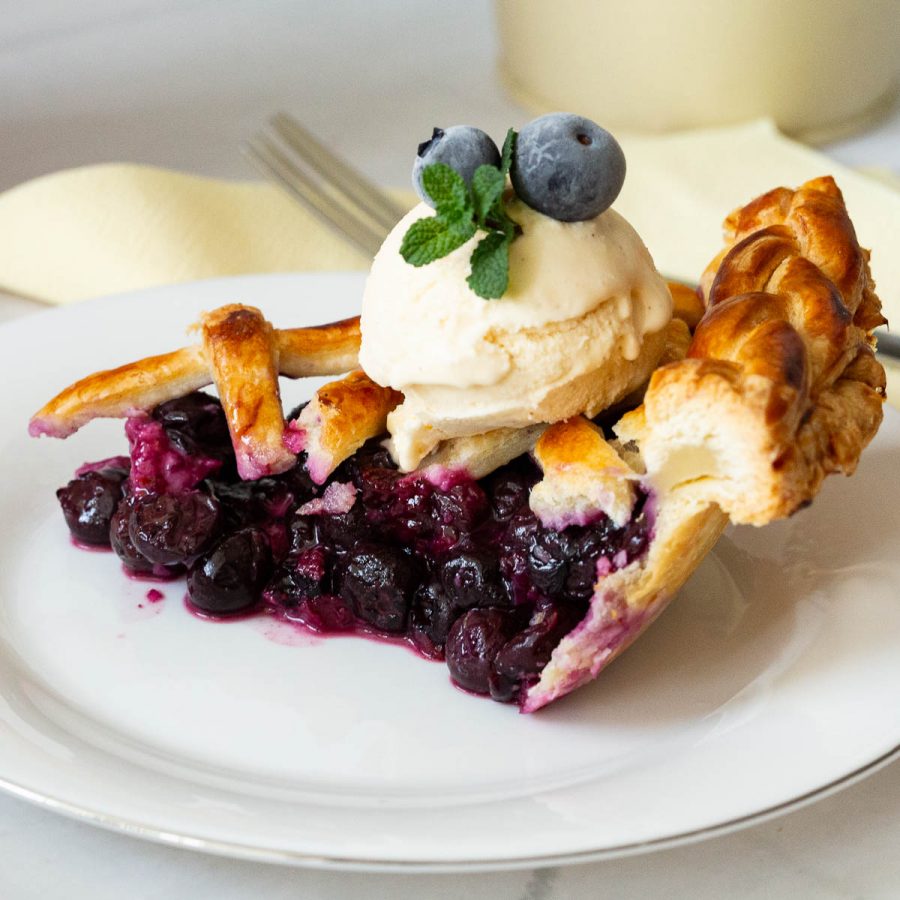

How to prevent your pastry crust from shrinking?
Nothing is worse than finding your tart has shrunk after baking. Here are a few tips that might help.
- Do not overwork the dough. Remember, flour has gluten, and if you overwork the dough, you will activate the gluten. You cannot entirely omit the formation of gluten, but you can control it by handling it carefully so it does not contract in the heat of the oven.
- Never add too much water to the dough. Keep it flaky by adding only enough water to bring it together. This is harder in the beginning, but gather the dough lightly and use a cling/plastic wrap to help form a disc.
- Let the dough rest before rolling and before baking. This will help the dough relax, so it is easier to roll and helps the butter chill. As a result, it doesn’t melt as quickly when baking.
- Bake at a higher temperature. This will melt the butter while cooking the dough instantly.
What pan do you use for pies, tarts, and quiches?
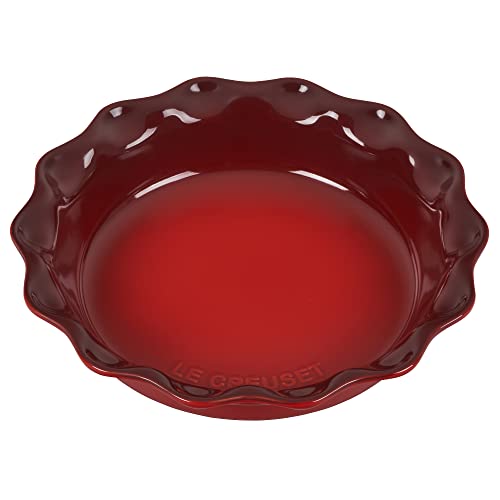
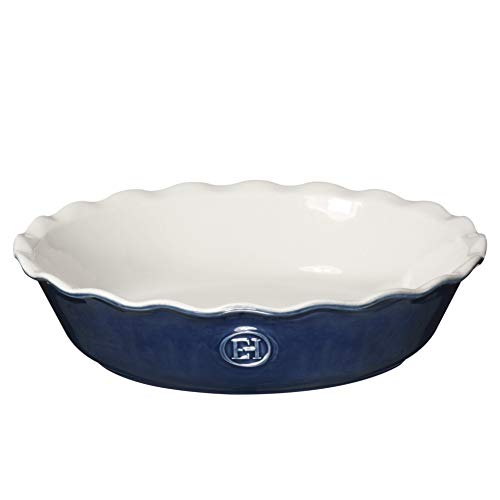
You can make a tart in a tart pan. You can make pies and quiche in a pie pan or tart pan with a removable bottom. Most of my pies are made in tart pans. The advantage of the tart pan with a removable bottom is that you can take it to friends and family.
And yet, when I make a quiche or pie at home, I like to use my stoneware pie pan. The advantage of stoneware is that it gives a lovely crisp crust that does not get soggy as it cools down. And, the quiche or pie also stays warm longer.
For example, here you see two pecan pies. I made the classic pecan pie in a pie pan for the home. I made my favorite pecan pie in a tart pan so I could take it with me for dinner over at my family’s.
5. Low-fat pie crust
There are several disadvantages to making a low-fat pie crust:
- Texture: A low-fat pie crust may have a slightly different texture compared to a traditional pie crust. The reduced fat content can result in a crust that is less flaky and more dense.
- Flavor: Fat contributes to the flavor of a pie crust, so reducing the fat content can affect the overall taste. A low-fat crust may be less rich and buttery.
- Binding: Fat helps to bind the ingredients together and create a cohesive dough. With less fat, the dough may be slightly more challenging to work with and may not hold together as well.
- Browning: Fat aids in browning, so a low-fat crust may not achieve the same golden color as a traditional crust.
Personally, I prefer to make a crustless tart or pie, such as my crustless Swiss chard quiche and crustless kale artichoke ricotta quiche. However, if you still need to make a low-fat pie crust for any reason, here’s a recipe you may like to use.
Ingredients:
- 1 1/4 cups all-purpose flour
- 1/4 teaspoon salt
- 1/4 cup cold unsalted butter, cut into small pieces
- 1/4 cup plain Greek yogurt
- 2-4 tablespoons ice water
Instructions:
- In a mixing bowl, combine the flour and salt.
- Add the cold butter to the bowl and use a pastry cutter or your fingers to cut the butter into the flour until the mixture resembles coarse crumbs.
- Add the Greek yogurt to the bowl and mix until the dough starts to come together.
- Gradually add ice water, one tablespoon at a time, and mix until the dough forms a ball. Be careful not to add too much water, as the dough should be slightly crumbly but hold together when pressed.
- Shape the dough into a disc, wrap it in plastic wrap, and refrigerate for at least 30 minutes before using.
Frequently asked questions
Well, a pie can be sweet or savory with a crust and filling. A tart can also be sweet or savory, but it has shallow sides and only has a bottom, not a top crust. You make a tart with pastry dough while you make a pie with pie crust.
Tart can be savory or sweet, whereas a quiche is always savory. Also, you make quiche with pie crust while you make a tart with pastry dough.
There are many types of pastry dough: flaky pastry, shortcrust pastry, puff pastry, filo pastry, choux pastry, and Danish pastry.
Pastry is a product made using one of the pastry doughs, while Patisserie is a French word for pastry shop.
Usually, a low-protein flour works best for pastry. But, all-purpose works great as well. Most of my recipes are tested with all-purpose flour because it is easily available everywhere.
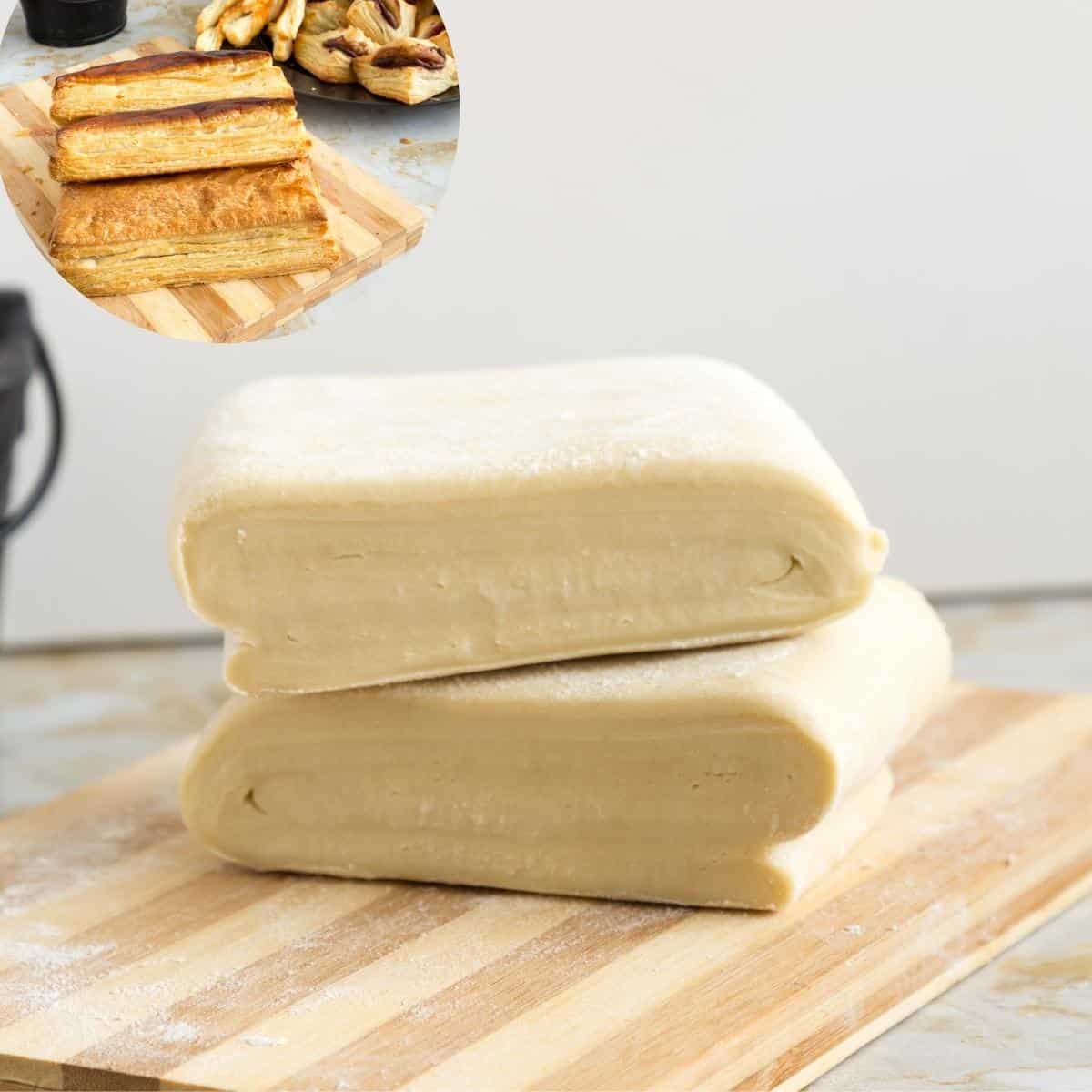
Easy Puff Pastry Recipe from Scratch ((Traditional Pâte Feuilletée)
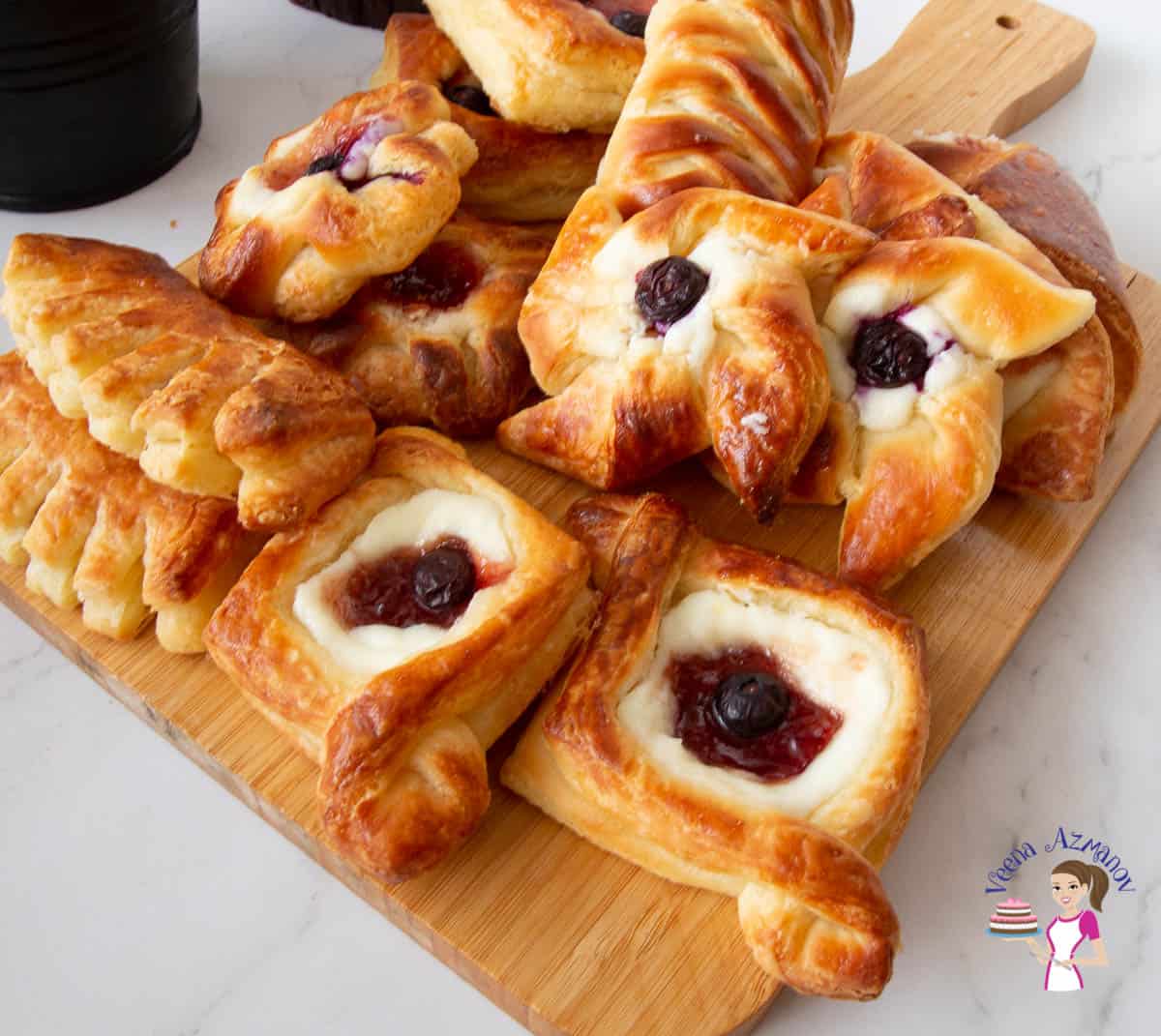
Danish Pastry
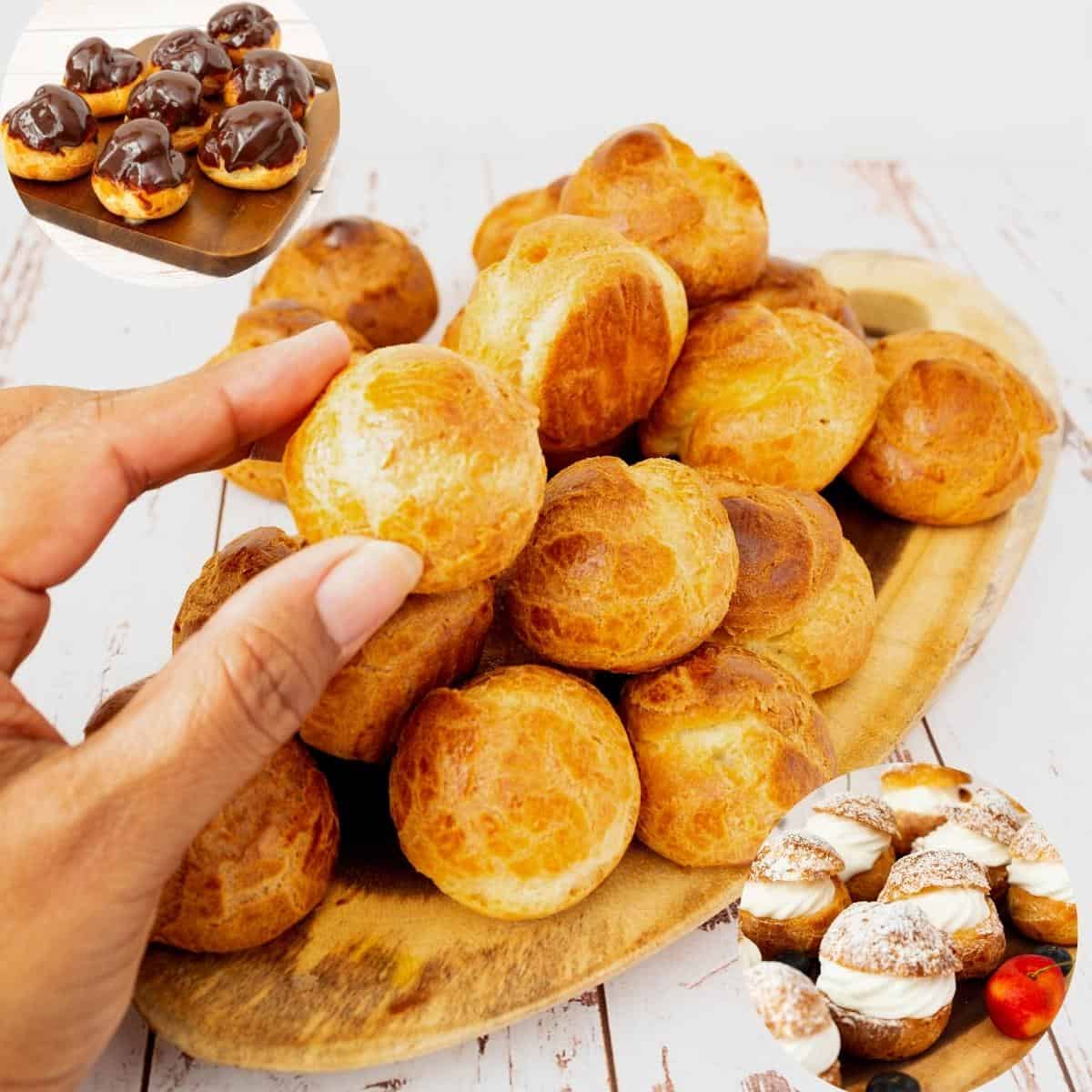
Choux Pastry (Pâte à Choux)
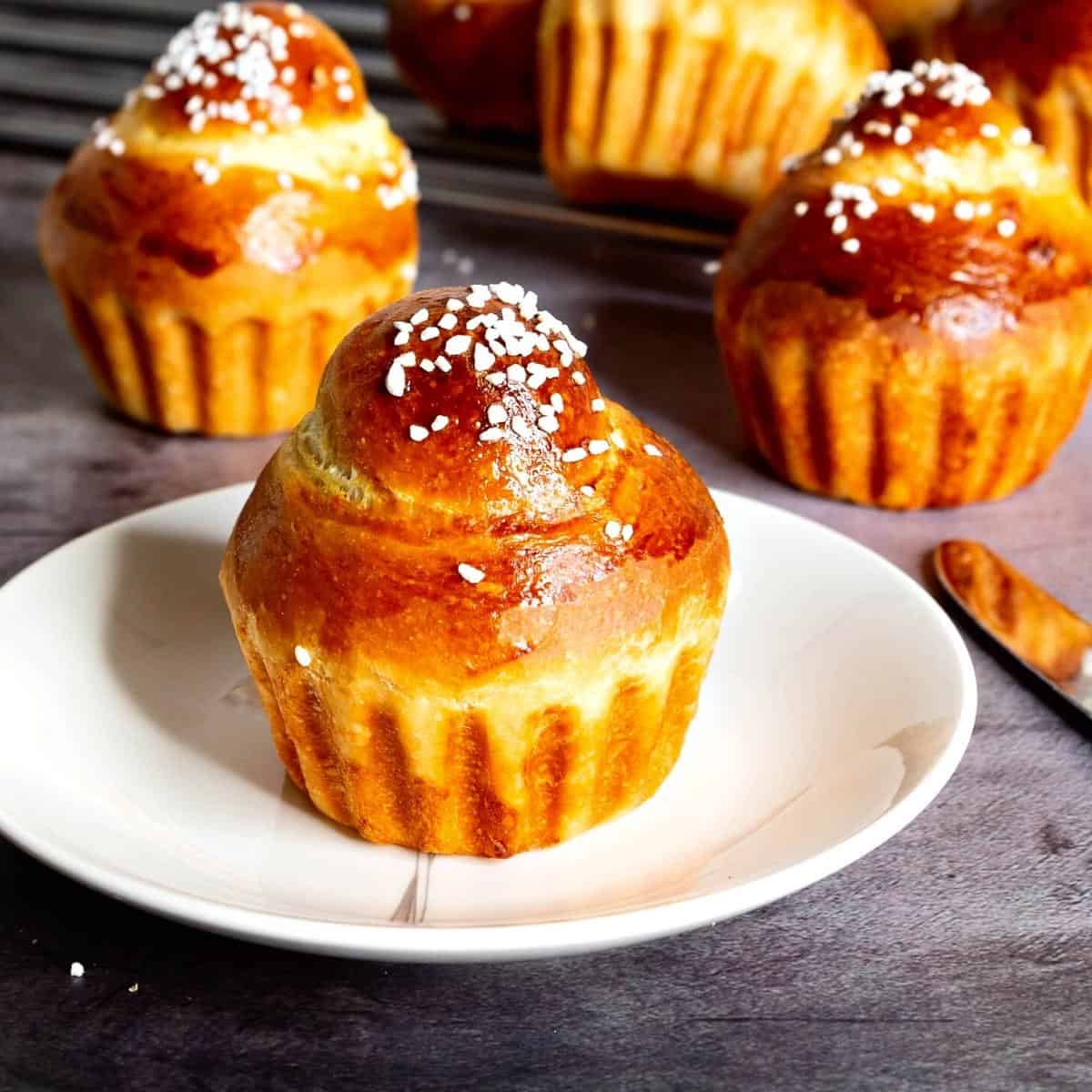
Recipe for Brioche
Don’t lose this recipe! Save it for Later!
📌 Save this Recipe for later on Pinterest so you can easily find it again.
⭐ Add Veena Azmanov Kitchen to your Google Preferred Sources.
It helps Google show you more of our recipes.
📧 Subscribe for new recipes delivered to your inbox.
🎥 Follow us for more recipes

Hi, I’m Veena
I’m the recipe developer, baker, and food photographer behind Veena Azmanov Kitchen.
I’ve spent years developing and testing recipes, from everyday meals and homemade breads to cakes and desserts.
I share the practical tips and little details I’ve learned along the way so you can get great results in your own kitchen.


“Pastry Class Day 7 DONE”
Done
Pastry day5 done
Unfortunately, this does not explain the pastry thing. You need to compare to short crust, hot water crust, pate Foncer, etc and others and bring it together in a full explanation.