

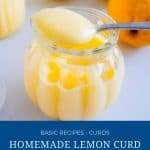
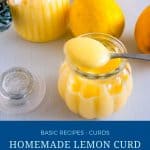
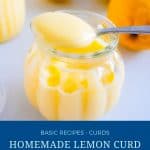
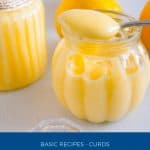
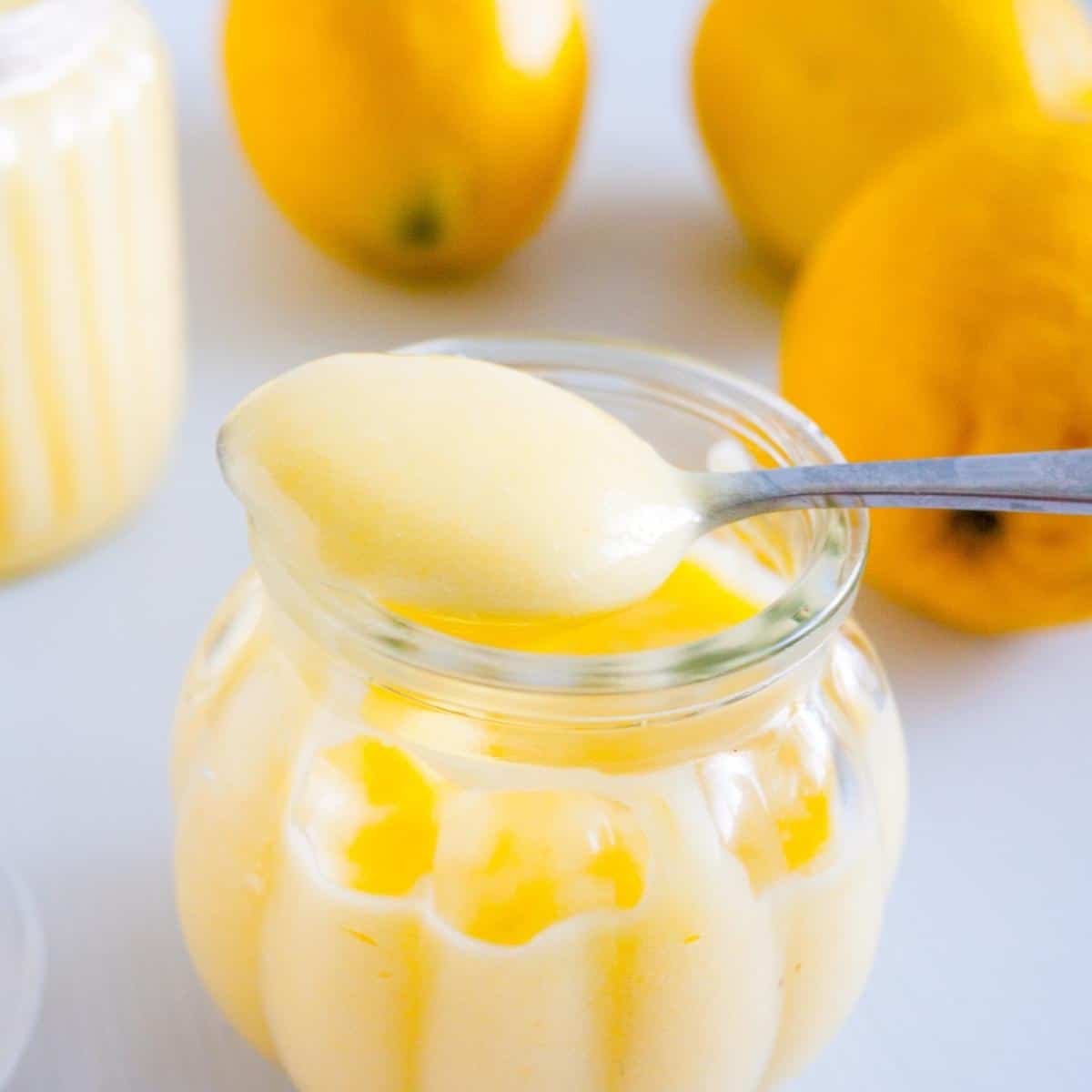
This homemade lemon curd is smooth, creamy, and bursting with fresh lemon flavor. Made with fresh lemon juice and zest, it has just the right balance of sweet and tangy, with a rich, silky texture that thickens beautifully as it chills.
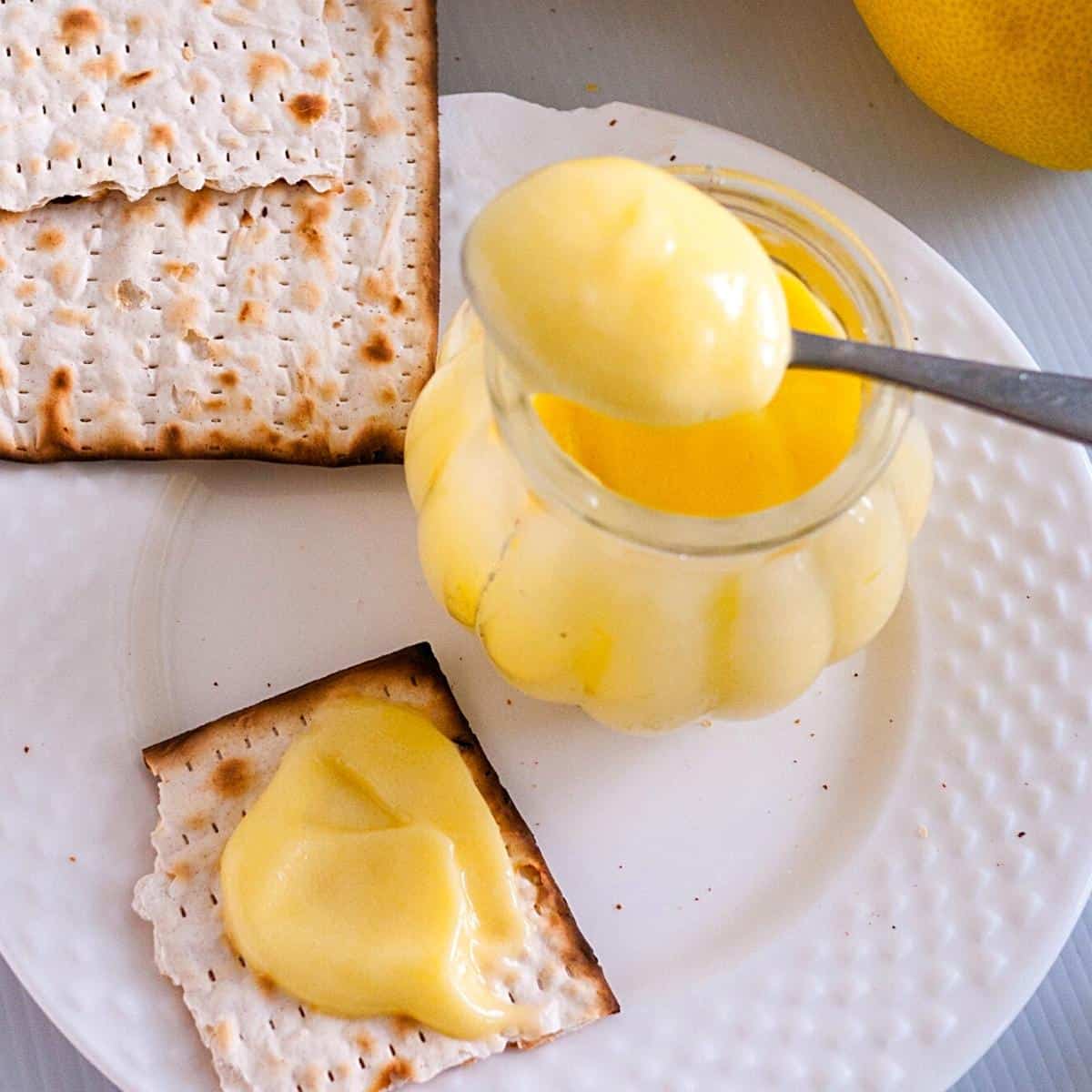
It’s simple to make on the stovetop and incredibly versatile. Spread it over scones or toast, spoon it over pancakes and waffles, or use it on desserts from cakes, cupcakes, pies, tarts, macarons, ice creams, and more.
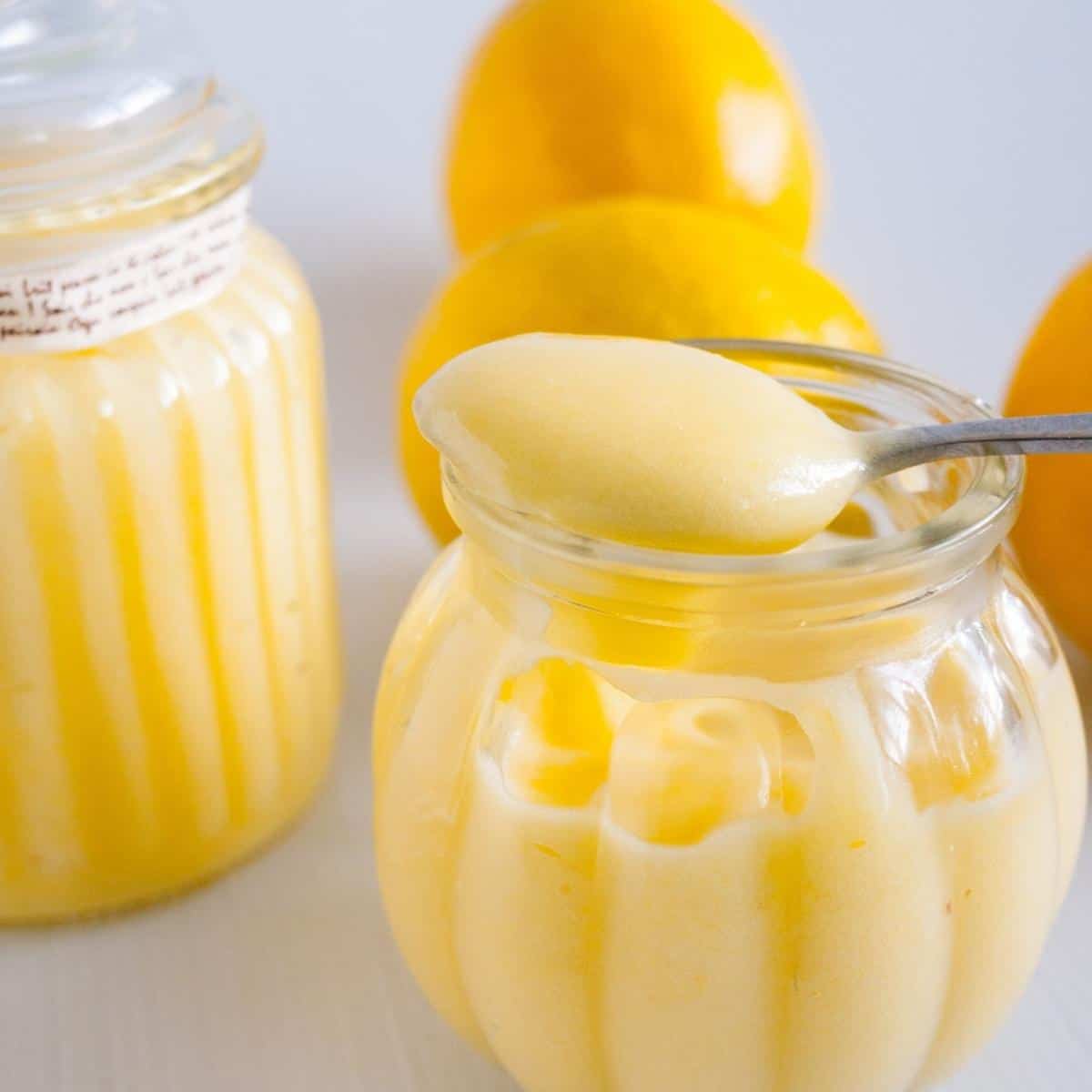
Lemon curd has always been one of my favorite things. Growing up, my mom made it at home, and it was so good that I’d eat it straight from the jar with a spoon — completely unfazed by how tart it was. My mom and sister would cringe watching me go at it like it was pudding, but I loved that sharp, citrusy zing.
Years later, when I was pregnant with both of my kids, I completely went off chocolate (yep, even chocolate cake!), but my lemon cravings kicked into high gear. I’d be on the hunt for any lemon dessert I could find, and I’d always grab a jar of lemon curd at the shop — the tangier, the better. In particular, lemon macarons with lemon buttercream and, of course, lemon cakes.
That’s when I really started playing around with my own lemon curd recipe. It had to be bold, bright, and zingy — just like the one I remembered from home, only better. Now, it’s my go-to for everything from pavlova to pancakes… and yes, I still eat it straight from the jar.
Why You’ll Love This Lemon Curd Recipe
- Bright, fresh lemon flavor – Made with real lemons for that perfect balance of sweet and tangy.
- Smooth and creamy – Rich, silky, and beautifully spreadable without being overly thick or heavy.
- Quick and easy to make – Homemade lemon curd comes together with just a few simple ingredients on the stovetop.
- So many ways to use it – Perfect for tarts, cakes, cupcakes, cookies, scones, pancakes, or simply spread on toast.
Ingredients and substitutes
- Lemons – You can use lime juice for a different citrus flavor or orange or grapefruit juice for a milder or sweeter curd. Bottled lemon juice can be used, but fresh juice is only thing to use for the best flavor.
- Sugar provides sweetness and balances the tartness of the lemon juice. It also helps thicken the curd by combining it with the egg yolks and eggs.
- Cornstarch – Acts as a thickening agent, ensuring the curd reaches the desired consistency. You can also use arrowroot powder or tapioca starch in equal amounts. All-purpose flour though not recommended can be used, but it may give a slightly different texture and flavor.
- Lemon zest adds intense lemon flavor and aroma. The essential oils in the zest enhance the overall taste. You can use lime, orange, or grapefruit zest for a different citrus profile. Lemon extract can be used, but start with a small amount and adjust to taste.
- A combination of egg yolks and whole eggs works best for taste and texture. Egg Yolks contribute to the rich, creamy texture and help thicken the curd. They add a silky mouthfeel and enhance the color. Whole eggs give a slightly different texture. You can use one whole egg as a substitute for 2 egg yolks.

Step-by-step: No-fail lemon curd recipe
- Prepare Ingredients: Zest the lemons and then juice them to get the required amount of lemon juice. Set aside. Cut the butter into small pieces and keep it in the refrigerator until needed.
Pro tip – Microwave lemons for 10 seconds before cutting and squeezing; this makes juicing easier and yields more juice.
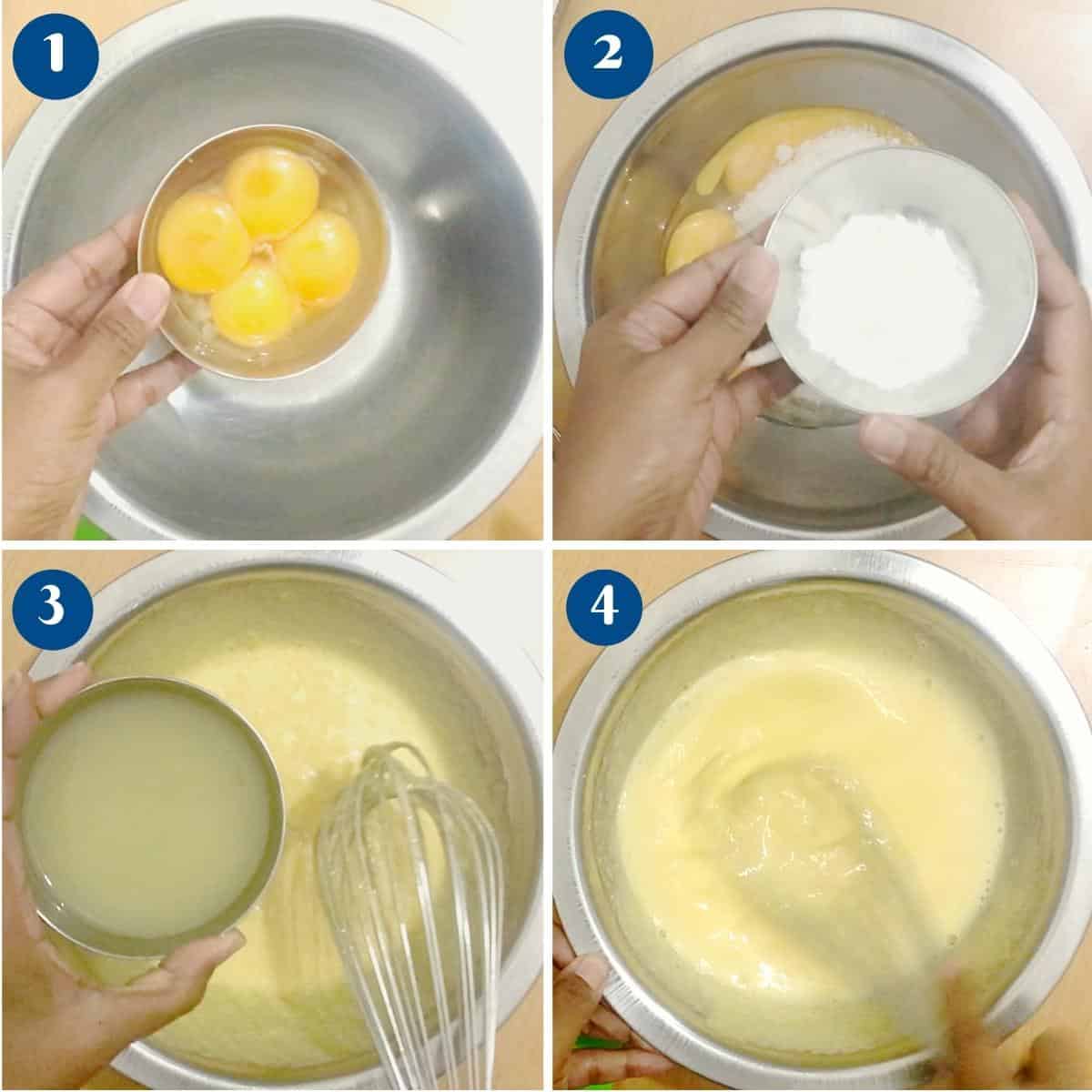
- Egg mixture: In a medium saucepan, whisk together the granulated sugar and cornstarch until well combined. This helps prevent the cornstarch from clumping when liquid is added.
- Add Lemon Juice and Zest: Gradually whisk in the fresh lemon juice and zest until the mixture is smooth and free of lumps.
- Cook the Mixture: Place the saucepan over medium heat and cook the mixture, stirring constantly with a whisk or a heat-resistant spatula. Be sure to scrape the bottom and sides of the pan to prevent the mixture from sticking and curdling.
- Cook Until Thickened: Continue to cook the lemon mixture until it thickens enough to coat the back of a spoon. This should take about 7-10 minutes. The mixture should be smooth and glossy.
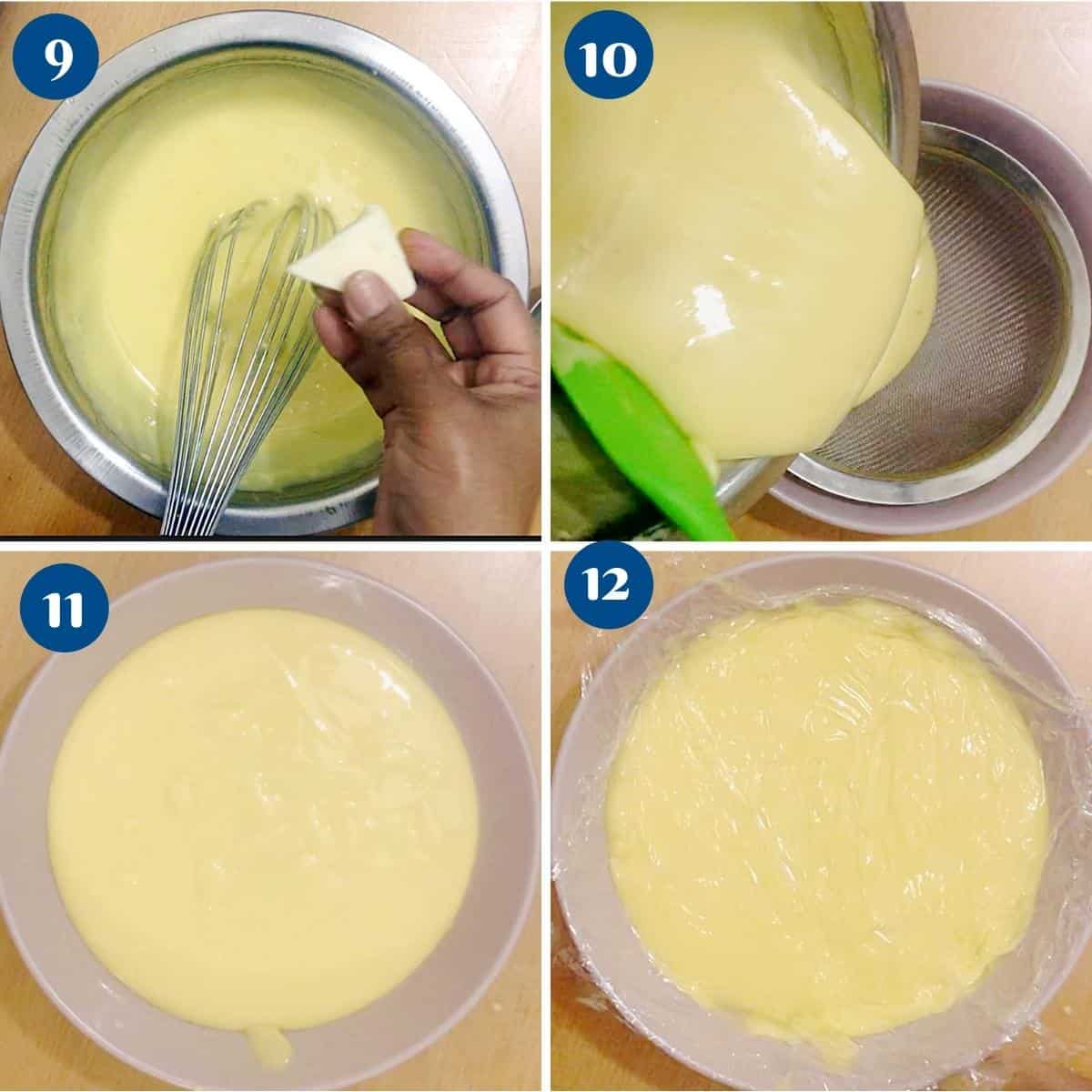
- Add Butter: Remove the saucepan from the heat and immediately add the cold butter pieces, stirring until the butter is completely melted and incorporated into the curd. This will give the lemon curd a rich and silky texture.
- Strain the Curd: For an extra smooth curd, pour the mixture through a fine-mesh sieve into a clean bowl. This will remove any bits of cooked egg or lemon zest that might have clumped together during cooking.
- Cool and Store: Allow the lemon curd to cool to room temperature, then cover it with plastic wrap directly on the surface to prevent a skin from forming. Refrigerate the curd for at least 2 hours before using or until it is fully chilled and set.
Storage/Freezing
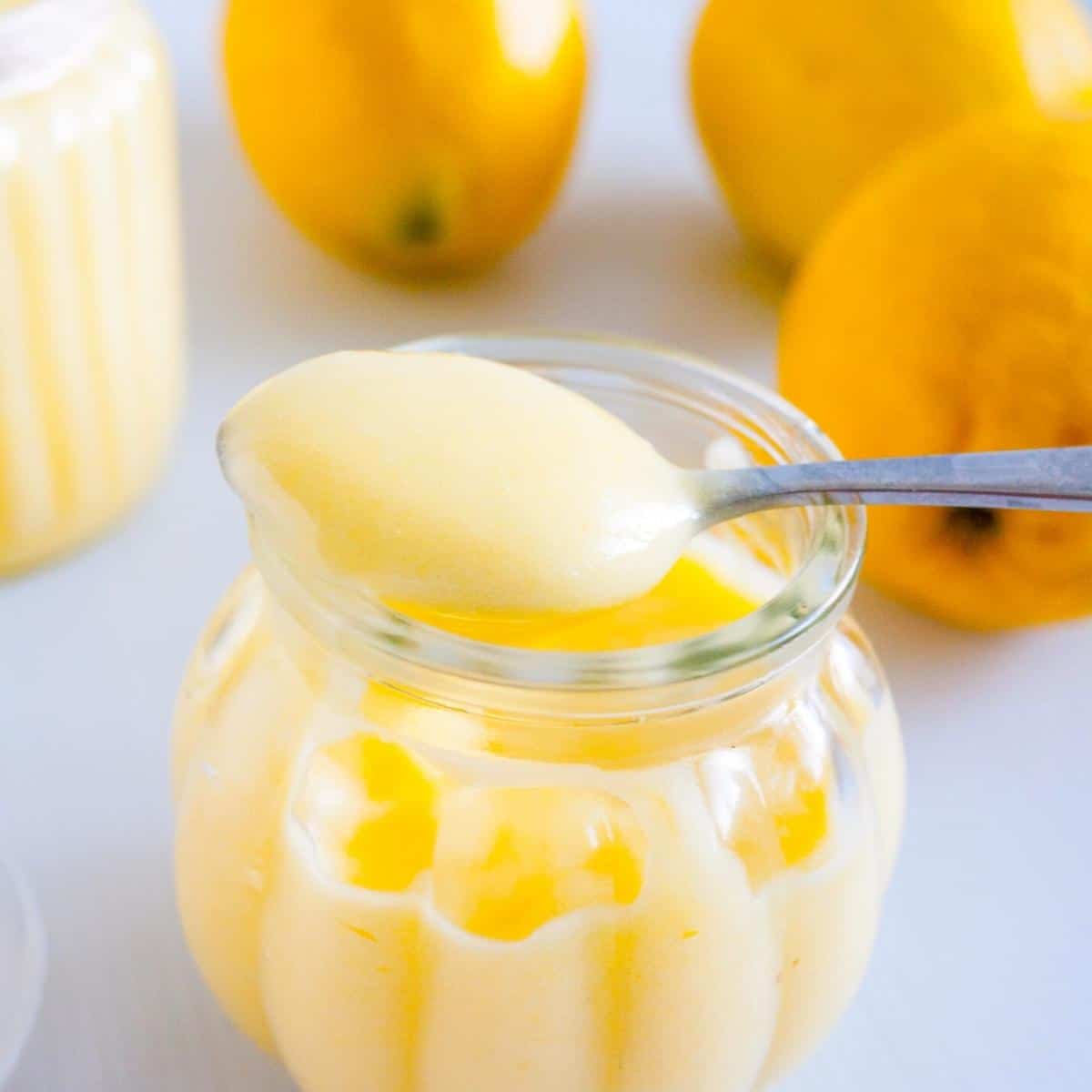
- Store the lemon curd in an airtight container or mason jars in the refrigerator for up to two weeks.
- It can also be frozen for up to three months. Thaw it in the refrigerator overnight before using it.
- Avoid keeping fruit curd or citrus fillings in metal containers, as the acid in lemons can react with the metal. Eggs can also react with metals such as aluminum, causing them to turn green.
How do I use this lemon curd?
- Spread it on breakfast toast, muffins, scones, biscuits, and trumpets.
- Make a lemon cake or lemon cupcakes with lemon curd filling. Add it to buttercream to make lemon buttercream.
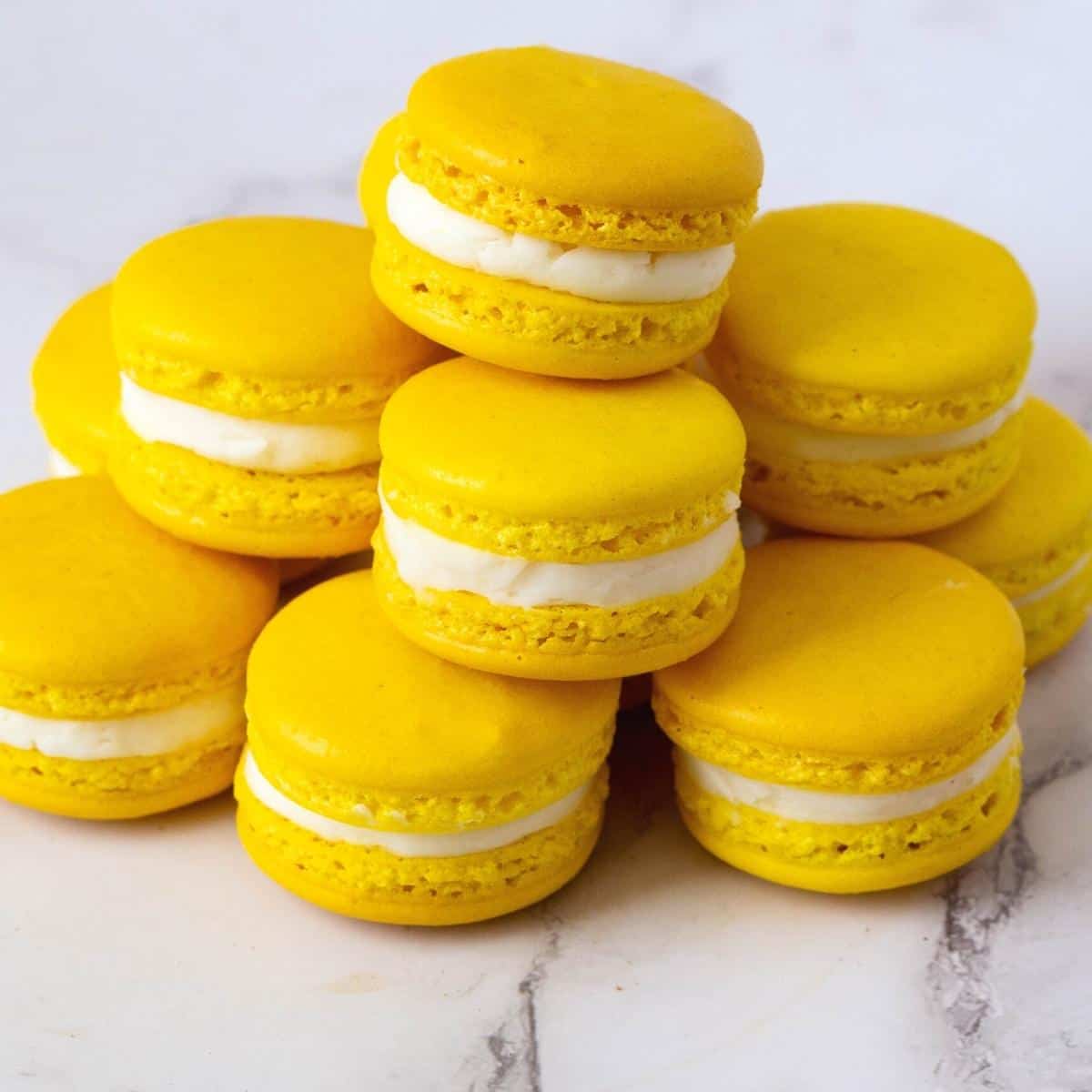
- Use it as a filling in cakes, cupcakes, or macarons
- Combine whipped cream with lemon curd to make a quick lemon mousse.
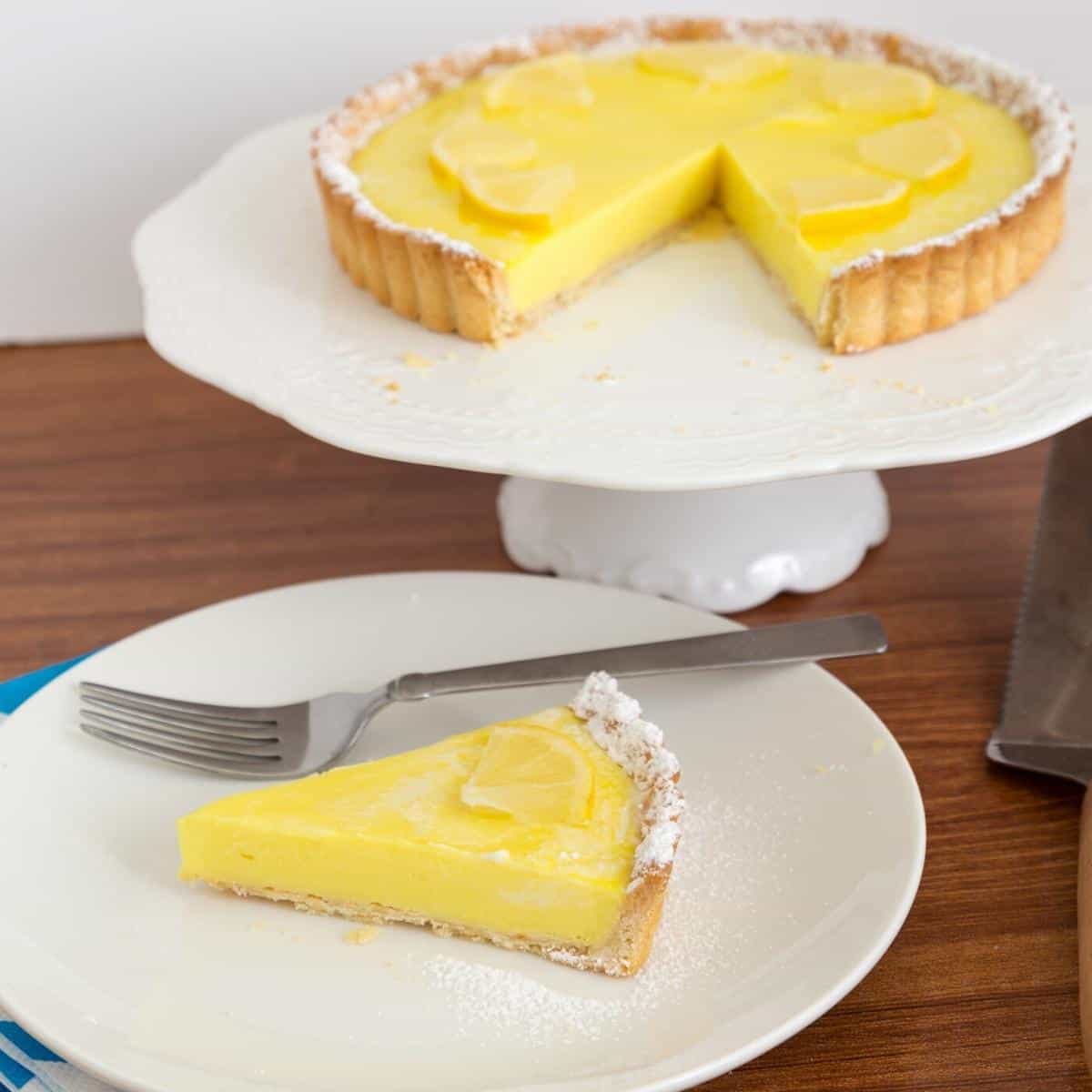
- Add it to empty shortcrust pastry shells for mini lemon tarts.
- Spread it in a pie pan and top it with meringue for a lemon meringue pie.
- Combine with cream cheese for a cream cheese lemon tart
- Use it to make my no-churn lemon ice cream.

How to Make Lemon Curd
Instructions
- Prepare Ingredients: Zest the lemons and then juice them to get the required amount of lemon juice. Set aside. Cut the butter into small pieces and keep it in the refrigerator until needed.
- Egg mixture: In a medium saucepan, whisk together the granulated sugar and cornstarch until well combined. This helps prevent the cornstarch from clumping when liquid is added.4 large Egg yolks , 1 cup Granulated sugar , 2 tbsp Cornstarch, ¼ tsp Salt , 2 large Eggs
- Add Lemon Juice and Zest: Gradually whisk in the fresh lemon juice and zest until the mixture is smooth and free of lumps.1 tbsp Lemon zest , 3/4 cup Lemon Juice
- Cook the Mixture: Place the saucepan over medium heat and cook the mixture, stirring constantly with a whisk or a heat-resistant spatula. Be sure to scrape the bottom and sides of the pan to prevent the mixture from sticking and curdling.
- Cook Until Thickened: Continue to cook the lemon mixture until it thickens enough to coat the back of a spoon. This should take about 7-10 minutes. The mixture should be smooth and glossy.
- Add Butter: Remove the saucepan from the heat and immediately add the cold butter pieces, stirring until the butter is completely melted and incorporated into the curd. This will give the lemon curd a rich and silky texture.1/2 cup Butter
- Strain the Curd: For an extra smooth curd, pour the mixture through a fine-mesh sieve into a clean bowl. This will remove any bits of cooked egg or lemon zest that might have clumped together during cooking.
- Cool and Store: Allow the lemon curd to cool to room temperature, then cover it with plastic wrap directly on the surface to prevent a skin from forming. Refrigerate the curd for at least 2 hours before using or until it is fully chilled and set.
- Storage: Store the lemon curd in an airtight container in the refrigerator for up to two weeks. It can also be frozen for up to three months. Thaw it in the refrigerator overnight before using it.
Video
Notes
- Lemons: Use freshly squeezed lemon juice for the best flavor. Zest the lemons before juicing and avoid grating into the bitter white pith.
- Cornstarch: Whisk the cornstarch thoroughly with the sugar before adding the eggs and lemon juice. This helps prevent lumps.
- Cooking: Cook over medium heat while stirring constantly, scraping the bottom and corners of the saucepan. Don’t increase the heat to make the curd thicken faster.
- Doneness: The lemon curd is ready when it is noticeably thickened, smooth and glossy, and coats the back of a spoon. It will still look softer while warm and will thicken further as it chills.
- Butter: Add the cold butter after removing the curd from the heat. Stir until completely melted and incorporated for a smooth, silky finish.
- Straining: Straining is optional but recommended for an extra-smooth lemon curd, especially if you want to use it for cakes, tarts, or other desserts.
- Chilling: Cover with plastic wrap touching the surface and refrigerate for at least 2 hours before using. For the best consistency, chill completely.
- Storage: Store homemade lemon curd in an airtight container in the refrigerator. For longer storage, freeze it and thaw overnight in the refrigerator before using.


Made this recipe?
I’d love to see how yours turned out! Share a photo on Instagram and tag @veenaazmanov_kitchen or use #veenaazmanovkitchen. And don’t forget to leave a rating and review!
Tips for Success
- Use fresh lemons – Fresh lemon juice and zest give the curd its bright, clean lemon flavor.
- Keep the heat moderate – Medium heat gives the eggs time to thicken without scrambling.
- Stir constantly – Scrape the bottom and corners of the pan as the curd cooks to keep it smooth and prevent scorching.
- Don’t overcook it – Remove the curd from the heat once it is thick enough to coat the back of a spoon. It will thicken more as it cools.
- Strain for a silky finish – A quick pass through a fine-mesh sieve removes the zest and any tiny bits of cooked egg.
more curds and filling recipes
- No-Fail Orange Curd Recipe
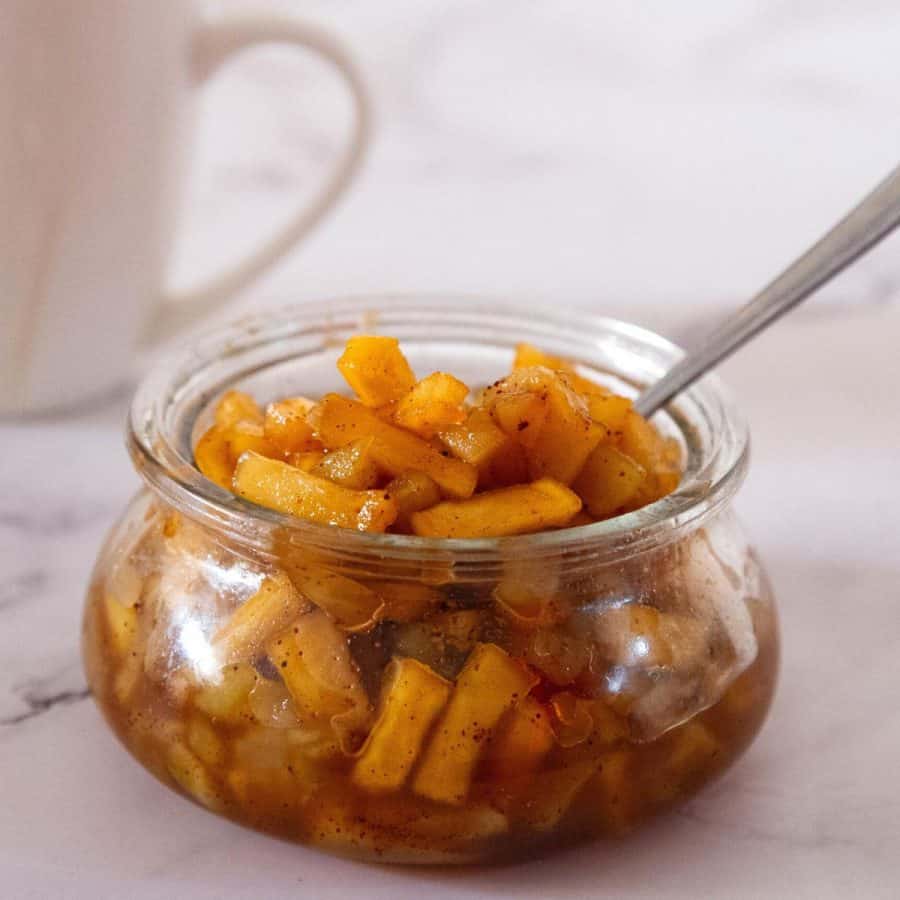
- Fruit fillings – strawberry, raspberry, blackberry, blueberry, cherry,
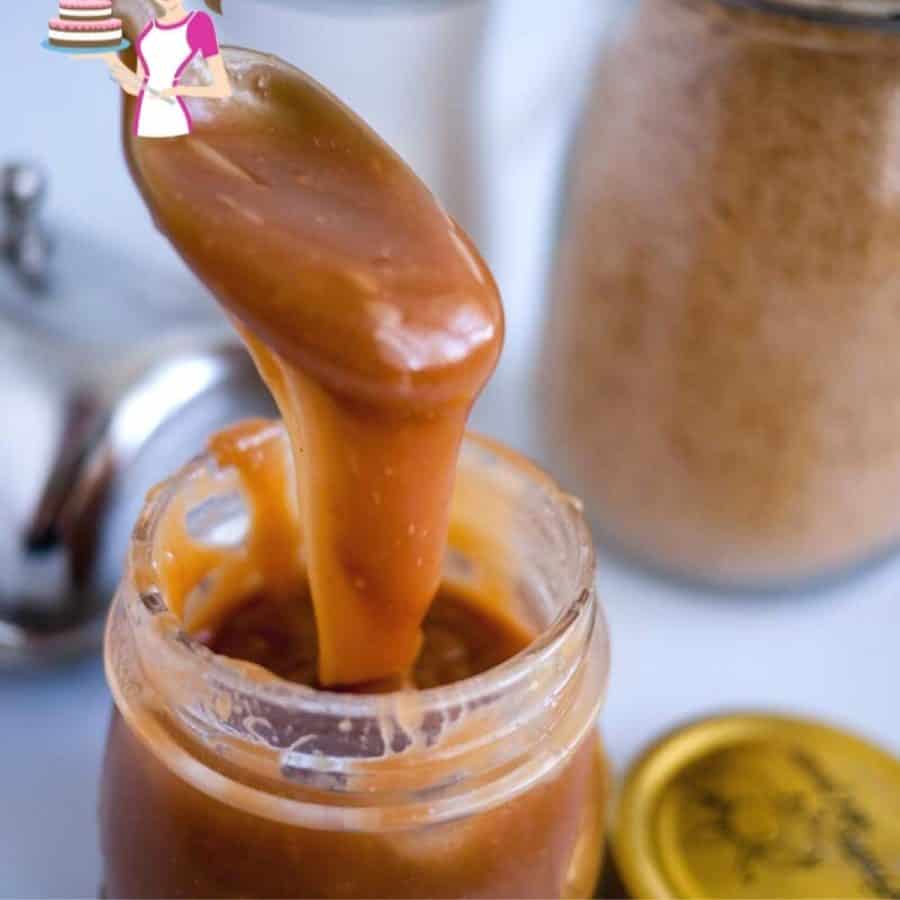
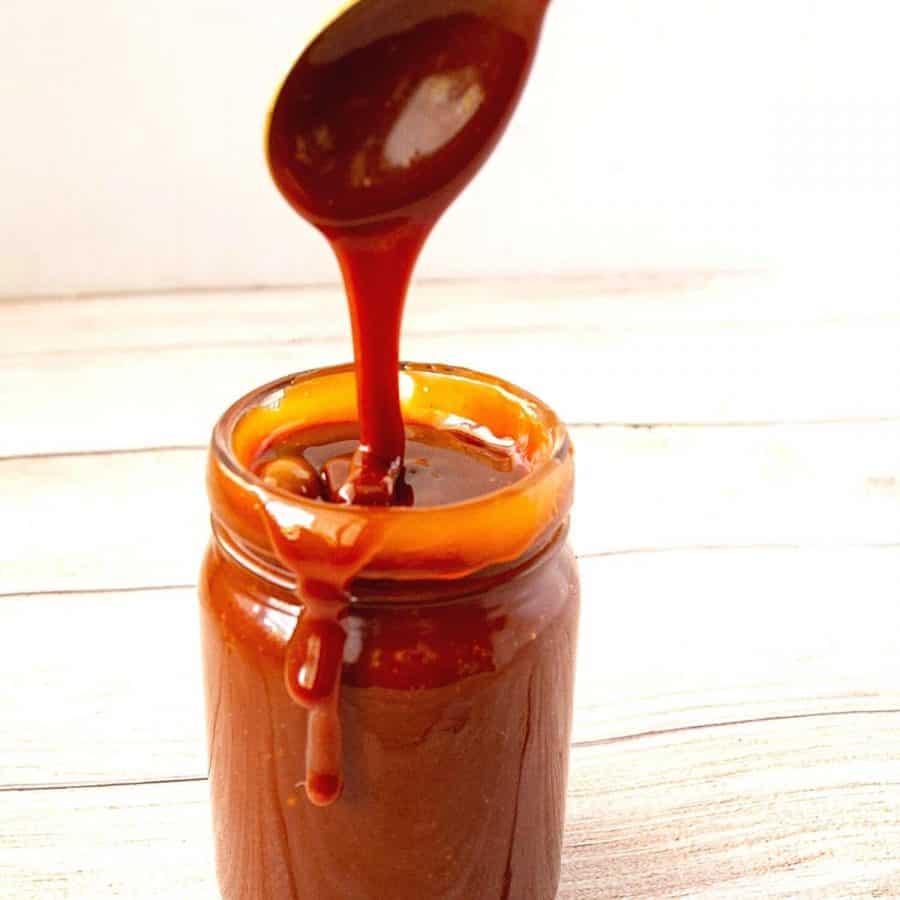
- Sauces – caramel sauce, creamy caramel filling, butterscotch, dulce de leche
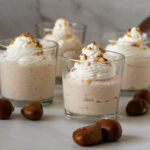
- Mousse – chocolate, strawberry, custard, blackberry, chestnut

Troubleshooting
| Problem | Cause & Fix |
|---|---|
| Curd is too thin | It may need a little longer on the heat. If already cooked, chill it first—it thickens considerably as it cools. |
| Curd is lumpy | The eggs may have cooked too quickly. Keep the heat moderate and stir constantly; strain the finished curd. |
| Curd is too thick | It may have been cooked too long. Remove it as soon as it coats the back of a spoon. |
| Skin forms on top | Press plastic wrap directly onto the surface before chilling. |
Frequently asked questions
If sealed and properly stored, lemon curd can be kept in the fridge for three months. However, once you have opened the jar, do not keep the open jar for more than ten days or a maximum of 2 weeks. The lemon curd on the surface will get slightly darker when exposed to air, but it is not a health concern.
Lemon curd is supposed to be sour, and yet, you can use Meyer lemons that are sweeter than regular lemons. Also, you can substitute some of the lemon juice with orange juice or pineapple juice. Of course, a combination will not be a true lemon curd but still be absolutely delicious.
Yes, you can. Just replace the 1/2 cup sugar with any of the following: 1/4 cup honey, 1/3 cup agave syrup, or 1 tbsp Stevia, or a similar sweetener. Adjust the sweetness according to your taste.
more lemon recipes
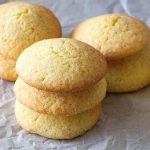
- Lemon Curd Cookies
- The Ultimate Lemon Curd Tart
- Lemon Cheesecake Tartlets
- Lemon Ice Cream • No Churn
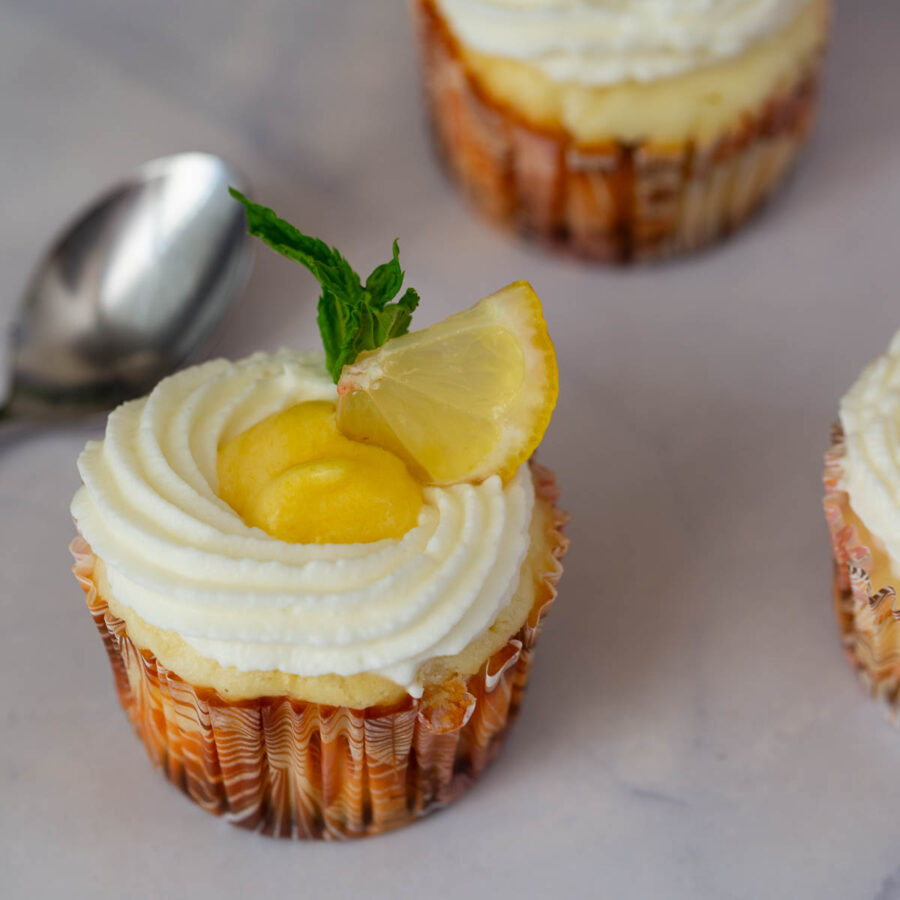
- Baked Mini Lemon Cheesecakes
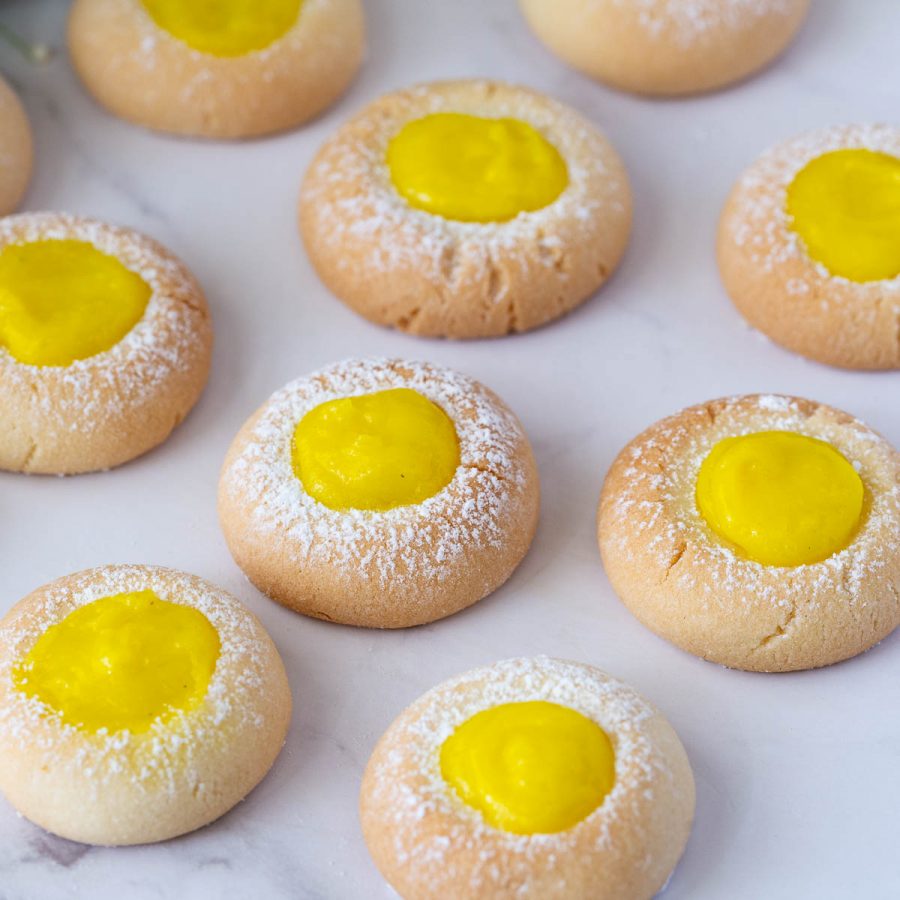
- Lemon Thumbprint Cookies
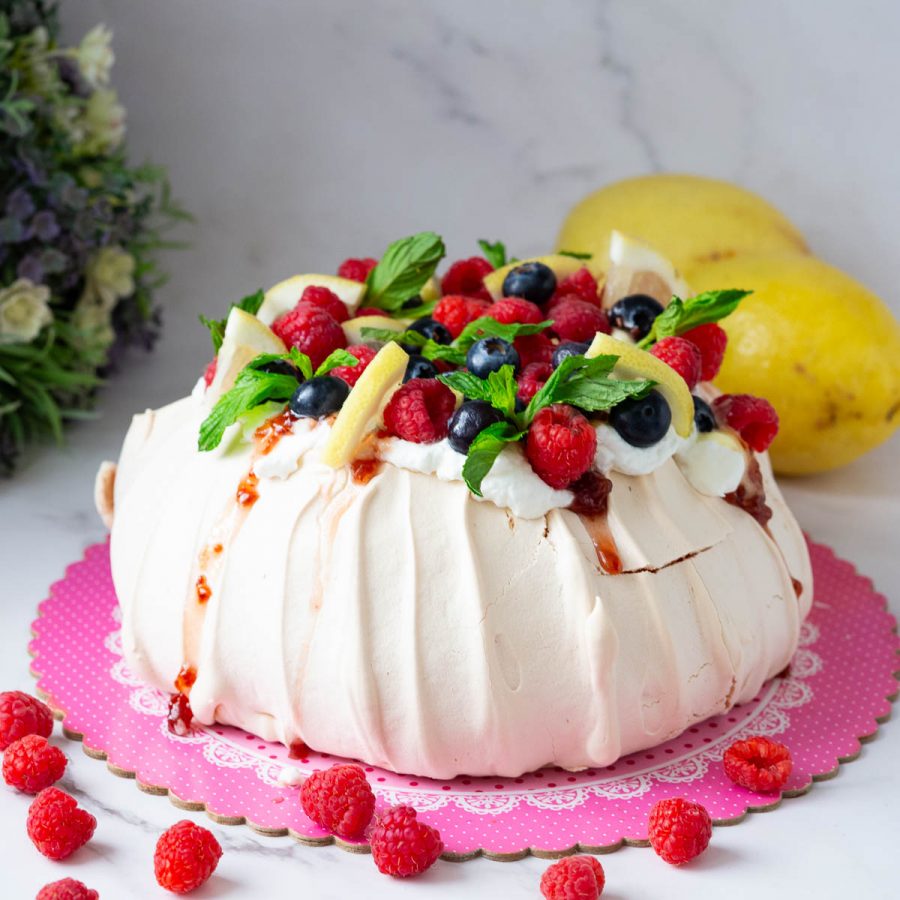
- Raspberry Lemon Pavlova
Don’t lose this recipe! Save it for Later!
📌 Save this Recipe for later on Pinterest so you can easily find it again.
⭐ Add Veena Azmanov Kitchen to your Google Preferred Sources.
It helps Google show you more of our recipes.
📧 Subscribe for new recipes delivered to your inbox.
🎥 Follow us for more recipes


Hi, I’m Veena
I’m the recipe developer, baker, and food photographer behind Veena Azmanov Kitchen.
I’ve spent years developing and testing recipes, from everyday meals and homemade breads to cakes and desserts.
I share the practical tips and little details I’ve learned along the way so you can get great results in your own kitchen.








This is the best recipe if you love lemon curd, like my family does! My grandson requested a lemon cake with vanilla frosting and lemon filling, I used this recipe for the filling. I made a double batch so I also gave them small jars of the curd. The next day my grandson was eating the curd out of the jar and less than a week later he asked me if I could make more.
It also works well to mix with a homemade frosting to make a lemon flavored frosting. So good!
Thank you so much Brandy.. Eating lemon curd out of the jar has been my favorite since I was a kid too. Every time my mom made this, I would not be able to stop. Thanks for the feedback.
Such a good recipe! Never fails for me.
Thank you Elise
WOW! I cannot rave enough about this delicious and creamy lemon curd. I have a Dwarf Meyer Lemon Tree that blessed me with about 30 lemons over these winter months, living in NY and having a lemon tree indoors produce so much fruit is amazing – I could not have chosen a better recipe to put them to use. Here us q helpful tip, this recipe makes 2 cups, if you need 2 cups, you will want to make 3 – this stuff is as awesome as Veena says and eating it right off the spoon is a delectable treat. Thank you Veena fir yet another outstanding recipe.
Thank you so much, Maria. I am always so happy to read your reviews. Thank you for the feedback. I do love this lemon curd so much I avoid making it because I eat too much of it.
I read the recipe and the recipe notes. The recipe calls for 4 egg yolks, but in the notes it mentions that eggs have a tendency to curdle, but the one whole egg tends to stabilize it. So do I replace one of the egg yolks for a whole egg? I am doing a large birthday cake and the client wants this for the filling, so it has to be perfect.
Hey Linda, You can use all egg yolks now too. I did have one whole egg earlier but retested the recipe and the 4 egg yolks work best. I will change the notes. Thanks
I tripled this recipe and gave several small jars of it to friends as Christmas gifts. It was so delicious! Putting it through the sieve resulted in the perfect consistency. It was very easy to make although it took some time to juice and zest nearly 2 dozen lemons for the big batch I made! Well worth the effort! Can’t wait to try the orange curd next!
Thank you, Cindy. I am so happy to hear you enjoyed this recipe. Your friends are very lucky to have such a lovely gift.
Love this recipe. I do find that I have to cook it longer than just getting it to coat the back of a wooden spoon. I haven’t tried taking the temp so might try that next time. This has been a hit each time I’ve taken it with a dessert.
Thank you, Alicia. Yes, the time will depend on the heat you set. So, don’t worry about how long.. but rather the consistency. I am so happy you enjoyed this recipe
Week 2, day 3 done. Thanks.
Hi Veena,
I have cook a few things of your recipes now and they have been fab!!
Question
I cooked the lemon curd until it was thick on the back of the wooden spoon and it didn’t taste eggy, beautiful tart tang, but it was not as thick as it should be, as I want to make your lemon tart.
I am thinking the egg yolks to small?( all I had). Otherwise it is great! Should I make another batch for your tart? or add corn starch to existing batch when making tart.
thanks
Deb
Hey Deborah. Did you make the lemon curd using this recipe or the one mentioned under the lemon tart?
If you see the recipe I gave in the lemon tart it is this recipe but it also has an additional 1 tbsp of cornstarch exactly for the purpose of making it thicker. That way it will set better when cooled.
If you like lemon curd I highly recommend making another batch for the tart and cooking it until its thicker.
Alternatively, you can use this, then freeze the tart for 10 minutes before you serve it (only 10 minutes) this helps firm the filling a bit but does not freeze it. No the best solution but one that I have used before in emergencies.
I hoope this helps.
Hi Veena,
Thank you for replying so quick, no I thought when I read I could use it in cake and pie fillings, it would be okay. Well this batch turned out right then, great ! will have a look at your other recipes to see where I might be able to use this batch. Will have another go for the tart.
Love your recipes and the amount of tips and help you give, awesome lady.
Deb
Thank you so much Deborah.
Hello, can I use blood oranges and keep all the measurements the same? I have Meyer lemons and blood oranges that I need to use. Also the butter says 113gms or ½ stick. That’s actually 1 stick of butter here at my house. Thanks.
Hey Bea. Thank you, Yes, you can use blood oranges, lemons, lime. Try one or a combination of them if you like as well. Yes, that should be 1 stick. Thanks for bringing it to my attention. Just fixed it.