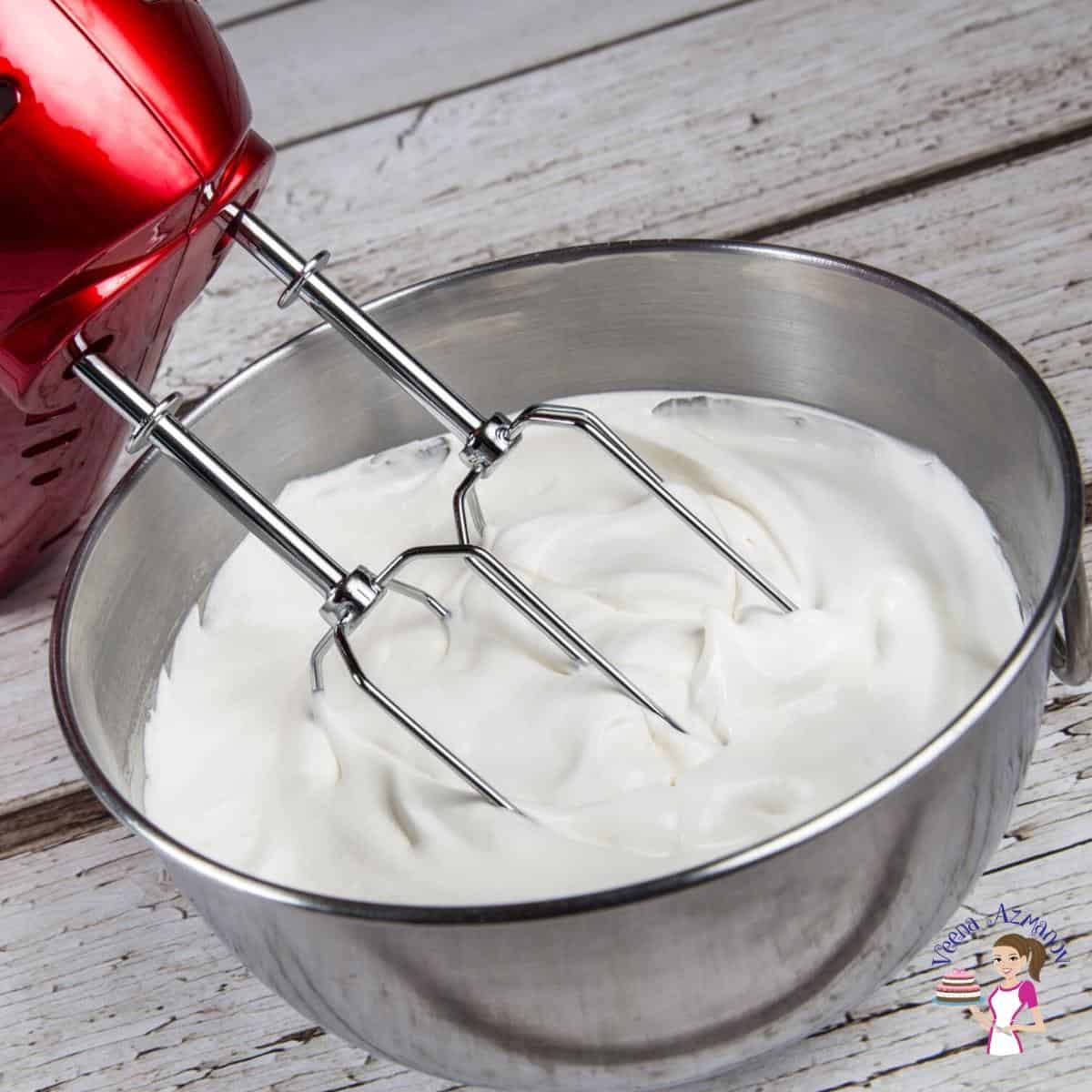



Did you know there are over 10 different types of cream used by chefs and bakers around the world? From light, pourable single cream to rich, luxurious clotted cream, each one has its own unique fat content, texture, and purpose. Choosing the right type of cream can make or break a dish—whether you’re whipping it into soft peaks, stirring it into a sauce, or layering it in your favorite dessert.
In this guide, we’ll break down the most common types of cream (and a few lesser-known ones), so you’ll never have to wonder which one to grab at the store again.
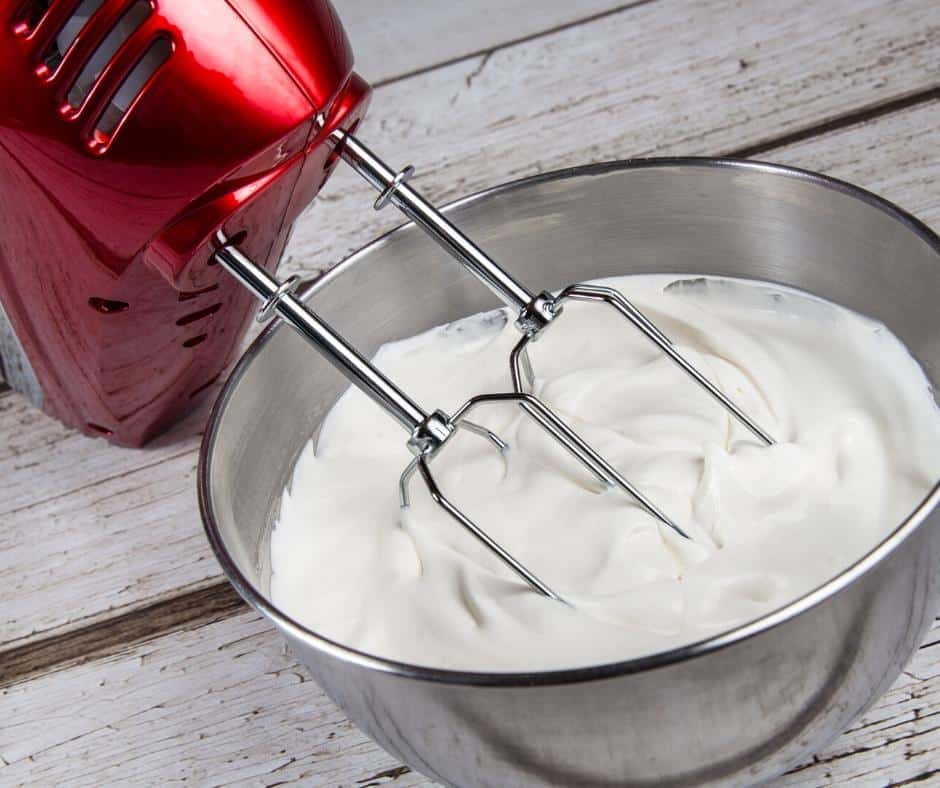
Growing up, I didn’t know there were different types of cream—single cream, double cream, heavy cream, or whipping cream… those terms didn’t exist in our kitchen. In fact, we didn’t buy cream at all. We made it—the old-fashioned way.
Every morning, we’d get fresh milk—straight from the dairy, still warm in glass bottles. My mom would pour it into a big pot, bring it to a gentle boil, then let it cool completely. As it sat, a thick layer would form on the surface. That was cream. She’d carefully scoop it off with a spoon and save it in a clean container she kept just for that purpose.
But here’s what I found so fascinating later in life: she didn’t just collect cream once. If she reheated the milk and cooled it again, a second layer of cream would float to the top—thinner, lighter, not as rich. She always kept the two creams separate, and at the time I didn’t think much of it. But now I get it.
The first scoop? That was her version of double cream—super thick, high in fat, perfect for making her legendary desserts. She’d use it for sweets, creamy puddings, or sometimes even churn it into butter. The second layer? That was more like single cream—lighter, and better suited for stirring into curries, gravies, or chai.
Today, when I walk into a store and see shelves full of cream—clotted, heavy, light, whipping, half and half—I smile. I think of my mom and her careful spoon, saving every bit of cream by hand, without a label or a fat percentage in sight. And you know what? Her system worked beautifully.
How is cream made?
Cream comes from milk—it’s the rich, fatty part that naturally rises to the top. Here’s how it’s made:
- Milk is collected from cows (or goats, sheep, etc.) and stored in clean containers.
- Separation:
- If left to sit, raw milk separates on its own—cream floats to the top.
- In commercial production, machines called centrifuges spin the milk fast to separate the cream quickly and efficiently.
- Pasteurization: The cream is heated briefly to kill any harmful bacteria and make it safe to eat.
- Homogenization (optional): Some cream is homogenized so it stays smooth and doesn’t separate over time.
- Packaging: The cream is cooled and packed into bottles or cartons, ready to go!
Different creams (like heavy cream, whipping cream, or light cream) just have different fat levels. That’s really the only big difference!

Types of creams used in baking
In cooking, various types of cream are used to add richness, smoothness, and flavor to dishes. Here are some common types of cream used in cooking:
- Heavy Cream: Also known as double cream or whipping cream, heavy cream has a high fat content (usually around 36%-40%). It is used in savory dishes like creamy soups, sauces, and gratins, as well as in desserts like custards, ice creams, and ganaches.
- Light Cream: Light cream has a lower fat content compared to heavy cream (around 18%-30%). It is often used in coffee or tea, as well as in recipes that require a slightly lighter texture and flavor, such as sauces and soups.
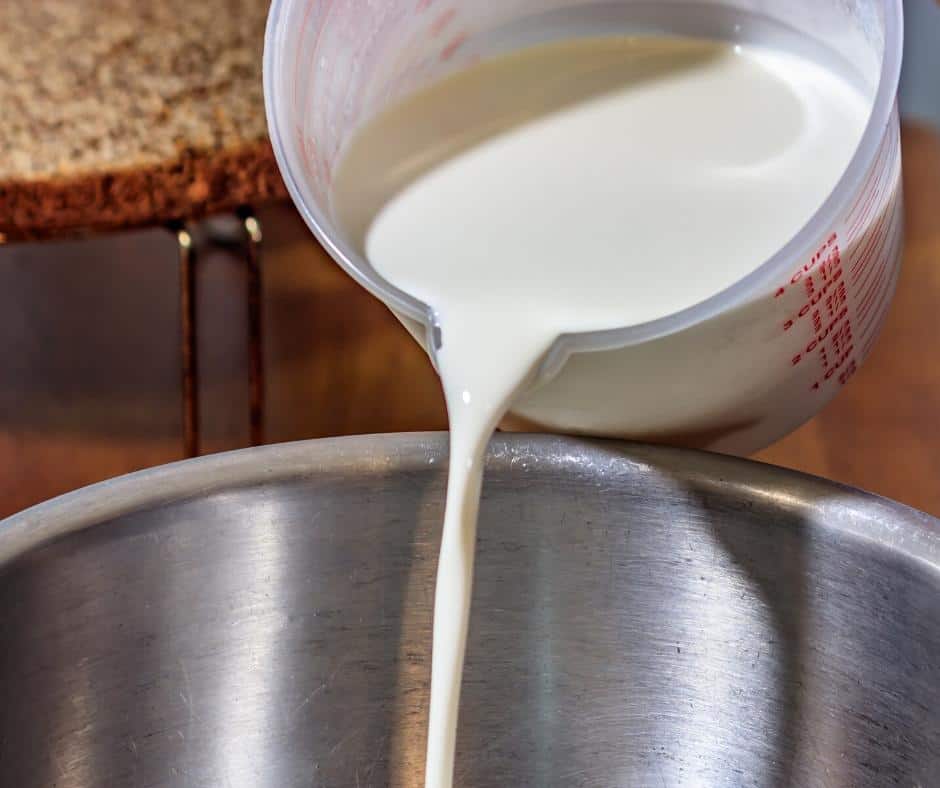
- Half-and-Half: Half-and-half is a mixture of equal parts whole milk and light cream. It typically contains around 10%-12% fat. It is commonly used as a creamer for coffee and tea, as well as in recipes that require a lighter touch, such as creamy pasta sauces and some desserts.
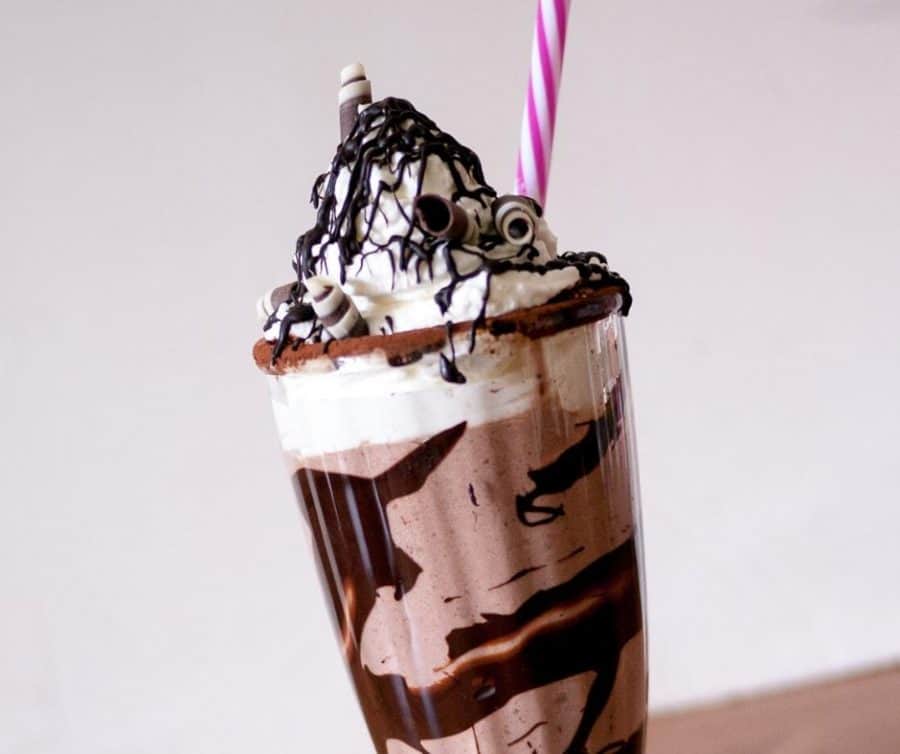
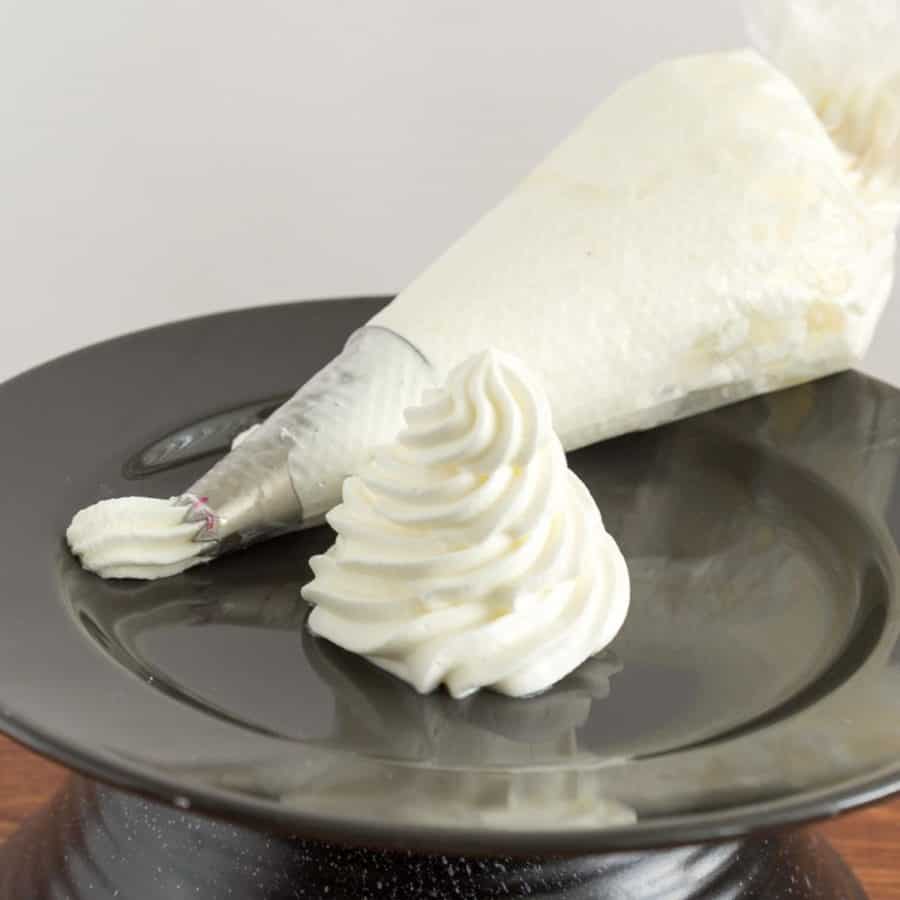
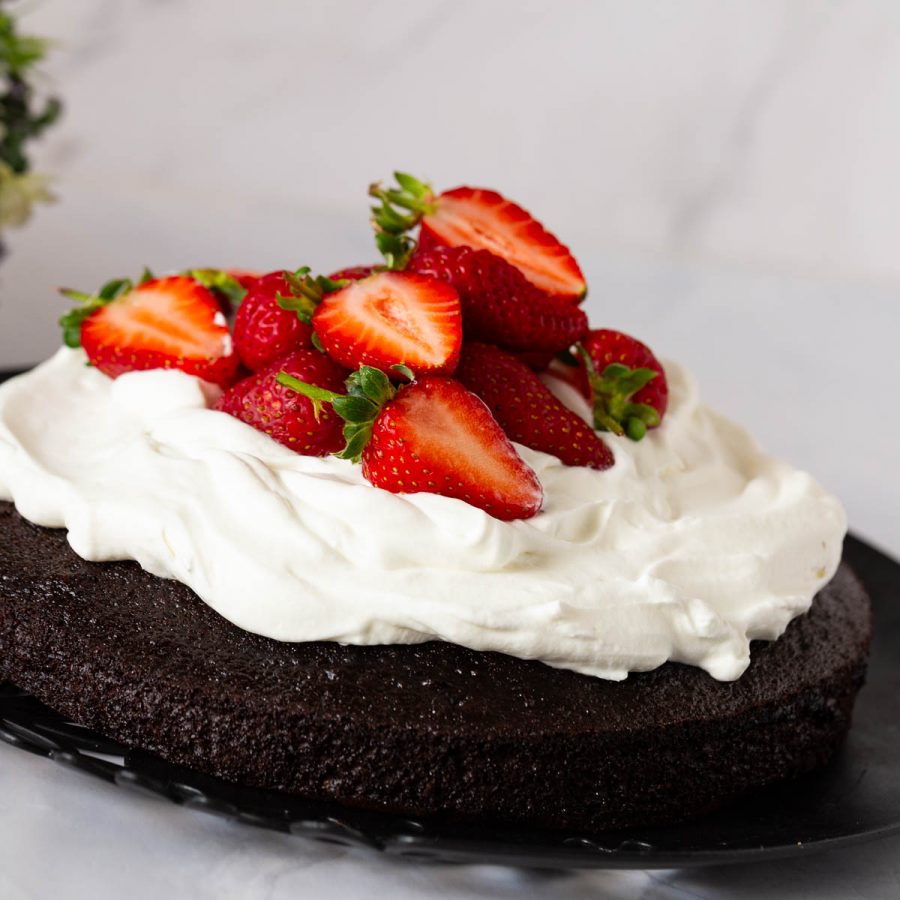
- Whipping Cream: Whipping cream is similar to heavy cream but with a slightly lower fat content (around 30%-36%). It can be whipped to a soft or stiff peak and is commonly used as a topping for desserts, such as pies, cakes, and hot chocolate. You can even stabilize the whipped cream with gelatin to increase its shelf life.

- Sour Cream: Sour cream is made by fermenting regular cream with lactic acid bacteria. It has a tangy flavor and a creamy texture. Sour cream is used in both sweet and savory dishes, including dips, dressings, baked goods, and creamy sauces.
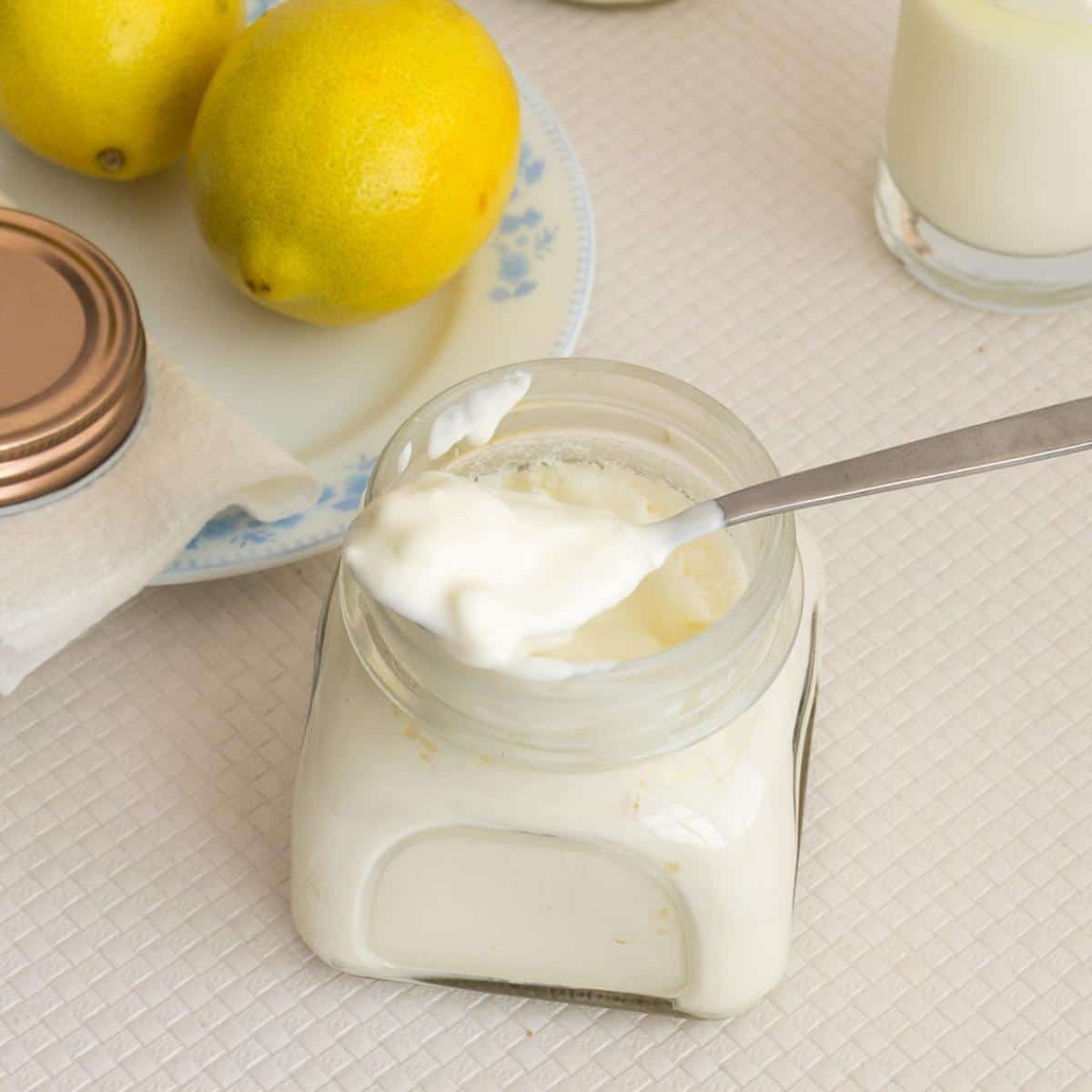
- Crème Fraîche: Crème fraîche is a thick, tangy, and slightly nutty cream that is made by fermenting heavy cream with lactic acid bacteria. It has a higher fat content compared to sour cream (usually around 30%-45%) and is often used as a garnish for soups, sauces, and desserts, or as an ingredient in creamy dishes.
- Clotted cream – This is the thickest and riches also know as Devon or Devonshire with a fat content of 55 to 60%. It’s already so thick it does not need to be whipped before serving and works a treat with fresh fruits, scones. Often used as pouring cream. It should never be used in cooking because it can separate on heating.

- Chantilly cream – Made by folding whipped cream into vanilla pastry cream. This is often used in desserts as filling as well as other decadent and wonderful combinations.
- Long life cream – (UHT) is stabilized cream which is heated at a very high temperature for a short time. Because it has undergone ultra heat to extend its shelf life and usually contains 35% milk fat.
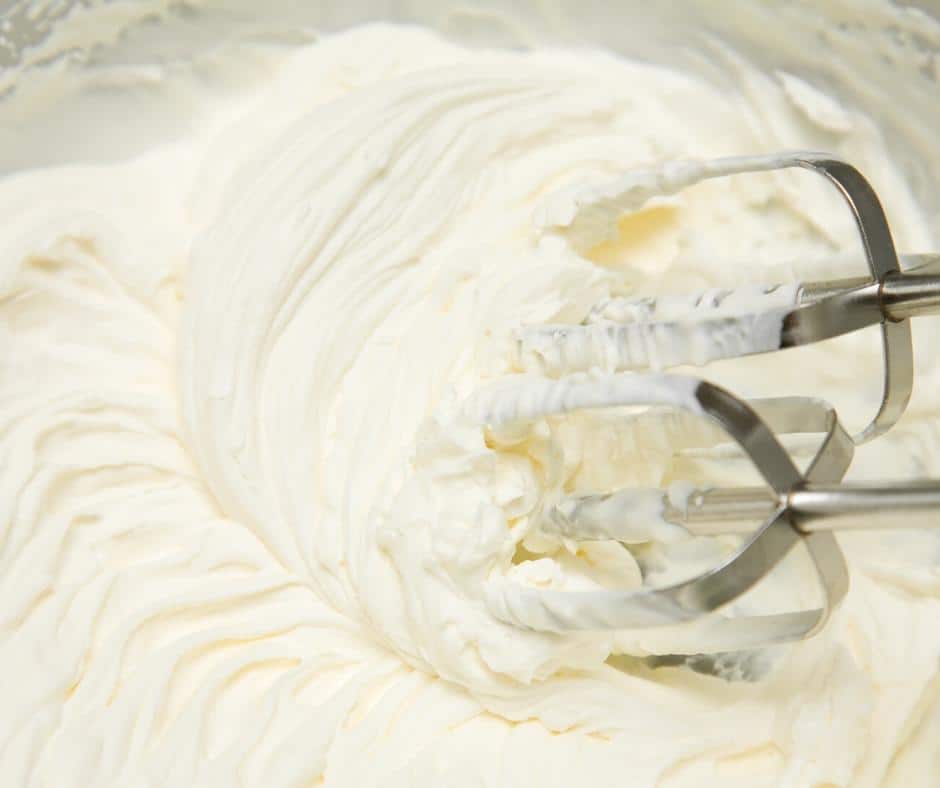
- Goat milk cream – Goat milk is not new but is now gaining popularity in recent times. It is similar to other creams and is often available in different percentages as whipping cream, pouring cream, as well as topping for desserts. It has a shorter shelf-life of 5 to 6 days while still sealed. Once opened it must be used within 2 to 3 days.
- Reduced-fat cream/low-fat cream – These are also called whipping cream but available will a low-fat percentage of 25% to 28%. Low-fat creams can be whipped if you work with it while very chilled. Chill the cream, as well as all the equipment used to whip it. Additionally, place the bowl of whipped cream over ice while whipping it. Low-fat creams can also be stabilized in 5 different ways as shown in this video.

10 Facts about creams you must-know
- Not all cream is meant for whipping. Some are just for sauces and soups often lower in fat percent.
- Higher the fat content the stiffer and fast the cream will whip
- Always whip cream when chilled well but not frozen. Frozen cream does not whip.
- In a hot and humid climate, place an ice bowl under the whipped cream bowl to ensure the cream stays cold as well as whips faster.
- Over whipping, the cream will result in homemade butter.
- Low-fat content creams are good for beverages and cocktails (soups) as they blend easily.
- Low-fat cream in hot sauces cause curdling but can still be used if added with caution.
- To whip low fat whipped cream – place a bowl of ice under the bowl of whipped cream to ensure the cream stays cold at all times. Chilled fat will whip better.
- Stabilizing cream will increase it’s shelf life – here’s how to stabilize whipped cream with 5 different methods.
- Whipped cream desserts are best served fresh because the whipped cream will start to lose volume in a few hours. Stabilized whipped cream will stay longer for a day or two.
- Learn to make Homemade Whipped Cream aka Chantilly Cream

Difference in types of cream in US and UK
In the United States and the United Kingdom, there are some differences in the terminology and fat content of creams. Here’s a comparison of the types of creams commonly found in the US and UK:
- Heavy Cream (US) vs Double Cream (UK):
- Fat Content: In the US, heavy cream typically has a fat content of around 36% or higher. In the UK, double cream usually has a fat content of around 48%-50%. Both creams have a high fat content and are suitable for whipping and adding richness to recipes.
- Whipping Cream (US and UK):
- Fat Content: In both the US and the UK, whipping cream usually has a fat content ranging from 30% to 36%. It is lighter than heavy cream or double cream but still suitable for whipping and adding a creamy texture to desserts.
- Light Cream (US) vs Single Cream (UK):
- Fat Content: Light cream in the US typically has a fat content ranging from 18% to 30%. In the UK, single cream usually has a fat content of around 18%-20%. Both creams have a lower fat content compared to heavy cream or double cream and are used for pouring over desserts, adding to coffee or tea, and incorporating into recipes that don’t require as much richness.
- Half-and-Half (US):
- Fat Content: Half-and-half is a blend of equal parts whole milk and light cream. It typically has a fat content of around 10% to 12%. Half-and-half is commonly used as a creamer for coffee and tea, as well as in recipes that require a lighter touch.


Frequently asked questions
Not exactly. Whipping cream usually has a slightly lower fat content (around 30–35%) than heavy cream, so it’s lighter and may not hold stiff peaks as well. But they can often be used interchangeably.
Clotted cream is a rich, thick cream (about 55–60% fat) made by slowly heating full-fat milk and letting it cool. It forms a yellow crust on top and has a buttery texture—perfect with scones and jam.
It depends on the recipe.
For pouring: use single or light cream.
and For whipping: use double, heavy, or whipping cream (30%+ fat).
For cooking: single cream works for sauces, but won’t whip.
or For richness: use double or clotted cream.
Yes! If you have fresh, unhomogenized milk, you can let it sit, then skim the cream off the top—just like it used to be done before modern processing. The milk we buy is carton from the supermarket has already been processed, so it won’t work.
Lower-fat creams (like single cream or half-and-half) are more likely to curdle when boiled. Use higher-fat creams for cooking, and avoid rapid boiling.


Don’t lose this recipe! Save it for Later!
📌 Save this Recipe for later on Pinterest so you can easily find it again.
⭐ Add Veena Azmanov Kitchen to your Google Preferred Sources.
It helps Google show you more of our recipes.
📧 Subscribe for new recipes delivered to your inbox.
🎥 Follow us for more recipes

Hi, I’m Veena
I’m the recipe developer, baker, and food photographer behind Veena Azmanov Kitchen.
I’ve spent years developing and testing recipes, from everyday meals and homemade breads to cakes and desserts.
I share the practical tips and little details I’ve learned along the way so you can get great results in your own kitchen.





It really looks tasty. I will surely try this.
thanks for sharing
thanks for sharing
What a great post! Thank you for sharing ,Looking at these food is too tempting,
rs gold for sale
Gold für Diablo 3 Kaufen
aion money Color, flavor and taste , Really want to taste, Be sure to try to do these foods
Thanks for sharing. That was pretty useful