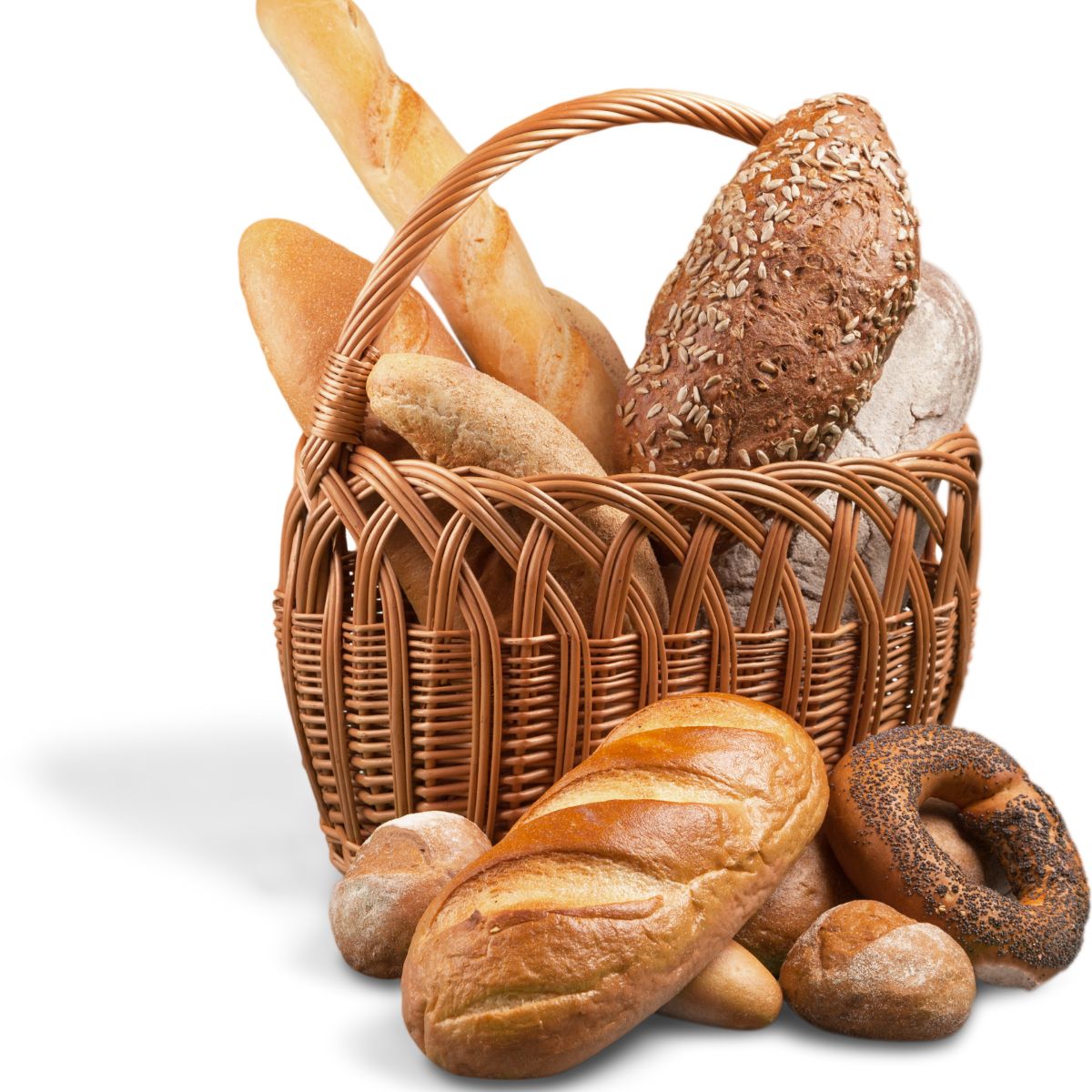
Bread and baked goods are staples in many households, cherished for their versatility and comforting flavors. However, keeping these items fresh can be a challenge, as they are susceptible to staleness, mold, and other forms of spoilage. Proper storage techniques are essential to maintaining the quality and extending the shelf life of these products. This article will delve into various methods and tips for storing bread and baked goods, ensuring they remain fresh and delicious for as long as possible.
Bread and baked goods are essential elements of many diets, loved for their versatility, texture, and flavor. However, these delicious staples are also highly perishable, often becoming stale or moldy within days if not stored correctly.
Understanding proper storage techniques for bread and baked goods is crucial for several reasons, benefiting our wallets and well-being.
- Preventing Staleness and Preserving Flavor: Proper storage helps maintain the texture and taste of bread and baked goods. For example, bread stored at room temperature in a bread box or a paper bag retains its crusty exterior while staying soft inside. On the other hand, refrigerating bread can cause it to dry out and become stale faster. Learning the right techniques ensures your bread and pastries stay fresh and enjoyable for longer.
- Reducing Food Waste: Food waste is a significant issue, both environmentally and economically. Improper storage often leads to premature spoilage, forcing us to throw away food that could have been preserved.
- Saving Money: Throwing away spoiled bread and pastries is essentially throwing away money. By extending the freshness of these items through proper storage, we reduce the need to repurchase them frequently.
- Enhancing Convenience: Having fresh bread and baked goods readily available enhances convenience in meal preparation. Proper storage techniques, such as using airtight containers for cookies or cakes, mean that delicious treats are always within reach.
- Supporting Sustainable Practices: Proper storage techniques contribute to more sustainable living by reducing food waste and the frequency of shopping trips. Using reusable storage solutions like silicone bags, beeswax wraps, and glass containers can also minimize environmental impact compared to single-use plastics.
- Health Benefits: Fresh bread and baked goods retain their nutritional value better than stale or spoiled items. Proper storage ensures that these foods remain safe to eat and full of the nutrients they provide.
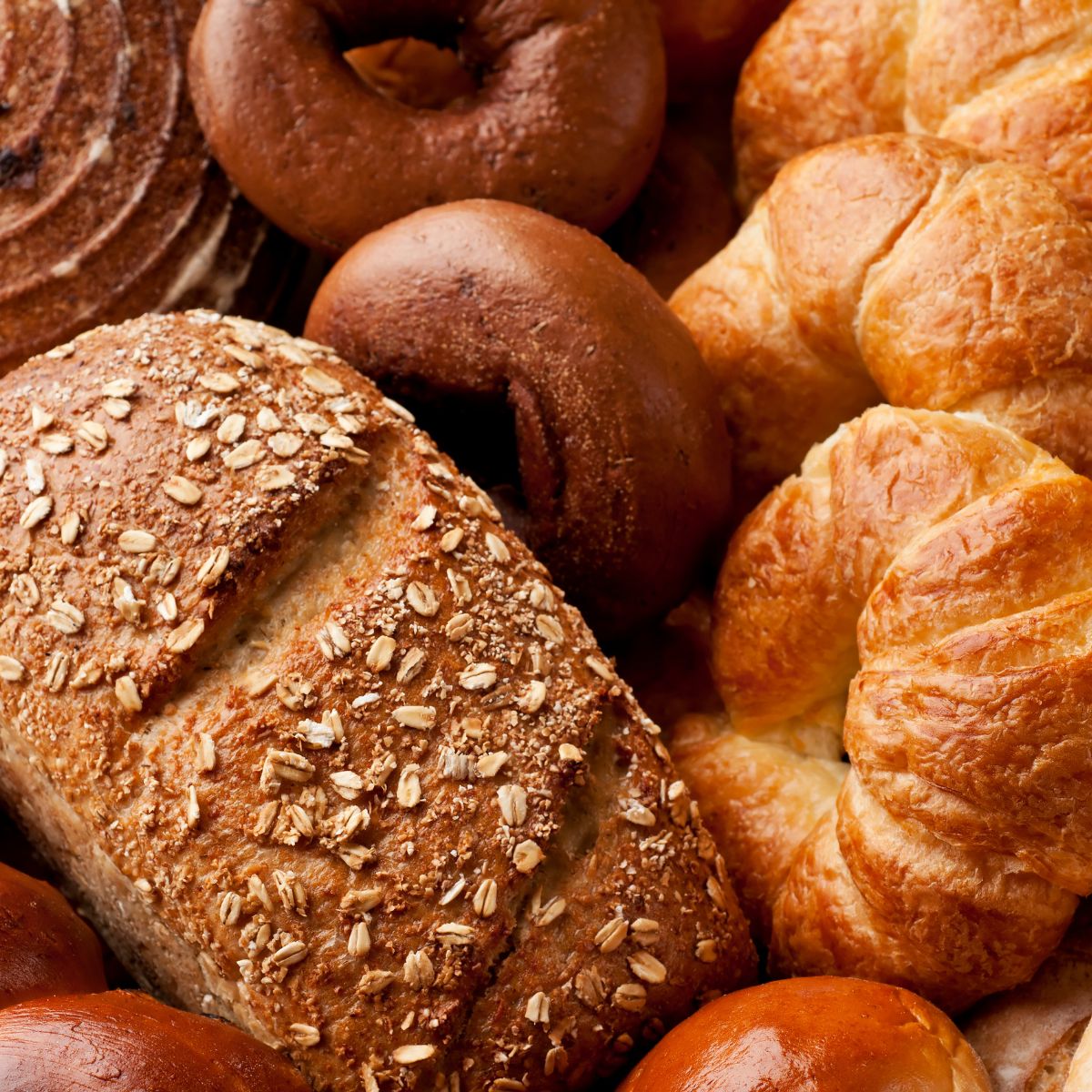
How to Store Bread to Keep It Fresh Longer
Room Temperature Storage
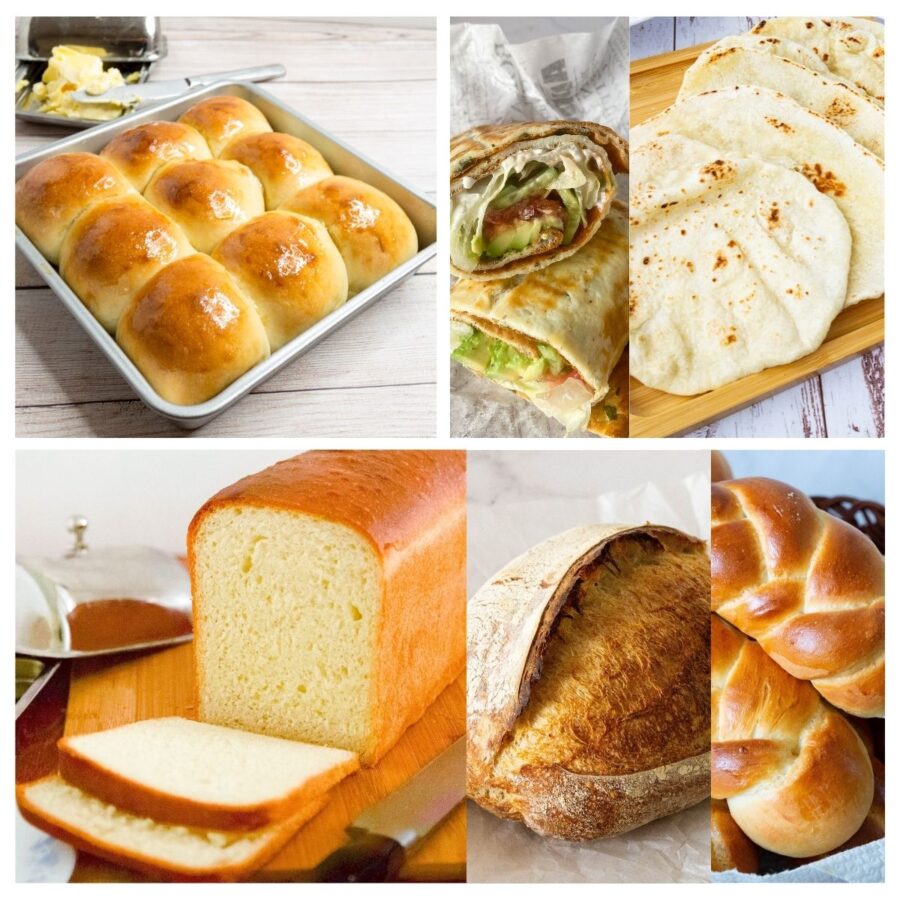
- Bread Box: A bread box is an excellent option for storing bread at room temperature. It creates a controlled environment that balances humidity, preventing the bread from drying out or becoming too moist.
- Paper Bag: Storing bread in a paper bag allows it to breathe while keeping the crust crisp. This method is particularly effective for artisanal and crusty loaves.
- Cloth Bag: Similar to a paper bag, a cloth bag helps maintain the bread’s texture by allowing air circulation. It also protects the bread from external elements.
Avoiding the Refrigerator
- Refrigerating bread can cause it to dry out and become stale more quickly due to the starch retrogradation process. It’s best to avoid this method unless you’re dealing with extremely hot and humid conditions where mold growth is a concern.
Wrapping Techniques
- Aluminum Foil: Wrapping bread in aluminum foil can help preserve its moisture and prevent staleness. This method is ideal for short-term storage (up to two days).
- Plastic Wrap: While plastic wrap can keep bread soft, it also traps moisture, which can lead to mold growth. Use this method cautiously and check the bread regularly for signs of spoilage.

Best Ways to Store Different Types of Baked Goods
Cookies and Pastries
- Airtight Containers: Store cookies and pastries in airtight containers at room temperature to maintain their texture and flavor. This method prevents them from becoming stale or absorbing odors from the surrounding environment.
- Layering with Parchment Paper: When storing cookies or pastries in layers, place parchment paper between each layer to prevent sticking and maintain their shape.
Cakes and Muffins
- Tight-Fitting Lids: Use containers with tight-fitting lids to store cakes and muffins, preserving their moisture and preventing them from drying out.
- Refrigeration for Frosted Cakes: If your cake has perishable frosting (such as cream cheese or buttercream), store it in the refrigerator. Cover the cake with a cake dome or plastic wrap to prevent it from absorbing other odors.
Preventing Staleness and Mold
- Cool, Dry Place: Always store baked goods in a cool, dry place away from direct sunlight and heat sources, which can accelerate staleness and mold growth.
- Silica Gel Packs: Using silica gel packs in your storage containers can help absorb excess moisture and prevent mold. Ensure the packs are food-safe and placed where they won’t come into direct contact with the baked goods.

Freezing and Thawing Bread and Pastries
Proper Freezing Techniques
- Double Wrapping: To freeze bread and pastries effectively, wrap them tightly in plastic wrap and then in aluminum foil. This double layer of protection prevents freezer burn and maintains the quality of the baked goods.
- Labeling and Dating: Always label and date your frozen items to keep track of their freshness. This practice helps you use the oldest items first and prevents them from being forgotten at the back of the freezer.
Thawing Methods
- Room Temperature: The best way to thaw bread and pastries is at room temperature. Remove them from the freezer and let them sit, still wrapped, until they reach room temperature. This method helps maintain their texture.
- Oven Reheating: For a freshly baked taste, reheat thawed bread and pastries in the oven. Preheat the oven to 350°F (175°C) and warm the items for 10-15 minutes. This method can revive the crispness of the crust and the softness of the interior.
Preventing Freezer Burn
- Airtight Wrapping: Ensure that the wrapping is airtight to prevent moisture loss and freezer burn. Any exposed areas can become dehydrated and lose their quality.
- Proper Storage Duration: While freezing can extend the shelf life of bread and pastries, it’s best to use them within three months for optimal flavor and texture.
Preventing Staleness and Mold
Optimal Storage Conditions
- Cool and Dry Environment: Store baked goods in a cool, dry place away from direct sunlight. Heat and humidity can accelerate spoilage.
- Ventilation: Ensure proper ventilation around stored items to prevent condensation, which can lead to mold growth.
Regular Checks
- Inspect Frequently: Regularly check your stored baked goods for signs of staleness or mold. If you notice any mold, discard the affected item immediately to prevent it from spreading.
- Rotation System: Implement a rotation system where newer items are placed behind older ones. This practice ensures that older items are used first, reducing the risk of spoilage.
Specialized Storage Techniques
Sourdough Bread
- Cotton Bag: Store sourdough bread in a cotton bag to allow it to breathe while maintaining its crust. The bag helps prevent the bread from becoming too dry or moldy.
- Cut Side Down: Place the bread cut side down on a cutting board and cover it with a cloth. This method preserves the crust while keeping the interior soft.
Gluten-Free Baked Goods
- Tight Seal: Gluten-free baked goods tend to dry out more quickly. Store them in airtight containers to retain their moisture.
- Refrigeration: Some gluten-free items, especially those made with perishable ingredients, may benefit from refrigeration. Always follow specific recipe recommendations for storage.
Homemade Bread
- Paper Bag and Plastic Wrap Combo: For homemade bread, consider a combination of a paper bag and plastic wrap. The paper bag maintains the crust, while the plastic wrap preserves moisture.
- Bread Bin with Humidity Control: Use a bread bin with adjustable humidity settings to create the perfect environment for your homemade loaves.
Sweet Baked Goods (e.g., Danishes, Croissants)
- Individual Wrapping: Wrap each pastry individually in plastic wrap before placing them in an airtight container. This method helps maintain their flakiness and prevents them from sticking together.
- Avoid Overcrowding: Store pastries in a single layer to avoid squishing and maintain their shape.

Preventing Cross-Contamination
Separate Storage for Different Items
- Distinct Containers: Use separate containers for different types of baked goods to prevent cross-contamination of flavors and odors.
- Labeled Storage: Clearly label containers with the contents and date to ensure proper rotation and prevent mix-ups.
Cleaning Storage Areas
- Regular Cleaning: Clean your storage containers, bread boxes, and pantry shelves regularly to prevent the buildup of crumbs and potential mold spores.
- Sanitizing: Use food-safe sanitizers to clean storage areas, especially if you’ve had mold issues in the past.
Creative Storage Solutions
Reusable Bread Bags
- Eco-Friendly Options: Consider using reusable bread bags made from cotton or linen. They are eco-friendly and provide excellent breathability for bread storage.
- Washable and Durable: These bags are washable and durable, making them a sustainable choice for long-term use.
Vacuum Sealing
- Extended Freshness: Vacuum sealing can significantly extend the shelf life of bread and baked goods by removing air, which slows down the staling process.
- Space Saving: Vacuum-sealed items take up less space in your pantry or freezer, making them ideal for small kitchens.
Enhancing Flavor and Texture Post-Storage
Reviving Stale Bread
- Spritz with Water: Lightly spritz stale bread with water and place it in a preheated oven at 350°F (175°C) for 5-10 minutes. This method helps restore moisture and crispness.
- Microwave with Damp Paper Towel: Wrap the bread in a damp paper towel and microwave it for 10-15 seconds. This quick method can soften the bread and make it more palatable.
Refreshing Baked Goods
- Oven Reheat: Reheat pastries and cookies in the oven at 300°F (150°C) for a few minutes to restore their original texture and flavor.
- Steam Method: For items like croissants, place them in a hot oven with a pan of water underneath. The steam will help revive their flakiness and moisture.
No posts
Final Tips for Maintaining Freshness
Mind the Ingredients
- Quality Ingredients: Use high-quality ingredients for baking, as they can affect the shelf life of your products.
- Natural Preservatives: Consider adding natural preservatives like honey or vinegar to your recipes to extend freshness.
Proper Handling
- Gentle Handling: Handle baked goods gently to avoid crushing or damaging them, which can accelerate staleness.
- Avoid Overexposure: Minimize the time baked goods are exposed to air by keeping them covered when not in use.
Eco-Friendly Practices
- Reusable Storage: Opt for reusable storage solutions like silicone bags, beeswax wraps, and glass containers to reduce waste and protect the environment.
- Composting: If you do encounter spoilage, consider composting your baked goods to minimize waste and nourish your garden.


Don’t lose this recipe! Save it for Later!
📌 Save this Recipe for later on Pinterest so you can easily find it again.
⭐ Add Veena Azmanov Kitchen to your Google Preferred Sources.
It helps Google show you more of our recipes.
📧 Subscribe for new recipes delivered to your inbox.
🎥 Follow us for more recipes

Hi, I’m Veena
I’m the recipe developer, baker, and food photographer behind Veena Azmanov Kitchen.
I’ve spent years developing and testing recipes, from everyday meals and homemade breads to cakes and desserts.
I share the practical tips and little details I’ve learned along the way so you can get great results in your own kitchen.






Thanks Veena for this content; it was very useful & I enjoyed reading up. However, I was very surprised that all through the content while I read, I never saw images for an example of common types of storage materials that you usually make use of in your place. For example, when you spoke about Paper bag, Bread box, I was thinking you were going to post few pictures of what you meant or usually used at home (since many of us live in different parts of the world). Anyway, I was just trying to draw your attention so that you can put that into consideration in your subsequent posts. Thanks ??.
Thank you for your feedback, Vincent. I will take that into consideration.