

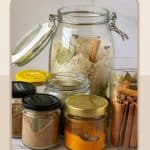



Learn how to protect spices, grains, pulses fresh and free from pests with our expert storage tips. From using natural insect repellents to choosing the right containers and storage conditions, this comprehensive guide will help you safeguard your pantry essentials against humidity and insects. Discover effective methods to extend the shelf life of your favorite ingredients and maintain their quality.
Growing up, I spent a lot of time helping my mom in the kitchen. Each week, she would meticulously refill our jars with the necessary ingredients. Sometimes she’d create a new jar and discard the old one, carefully washing and wiping each container. This was part of our normal routine. I noticed that every single time, she would tell me to make sure there were a few cloves, a bay leaf, and a cinnamon stick in each jar of spices, grains, lentils, and legumes.
Naturally, I asked her, “Why am I adding these?” She would frown slightly and say, “Because Mama told you to.” As I grew older and set up my own kitchen, I found myself following the same practice. Every jar of spices, grains, lentils, and legumes in my pantry contains a few cloves, a cinnamon stick, and a bay leaf. Why? Because my mom did it, and now I realize she did it because her mom used to do the same.
For a long time, I had no idea if these additions actually made a difference, but I never stopped doing it because it reminded me of my mom. It turns out there is truth in these old habits that have been passed down from generation to generation. This simple tradition not only connects me to my family’s past but also continues to serve a practical purpose in my kitchen today.
The cloves, bay leaves, and cinnamon sticks act as natural insect repellents, keeping our food safe and fresh. To protect spices from insects, you can use these natural repellents that are safe and effective. Here are some options:
Natural Repellents for Spices:
- Bay Leaves:
- Place a few bay leaves in the spice containers. The strong aroma of bay leaves is known to repel insects.
- Cloves:
- Similar to grains, whole cloves can be added to spice containers to deter pests. They have a strong smell that many insects find unpleasant.
- Cinnamon Sticks:
- Adding a few cinnamon sticks to spice jars can help keep insects away due to their strong fragrance.
- Peppercorns:
- Black peppercorns can also act as a deterrent. Place a few in each container of spices.
- Airtight Containers:
- Use airtight glass or metal containers to store spices. This not only keeps out moisture but also makes it harder for insects to get in.
Additional Tips:
- Regular Inspection: Check your spices regularly for any signs of insects and replace the natural repellents periodically.
- Keep Storage Area Clean: Ensure that the area where you store spices is clean and free of spills or crumbs that could attract insects.
- Cool, Dry Place: Store spices in a cool, dry place away from direct sunlight and heat sources to maintain their potency and prevent infestation.

Tips for protecting spices and grains from humidity
Spices:
- Airtight Containers: Store spices in airtight containers to keep out moisture and insects.
- Cool, Dark Place: Keep spices in a cool, dark place, away from direct sunlight and heat, which can degrade their flavor and potency.
- Glass or Metal Containers: Use glass or metal containers with tight-fitting lids, as they are more effective than plastic in preventing moisture and insect ingress.
- Desiccant Packs: Add food-safe desiccant packs to containers to absorb any residual moisture.
- Small Batches: Buy spices in small quantities to ensure they are used up before losing their flavor and aroma.
Grains:
- Sealed Containers: Store grains in sealed containers to prevent moisture and pests from entering.
- Cool, Dry Storage: Keep grains in a cool, dry place. A pantry or cupboard away from the stove or oven is ideal.
- Freezer for Long-term Storage: For long-term storage, keep grains in the freezer. This not only extends shelf life but also kills any potential insect eggs.
- Vacuum Sealing: Consider vacuum sealing grains to remove air and further protect against moisture and insects.
- Bay Leaves: Add a bay leaf to the container. Bay leaves are a natural insect repellent and can help keep pests away from grains.
Additional Tips:
- Regular Inspection: Regularly inspect your stored spices and grains for signs of moisture or insects.
- Clean Storage Areas: Keep storage areas clean and free from spills that can attract insects.
- Rotate Stock: Use a first-in, first-out (FIFO) system to ensure older items are used first and nothing stays unused for too long.

How to protect pluses, lentils, legumes, from insects
Protecting pulses, lentils, and legumes from insects involves several effective strategies to ensure they remain safe and fresh. Here are some detailed methods:
Storage Tips:
- Airtight Containers:
- Use airtight containers made of glass, metal, or high-quality plastic to store pulses, lentils, and legumes. This prevents moisture and pests from entering.
- Cool, Dry Place:
- Store them in a cool, dry place, away from direct sunlight and heat sources. Excessive heat and moisture can attract insects and cause spoilage.
- Freezing:
- For long-term storage, place pulses, lentils, and legumes in the freezer for at least 48 hours before transferring them to airtight containers. This process kills any insect eggs or larvae present.
Natural Insect Repellents:
- Bay Leaves:
- Add a few bay leaves to the storage containers. The strong aroma of bay leaves acts as a natural insect repellent.
- Cloves:
- Place a few whole cloves in each container. Cloves have a strong scent that deters insects.
- Cinnamon Sticks:
- Adding a couple of cinnamon sticks to the jars can help keep pests away due to their potent fragrance.
- Peppercorns:
- Black peppercorns can also be used as a natural deterrent. Place a few in each container.
Additional Measures:
- Vacuum Sealing:
- Consider vacuum sealing pulses, lentils, and legumes to remove air and further protect against moisture and insects.
- Desiccant Packs:
- Use food-safe desiccant packs in containers to absorb any residual moisture, reducing the risk of mold and insect infestation.
- Regular Inspection:
- Regularly inspect your stored items for any signs of insects or spoilage. If you find any infested items, discard them immediately to prevent the spread to other stored goods.
- Clean Storage Area:
- Keep the storage area clean and free from spills and crumbs that can attract insects. Wipe down shelves and containers regularly.
- Rotate Stock:
- Practice the first-in, first-out (FIFO) method to ensure older items are used first and nothing stays unused for too long.

Do I have to freeze pulses to store them?
Storing pulses, lentils, and legumes in the freezer is indeed an excellent method for long-term preservation, but they can also be kept outside with proper precautions. Here’s a detailed comparison of both methods:
Freezer Storage:
Advantages:
- Insect Prevention: Freezing kills any insect eggs or larvae present, ensuring the grains remain pest-free.
- Extended Shelf Life: Freezing can significantly extend the shelf life by slowing down the degradation process.
- Maintains Quality: Freezing helps maintain the nutritional quality and flavor of the pulses, lentils, and legumes.
How to Store in the Freezer:
- Place the items in airtight, freezer-safe bags or containers.
- Label with the date of storage.
- Store at a consistent temperature to prevent condensation and freezer burn.
Room Temperature Storage:
Advantages:
- Convenience: Easily accessible for daily use without needing to thaw.
- Space Saving: Saves freezer space for other items that must be kept frozen.
Precautions for Room Temperature Storage:
- Airtight Containers: Use airtight containers to prevent moisture and insect entry.
- Cool, Dry Place: Store in a cool, dry place away from direct sunlight and heat sources.
- Natural Repellents: Add natural insect repellents like bay leaves, cloves, or cinnamon sticks to the containers.
- Desiccant Packs: Use food-safe desiccant packs to absorb any residual moisture.
- Regular Inspection: Check periodically for any signs of infestation or spoilage.
- Clean Storage Area: Keep the storage area clean and dry to avoid attracting pests.
Recommendation:
- For Long-term Storage: The freezer is ideal for long-term storage, particularly if you live in an area with high humidity or a high risk of insect infestation.
- For Short to Medium-term Storage: Storing at room temperature is fine with the proper precautions. This method is convenient for daily cooking and frequent use.
Both methods are effective, but choosing one depends on your specific needs, available storage space, and the climate of your location. Combining both strategies—freezing a portion for long-term storage and keeping a portion at room temperature for immediate use—can provide the best of both worlds.



Don’t lose this recipe! Save it for Later!
📌 Save this Recipe for later on Pinterest so you can easily find it again.
⭐ Add Veena Azmanov Kitchen to your Google Preferred Sources.
It helps Google show you more of our recipes.
📧 Subscribe for new recipes delivered to your inbox.
🎥 Follow us for more recipes


Hi, I’m Veena
I’m the recipe developer, baker, and food photographer behind Veena Azmanov Kitchen.
I’ve spent years developing and testing recipes, from everyday meals and homemade breads to cakes and desserts.
I share the practical tips and little details I’ve learned along the way so you can get great results in your own kitchen.