
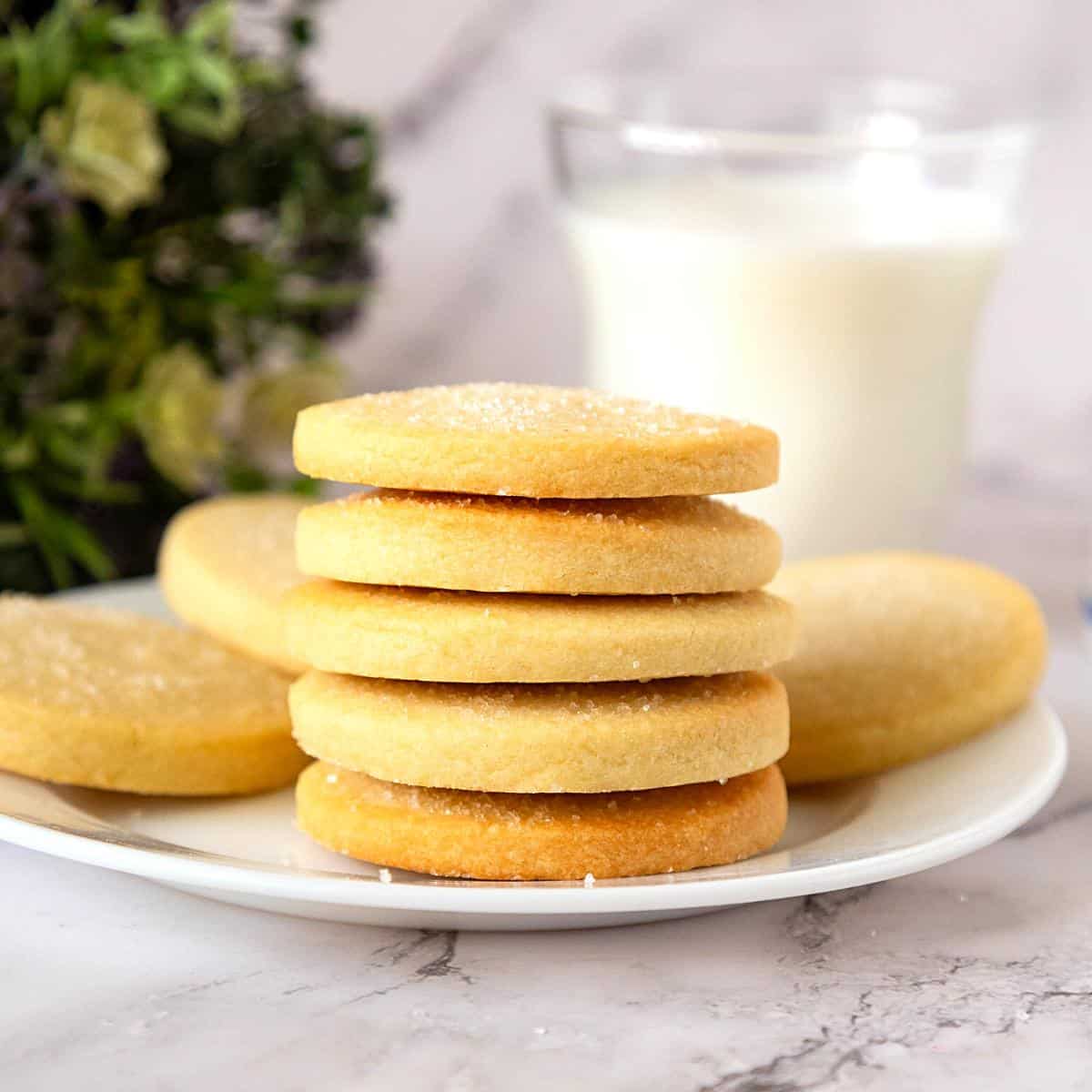

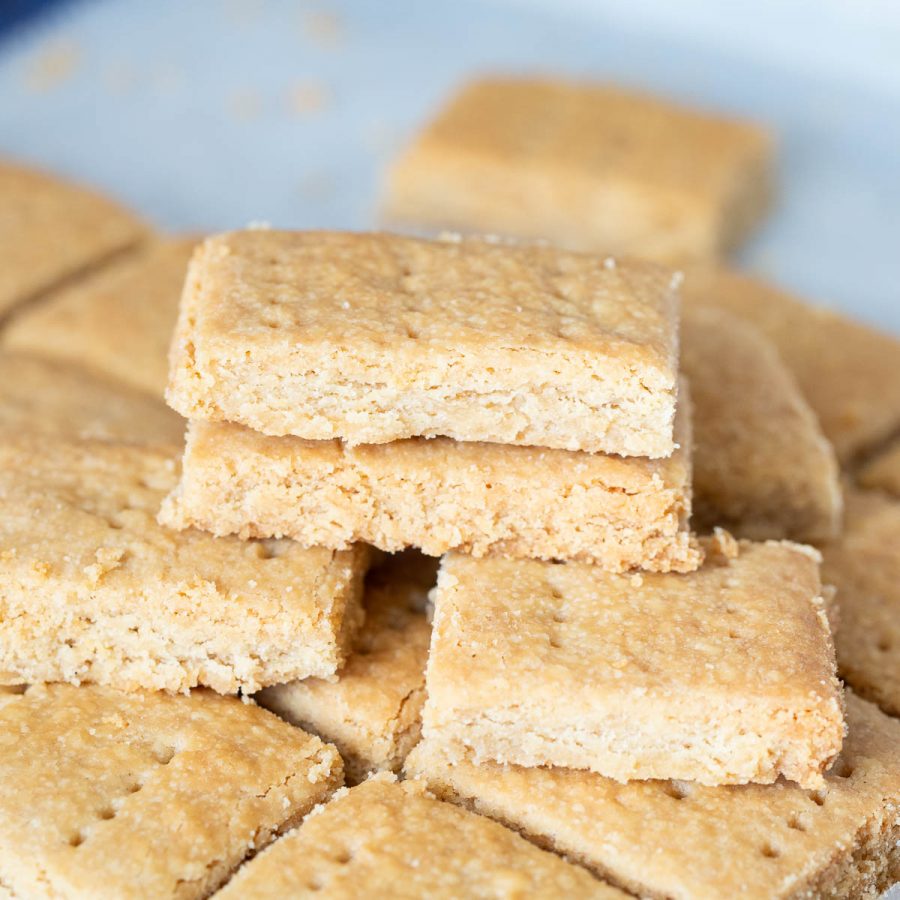
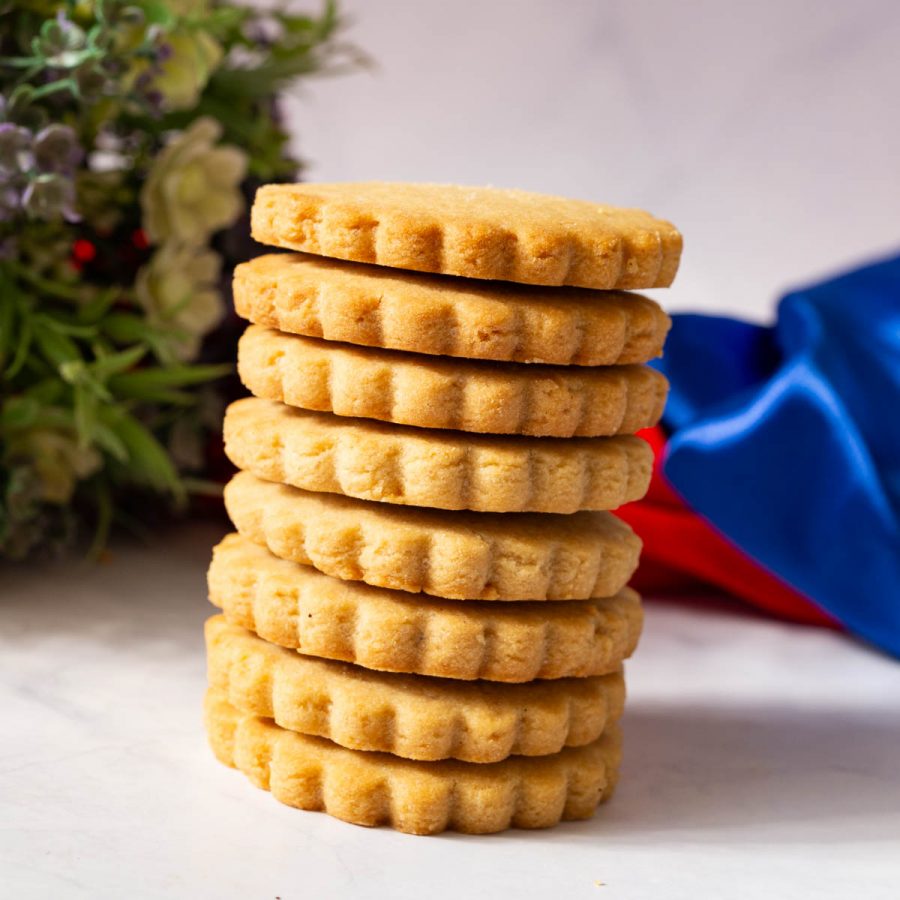
These classic shortbread cookies are buttery, tender, and melt in your mouth with just a handful of pantry staples. Whether you enjoy them plain, dusted with sugar, or dipped in chocolate, they’re an easy cookie recipe that’s perfect for holidays, afternoon tea, or everyday baking.
With only a few simple ingredients, this traditional shortbread recipe lets the rich buttery flavor shine through, proving that sometimes the simplest recipes really are the best.
Shortbread has always been one of those recipes I come back to again and again. It doesn’t need fancy ingredients or complicated techniques—just good butter and a little patience. I love how something so simple can turn into such an elegant cookie.
These are the cookies I often bake when I want something homemade without spending hours in the kitchen. They’re wonderful on their own with a cup of tea or coffee, but they’re also the perfect base for decorating, dipping in chocolate, or serving on a holiday cookie platter.
Why You’ll Love These Shortbread Cookies
- Only a few simple ingredients.
- Rich, buttery flavor with a melt-in-your-mouth texture.
- Easy to make and perfect for beginners.
- Easy to customize with chocolate, citrus, spices, or sprinkles.
- Perfect for holidays, cookie boxes, or afternoon tea.

Ingredients and Substitutes
- Butter – The star of the recipe, giving shortbread its rich flavor and tender texture. Use good-quality unsalted butter.
- Powdered sugar – Creates a delicate, melt-in-your-mouth crumb.
- All-purpose flour – Provides structure while keeping the cookies tender.
- Vanilla extract (optional) – Adds extra flavor without overpowering the buttery cookies.
- Salt – Balances the sweetness and enhances the buttery flavor.
- Optional additions – Dip in chocolate, add citrus zest, spices, or sprinkles for different variations.

Step-by-step: Classic Shortbread Cookies
- Cream the butter and powdered sugar until smooth and fluffy.
- Mix in the vanilla (if using).
- Add the flour and salt, mixing just until a soft dough forms.
- Shape into a disc, wrap, and chill for 30 minutes.

- Preheat the oven to 325°F (160°C) and line baking trays with parchment paper.
- Roll the dough to ¼ inch (6 mm) thick and cut into shapes.
- Place on the prepared baking sheets and sprinkle with sugar if desired.

- Bake for 12–14 minutes, until the edges are just beginning to turn golden.
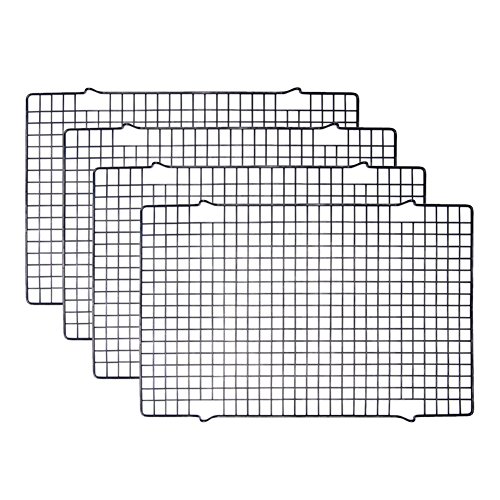
- Cool on the baking sheet for 5 minutes before transferring to a wire rack.


Shortbread Cookies – 3 Ingredients
Say goodbye to complicated recipes and hello to easy baking success with this ultimate shortcut to creating irresistible shortbread cookies. With just three basic ingredients, you'll be amazed at how effortlessly you can whip up a batch of these delightful buttery treats.
Video
Ingredients
- 1 cup (227 g) Unsalted butter softened
- ½ cup (60 g) Powdered sugar or 1/2 cup granulated sugar
- 2 cups (250 g) All-purpose flour
- ¼ tsp Salt
- 1 tsp Pure vanilla extract
- Additional sugar for sprinkling optional
Method
- Preheat the Oven: Preheat your oven to 325°F /160°C/ Gas Mark 3. Line a baking sheet with parchment paper or a silicone baking mat. Set aside.
- Cream the Butter and Sugar: In a large mixing bowl, cream the softened butter and granulated sugar until light and fluffy. Add vanilla extract if using. Pro tip – If you use granulated sugar, this process usually takes 2-3 minutes and can be done with a hand or stand mixer fitted with the paddle attachment.1 cup Unsalted butter, ½ cup Powdered sugar, 1 tsp Pure vanilla extract
- Add the Dry Ingredients: Gradually add the all-purpose flour and salt to the butter-sugar mixture. Mix on low speed (or stir by hand) until the dough comes together. Be careful not to overmix; stop as soon as the dough is combined.2 cups All-purpose flour, 1/4 tsp Salt
- Chill the Dough: Shape the dough into a ball and flatten it into a disk. Wrap it in plastic wrap and refrigerate for at least 30 minutes. Chilling the dough allows it to firm up, making it easier to handle.
- Roll Out the Dough: On a lightly floured surface or between parchment papers, roll out the chilled dough to your desired thickness, typically about 1/4 to 1/2 inch (6-12mm). Use rolling pin guides or parchment paper to maintain even thickness.
- Cut into Shapes: Cut the dough into your preferred shapes with cookie cutters. Classic shortbread shapes include rectangles, squares, or traditional rounds. Re-roll and cut any leftover dough until it's used up.
- Place on Baking Sheet: Carefully transfer the cut cookies to the prepared baking sheet, leaving a little space between them. Shortbread cookies only spread a little during baking.
- Optional Sugar Sprinkle: If desired, lightly sprinkle the tops of the cookies with granulated sugar. This step adds a delightful crunch and sweetness to the cookies.Additional sugar for sprinkling
- Bake to Perfection: Bake in the preheated oven for approximately 12 – 14 minutes or until the edges of the cookies are lightly golden. Keep a close eye on them to prevent over-baking.
- Cool on a Wire Rack: Allow the baked shortbread cookies to cool on the baking sheet for a few minutes before transferring them to a wire rack to cool completely. They will continue to firm up as they cool.
Notes
- Sprinkle with coarse sugar before baking for extra crunch.
- Dip the cooled cookies in melted chocolate for an easy variation.
- Store in an airtight container for up to 1 week or freeze for up to 2 months.
- The dough can be refrigerated for up to 2 days before baking.
Equipment you will need


Nutrition
Tried this recipe?
Mention @veenaazmanov_kitchen or tag #veenaazmanovkitchen!Tips for the Best Shortbread Cookies
- Use good-quality butter for the best flavor.
- Don’t overmix the dough or the cookies can become tough.
- Chill the dough before rolling to help the cookies hold their shape.
- Roll the dough to an even thickness for even baking.
- Bake just until the edges are lightly golden—shortbread should stay fairly pale.
- Let the cookies cool completely before storing.
more shortbread recipes
- Chocolate Shortbread Cookies
- Ginger Shortbread with Molasses
- Brown Sugar Shortbread
- Melting Moments Cookies
- Whipped Short Bread Cookies Recipe
- Chocolate Dipped Shortbread Sticks


Frequently asked questions
Shortbread cookies are a classic Scottish dessert made from simple ingredients: butter, sugar, and flour. They have a crumbly, melt-in-your-mouth texture and a buttery, sweet flavor.
The term u0022shortu0022 in shortbread refers to the crumbly and tender texture achieved by the recipe’s high-fat content (butter).
Shortbread cookies have a long history dating back to medieval Scotland. Initially, they were made from leftover bread dough sweetened with honey. Over time, they evolved into the buttery treat we know today.
Shortbread cookies have a good shelf life when stored in an airtight container at room temperature. They can last up to two weeks but are often enjoyed within a few days due to their deliciousness!
Yes, shortbread cookies freeze well. Place them in an airtight container or freezer bag, separating layers with parchment paper, and freeze for up to three months. Thaw at room temperature before serving.
Chilling the dough allows the butter to firm up, making it easier to handle and preventing excessive spreading during baking. It also helps develop the desired texture.
Shortbread dough is often rolled out to a thickness of about 1/4 to 1/2 inch (6-12mm), depending on your preference. Thicker dough yields softer, more tender cookies, while thinner dough creates crispier cookies.
Yes, you can customize shortbread cookies by adding flavorings like vanilla extract, citrus zest, or spices. Some recipes also incorporate mix-ins such as chocolate chips, chopped nuts, or dried fruit.
You certainly can. I wanted to keep these cookies white, so I omitted any color from the spices. But 1/2 tsp cinnamon, gingerbread spice, and chai spice would work. You can even add 1/2 cup finely chopped nuts. You may need to add a tablespoon of water to bring the dough together if you add nuts.
Shortbread cookies have a good shelf life as dough and cookies. If wrapped well, the dough can usually stay in the fridge for 5 to 6 days before rolling and baking. And you can even cover the cookies and place them on a parchment-lined tray, wrapped well with cling wrap, for about 3 to 4 days.
Absolutely! Shortbread cookies are popular for holiday gifts and cookie exchanges due to their classic, elegant appearance and rich, buttery flavor.
Shortbread cookies can be customized in various ways. You can dip them in chocolate, sprinkle them with powdered sugar, or sandwich them with jam or caramel for unique variations.
Yes, you can make shortbread cookies by hand using a sturdy wooden spoon or a handheld mixer. Cream the butter and sugar until light and fluffy, then mix in the flour and salt.
Yes, there are gluten-free and vegan shortbread cookie recipes that use alternative flour and plant-based butter substitutes. These recipes cater to specific dietary preferences and restrictions.
more cookies you may like
- Soft Amish Cookies
- Soft Amish Cinnamon Sugar Cookies
- Churros Cookies
- Churros Cookies
- Danish Butter Cookies
- Fudgy Chocolate Cookies
Don’t lose this recipe! Save it for Later!
📌 Save this Recipe for later on Pinterest so you can easily find it again.
⭐ Add Veena Azmanov Kitchen to your Google Preferred Sources.
It helps Google show you more of our recipes.
📧 Subscribe for new recipes delivered to your inbox.
🎥 Follow us for more recipes


Hi, I’m Veena
I’m the recipe developer, baker, and food photographer behind Veena Azmanov Kitchen.
I’ve spent years developing and testing recipes, from everyday meals and homemade breads to cakes and desserts.
I share the practical tips and little details I’ve learned along the way so you can get great results in your own kitchen.









I would love to cozy up with some of these cookies in front of the fireplace this winter! Shortbread is such a comforting treat, and I love that you don’t have to chill the dough for this recipe!
Absolutely Amanda. These are so each and effortless. You mix bake and enjoy – not need to chill or fuss with these.
Yum! I love shortbread cookies but have never thought to make my own. Your recipe has inspired me! Thanks for sharing it.
Thanks Jessica. I never usually buy store bought cookies – always homemade !
I love shortbread cookies and how simple are these ingredients! These are my favorite cookies to eat during the holiday season! So simple yet so delish! These look great!
Mine too Amanda. I love these and the gingerbread and linzer cookies this time of the year.
These are beautiful and look like they absolutely melt in your mouth! They remind me of a cookie my mother used to make!
I agree Carol. they do melt in the mouth and my mom made these all the time.
Always looking for solid baking recipes to add to my recipes and these sound lovely.
Thanks Debs. You will love this one
I have never made shortbread cookies before, but I love them! They look so simple, I don’t really know what I am waiting for! I can’t wait to try them-they sound especially good with the almond flour!
Absolutely Kate. They are so easy and absolutely delicious.
I love shortbread cookies and I need to do some holiday baking and try these. Thanks for sharing!
You are welcome Analida – Thanks
Perfect recipe just in time for the holidays!! These look like they would be great with a cup of tea 🙂
Absolutely a great tea time cookie to have
I’m always looking for new and easy cookie recipes for my kids. Have you ever tried substituting the white sugar for maple syrup or honey for instance? Thanks!
No I have not tired maple or honey. It may work but they won’t be crisp just soft cookies
Brilliant timing! I have a ton of almond flour leftover and didn’t know what to use if for! Im know what now! Thanks a bunch! 🙂
Thanks Michele. Glad to hear that