

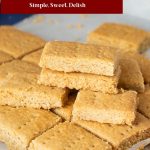
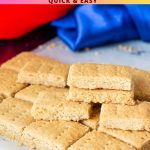
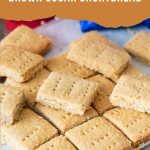
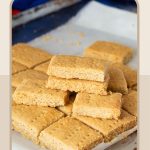
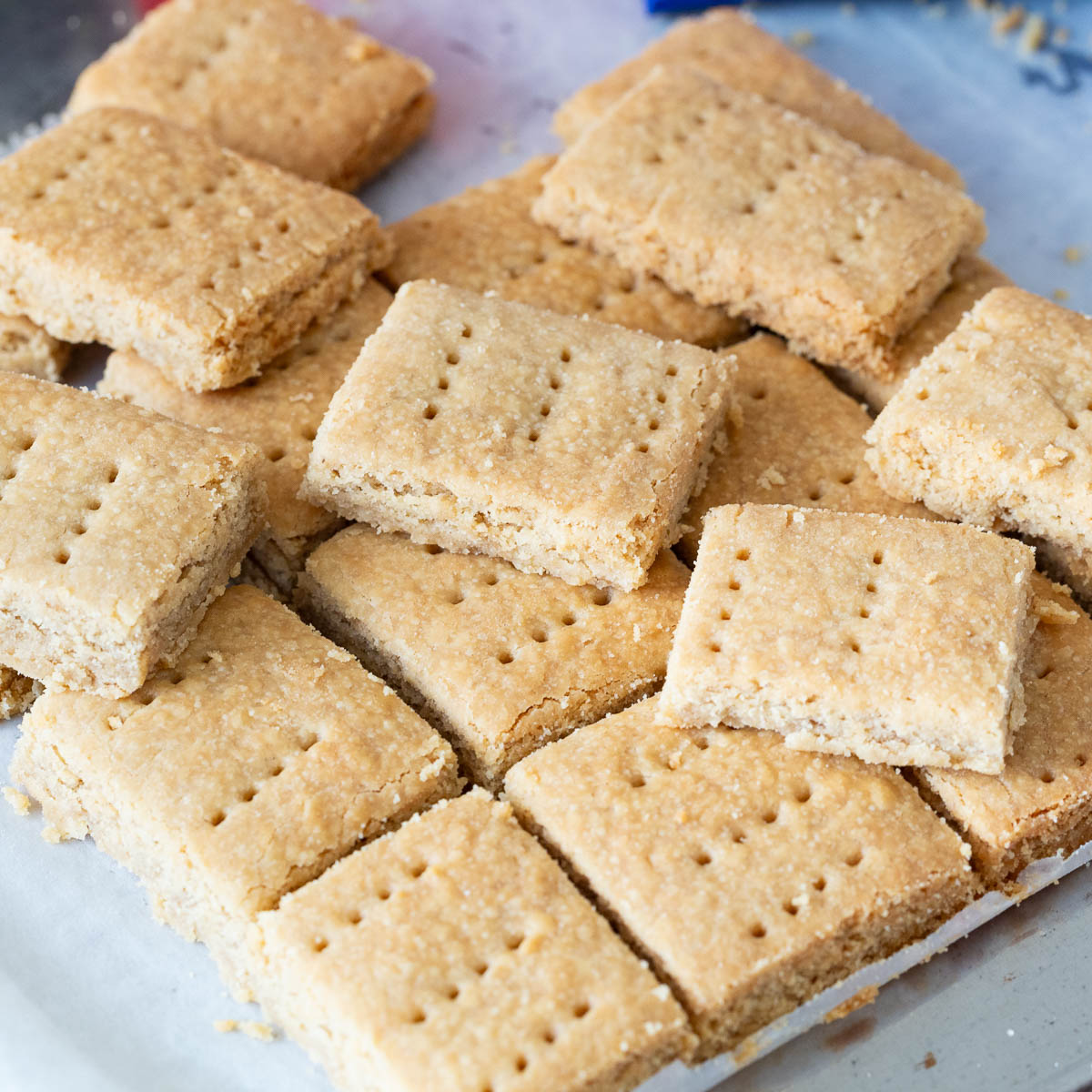
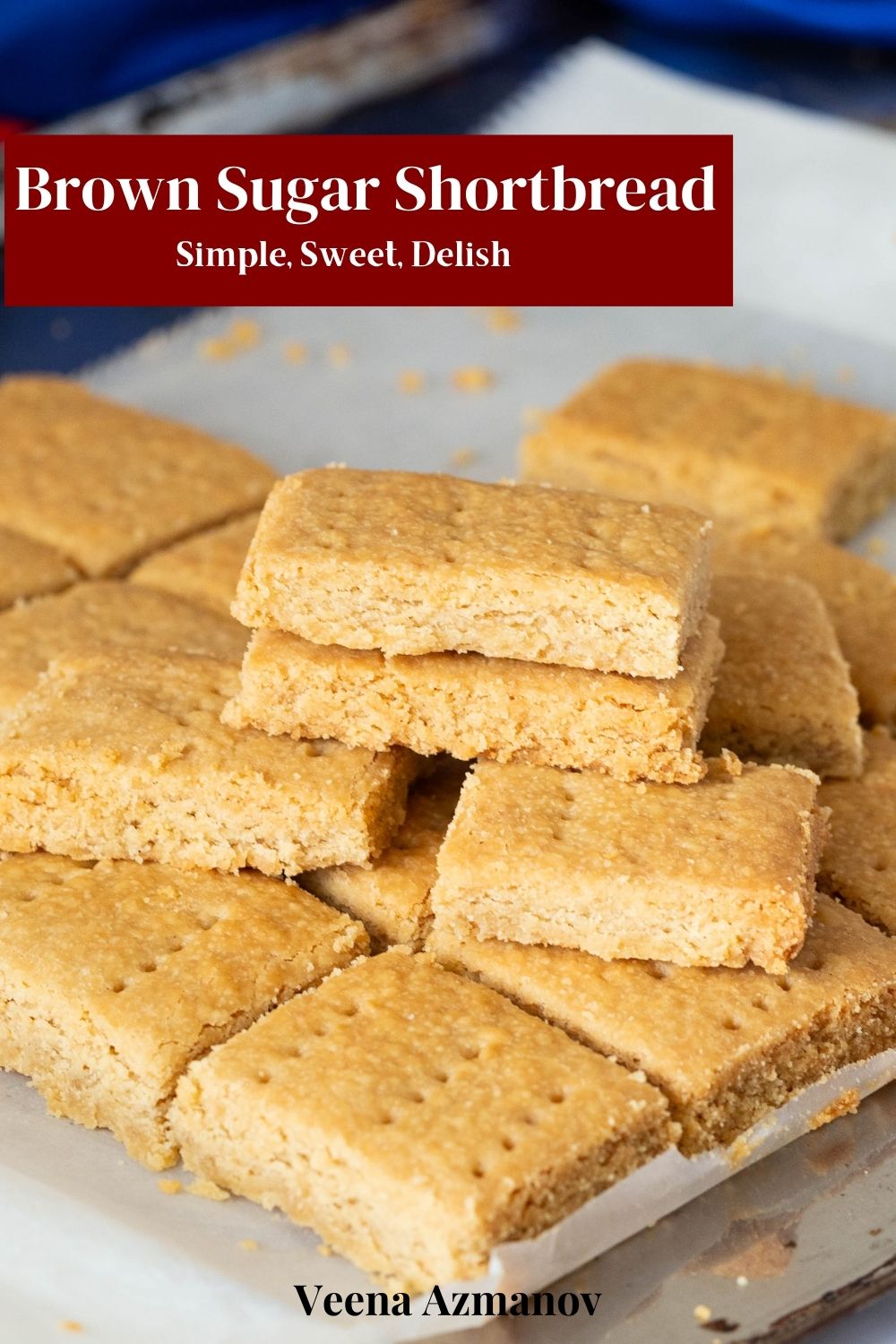
Brown sugar shortbread offers a rich, buttery treat with a deep molasses flavor, adding a delightful twist to the classic cookie. The brown sugar enhances the sweetness and introduces a slight chewiness, complementing the traditional crumbly texture. This variation is perfect for those who love classic shortbread but crave a more robust, caramel-like flavor.
Shortbread is a traditional Scottish cookie known for its simple yet luxurious taste. Made with just three basic ingredients—butter, sugar, and flour—shortbread is cherished for its rich, buttery flavor and crumbly, melt-in-your-mouth texture. The beauty of shortbread lies in its simplicity; it’s a cookie that doesn’t rely on fancy ingredients or elaborate techniques but instead showcases the pure, delicious flavors of its components.
Perfect with a cup of tea or coffee, shortbread is a versatile treat that can be enjoyed plain or enhanced with a variety of flavors like vanilla, lemon zest, or even chocolate. Its timeless appeal makes it a favorite during the holidays and a comforting, everyday indulgence.
Why is this the best recipe
- Deep, Rich Flavor: The brown sugar adds a deep molasses flavor, elevating the classic shortbread into something more indulgent and satisfying.
- Perfect Texture: Creaming the butter and sugar ensures a light, tender crumb, while chilling the dough and docking it with a fork keeps the bars from puffing up, maintaining a perfectly even and delicate texture.
- Simple and Easy: With just a few basic ingredients, this recipe is straightforward and easy to follow, making it accessible for both beginners and experienced bakers alike.
- Versatile Presentation: These bars are pre-cut in the pan, ensuring clean, uniform pieces perfect for serving at gatherings or as a quick snack. The method also allows for easy storage and transport.
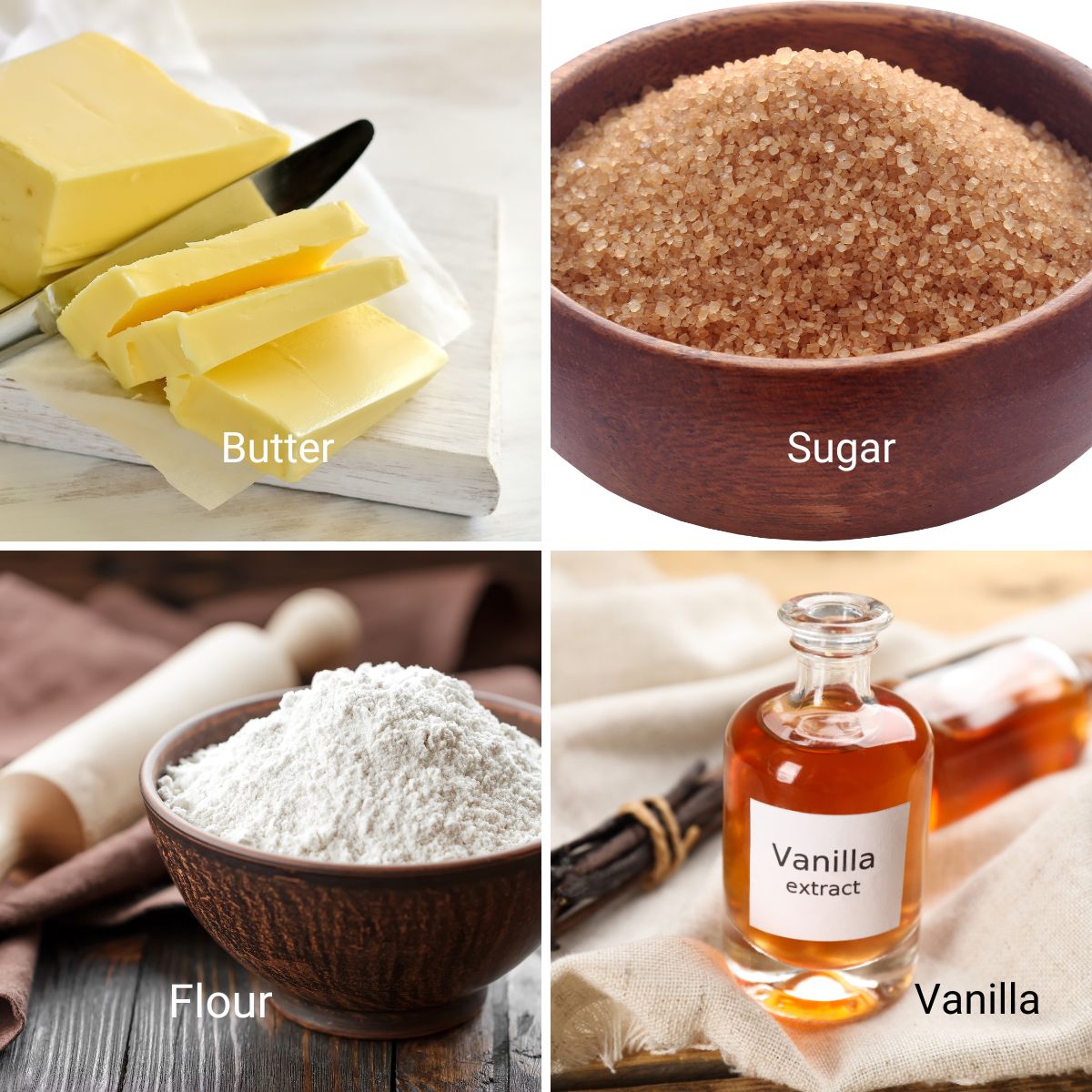
Key Ingredients and Substitutes
- Butter (unsalted, softened): Provides richness and a tender texture to the bars.
Substitute: Salted butter can be used, but reduce the added salt in the recipe by half. - Brown Sugar: Adds a deep molasses flavor and slight chewiness to the bars.
Substitute: You can use light brown sugar for a milder flavor or granulated sugar for a crisper, less chewy texture. - Salt: Enhances the overall flavor of the shortbread.
Substitute: You can use sea salt or kosher salt in equal amounts for a slightly different flavor profile. - Vanilla Extract: Adds a warm, sweet note to the bars.
Substitute: Almond extract or maple extract can be used for a different flavor twist. - All-Purpose Flour: Forms the structure of the bars.
Substitute: A gluten-free all-purpose flour blend can be used for a gluten-free version, though the texture may vary slightly.
Step-by-step: Brown Sugar Shortbread
- Cream the Butter and Sugar: In a large mixing bowl, cream the softened butter and dark brown sugar until light and fluffy. This takes 2-3 minutes with an electric mixer on medium speed. Mix in the salt and vanilla extract until fully incorporated.
- Incorporate the Flour: Gradually add the flour to the butter mixture until the dough comes together. Be careful not to overmix to avoid tough cookies.
- Press into Pan: Press the dough evenly into an 8×8-inch square pan. Use the back of a spoon or your hands to smooth the surface.
- Preheat the Oven: Preheat your oven to 350°F /175°C. Line a baking sheet with parchment paper.
- Chill the Dough: Refrigerate the pan with the dough for at least 30 minutes. Chilling helps the bars maintain their shape during baking.
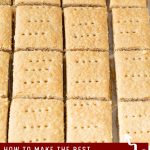
- Mark Lines and Dock with a Fork: Once chilled, use a knife to mark lines where you will later cut the bars. Then, use a fork to gently dock the dough all over. This prevents the dough from puffing up during baking.
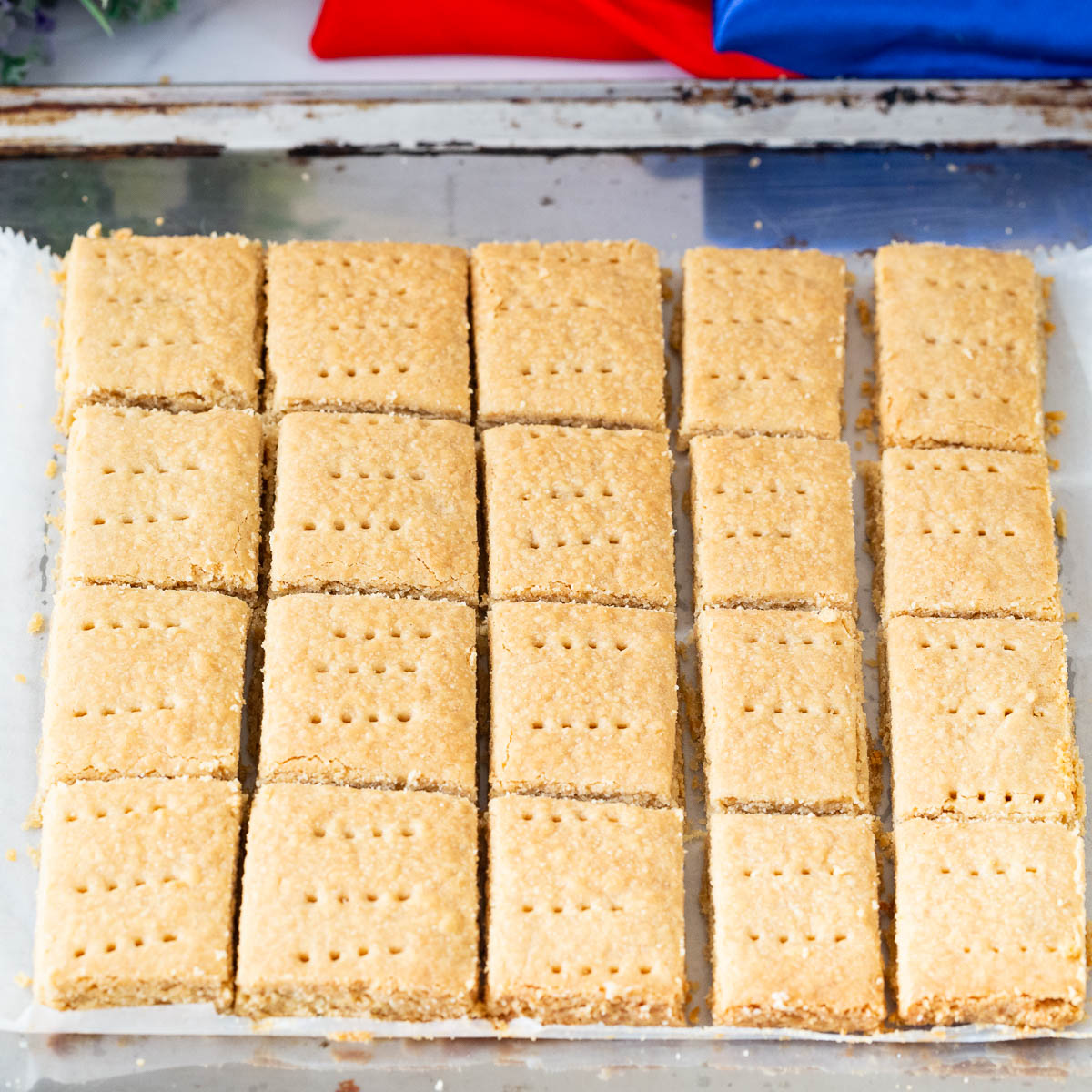
- Bake: Bake the shortbread bars for 20-25 minutes or until the edges are lightly golden.
- Cut the Bars: While the bars are still warm and in the pan, carefully trace over the lines you made earlier to cut the bars. This will ensure clean edges.
- Cool and Separate: Allow the bars to cool completely in the pan. Once cooled, carefully separate the bars and enjoy.
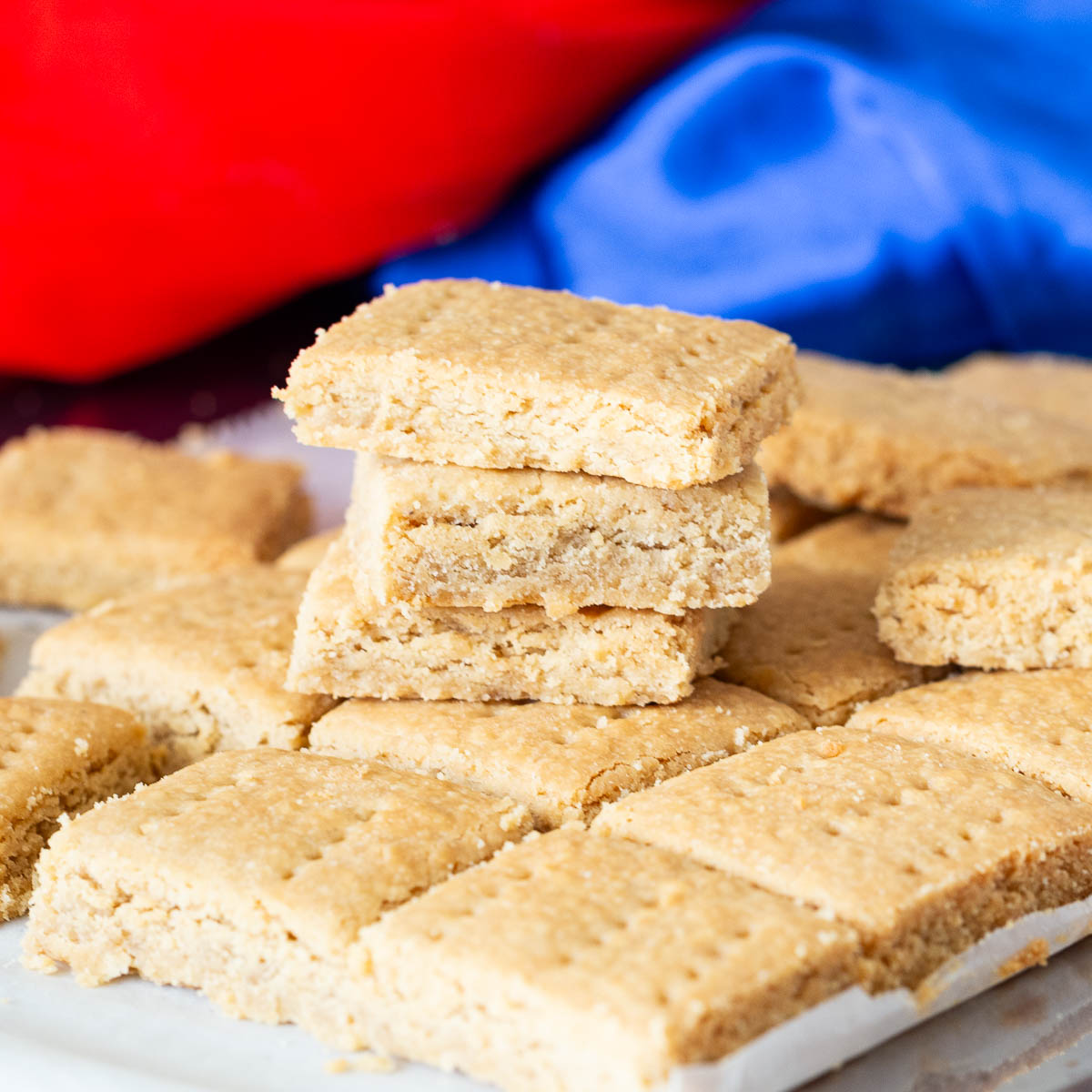
Brown Sugar Shortbread
Brown sugar shortbread offers a rich, buttery treat with a deep molasses flavor, adding a delightful twist to the classic cookie. The brown sugar enhances the sweetness and introduces a slight chewiness, complementing the traditional crumbly texture. This variation is perfect for those who love classic shortbread but crave a more robust, caramel-like flavor.
Video
Ingredients
- 1 cup (227 g) Butter (unsalted softened)
- ½ cup (110 g) Dark Brown Sugar
- ¼ tsp Salt
- 1 tsp Vanilla Extract
- 2 cups (250 g) All-Purpose Flour
Method
- Cream the Butter and Sugar: In a large mixing bowl, cream the softened butter and dark brown sugar until light and fluffy. This takes 2-3 minutes with an electric mixer on medium speed. Mix in the salt and vanilla extract until fully incorporated.1 cup Butter (unsalted, ½ cup Dark Brown Sugar, ¼ tsp Salt, 1 tsp Vanilla Extract
- Incorporate the Flour: Gradually add the flour to the butter mixture until the dough comes together. Be careful not to overmix to avoid tough cookies.2 cups All-Purpose Flour
- Press into Pan: Press the dough evenly into an 8×8-inch square pan. Use the back of a spoon or your hands to smooth the surface.
- Preheat the Oven: Preheat your oven to 350°F /175°C. Line a baking sheet with parchment paper.
- Chill the Dough: Refrigerate the pan with the dough for at least 30 minutes. Chilling helps the bars maintain their shape during baking.
- Mark Lines and Dock with a Fork: Once chilled, use a knife to mark lines where you will later cut the bars. Then, use a fork to gently dock the dough all over. This prevents the dough from puffing up during baking.
- Bake: Bake the shortbread bars for 20-25 minutes or until the edges are lightly golden.
- Cut the Bars: While the bars are still warm and in the pan, carefully trace over the lines you made earlier to cut the bars. This will ensure clean edges.
- Cool and Separate: Allow the bars to cool completely in the pan. Once cooled, carefully separate the bars and enjoy.
Notes
- Use Room Temperature Butter: Ensure the butter is softened to room temperature before creaming. This allows for a smooth and even mixture, leading to a tender, melt-in-your-mouth texture.
- Don’t Overmix the Dough: When adding the flour, mix just until the dough comes together. Overmixing can develop too much gluten, resulting in tougher bars.
- Chill the Dough: Chilling the dough in the pan before baking helps the bars maintain their shape and prevents spreading. It also enhances the flavor and texture of the finished product.
- Dock the Dough: Use a fork to gently pierce the surface of the dough before baking. This step prevents the bars from puffing up unevenly, ensuring a smooth, even surface.
- Cut While Warm: Trace the lines and cut the bars while they are still warm and in the pan. This ensures clean edges and makes it easier to separate the bars once they’re fully cooled.
- Cool Completely: Allow the bars to cool completely in the pan before separating them. This helps the bars set properly and makes them easier to handle without crumbling.
Nutrition
Tried this recipe?
Mention @veenaazmanov_kitchen or tag #veenaazmanovkitchen!Tips for Success
- Use Room Temperature Butter: Ensure the butter is softened to room temperature before creaming. This allows for a smooth and even mixture, leading to a tender, melt-in-your-mouth texture.
- Don’t Overmix the Dough: When adding the flour, mix just until the dough comes together. Overmixing can cause too much gluten to develop, resulting in tougher bars.
- Chill the Dough: Chilling the dough in the pan before baking helps the bars maintain their shape and prevents spreading. It also enhances the flavor and texture of the finished product.
- Dock the Dough: Use a fork to gently pierce the surface of the dough before baking. This step prevents the bars from puffing up unevenly, ensuring a smooth, even surface.
- Cut While Warm: Trace the lines and cut the bars while they are still warm and in the pan. This ensures clean edges and makes it easier to separate the bars once they’re thoroughly cooled.
- Cool Completely: Allow the bars to cool completely in the pan before separating them. This helps the bars set properly and makes them easier to handle without crumbling.
more shortbread recipes
- Shortbread Cookies – 3 Ingredients
- Chocolate Shortbread Cookies
- Ginger Shortbread with Molasses
- 3 Ingredients Candied Fruit Shortbread
- Whipped Shortbread Cookies
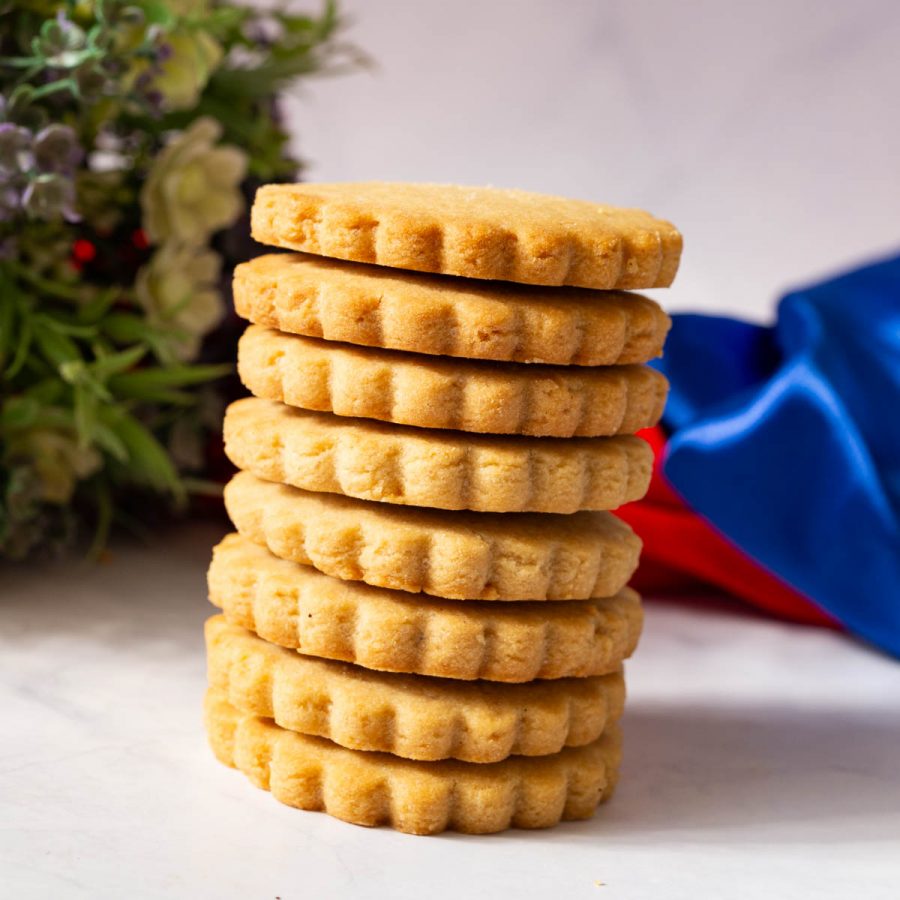
- Best Stamped Shortbread Cookies Recipe


Frequently asked questions
Store the cookies in an airtight container at room temperature for up to a week. For longer storage, you can freeze them for up to three months.
Yes, you can use light brown sugar, but the flavor will be milder and less intense than dark brown sugar.
Yes, chilling the dough helps the shortbread maintain its shape during baking and enhances the flavor and texture.
Yes, you can substitute the all-purpose flour with a gluten-free flour blend. The texture may be slightly different, but they will still be delicious.
Make sure the dough is properly chilled before baking, and dock the dough with a fork to prevent excessive spreading and puffing.
Yes, you can easily customize this recipe by adding your favorite mix-ins, such as chopped nuts, chocolate chips, or dried fruit.
If your shortbread is too crumbly, you might have overmixed the dough or not added enough butter. Ensure you measure the ingredients accurately and mix the dough just until it comes together.
Yes, you can prepare the dough in advance and refrigerate it for up to two days before baking. Baked shortbread bars can also be stored or frozen for later enjoyment.
more cookies you may like
- Brown Sugar Sandwich Cookies
- How To Make Brown Sugar
- Chocolate Linzer Cookies
- Best Chocolate Crinkle Cookies
- Scrumptious Brown Sugar Cupcakes
Don’t lose this recipe! Save it for Later!
📌 Save this Recipe for later on Pinterest so you can easily find it again.
⭐ Add Veena Azmanov Kitchen to your Google Preferred Sources.
It helps Google show you more of our recipes.
📧 Subscribe for new recipes delivered to your inbox.
🎥 Follow us for more recipes
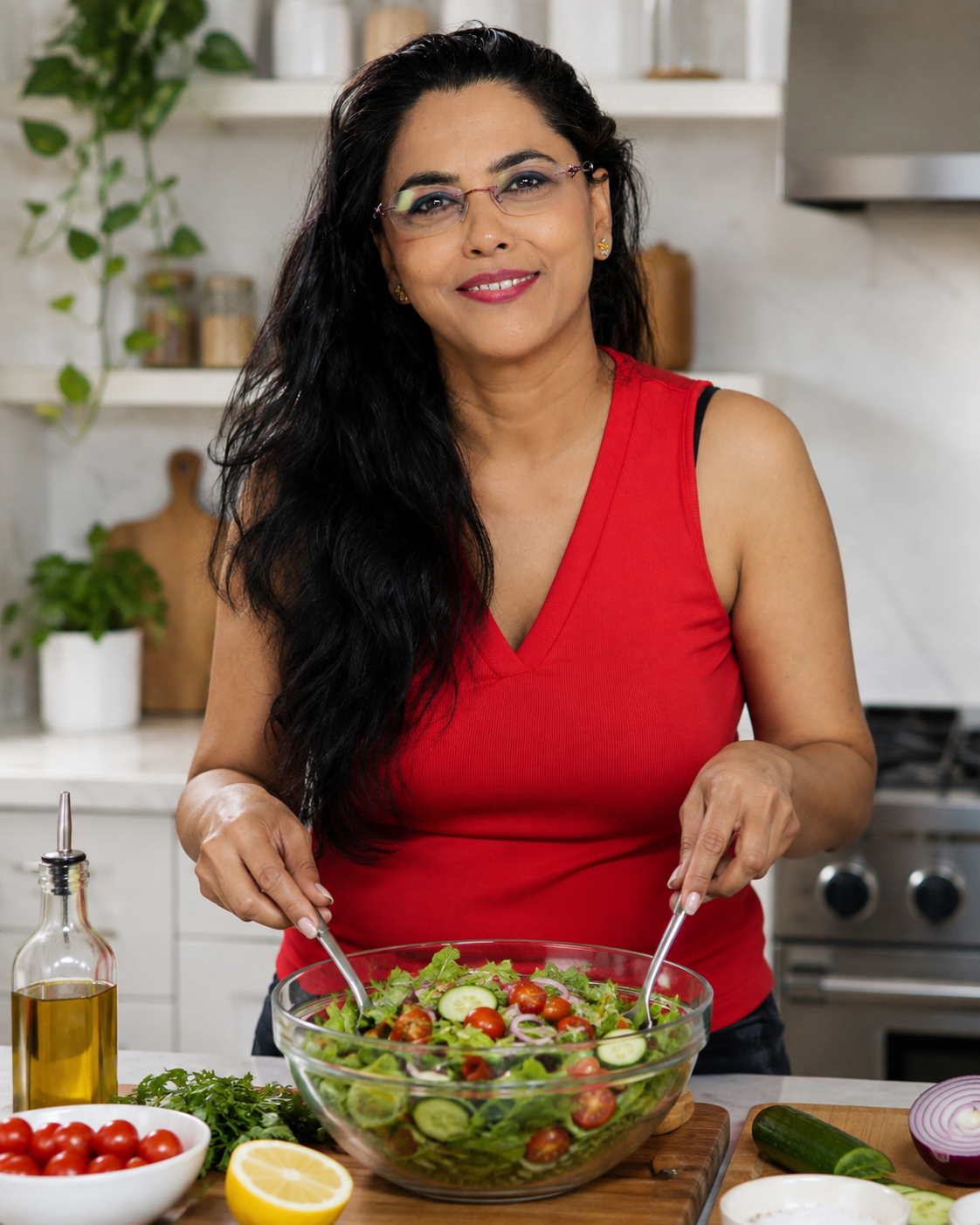
Hi, I’m Veena
I’m the recipe developer, baker, and food photographer behind Veena Azmanov Kitchen.
I’ve spent years developing and testing recipes, from everyday meals and homemade breads to cakes and desserts.
I share the practical tips and little details I’ve learned along the way so you can get great results in your own kitchen.






Delicious recipe! Very good for baking beginners like me 🙂
Wow! With just a few ingredients I can now make an easy and delicious brown sugar shortbread like this. Thanks for the recipe!
It’s been a while since I made shortbread, so your recipe is perfect for me to get back into the shortbread game. Thanks!