
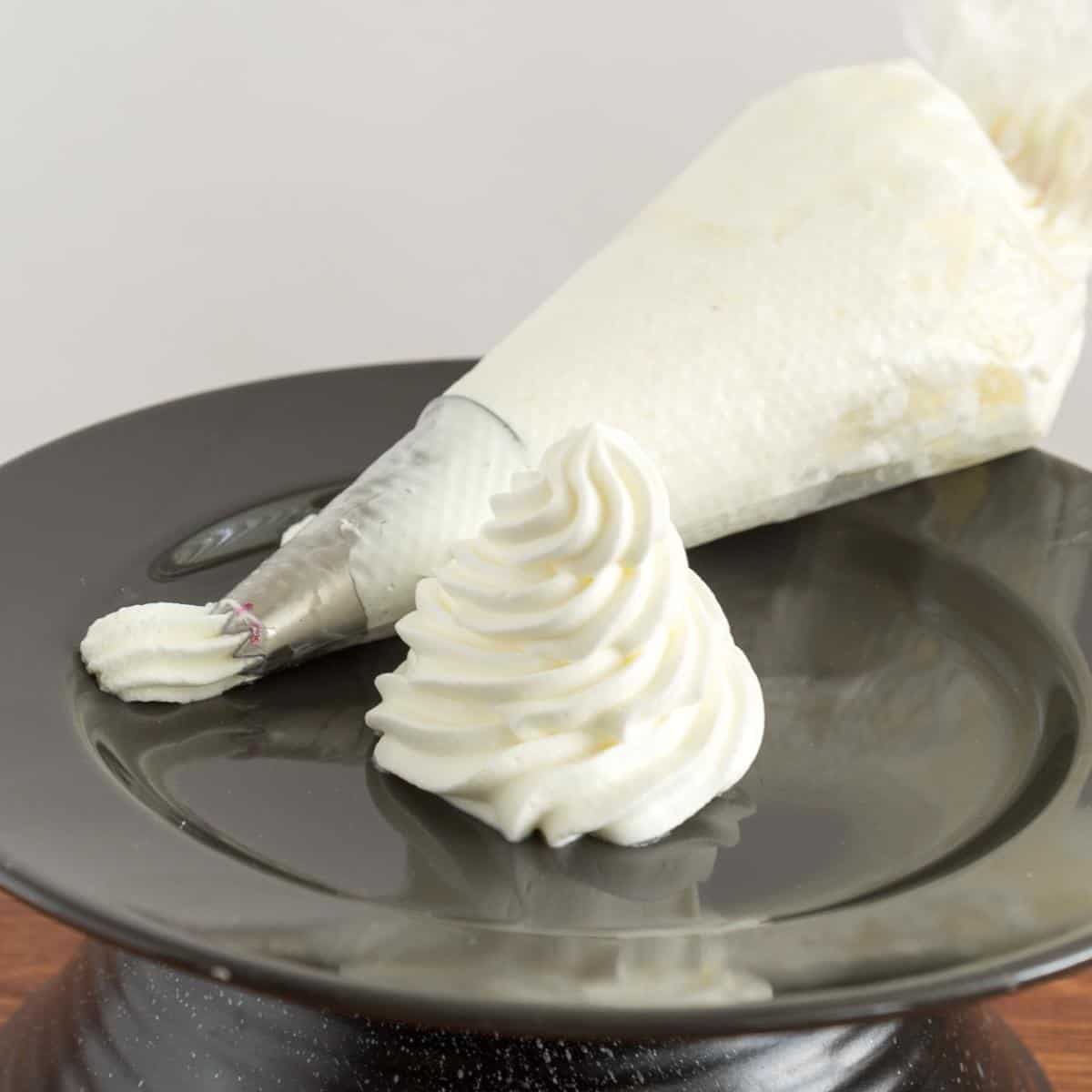










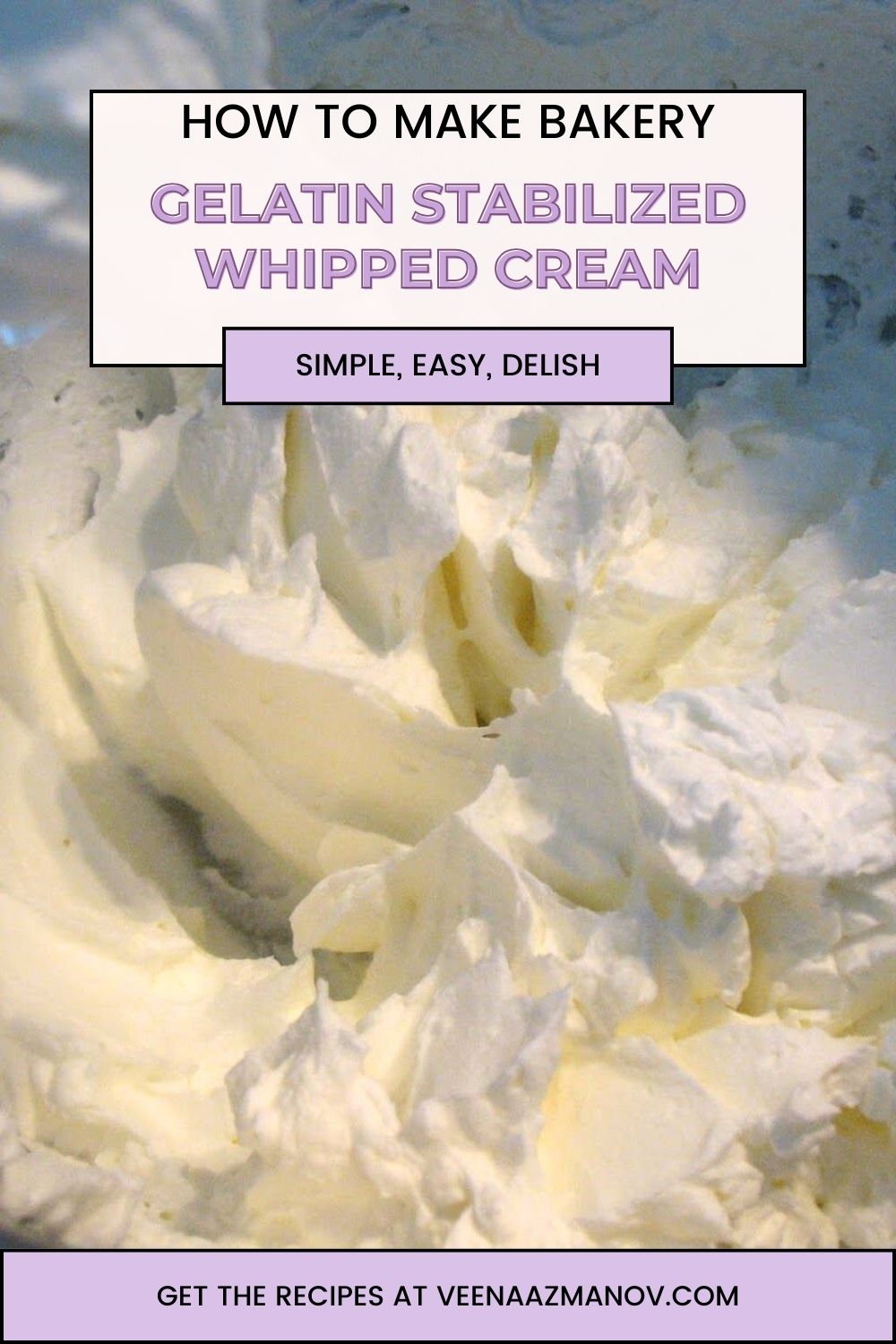
Ever made a beautiful dessert topped with whipped cream—only to watch it melt or deflate a few hours later? Yeah… same. That’s why I always stabilize my whipped cream when I need it to hold its shape—for cakes, cupcakes, or even layered trifles.
In this post, I’ll show you how to stabilize whipped cream using tried-and-tested methods: from bakery-style gelatin to easy pantry swaps like cornstarch and pudding mix. You’ll learn which method is best for piping, which one is great for hot weather, and which works when you just need a quick fix.

As a cake decorator for so many years, I never offered cakes with whipped cream on my menu. Why? Simple—regular whipped cream just doesn’t hold up. The shelf life was too short, and I didn’t want to risk a cake losing its perfect look before my customers even got to enjoy it.
Then, one day, I ran a special offer and decided to try stabilized whipped cream. And let me tell you—GAME CHANGER! Not only did it hold its shape beautifully, but it lasted over two days without weeping or deflating! I couldn’t believe I had been sleeping on this trick for so long.
Since then, stabilized whipped cream is a staple in my kitchen, giving me the best of both worlds—light, fluffy texture with the staying power every decorator dreams of. If you’ve ever struggled with whipped cream melting away too soon, trust me, this is the secret you need.
What Is Stabilized Whipped Cream?
Stabilized whipped cream is just regular whipped cream—but with an added ingredient that helps it keep its shape longer. Instead of melting, weeping, or turning soft after a few hours, stabilized whipped cream stays fluffy, firm, and pipeable for much longer (some methods last up to 3 days).
You don’t need anything fancy—just a small amount of gelatin, cornstarch, cream cheese, or even pudding mix can do the trick.
Why Stabilize Whipped Cream?
- Prevents melting or weeping
- Holds piped shapes and frosting swirls
- Keeps desserts looking fresh for longer
- Essential for cakes, layered desserts, or make-ahead prep
When Should You Stabilize Whipped Cream?
Stabilizing whipped cream isn’t always necessary—but there are specific times when it’s an absolute game-changer. Here’s when you should take that extra step:
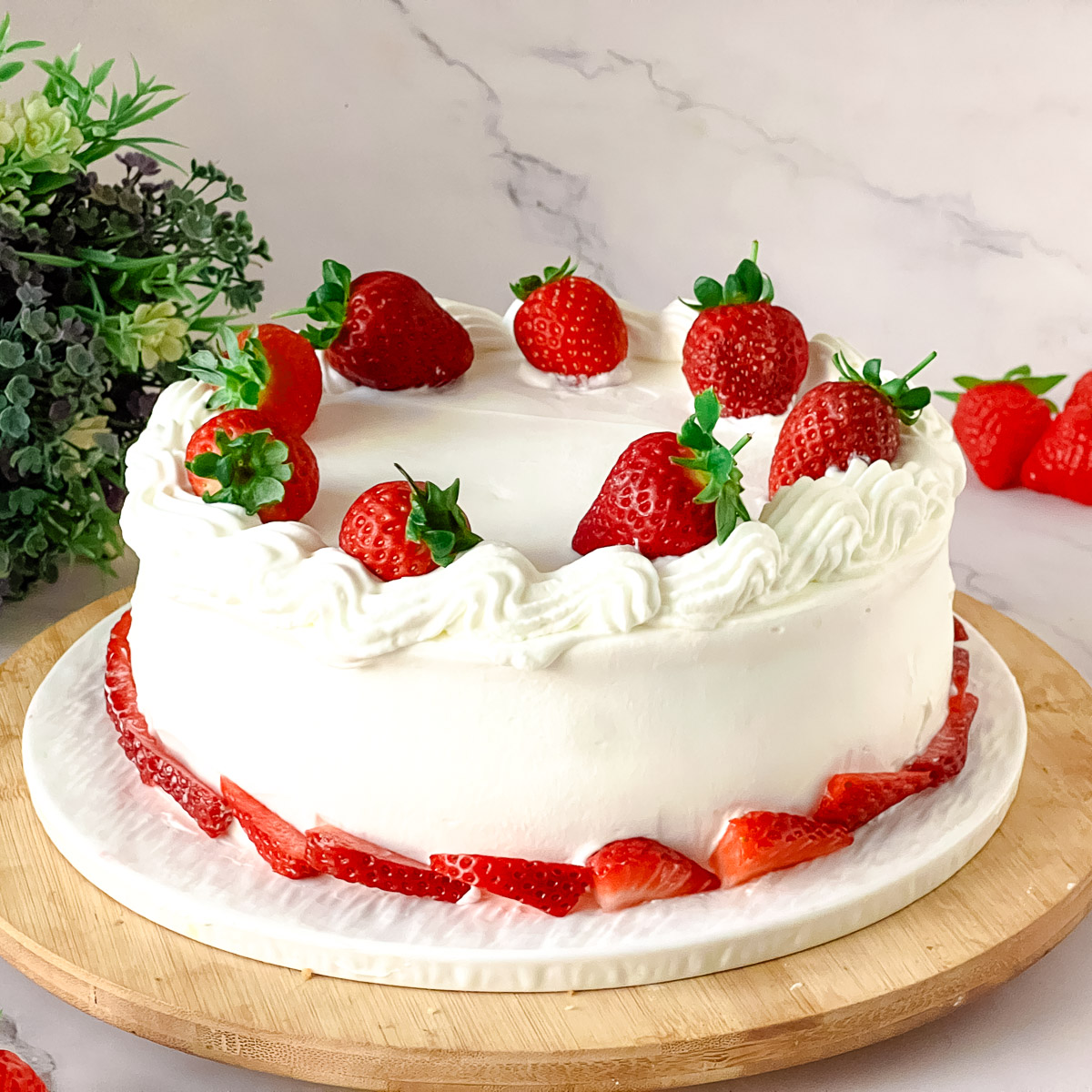
- You’re frosting a cake or cupcakes: Regular whipped cream will start to soften and slide off. Stabilizing keeps your swirls tall and beautiful.
- You need it to last a few hours (or days): Hot weather, transport, or make-ahead desserts? Stabilized whipped cream stays fluffy without weeping.
- You want clean layers in a trifle or parfait: Nothing ruins a pretty glass dessert like droopy cream sinking into the fruit.
- You’re piping decorative shapes: Rosettes, borders, or piped designs hold their form better with structure.
- You’re adding it to warm desserts: Even the gentle heat from pies or cobblers can melt whipped cream unless it’s stabilized.
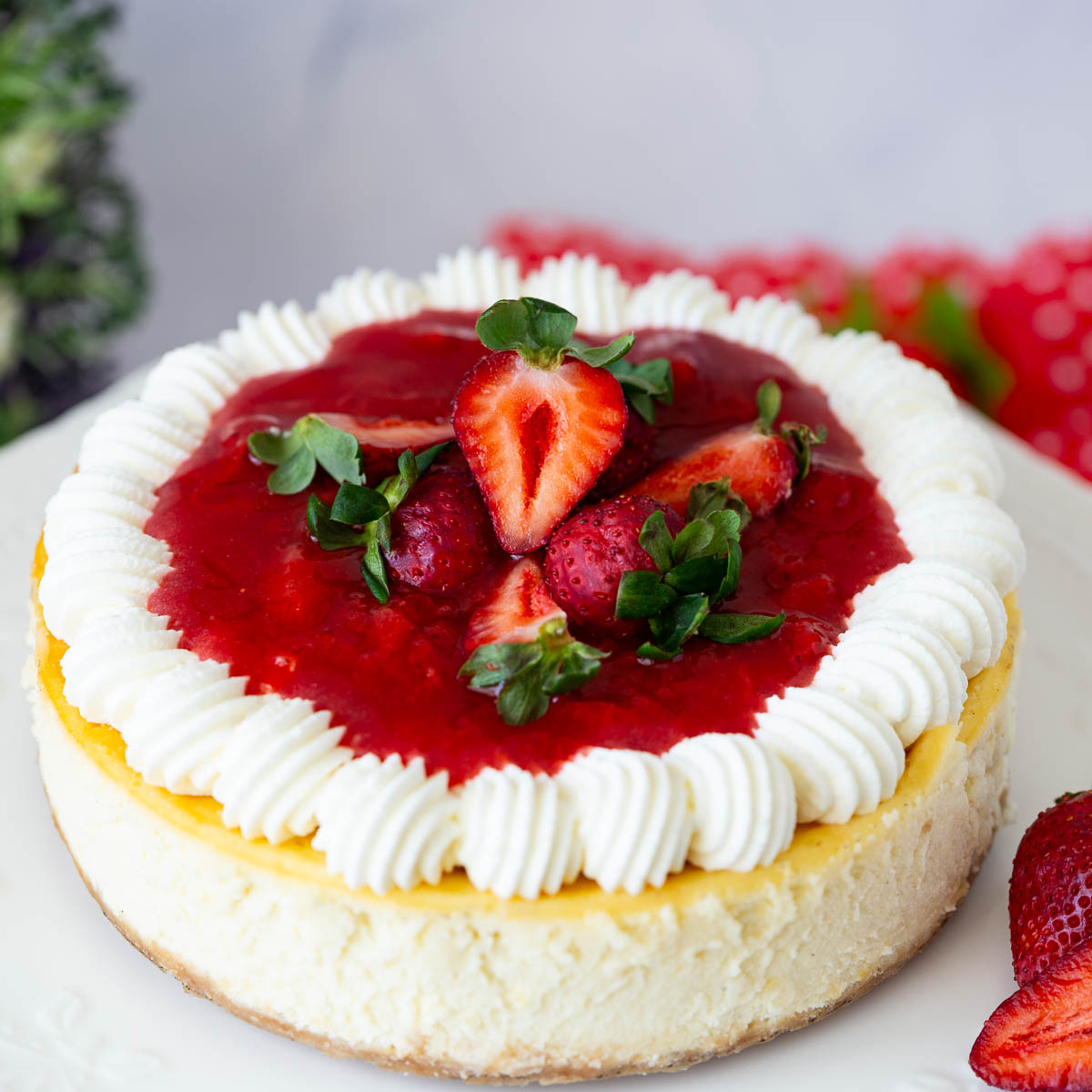
How to stabilize whipped cream with Gelatin (Bakery Method – Strongest Hold)
Gelatin is a classic way to stabilize whipped cream for professional results.
- 1 tsp Unflavored gelatin (I use Knox )
- 2 tbsp Water
- 12 oz (340 ml) Heavy whipping cream
- 2 oz (55 g) Powdered sugar
- 1 tsp Vanilla extract (optional) for flavoring
- Prep the Gelatin:In a small bowl, sprinkle unflavored gelatin over the cold water. Let it sit for 5 minutes to absorb the water and bloom. After blooming, gently heat the gelatin mixture in the microwave for about 10 seconds, or until it has dissolved completely. Let it cool slightly, but not so much that it sets.
- Whip the Cream: In a cold mixing bowl, add the heavy whipping cream and start whipping on medium speed. As it begins to thicken, add powdered sugar and vanilla extract (if using).
- Add the Gelatin: While the cream is still whipping, slowly drizzle the cooled gelatin mixture into the cream. Continue whipping until stiff peaks form. Be careful not to overwhip at this point, or it will become lumpy and start to churn into butter.
- Storage: Use immediately or store in the fridge. Gelatin-stabilized whipped cream should stay firm for 2-3 days.

Other ways to Stabilize Whipped Cream
If you just need a quick solution for whipped cream that won’t melt, here’s a cheat sheet:
- Gelatin gives you the firmest results, perfect for cakes that need to hold up.
- Cream cheese is an easy alternative if you prefer to avoid gelatin,
- while cornstarch or milk powder offer quick fixes for everyday desserts.
| Method | Stability Time | Texture | Flavor Impact | Difficulty | Best For |
|---|---|---|---|---|---|
| Gelatin | 2–3 days | Firm, pipable | Neutral if done right | Moderate | Cakes, hot weather, transport |
| Cream Cheese | 1–2 days | Soft but holds | Slight tang | Easy | Frosting cupcakes, layer cakes |
| Cornstarch | ~12 hours | Light, airy | Slight powdery feel | Very Easy | Quick desserts, no gelatin users |
| Milk Powder | ~12 hours | Slightly thicker | Mild dairy note | Very Easy | Fruit bowls, mousse toppings |
| Pudding Mix | 1–2 days | Smooth, creamy | Adds sweetness & flavor | Easy | Kids’ desserts, flavored toppings |
Can you stabilize whipped cream with Cornstarch? (Pantry Friendly)
- 1 cup heavy whipping cream (chilled)
- 2 tablespoons powdered sugar
- 1 teaspoon vanilla extract (optional)
- 1 tablespoon cornstarch (sifted)
Cornstarch is a simple way to stabilize whipped cream using pantry ingredients. It’s perfect when you need a quick fix for trifles or pies. Begin by whipping chilled cream…
- Pour chilled heavy whipping cream into the bowl and begin whipping on medium speed until it starts to thicken. Add powdered sugar and vanilla extract (if using), then gradually sprinkle in sifted cornstarch as the cream reaches soft peaks. Continue whipping until stiff peaks form. Use immediately or store in the fridge for up to 8 hours—perfect for topping desserts when you need a little extra hold.
- Best for: Topping pies, trifles, or no-bake desserts that will be served within a few hours.
- Hold time: About 6–8 hours in the fridge. Not ideal for piping or decorating cakes.
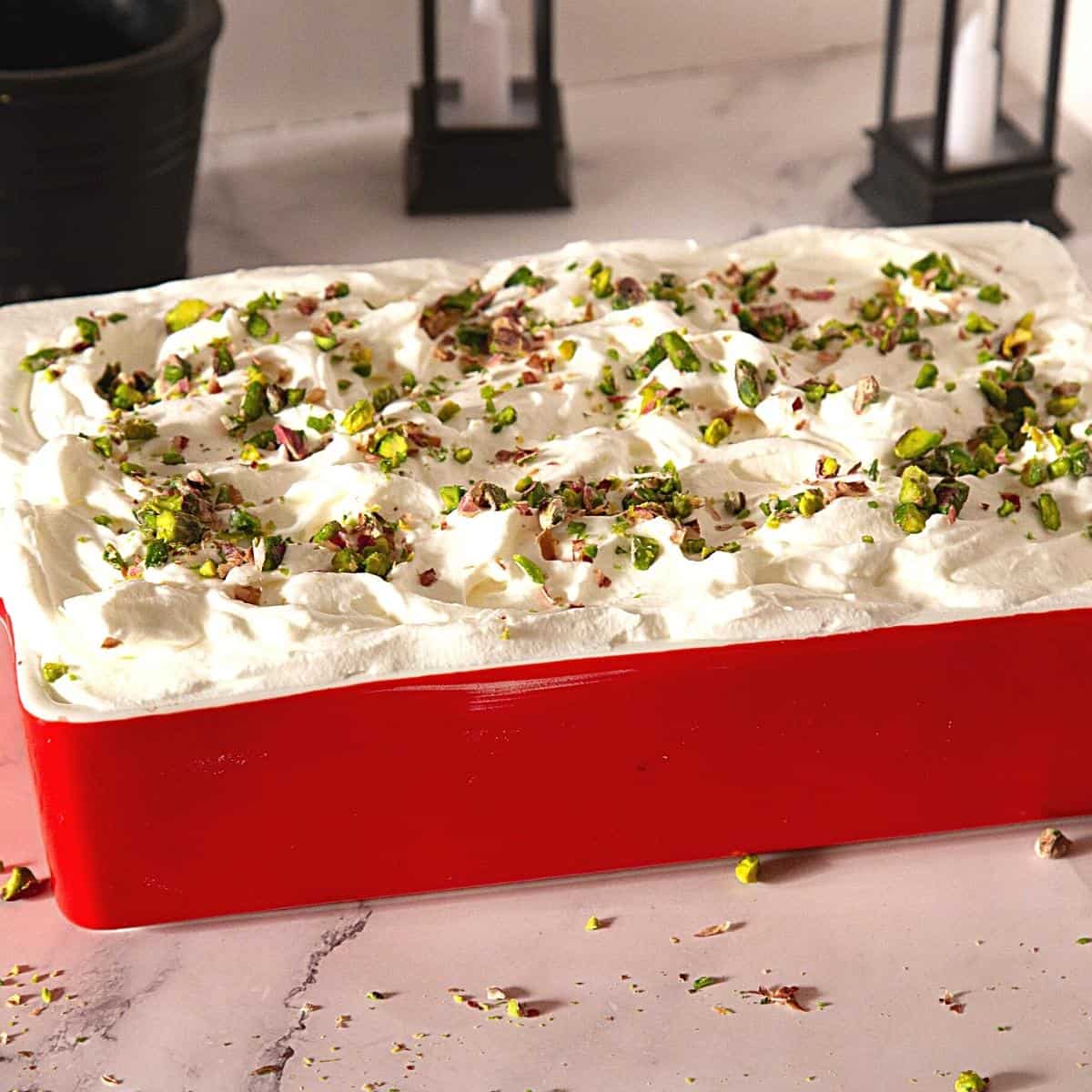
Can you stabilize whipped cream with Instant Pudding Mix (Foolproof Shortcut)
- 1 cup heavy whipping cream (cold)
- 1 tablespoon instant pudding mix (vanilla or other flavor)
- 2 tablespoons powdered sugar
- 1 teaspoon vanilla extract (optional)
Using pudding mix to stabilize whipped cream is a quick and foolproof trick—especially when you want flavor and structure in one step.
- In a chilled mixing bowl, whip the heavy cream on medium speed until it begins to thicken. Add the powdered sugar, vanilla extract if using, and instant pudding mix.
- Continue whipping until the cream forms stiff peaks. The pudding mix helps stabilize the whipped cream, giving it a thicker texture that holds its shape for 2 to 3 days—great for cupcakes, trifles, and make-ahead desserts.
Best for: No-bake desserts, trifles, cupcake topping
Hold time: 2 to 3 days refrigerated

Can you stabilize whipped cream with cream of tartar?
- 1 cup heavy whipping cream (cold)
- 2 tablespoons powdered sugar
- 1 teaspoon vanilla extract (optional)
- 1/4 teaspoon cream of tartar
Cream of tartar can help stabilize whipped cream with a clean, light texture—great for short-term desserts.
- In a chilled mixing bowl, whip the heavy cream on medium speed until it starts to thicken. Add the powdered sugar, vanilla extract if using, and cream of tartar.
- Continue whipping until stiff peaks form. The cream of tartar acts as an acid stabilizer, helping the whipped cream hold its shape longer while maintaining a light texture—ideal when you want a natural stabilizer without added starches or gelatin.
Best for: Light desserts, short-term piping, serving the same day
Hold time: 12 to 24 hours refrigerated
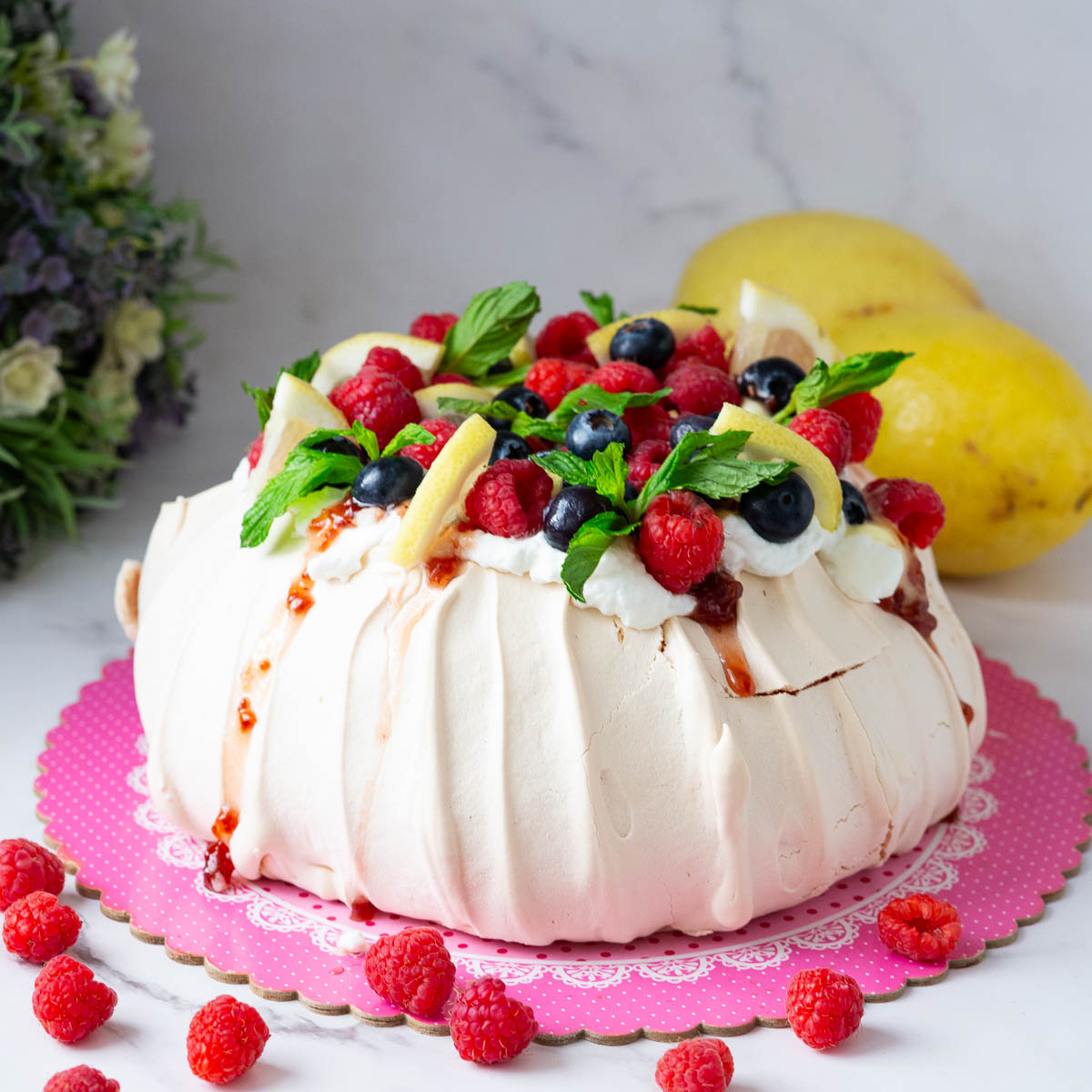
Can you to stabilize whipped cream with powdered milk
- 1 cup heavy whipping cream (cold)
- 2 tablespoons powdered sugar
- 1 teaspoon vanilla extract (optional)
- 1 tablespoon powdered milk (nonfat dry milk)
Powdered milk adds structure to whipped cream by boosting protein content. It’s subtle but effective—perfect for fruit bowls or mousse toppings. Just add while whipping…
- In a chilled mixing bowl, whip the heavy cream on medium speed until it begins to thicken. Add the powdered sugar, vanilla extract if using, and powdered milk.
- Continue whipping until stiff peaks form. The powdered milk adds protein that helps reinforce the structure of the whipped cream, making it slightly firmer without affecting the flavor—an easy, shelf-stable option for a subtle hold.
Best for: Everyday desserts, topping fruit, short-term frosting
Hold time: 12 to 24 hours refrigerated

Can you stabilize whipped cream with Cream Cheese (Rich & Pipeable)
- 1 cup heavy whipping cream (cold)
- 2 tablespoons powdered sugar
- 1 teaspoon vanilla extract (optional)
- 2 tablespoons cream cheese (softened, full-fat)
Stabilizing whipped cream with cream cheese gives it a rich, frosting-like texture—ideal for cupcakes or cakes. Start by beating the cream cheese until smooth…
- In a chilled mixing bowl, whip the heavy cream until it begins to thicken. In a separate bowl, beat the softened cream cheese until smooth and lump-free.
- Add the cream cheese, powdered sugar, and vanilla extract to the whipped cream and continue whipping until stiff peaks form. The cream cheese adds body and structure, giving you a rich, pipeable whipped cream that holds beautifully and tastes like a light frosting.
Best for: Cupcakes, cakes, fruit dip, frosting
Hold time: 2 to 3 days refrigerated
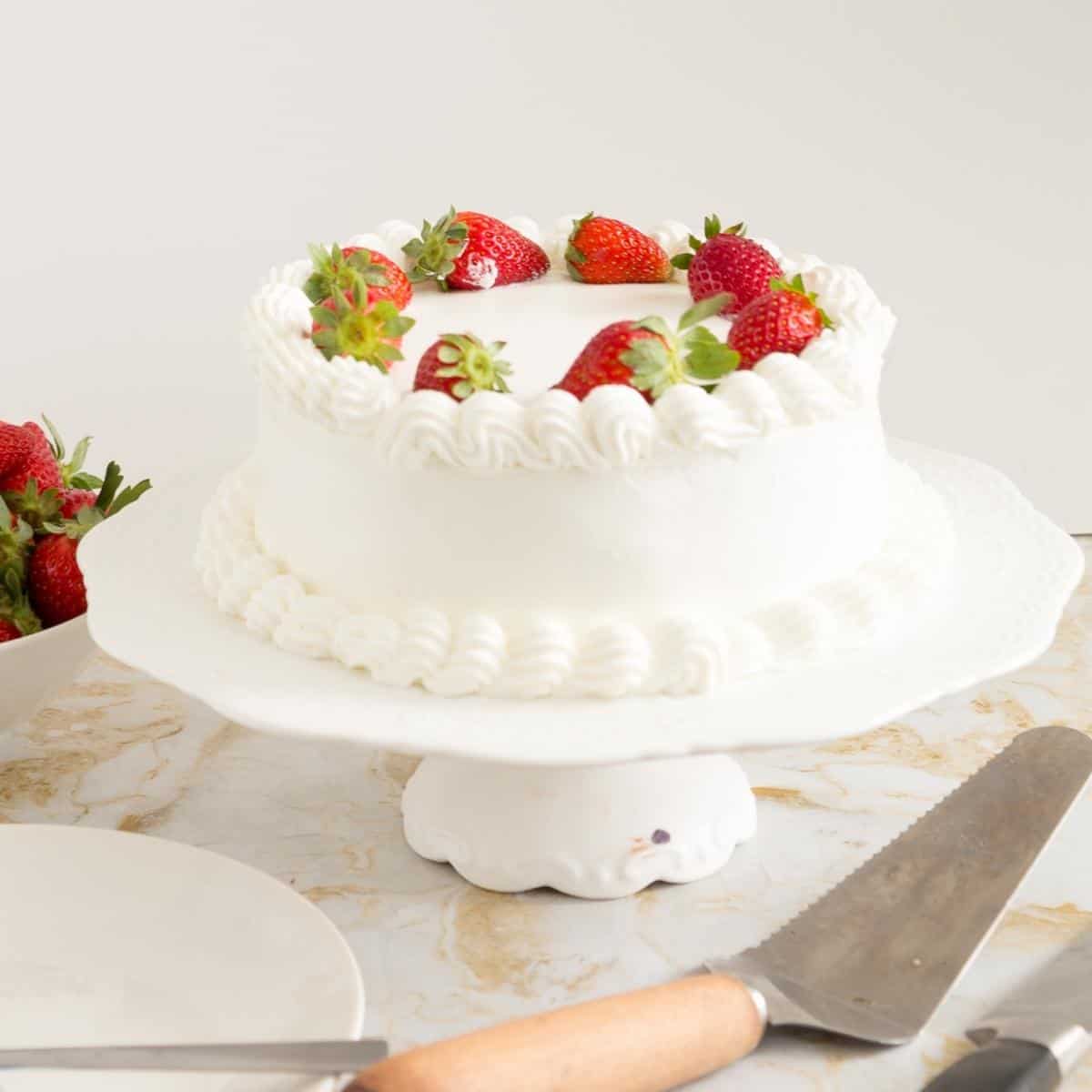
Tips for Success
- Chill your bowl and beaters before starting
- Don’t overheat gelatin—just warm enough to dissolve
- Add stabilizer at soft peak stage, not too early or too late
- Stop whipping once you reach stiff peaks
- Use stabilized whipped cream immediately, or refrigerate right away
Troubleshooting
- Not Thickening: If your whipped cream is not thickening, it could be because the cream, mixing bowl, or beaters weren’t cold enough. Ensure everything is well chilled before whipping.
- Overwhipped: If you’ve overwhipped your cream, it may become grainy, curdled, or even turn into butter. Unfortunately, there’s no way to reverse this. Start with fresh cream and be cautious not to whip it too much.
- Underwhipped: If your whipped cream is too soft and doesn’t hold its shape, it’s likely underwhipped. Keep whipping until it forms stiff peaks.
- Separation: If your whipped cream starts to separate and become watery, it could be due to overwhipping or using cream with too low fat content. Start over with fresh cream and whip it just until it forms stiff peaks.
- Lumps: Lumps in whipped cream may occur if your stabilizing agent (such as gelatin or cornstarch) wasn’t fully dissolved before adding it to the cream. Ensure proper dissolution and gradual incorporation.
- Grainy Texture: A grainy texture in whipped cream can result from overwhipping or using expired cream. Start fresh with cold cream and avoid overwhipping.
- Chocolate Cake with Whipped Cream
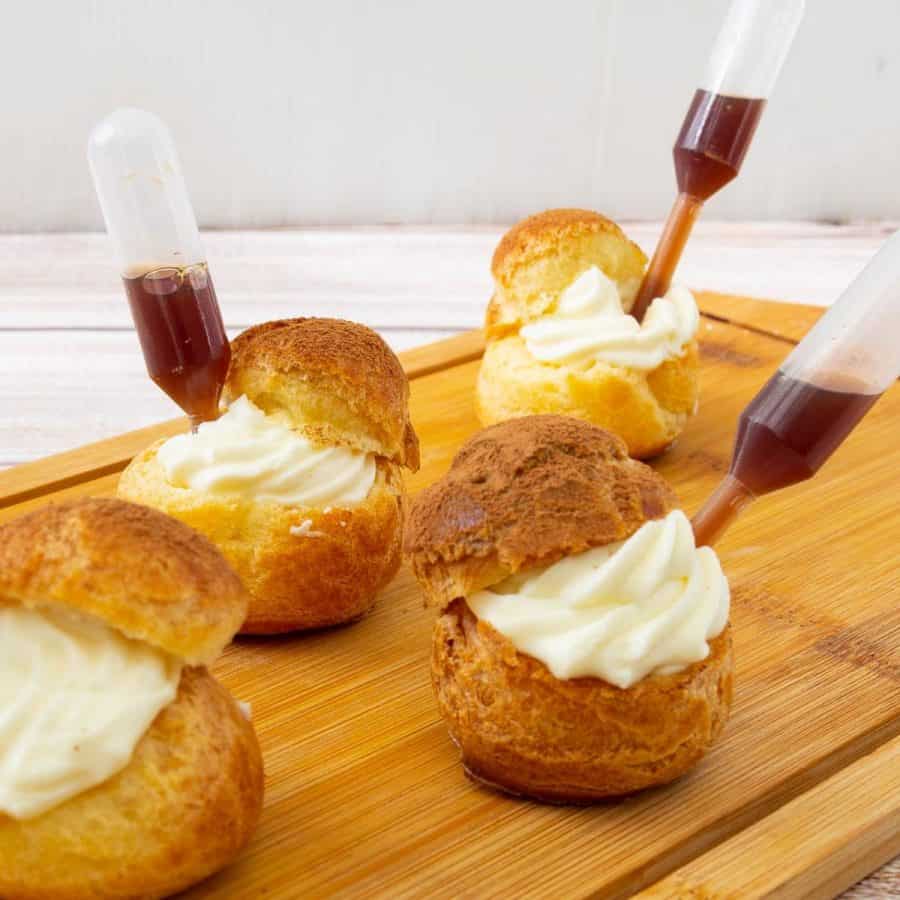
- Cream Puffs with whipped cream
- Pumpkin Cake with Whipped Cream Buttercream
- Vanilla Sour Cream Cupcakes with Whipped Cream Buttercream
- Mascarpone cream cake



Frequently asked questions
Depending on the method, it can last 6 hours to 3 days. Gelatin is the most stable.
You can pipe it onto parchment, freeze, then store in an airtight container. Thaw in the fridge before using.
Low-fat creams (25% fat) can be whipped if you work with them while very chilled. Chill the cream, as well as all the equipment used to whip it. Additionally, place the bowl of whipped cream over a bowl of ice while whipping it. Low-fat creams can also be stabilized; however, the consistency of these will be quite loose and won’t hold shape.
Yes! Try cornstarch, pudding mix, or cream cheese—each gives different results depending on how long you need it to last.
Use gelatin or cream cheese methods—they hold their shape best for rosettes and swirls.
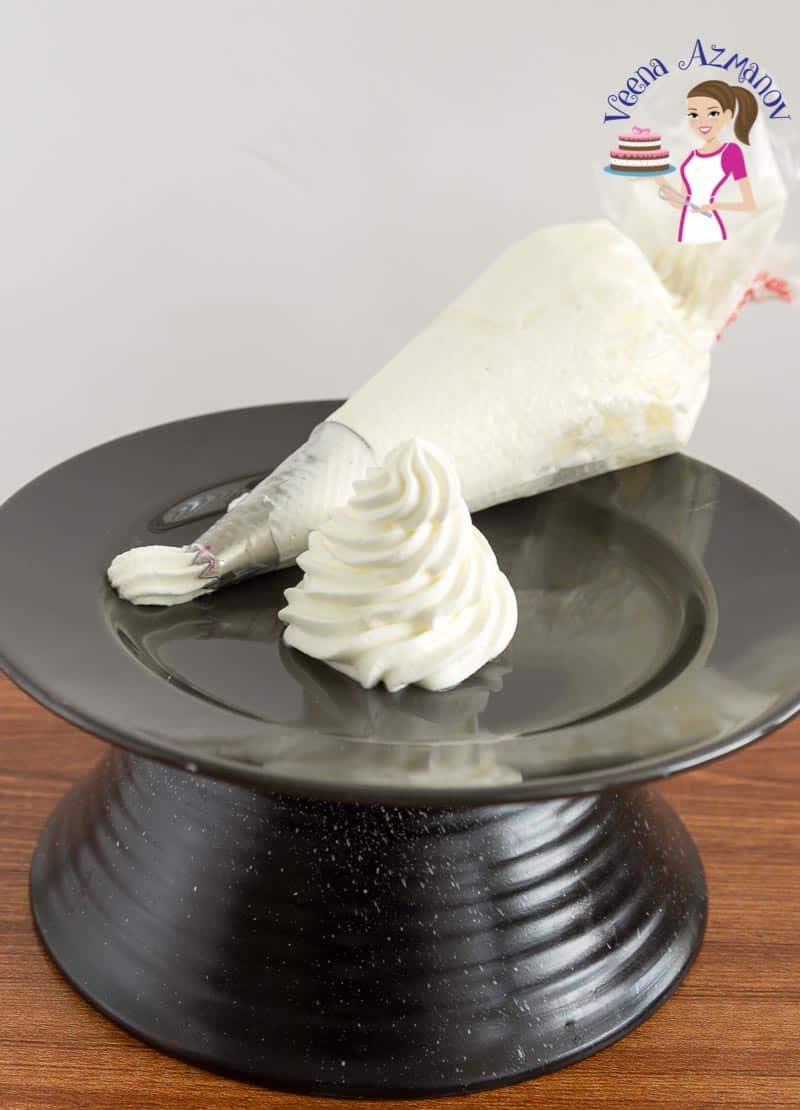
How to Stabilize Whipped Cream
We all need our whipped cream dessert to look just as beautiful tomorrow as it does today. But keeping whipped cream fresh longer can be tricky. These five simple and easy methods to stabilize whipped cream will make sure your cakes, cupcakes, and desserts look fresh longer.
Video
Ingredients
- 1 tsp Unflavored gelatin I use Knox flavorless gelatin
- 2 tbsp Water
- 12 oz (340 ml) Heavy whipping cream or double cream 38% chilled
- 2 oz (55 g) Powdered sugar (optional) to taste
- 1 tsp Vanilla extract (optional) for flavoring
Method
- Prep the Gelatin: In a small bowl, sprinkle unflavored gelatin over the cold water. Let it sit for 5 minutes to absorb the water and bloom. After blooming, gently heat the gelatin mixture in the microwave for about 10 seconds, or until it has dissolved completely. Let it cool slightly, but not so much that it sets.1 tsp Unflavored gelatin , 2 tbsp Water
- Whip the Cream: In a cold mixing bowl, add the heavy whipping cream and start whipping on medium speed. As it begins to thicken, add powdered sugar and vanilla extract (if using).12 oz Heavy whipping cream, 2 oz Powdered sugar , 1 tsp Vanilla extract
- Add the Gelatin: While the cream is still whipping, slowly drizzle the cooled gelatin mixture into the cream. Continue whipping until stiff peaks form. Be careful not to overwhip at this point, or it will become lumpy and start to churn into butter.
- Storage: Use immediately or store in the fridge. Gelatin-stabilized whipped cream should stay firm for 2-3 days.
Notes
- Chill everything – Cold cream, a cold bowl, and cold beaters are non-negotiable. Warm cream won’t whip, and the gelatin can react poorly if things heat up too early.
- Bloom the gelatin properly – Don’t skip this step. Let the gelatin sit in cold water for a few minutes so it absorbs fully—this avoids grainy bits later.
- Don’t overheat the gelatin – Heat just until melted and smooth. If it boils or gets too hot, it loses strength and won’t stabilize anything.
- Cool the gelatin before adding – Let the melted gelatin cool slightly so it’s still liquid but no longer warm—hot gelatin + cold cream = disaster.
- Add gelatin at soft peaks – If you wait too long, it won’t incorporate. Add it when the cream is thickened but not stiff yet, then whip to firm peaks.
- Don’t overwhip – Once you hit stiff peaks, stop! Overwhipping leads to grainy, clumpy cream—or butter.
- Use within a few minutes – The gelatin starts setting quickly, so get piping or frosting soon after whipping.
- Refrigerate immediately – Stabilized whipped cream is best stored cold. It holds for 2–3 days, but always keep it covered and chilled.
Equipment you will need

Nutrition
Tried this recipe?
Mention @veenaazmanov_kitchen or tag #veenaazmanovkitchen!- How to Make Yogurt or Greek Yogurt
- How to cook basmati rice
- Homemade Caramel Sauce
- Homemade Butterscotch Sauce


Don’t lose this recipe! Save it for Later!
📌 Save this Recipe for later on Pinterest so you can easily find it again.
⭐ Add Veena Azmanov Kitchen to your Google Preferred Sources.
It helps Google show you more of our recipes.
📧 Subscribe for new recipes delivered to your inbox.
🎥 Follow us for more recipes

Hi, I’m Veena
I’m the recipe developer, baker, and food photographer behind Veena Azmanov Kitchen.
I’ve spent years developing and testing recipes, from everyday meals and homemade breads to cakes and desserts.
I share the practical tips and little details I’ve learned along the way so you can get great results in your own kitchen.










Used this last week. Worked great. Thanks
Thank you, Glend. So happy you have success with this recipe and enjoyed it. Thank you for coming back to write this feedback too. Have a wonderful day.
Thank you for this recipe. I used it on my black forest cake last week. Worked like a charm
Thank you, Marcoov. So happy you have success with this recipe and enjoyed it. Thank you for coming back to write this feedback too. Have a wonderful day.
Hi Veena,
Thank you for these tips. Ill try it tomorrow. Just want to ask if i can fill layer with this and cover with swiss meringue butter icing?. Urgent response needed please. Thank you
Yes absolutely Tobore. You can fill a cake with whipped cream and frost it with Swiss Meringue BC
Oh great, Ill do that next time. I used your recipe today.At some point it curdled and i almost wept, then i popped it in the freezer for a few minutes and it got stabled enough to use. The silkiness was heavenly!
All conditions were perfect and i followed all instructions, against next time please what can i take note of especially?
Ah!! Sounds like you added the mix hot? or the weather was really hot? I usually use a bowl of ice water below my whipped cream in summer. This really helps a lot.
I used flavored gelatin last week and it really was so good. So happy I found your blog. THanks for sharing
Thank you, Azot. So happy you have success with this recipe and enjoyed it. Thank you for coming back to write this feedback too. Have a wonderful day.
Just curious, could you use flavored gelatin with the same method? Give it a little extra flavor? I just used blue raspberry Jello in frosting and it was great, so it was in my head as I read this. ?
Oh Yes absolutely!! Extra flavor is always welcome right?
hi mam, very well explained. i have some questions plz help me out.
When i use whipped cream piping or decorationg the cake my cream is melting in my hands. And its coming runny from the nozzels.
And if i wanted to take my decorated cake outside in summer days my cream is melting. Plzzzzz mam help me out thanks
Anita sounds like you live in a very hot and humid place. Also are you using fresh cream or soy cream? The cream will usually melt when it’s warm which is why we have to keep in the fridge and yet the fresh whipped cream should work for a while. Try the gelatin version.
I also read somewhere that if you add a pinch of salt to the one that uses the powdered sugar (or I guess you could do it to any of the recipes) it will help cut down on the sweetness. It actually works! Thanks for all the great tips and recipes!
I add a pinch of salt in all my desserts and sweet stuff. almost everythign I make lol. I think it really brings out the flavors more and yes in buttercream it does help cut the sweetness.
Hi, thanks for the detailed info. I follow your YouTube channel too religiously, and love it. I have one question to ask you, I want to add pastry cream to my whipped cream, do you recommend using Gelatin(I used agar agar last time, it didn’t really become stiff), or just add pastry cream. I want something stable to be used as a filling for the cake. Looking forward to your reply.
TIA
Hey Madiha. Thank you! I have a Vanilla Pastry Cream for cake filling recipe, it’s a bit stiffer than the pastry cream we use for desserts. And then you can add a stabilized whipped cream which uses gelatin. The two together should hold very well in the cake.
I have tried using gelatin to stabilize whipped cream in the past but often ended up with lumps of gelatin in the cream…I just tried your “tempering” method and it worked like a charm. Thank you so much. My strawberry and cream cake turned out great.
Ah, I know what you mean Debbie. Those gelatine grains can be such a pain. I’ve done that in the past. So happy my method worked for you. Tempering is the full proof method for sure with whipped cream and gelatin. That strawberry and cream cake sounds yum. Love fresh flavors like these
I love ur blog. I made cake with whipped cream filling and stabilized whipped cream frosting. Then,I decorated the overnight refrigerated cake with the fondant but after 30 min on room temp,my fondant started melting. I don’t know the reason. Can you help me??
Hey Chhavi! why are you covering a whipped cream cake with fondant? Why not use buttercream instead? whipped cream is very light and has high moisture content – fondant is very heavy over such a delicate icing and the moisture melts the fondant. Next time use buttercream. Keep whipped creams just as it. They are best served as ‘whipped cream dessert cakes’