Wooden cutting boards are a kitchen staple, prized for their durability, aesthetic appeal, and gentle touch on knife blades. However, knowing how to clean and care for them properly is essential to keep them in top condition.
Welcome to Tip Thursday where I share easy tips and tricks for cooking, baking, and kitchen. Today, I’m sharing my best tips and suggestions for maintaining your wooden cutting boards, as well as recommendations on selecting the right board for different tasks
Why Choose Wooden Cutting Boards?
Wooden cutting boards are not only beautiful but also functional. They’re gentle on knives, preventing dulling, and they have natural antimicrobial properties. However, wood is a porous material that requires regular care to prevent warping, cracking, and bacterial buildup.
Cleaning Your Wooden Cutting Board:
- Hand Wash Only: Never put a wooden cutting board in the dishwasher. The heat and water can cause the wood to warp and crack. Instead, wash your board by hand with warm, soapy water immediately after use.
- Avoid Soaking: Don’t let your board soak in water, as this can cause it to absorb moisture and expand. Quickly wash and dry it to prevent water damage.
- Disinfect Naturally: To disinfect your board, use a solution of white vinegar and water. Alternatively, you can sprinkle coarse salt over the surface, rub it with a halved lemon, and rinse. Both methods help to sanitize and deodorize your board naturally.
- Deep Clean Periodically: For a deeper clean, use a paste of baking soda and water. Scrub the board gently with a sponge or brush, rinse, and dry thoroughly.
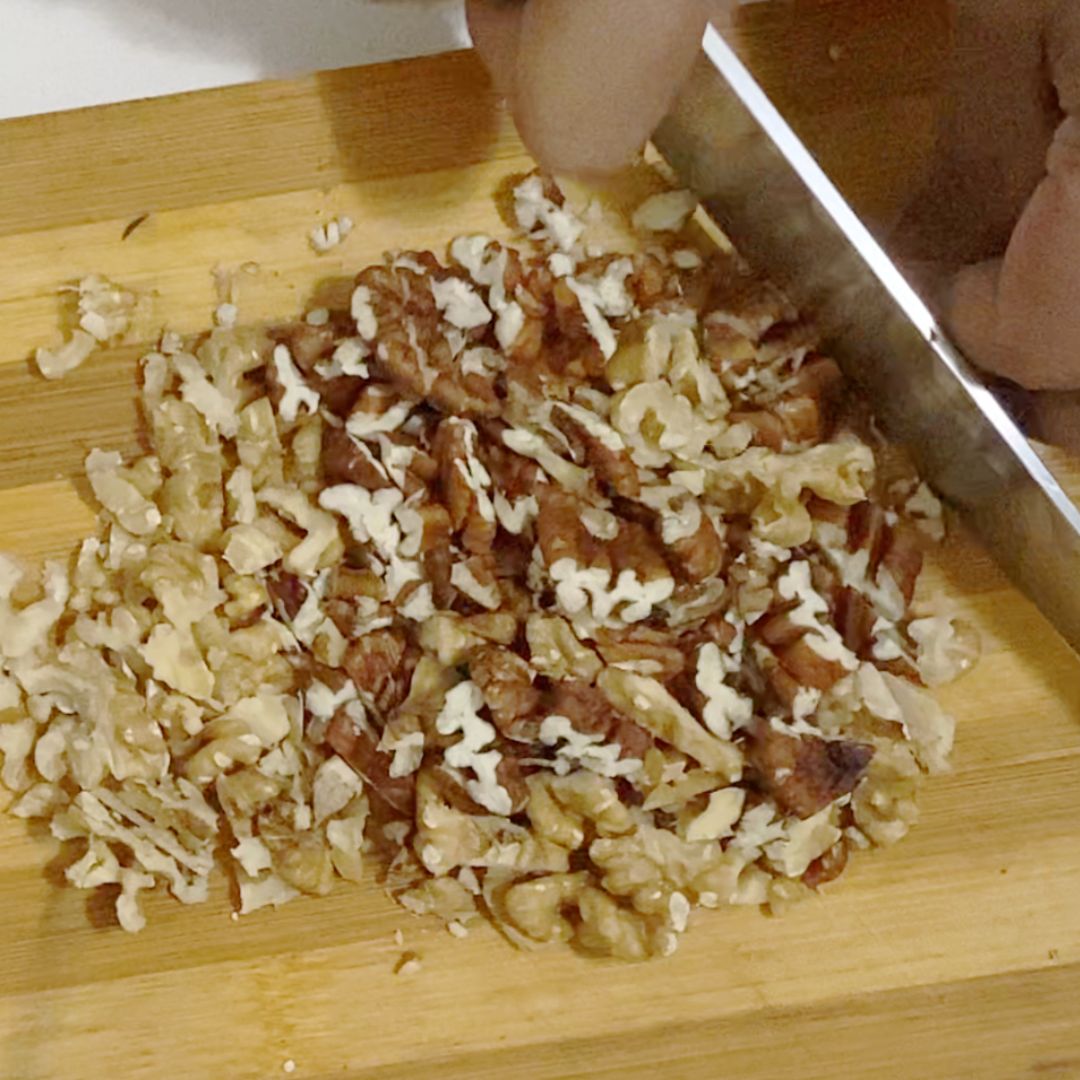
Maintaining Your Wooden Cutting Board:
- Oil Regularly: Regularly oiling your wooden cutting board helps to maintain its moisture and prevent drying out. Use food-grade mineral oil or a specialized cutting board oil. Apply a generous amount, let it soak in for a few hours or overnight, and wipe off the excess with a clean cloth.
- Condition with Beeswax: For extra protection, you can use a beeswax and mineral oil blend. This creates a water-resistant barrier, adding an extra layer of protection.
- Sand Out Stains and Cuts: Over time, your board may develop stains or deep cuts. Lightly sanding the surface with fine-grit sandpaper can help remove these imperfections. After sanding, re-oil the board to restore its finish.
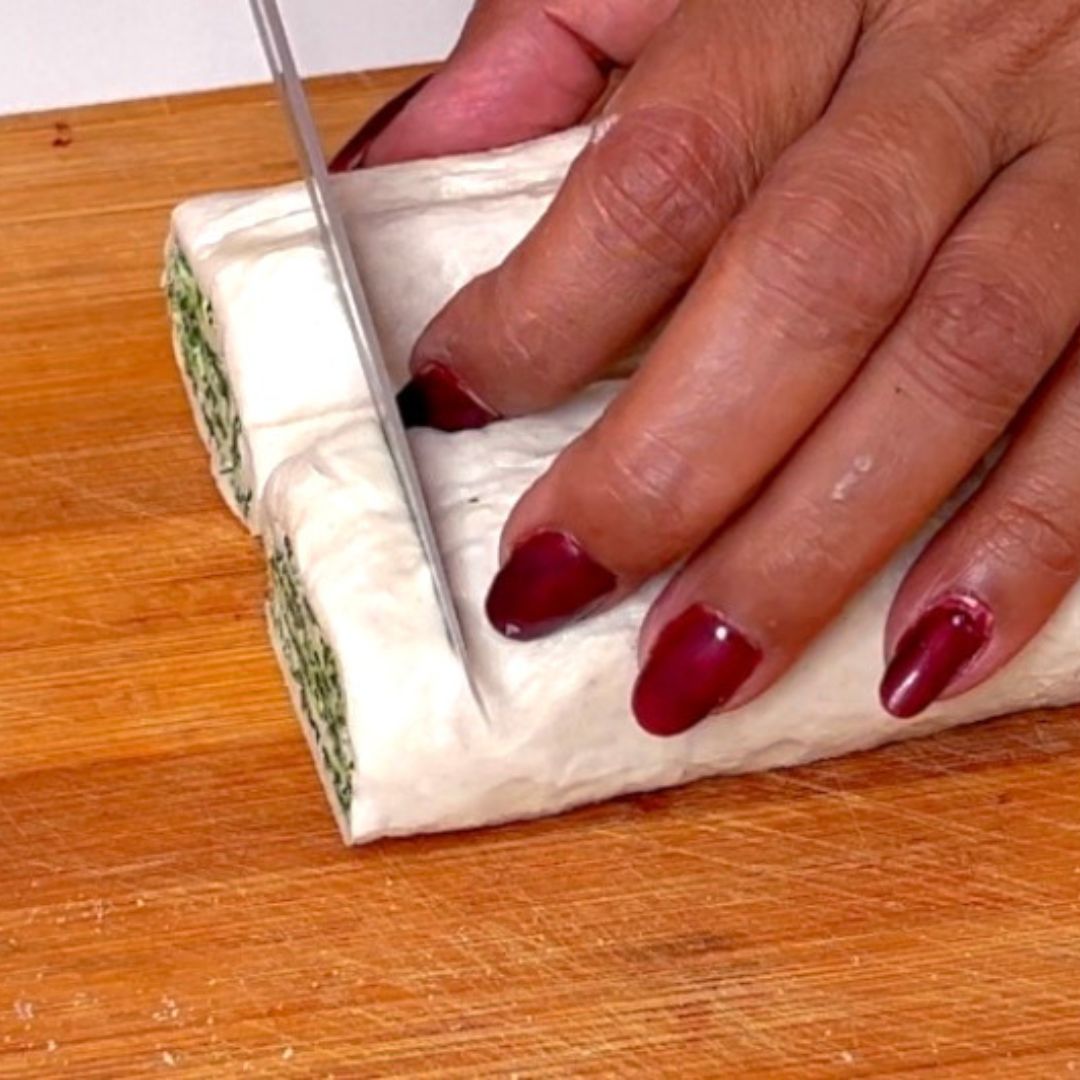
Best Wooden Boards for Different Tasks:
- End Grain Cutting Boards: These boards are made by arranging the wood so the grain faces upward. They’re self-healing, meaning knife cuts close up, and they’re gentle on knife blades. Ideal for heavy chopping tasks.
- Edge Grain Cutting Boards: Made with the wood grain running parallel to the surface, these boards are durable and often more affordable than end grain boards. They’re excellent for general kitchen tasks.
- Teak Cutting Boards: Teak is naturally moisture-resistant and has high oil content, making it less prone to warping. It’s a great all-purpose board, especially in humid environments.
- Maple Cutting Boards: Maple is a hard, dense wood that resists cuts and scratches. It’s a popular choice for its durability and beautiful appearance, suitable for all types of kitchen work.
- Bamboo Cutting Boards: Although technically a grass, bamboo boards are lightweight, durable, and eco-friendly. They’re harder than most woods, so they can be tougher on knives but are excellent for light to medium tasks.
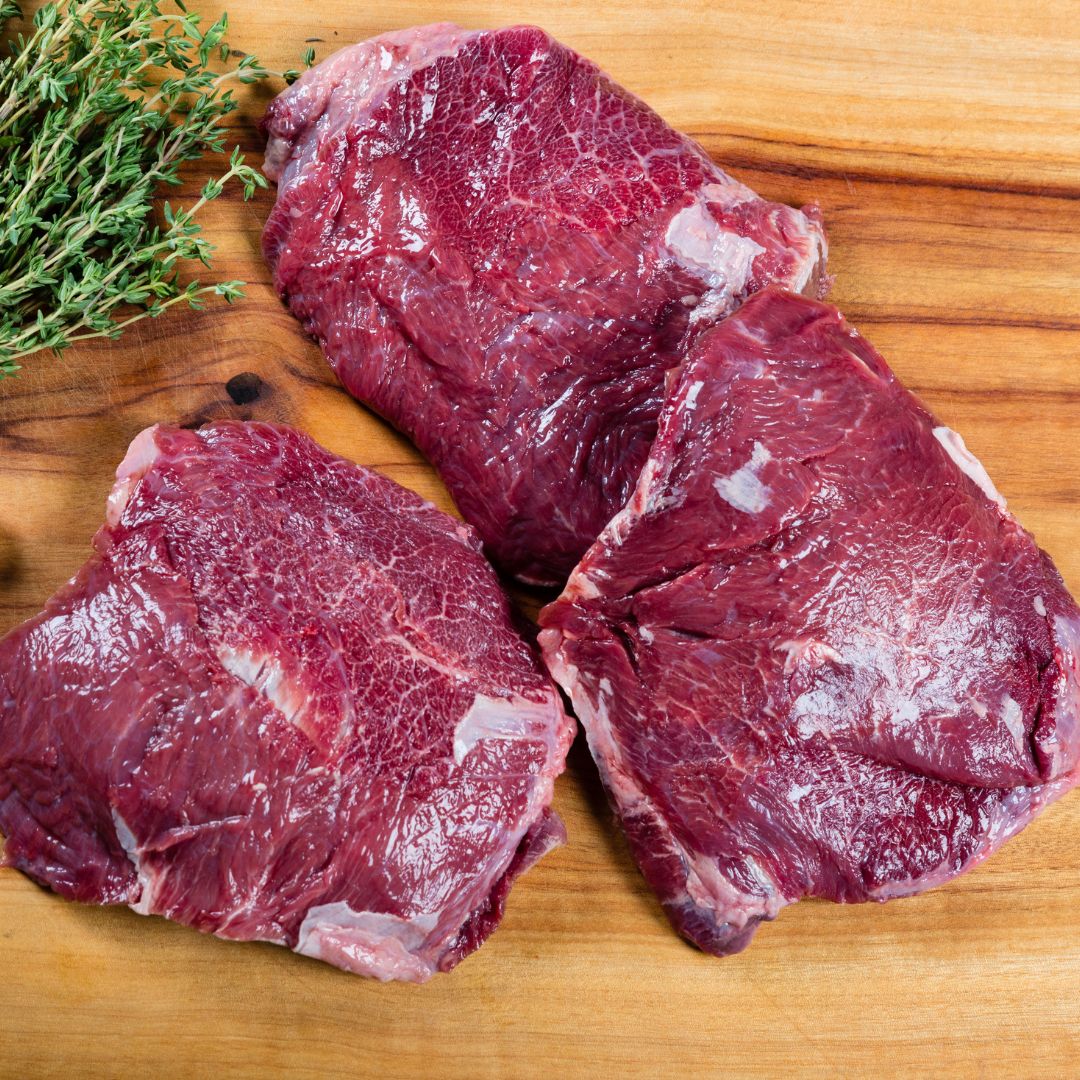
Choosing the Right Board for the Right job
- For Meat and Poultry: Use a sturdy, thick board like an end grain or teak board. These can handle the heavy chopping and carving required without damaging the board.
- For Vegetables and Fruits: Edge grain or bamboo boards are perfect for lighter tasks, providing a smooth surface that’s easy to clean.
- For Bread and Pastries: A dedicated maple or bamboo board works well, offering a flat, clean surface for cutting bread or rolling out dough
- How to Store Spices, Grains, Pulses from Humidity and Insects
- Freezing Food the Right Way
- Refrigeration 101: Should or Should Never Be Refrigerated
- Efficient Kitchen Organization for Better Cooking
- Understanding Cooking Oils: Uses and Storage



Don’t lose this recipe! Save it for Later!
📌 Save this Recipe for later on Pinterest so you can easily find it again.
⭐ Add Veena Azmanov Kitchen to your Google Preferred Sources.
It helps Google show you more of our recipes.
📧 Subscribe for new recipes delivered to your inbox.
🎥 Follow us for more recipes

Hi, I’m Veena
I’m the recipe developer, baker, and food photographer behind Veena Azmanov Kitchen.
I’ve spent years developing and testing recipes, from everyday meals and homemade breads to cakes and desserts.
I share the practical tips and little details I’ve learned along the way so you can get great results in your own kitchen.