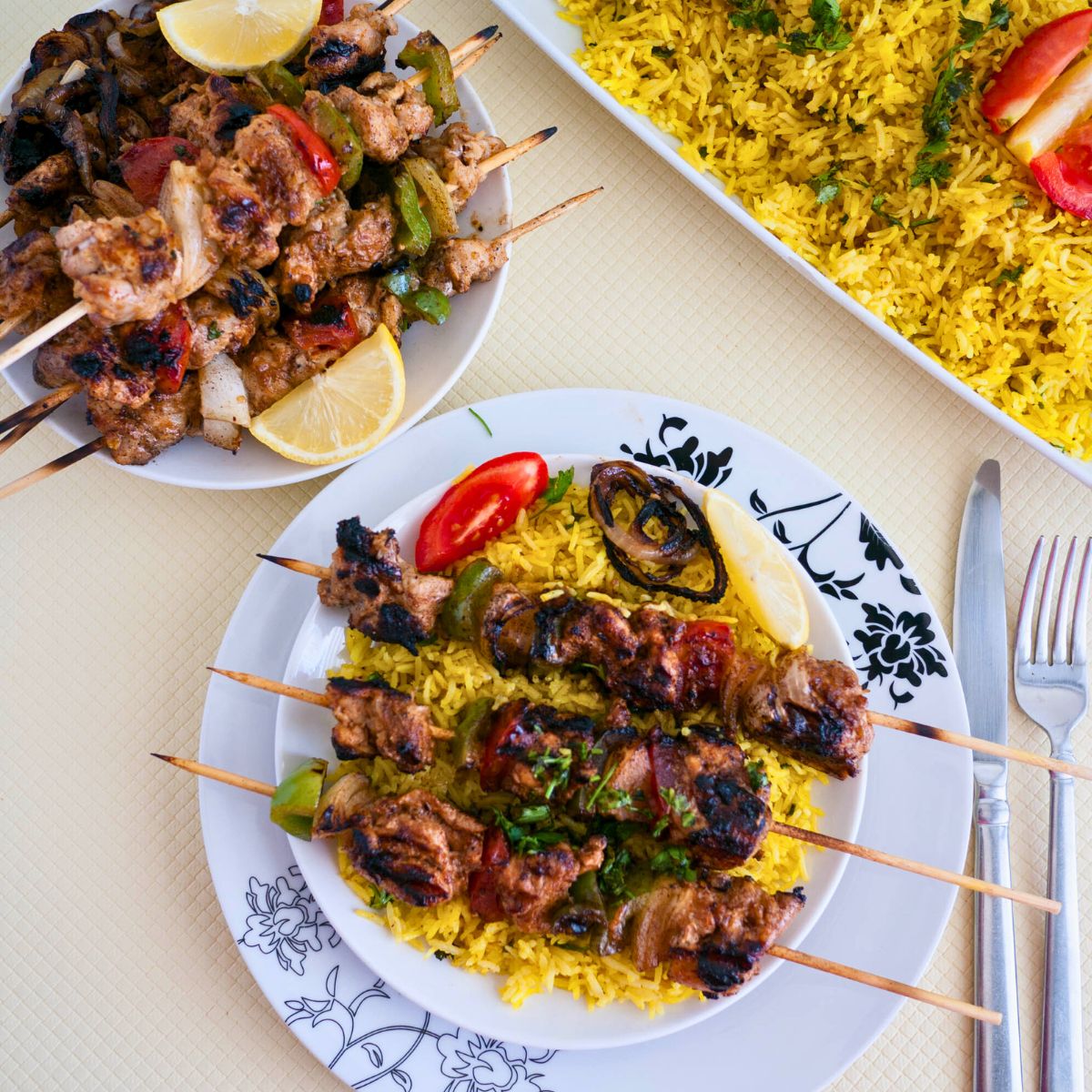


Effective meal planning and preparation can transform your weekly routine, making it more efficient, less stressful, and healthier. Here’s a detailed guide on the benefits, steps, and tips for effective meal planning and prep.
Effective meal planning is a powerful tool that can significantly improve your quality of life by streamlining your daily routines, enhancing your diet, and saving you time and money. In today’s fast-paced world, taking the time to plan your meals can seem like an added chore, but the benefits far outweigh the initial effort.
By planning and preparing meals, you have the opportunity to explore new recipes and improve your cooking skills. This can make meal preparation a more enjoyable and fulfilling experience.
In essence, effective meal planning is a cornerstone of a healthy, organized, and financially savvy lifestyle. It brings structure to your daily routine, supports better eating habits, and contributes to a more sustainable way of living. Embrace meal planning to enjoy these numerous benefits and enhance your overall quality of life.
Benefits of Meal Planning for Busy Lifestyles
- Saves Time and Reduces Stress During the Week
- Efficiency: By planning meals ahead, you eliminate the daily question of “What’s for dinner?” and reduce the time spent on impromptu trips to the grocery store.
- Streamlined Cooking: With a set plan, you can prep ingredients in advance, making the cooking process quicker and more organized.
- Helps Maintain a Balanced and Nutritious Diet
- Nutritional Balance: Meal planning allows you to ensure each meal includes a variety of food groups, maintaining a balanced diet.
- Control Over Ingredients: You have full control over the ingredients, making it easier to include more fruits, vegetables, whole grains, and lean proteins.
- Reduces Food Waste by Using Ingredients Efficiently
- Optimized Use: Planning meals helps you use ingredients efficiently, reducing the likelihood of them going bad before you can use them.
- Creative Leftovers: Leftovers from one meal can be incorporated into another, reducing waste and adding variety to your meals.
- Saves Money by Reducing Impulse Purchases and Takeout Meals
- Budget-Friendly: With a shopping list based on your meal plan, you can avoid buying unnecessary items and reduce impulse purchases.
- Home-Cooked Meals: Planning reduces the temptation to order takeout, which is often more expensive and less healthy.
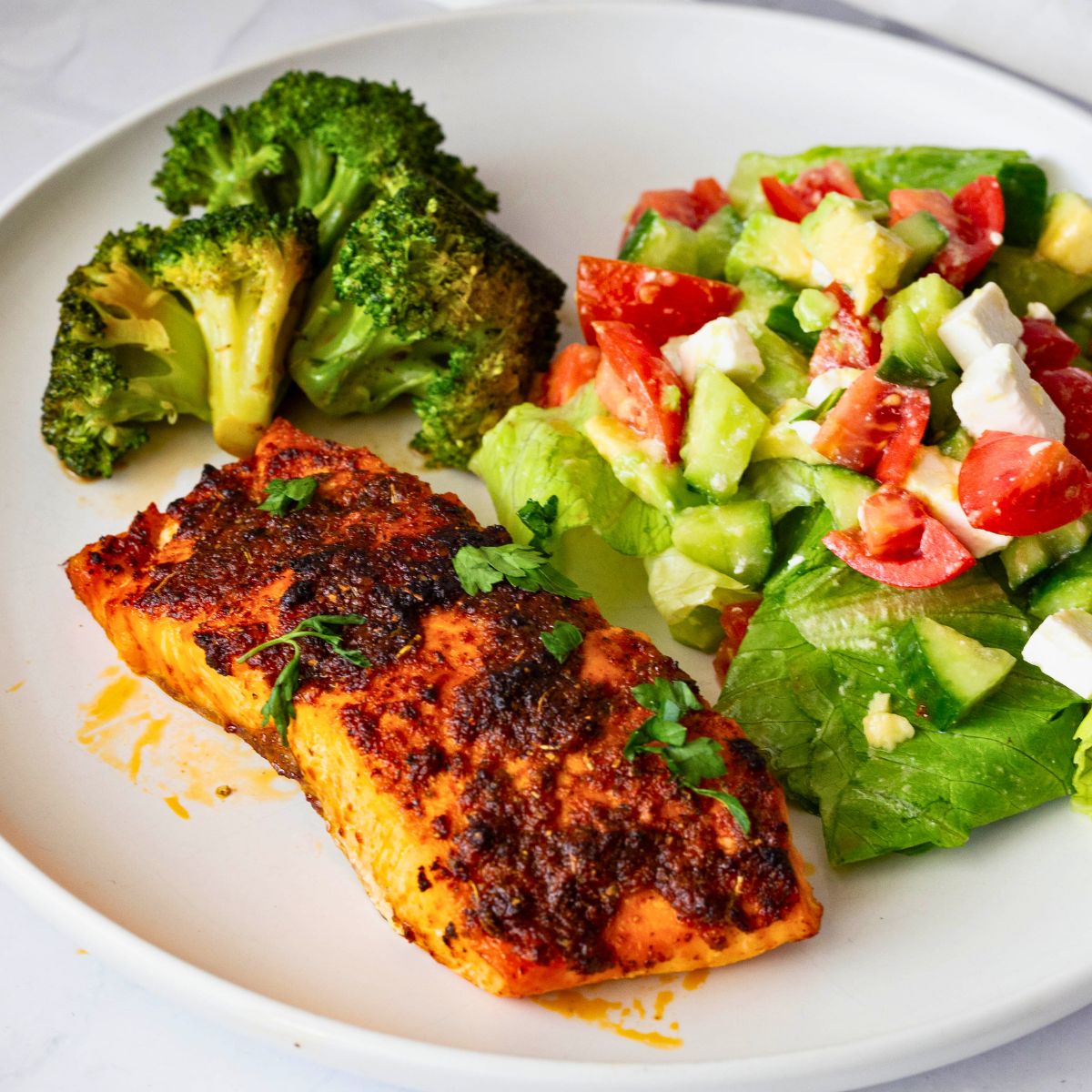
Steps to Plan Meals for the Week
- Create a Meal Plan That Includes Breakfast, Lunch, and Dinner
- Comprehensive Planning: Plan all your meals to ensure a balanced diet and reduce the need for last-minute decisions.
- Variety: Include a variety of dishes to keep meals interesting and prevent food fatigue.
- Make a Shopping List Based on Your Meal Plan
- Essential Ingredients: List all the ingredients you’ll need for your planned meals to ensure you don’t forget anything.
- Categorized List: Organize your shopping list by sections (produce, dairy, meat, etc.) to make grocery shopping more efficient.
- Choose Recipes That Use Similar Ingredients
- Simplified Shopping: Select recipes that use overlapping ingredients to simplify shopping and reduce costs.
- Batch Cooking: Using similar ingredients allows you to cook in bulk, saving time and effort.
- Allocate Time for Meal Prep
- Dedicated Prep Time: Set aside a specific time, such as a Sunday afternoon, for meal prep. This helps you start the week with prepared ingredients and reduces daily cooking time.
- Routine: Making meal prep a routine can streamline your cooking process and ensure consistency.
- Proper Storage Techniques for Bread and Baked Goods
- The Secret Weapon To Perfectly Cooked Meat
- Understanding Cooking Oils: Uses and Storage
- Efficient Kitchen Organization for Better Cooking


Tips for Prepping Ingredients in Advance
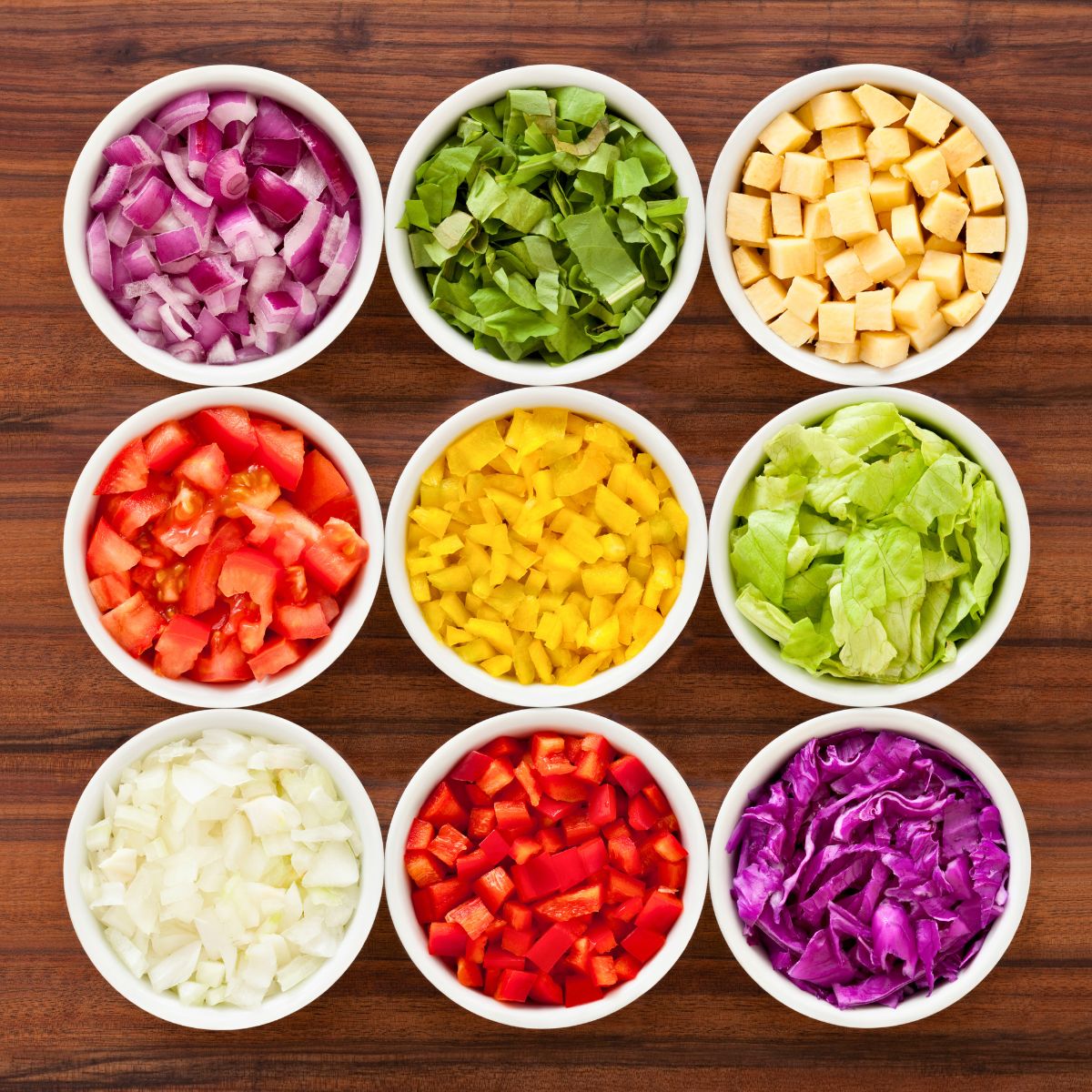
- Wash and Chop Vegetables Ahead of Time
- Ready-to-Use: Having prepped vegetables ready in the fridge makes meal assembly quick and easy.
- Freshness: Store prepped vegetables in airtight containers to maintain their freshness.
- Cook Grains, Beans, and Proteins in Bulk
- Batch Cooking: Cook larger quantities of grains (like rice, quinoa) and proteins (like chicken, beans) to use in multiple meals throughout the week.
- Versatility: These items can be used in various dishes, from salads and bowls to stir-fries and soups.
- Portion Out Snacks and Meals in Containers
- Grab-and-Go: Portioning snacks and meals into individual containers makes them convenient to grab on busy days.
- Control Portions: Pre-portioned meals help control portion sizes, contributing to a balanced diet.
- Label Prepped Ingredients with the Date
- Freshness Tracking: Label containers with the prep date to keep track of how long ingredients have been stored, ensuring you use them while they’re still fresh.
- Organization: This practice also helps keep your fridge organized and reduces the chances of food spoiling.

How to Store Prepped Ingredients for Maximum Freshness
- Use Airtight Containers
- Seal in Freshness: Airtight containers prevent moisture loss and protect prepped ingredients from absorbing fridge odors.
- Durability: Invest in quality containers that are durable and versatile for different types of ingredients.
- Store Prepped Vegetables in the Crisper Drawer
- Optimal Storage: The crisper drawer is designed to maintain the right humidity level for vegetables, keeping them fresh longer.
- Separate Types: Use separate containers or bags for different types of vegetables to maintain their quality.
- Keep Cooked Proteins and Grains in Separate Containers
- Avoid Cross-Contamination: Storing cooked proteins and grains separately prevents cross-contamination and keeps flavors distinct.
- Easy Assembly: This makes it easier to assemble meals quickly by mixing and matching different components.
- Use a Vacuum Sealer to Extend Shelf Life
- Extended Freshness: Vacuum sealing removes air, significantly extending the shelf life of prepped ingredients.
- Bulk Prep: This method is especially useful for ingredients prepped in bulk, allowing you to store them for longer periods without compromising quality.
Effective meal planning and prep are transformative practices that can lead to healthier eating, reduced stress, and more efficient use of time and resources. By understanding the benefits and following practical steps and tips, you can streamline your cooking routine and enjoy nutritious, delicious meals throughout the week. Embrace these strategies to enhance your culinary efficiency and improve your overall lifestyle.


Don’t lose this recipe! Save it for Later!
📌 Save this Recipe for later on Pinterest so you can easily find it again.
⭐ Add Veena Azmanov Kitchen to your Google Preferred Sources.
It helps Google show you more of our recipes.
📧 Subscribe for new recipes delivered to your inbox.
🎥 Follow us for more recipes
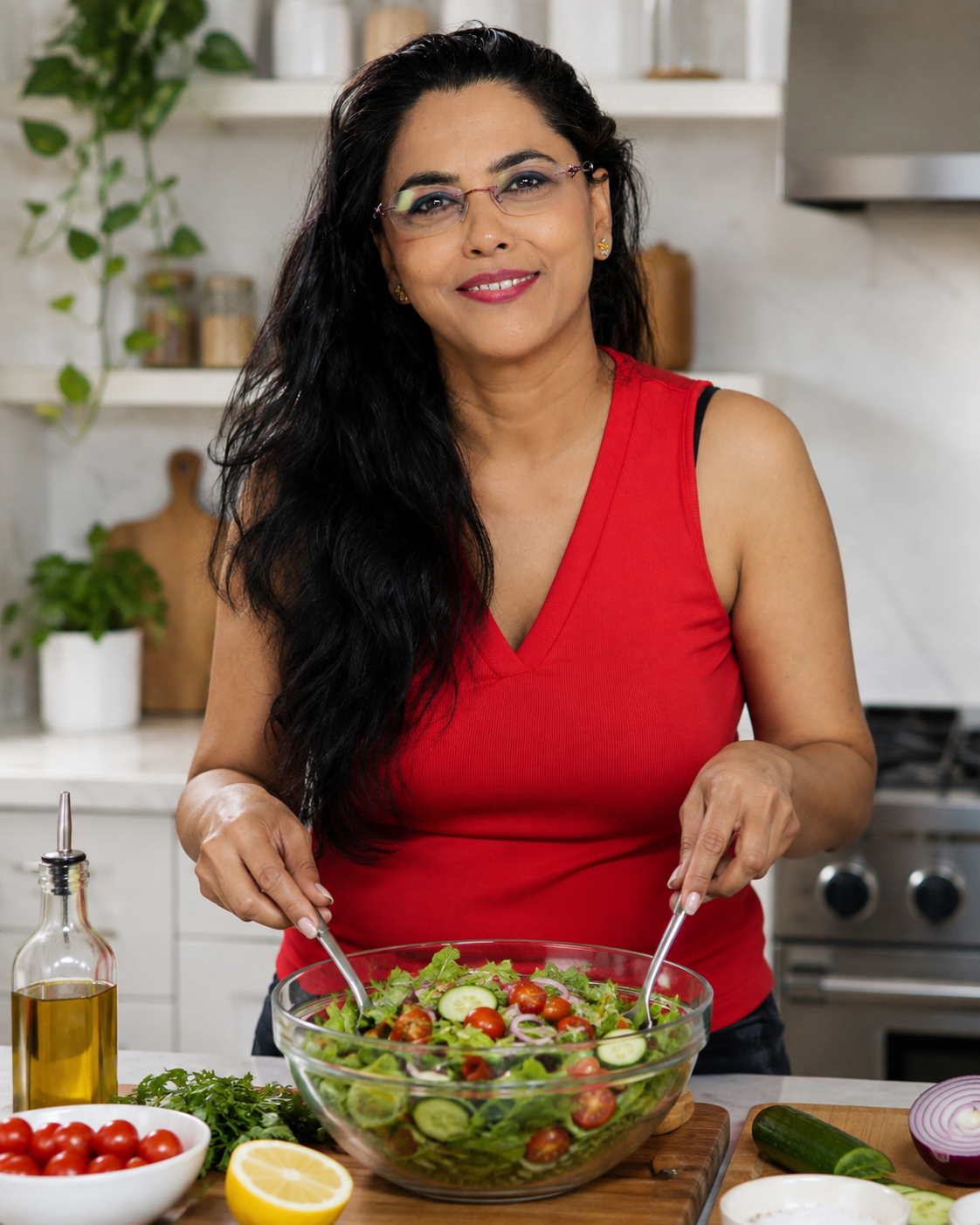
Hi, I’m Veena
I’m the recipe developer, baker, and food photographer behind Veena Azmanov Kitchen.
I’ve spent years developing and testing recipes, from everyday meals and homemade breads to cakes and desserts.
I share the practical tips and little details I’ve learned along the way so you can get great results in your own kitchen.