
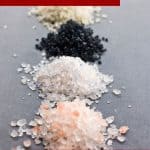
Salt, an essential mineral for human health, is much more than just a seasoning. Discover the art of seasoning with this guide to “salt to taste.” Learn how to achieve perfect flavors by adjusting salt according to your personal preference.

Known scientifically as sodium chloride, salt has been a crucial part of culinary practices for centuries. It enhances flavors, preserves food, and plays a vital role in various bodily functions, including fluid balance and nerve transmission. Whether sprinkled on a dish to elevate its taste or used in pickling and curing, salt’s versatility and indispensability make it a kitchen staple. Beyond the culinary world, salt has historical significance, once serving as a valuable trade commodity and a symbol of purity and preservation.
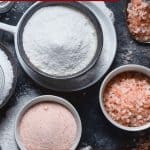
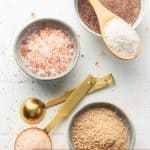
Here are the different types of salt commonly used in cooking and their specific uses in various foods:
- Table Salt: Finely ground with added iodine (iodized salt). Typically used for general cooking and baking, seasoning at the table.
- Kosher Salt: Coarse-grained and free of additives. Typically used for seasoning meats before cooking, rimming cocktail glasses, pickling, and brining.
- Sea Salt: Harvested from evaporated seawater. It’s available in fine and coarse grains. Finishing salt for dishes like salads, grilled vegetables, and seafood to add a crunch and burst of flavor.
- Himalayan Pink Salt: Mined from the Punjab region of Pakistan. It contains trace minerals that give it a pink color. Finishing salt, seasoning meats and vegetables, and also used in salt blocks for cooking and serving.
- Celtic Sea Salt: Harvested from coastal regions of France, grey in color due to its mineral content. Typically used as Finishing salt, adding to soups and stews for a mineral-rich flavor.
- Flake Salt: Light, flaky texture, often harvested from sea salt. Finishing salt for delicate dishes like salads, fish, and chocolate desserts.
- Fleur de Sel: Hand-harvested sea salt from the coast of France, delicate and moist. It’s a premium finishing salt for gourmet dishes, such as fine meats, vegetables, and desserts.
- Black Salt (Kala Namak): Rock salt with a distinctive sulfurous flavor, used in Indian cuisine. It’s used as flavoring for chaat, raita, and fruit salads and as a seasoning in vegan dishes to mimic the flavor of eggs.
- Smoked Salt: Sea salt smoked over wood fires, imparting a smoky flavor. Typically used as seasoning for grilled meats and vegetables and adding a smoky flavor to vegetarian dishes.
- Red Hawaiian Salt (Alaea): Sea salt mixed with volcanic clay, giving it a red color. Commonly used in traditional Hawaiian dishes like poke, kalua pig, and seasoning grilled meats.
- Pickling Salt: Pure granulated salt without additives that could cloud pickling liquids. Typically used for pickling and canning vegetables and brining meats.
Each type of salt brings unique characteristics to dishes, enhancing flavors, textures, and overall culinary experience.

Do all salt have the same amount of saltiness?
No, not all salts have the same level of saltiness. Several factors contribute to the differences in perceived saltiness among various types of salt:
- Crystal Size and Shape: The size and shape of salt crystals can affect how they dissolve and distribute flavor. For example, larger crystals like kosher salt may provide a milder saltiness compared to finely ground table salt. It’s because they take longer to dissolve and spread more evenly over food.
- Purity and Additives: Table salt often contains additives like iodine and anti-caking agents, which can slightly alter its flavor. In contrast, natural salts, like sea salt or Himalayan pink salt, contain trace minerals that can affect their taste and perceived saltiness.
- Density: Different salts have different densities. This means a teaspoon of one type of salt may weigh more or less than a teaspoon of another kind. For instance, a teaspoon of table salt is denser and thus saltier than a teaspoon of kosher salt with larger, less dense crystals.
Here’s a comparison of the saltiness of various salts:
- Table Salt: Highly salty due to its fine granules and high density.
- Kosher Salt: Milder than table salt because of its larger crystals and lower density.
- Sea Salt: Varies in saltiness depending on the brand and crystal size. But generally falls between table salt and kosher salt.
- Himalayan Pink Salt: Similar to sea salt, with a slight variation in flavor due to trace minerals.
- Fleur de Sel and Flake Salt: Delicate and used as finishing salts, offering a more subtle burst of flavor.
When substituting one type of salt for another in a recipe, it’s important to adjust the amount to account for these differences in saltiness and crystal size.

What does salt to taste mean?
When a recipe instructs to add “salt to taste,” it means adding salt in small increments until you achieve the desired level of saltiness according to your personal preference. This approach acknowledges that everyone’s taste buds are different, and what might be perfect seasoning for one person could be too salty or not salty enough for another.
To “salt to taste”:
- Start Small: Begin with a small amount of salt.
- Stir and Taste: Mix it well into the dish and taste it.
- Adjust Gradually: If you need more salt, add it in small amounts, tasting after each addition, until the flavor is just right.
This method ensures that the dish is seasoned to suit your taste preferences, enhancing the natural flavors without overpowering them.

Tips for using salt at home
- Start Small: When adding salt to a dish, begin with a small amount. You can always add more, but it’s difficult to correct an overly salty dish.
- Layer Your Seasoning: Add salt at different stages of cooking. Seasoning in layers helps develop complex flavors and ensures an even seasoning of the dish.
- Use the Right Salt for the Right Job:
- Table Salt: Ideal for baking and precise measurements.
- Kosher Salt: Great for seasoning meats, vegetables, and general cooking.
- Sea Salt: Perfect as a finishing salt to add texture and flavor just before serving.
- Taste as You Go: Continually taste your dish as you cook to gauge the level of seasoning. This practice helps you adjust the saltiness to your preference.
- Understand Salt’s Role: Salt enhances flavors, balances sweetness, and can even reduce bitterness. Use it strategically to improve the overall taste of your dishes.
- Use Salt to Draw Out Moisture: When cooking vegetables, use salt to draw out excess moisture. This technique is particularly useful for eggplants, cucumbers, and zucchini.
- Experiment with Finishing Salts: Try using different types of finishing salts like fleur de sel or flake salt to add a burst of flavor and texture to your finished dishes.
- Balance Over-Salting: If you accidentally add too much salt, balance the flavor by adding a starchy ingredient (like potatoes), acidic elements (like lemon juice or vinegar), or more of the main ingredient to dilute the saltiness.
- Store Salt Properly: Keep your salt in an airtight container in a cool, dry place to prevent it from clumping and absorbing moisture or odors.
- Explore Flavored Salts: Experiment with flavored salts, such as smoked salt or herb-infused salt, to add unique flavors to your dishes without additional ingredients.

- Effective Meal Planning and Prep Tips
- The Secret Weapon To Perfectly Cooked Meat
- Understanding Cooking Oils: Uses and Storage
- Freezing Food the Right Way
- Refrigeration 101: Should or Should Never Be Refrigerated



Using salt as a preservative for food
Salt has been used as a preservative for centuries, long before the advent of modern refrigeration. Its effectiveness lies in its ability to draw moisture out of food and create an inhospitable environment for bacteria, yeast, and molds, which are the primary culprits of food spoilage. By reducing the available water in food, salt inhibits the growth of these microorganisms, thereby extending the shelf life of preserved items.
Salt preserves food through a process called osmosis. When you apply salt to food, it draws water out of both the food and any present bacteria. This dehydration effect, combined with the high concentration of salt, effectively kills or inhibits the growth of spoilage-causing organisms. Additionally, salt can enhance the flavor and texture of preserved foods, making them more enjoyable to eat.
How to use salt for preserving food
There are several methods of using salt as a preservative:
- Dry Salting: Rubbing salt directly onto food, such as meats or fish, and allowing it to sit for a period to draw out moisture. This method is commonly used for dry-cured hams and fish.
- Brining: Submerging food in a solution of salt and water. This technique is used for preserving vegetables, meats, and cheeses. Brining not only preserves but also imparts a distinctive flavor to the food.
- Salt Curing: Combining salt with other ingredients like sugar, spices, and nitrates, then applying this mixture to food. This method is used for making products like bacon, corned beef, and gravlax.
- Pickling: Using a vinegar and salt solution to preserve vegetables and fruits. The acidity of vinegar, combined with salt, provides an effective barrier against spoilage.
Foods best preserved with salt
- Meats: Salt is extensively used to preserve meats like beef, pork, and fish. Techniques such as dry curing (e.g., prosciutto, biltong), wet curing (e.g., corned beef), and smoking often involve salt.
- Fish: Salt preservation methods like salting, brining, and pickling are traditional ways to preserve fish. Examples include salted cod, smoked salmon, and herring.
- Vegetables: Salt is used in fermenting and pickling vegetables like cucumbers (pickles), cabbage (sauerkraut, kimchi), and beans. This not only extends their shelf life but also enhances their flavor and nutritional value.
- Cheese: Salt plays a crucial role in cheese making, helping to control moisture content, flavor development, and rind formation. Examples include feta, halloumi, and various hard cheeses.
Using salt as a preservative is a time-honored technique that remains relevant today for its simplicity and effectiveness. Whether you’re preserving meats, fish, vegetables, or cheeses, salt can help extend the shelf life and enhance the flavors of your food. By understanding the principles and methods of salt preservation, you can enjoy the benefits of long-lasting, delicious, preserved foods in your own kitchen.

- Exploring Salt to Taste
- Can you freeze cheese or cream cheese?
- How to Roast Garlic
- How to cook basmati rice


Frequently asked questions
Store salt in a cool, dry place in an airtight container to prevent it from absorbing moisture and clumping.
Table salt is highly refined and often contains additives like iodine and anti-caking agents. Sea salt is harvested from evaporated seawater and retains trace minerals, giving it a different texture and flavor.
Yes, but you’ll need to adjust the amount. Kosher salt has larger crystals, so you generally need more of it to achieve the same level of saltiness as table salt.
u0022Salt to tasteu0022 means adding salt gradually and tasting as you go until the dish reaches your desired level of saltiness.
No, different types of salt have different flavors and levels of saltiness due to their crystal size, shape, and mineral content.
Both sea salt and table salt contain similar amounts of sodium. Sea salt may have trace minerals, but the differences in health benefits are minimal.
Salt does not expire or spoil, but it can absorb moisture and odors over time, which may affect its flavor and texture.
Iodine is added to table salt to prevent iodine deficiency, which can lead to thyroid problems.
Table salt is commonly used for baking due to its fine texture and consistent saltiness. However, you can use other salts if you adjust the measurements accordingly.
You can dilute the dish by adding more of the main ingredients (like broth, water, or vegetables), balance the flavors with acidic ingredients (like lemon juice or vinegar), or add a starchy ingredient (like potatoes) to absorb some of the salt.
- How To Make Brown Sugar
- How to Brown Butter
- Cake Flour Substitute
- How to make Buttermilk for Baking
- How sugar affects baking
- How Flour affects our Baking



Hi, I’m Veena
I’m the recipe developer, baker, and food photographer behind Veena Azmanov Kitchen.
I’ve spent years developing and testing recipes, from everyday meals and homemade breads to cakes and desserts.
I share the practical tips and little details I’ve learned along the way so you can get great results in your own kitchen.