
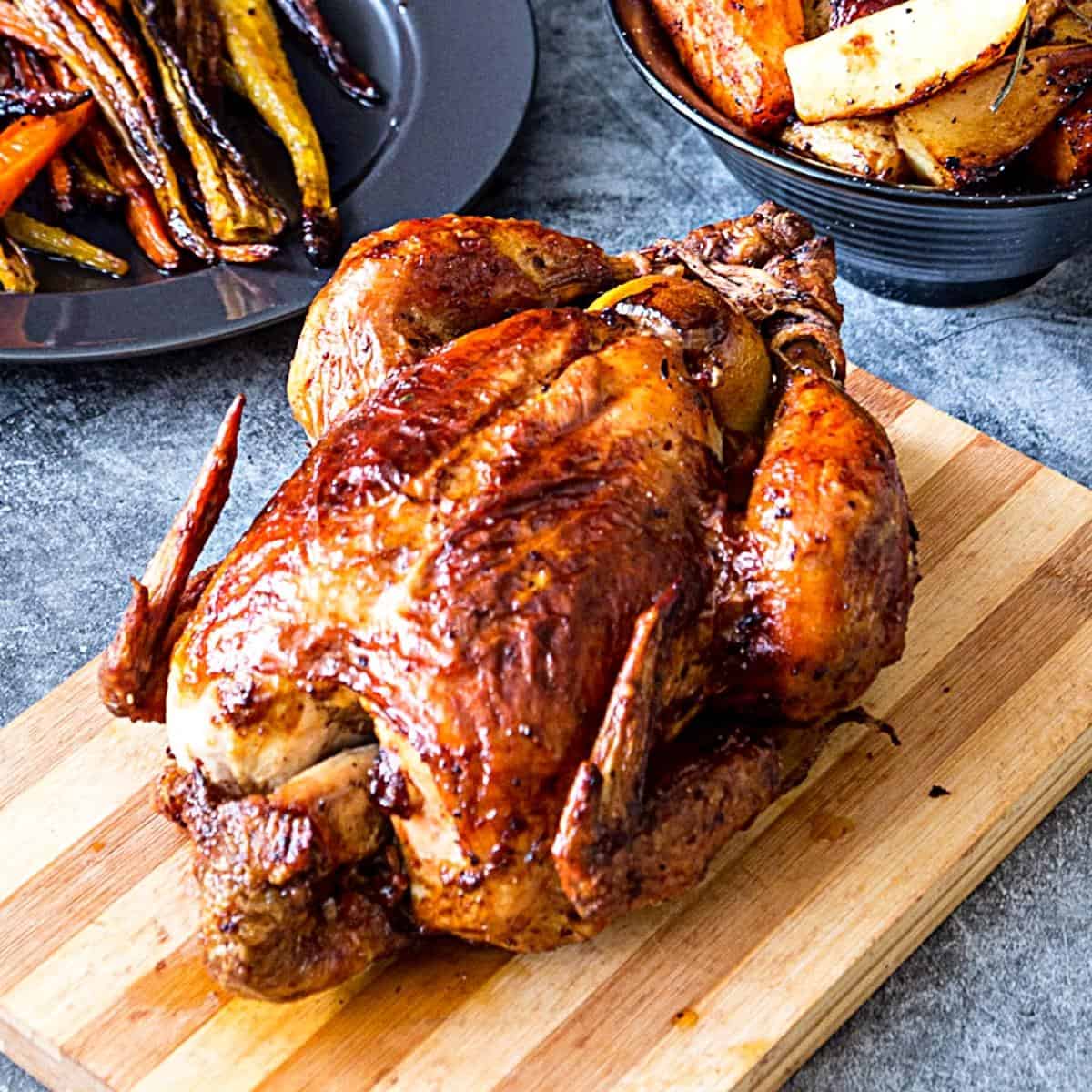


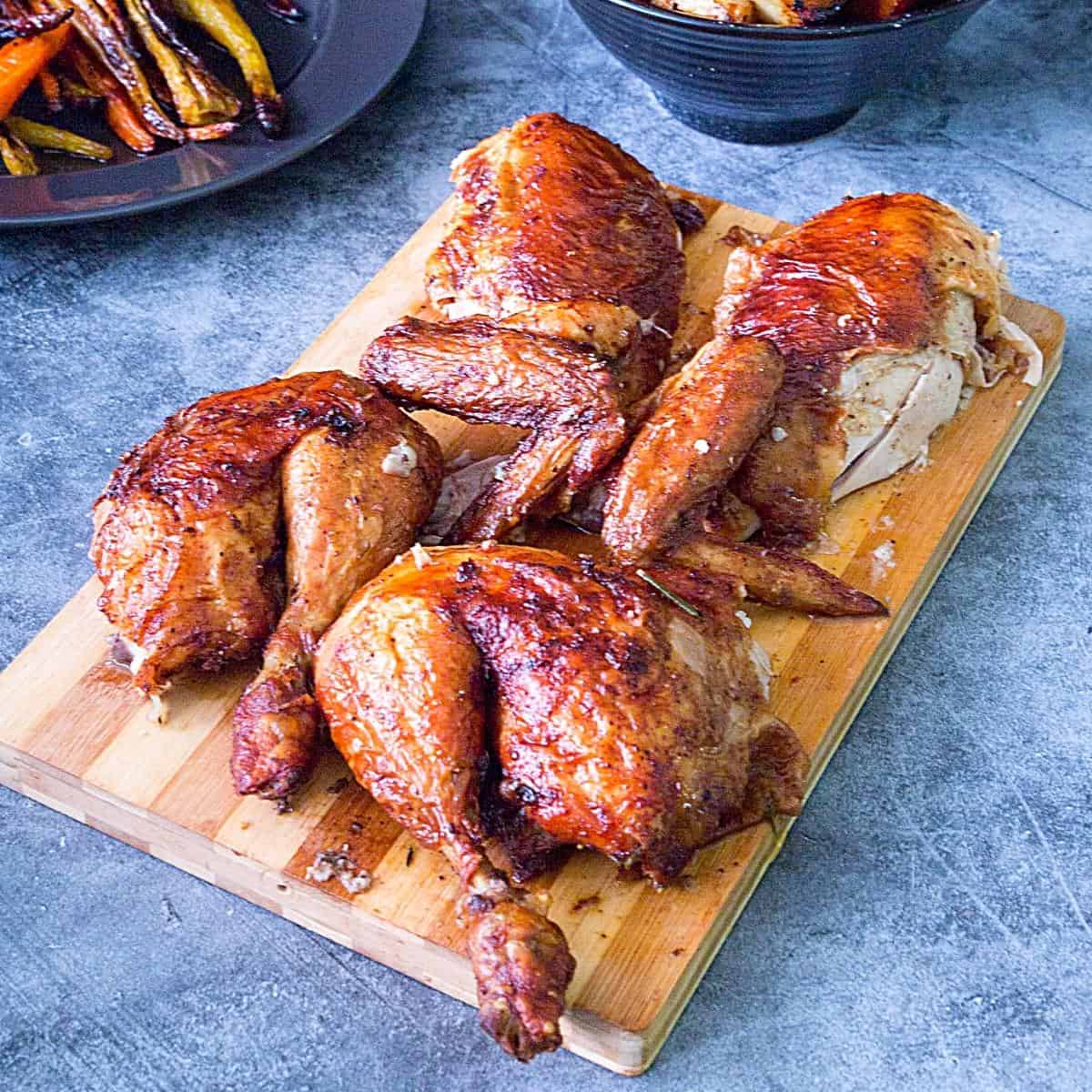
Here’s how to make a whole roast chicken in the oven perfectly every single time. This chicken is juicy on the inside with a crisp golden skin on the outside that looks perfect at the center of any festive dinner table. The best part is it uses simple and easy-to-find ingredients. Leftovers are perfect for sandwiches and wraps.
There’s something comforting about roasting a whole chicken. It doesn’t require fancy ingredients or complicated techniques—just a few herbs, garlic, butter, and a hot oven. As it roasts, the chicken turns beautifully golden while the vegetables underneath soak up all those flavorful pan juices, creating an easy meal that’s perfect for sharing.
Over the years, I’ve found that a simple garlic butter marinade with a little paprika gives the chicken the most beautiful color without overpowering the flavor. The paprika helps create that deep golden skin, while the garlic, herbs, and lemon keep the meat juicy and full of flavor. It’s one of those reliable recipes I come back to whenever I want a hearty family dinner with very little effort.
Why You’ll Love This Roast Chicken Recipe
- Juicy and flavorful. Garlic butter, herbs, and lemon keep the chicken moist and delicious.
- Golden, crispy skin. A little paprika adds beautiful color while the skin roasts until crisp.
- One-pan meal. The vegetables cook alongside the chicken, soaking up all the flavorful pan juices.
- Simple ingredients. Made with everyday pantry staples and fresh herbs.
- Perfect for any occasion. Great for Sunday lunch, holiday dinners, or an easy family meal.
Ingredients and substitutes
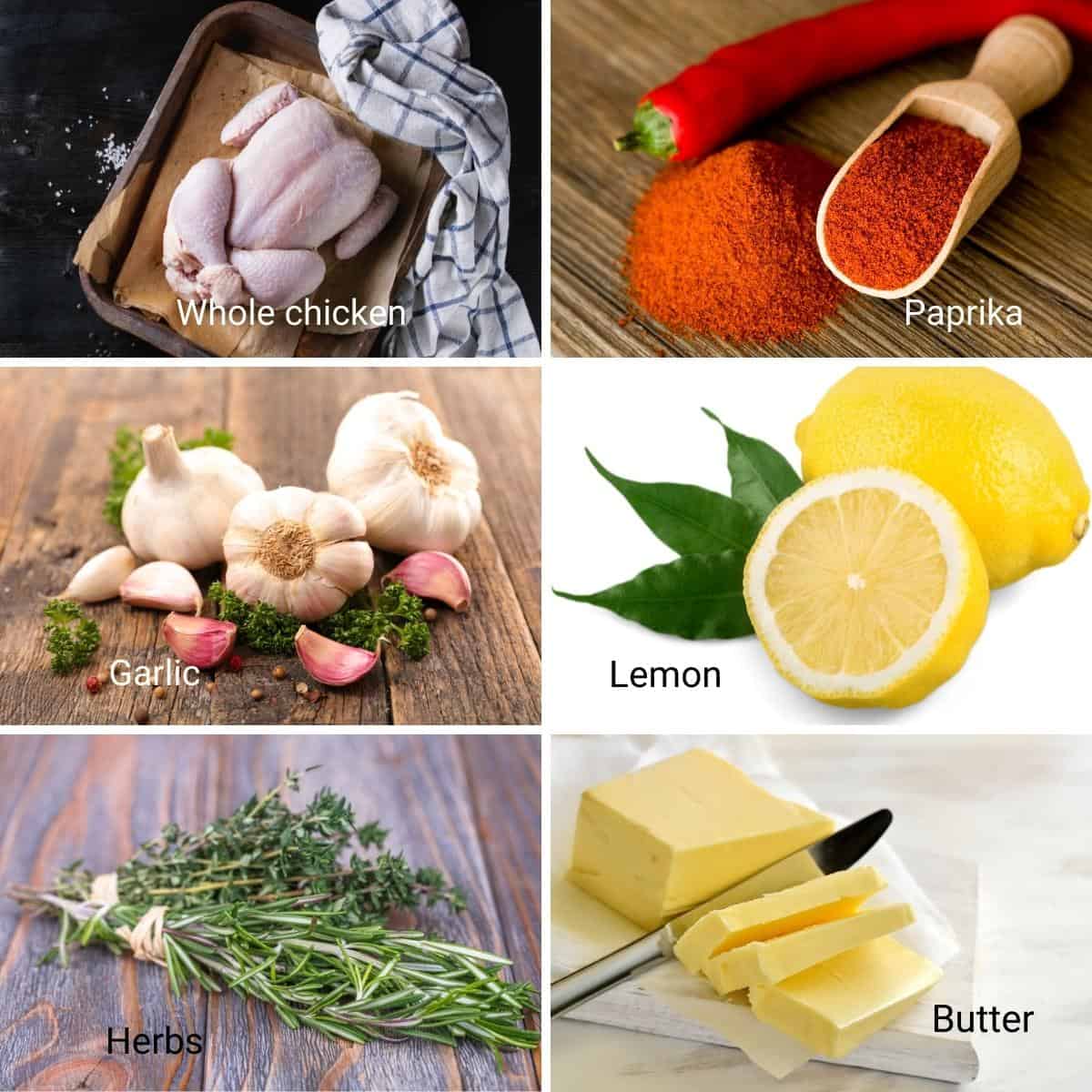
- Whole Chicken provides the main protein, rich flavor, and tender texture. For a quicker cooking time, use chicken parts like thighs, drumsticks, or breasts.
- Paprika adds a mild, smoky flavor and vibrant color to the rub. You can also use smoked paprika for a more intense flavor or cayenne pepper for heat, though use it sparingly as it is spicier.
- Salt enhances the flavor of the chicken and other seasonings. Use sea salt, kosher salt, or seasoned salt for added flavor variations.
- Black Pepper adds mild heat and depth of flavor. You can also use white pepper for a milder, slightly earthy flavor or a pinch of red pepper flakes for more heat.
- Olive Oil: Helps create a moist, crispy skin and acts as a medium for the rub. You can also use canola oil, vegetable oil, or melted coconut oil for a different flavor profile.
- Butter provides richness and helps keep the chicken moist. For a dairy-free option, you can also use margarine or ghee for a nuttier flavor.
- Garlic adds a robust, aromatic flavor to the chicken. Use garlic powder for convenience or shallots for a milder, slightly sweet flavor.
- Rosemary adds a piney, earthy aroma and flavor. Try thyme for a similar earthy taste or sage for a slightly different but complementary flavor.
- Thyme provides a subtle, savory flavor that complements the chicken. For a stronger flavor, you can also use oregano or marjoram, which is milder and sweeter.
- Lemon: Adds a fresh, citrusy brightness that balances the richness. You can also use lime for a similar acidic note or orange for a sweeter, less tart alternative.
- Flour (for Gravy): Thickens the gravy to create a smooth, rich sauce. You can also use cornstarch or arrowroot powder for a gluten-free option, though use half the amount.
- Chicken Broth: Enhances the gravy’s flavor and adds depth. You can also use vegetable broth for a lighter flavor or water with a bouillon cube for convenience.
Step-by-step: Oven Roast Chicken
- Prepare the Chicken: Preheat the oven to 375°F (190°C). Rinse the chicken under cold water and pat it dry with paper towels.
- Paprika Rub: In a small bowl, mix together the paprika, salt, pepper, and olive oil to form a paste. Next, rub the paprika mixture all over the chicken, ensuring even coverage.
- Garlic Butter Marinade: Combine the softened butter with minced garlic in the same bowl. Gently lift the skin of the chicken and spread half of the garlic butter under the skin, directly onto the meat. Then, spread the remaining garlic butter over the skin of the chicken.
- Stuff the Cavity: Fill the chicken’s cavity with rosemary, thyme, and lemon halves. This will infuse the chicken with aromatic flavors.

- Roasting: Place the chicken in a roasting pan, breast side up. Roast the chicken in the preheated oven for about 1.5 to 2 hours, or until the internal temperature reaches 165°F (74°C) in the thickest part of the thigh. Baste the chicken with the pan juices every 30 minutes for a golden, crispy skin.

- Making the Gravy: Once the chicken is cooked, transfer it to a cutting board and let it rest for 15 minutes before carving. Place the roasting pan on the stovetop over medium heat. Add the flour to the pan juices and whisk until it forms a smooth paste. Gradually add the chicken broth, whisking continuously to prevent lumps. Simmer the gravy for 5-7 minutes until thickened to your desired consistency. Season the gravy with salt and pepper to taste.

Whole Roast Chicken in the Oven
Ingredients
- 4 – 5 lbs (1½ – 2 kg) Chicken
- 1 tbsp Smoked sweet paprika
- 1 tbsp Hot paprika
- ½ tsp Salt
- ½ tsp Pepper
- 2 tbsp Olive oil
- 2 tbsp Butter room temperature
- 2 tbsp Garlic minced
- 3 sprigs Rosemary
- 3 sprigs Thyme
- 1 Lemon halved
Gravy
- ½ cup (120 ml) Stock
- 1 tbsp All-purpose flour
Instructions
- Prepare the Chicken: Preheat the oven to 375°F (190°C). Rinse the chicken under cold water and pat it dry with paper towels.4 – 5 lbs Chicken
- Paprika Rub: In a small bowl, mix the paprika, salt, pepper, and olive oil to form a paste. Rub the paprika mixture all over the chicken, ensuring even coverage.1 tbsp Smoked sweet paprika, 1 tbsp Hot paprika, ½ tsp Salt, ½ tsp Pepper, 2 tbsp Olive oil
- Garlic Butter Marinade: Combine the softened butter with minced garlic in the same bowl. Gently lift the skin of the chicken and spread half of the garlic butter under the skin, directly onto the meat. Spread the remaining garlic butter over the skin of the chicken.2 tbsp Butter, 2 tbsp Garlic
- Stuff the Cavity: Fill the chicken's cavity with rosemary, thyme, and lemon halves. This will infuse the chicken with aromatic flavors.3 sprigs Rosemary, 3 sprigs Thyme, 1 Lemon
- Roasting: Place the chicken in a roasting pan, breast side up. Roast the chicken in the preheated oven for about 1.5 to 2 hours, or until the internal temperature reaches 165°F (74°C) in the thickest part of the thigh. Baste the chicken with the pan juices every 30 minutes for a golden, crispy skin.
- Making the Gravy: Once the chicken is cooked, transfer it to a cutting board and let it rest for 15 minutes before carving. Place the roasting pan on the stovetop over medium heat. Add the flour to the pan juices and whisk until it forms a smooth paste. Gradually add the chicken broth, whisking continuously to prevent lumps. Simmer the gravy for 5-7 minutes until thickened to your desired consistency. Season the gravy with salt and pepper to taste.½ cup Stock, 1 tbsp All-purpose flour
Video
Notes
- Cooking time will vary depending on the size of your chicken, so always rely on the internal temperature.
- Save the pan juices to make a quick gravy or drizzle over the carved chicken.
- Skim excess fat from the pan juices before making gravy for a smoother sauce.
- Leftover roast chicken is perfect for sandwiches, soups, salads, and casseroles.
- Store leftovers in an airtight container in the refrigerator for up to 3 days.


Made this recipe?
I’d love to see how yours turned out! Share a photo on Instagram and tag @veenaazmanov_kitchen or use #veenaazmanovkitchen. And don’t forget to leave a rating and review!
Tips for the Best Whole Roast Chicken
- Pat the chicken dry. Dry skin roasts up crispier and develops a beautiful golden color.
- Use softened butter. It spreads more easily under the skin and keeps the breast meat juicy.
- Season generously. Coat the outside, under the skin, and inside the cavity for the best flavor.
- Truss the chicken. Tying the legs together helps the chicken cook more evenly.
- Baste during roasting. Spoon the pan juices over the chicken once or twice for extra flavor and color.
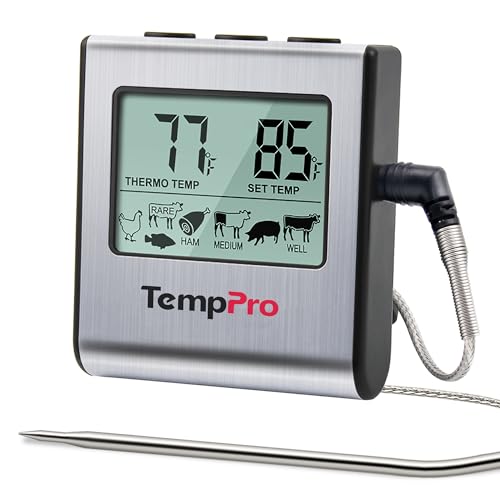
- Use a meat thermometer. Roast until the thickest part of the thigh reaches 165°F (74°C).
- Rest before carving. Let the chicken rest for 10–15 minutes so the juices stay in the meat.
more roast chicken recipes


Frequently asked questions
This chicken will keep in the fridge for at least 3 to 4 days. You can also freeze for a month if stored properly.
I buy organic free-range chicken when possible. And yet, you can buy a standard roast chicken at any supermarket. Also, it’s best to buy a medium-sized, not too small, and not too large.
A small chicken weighs about 1.2 kg (2.5 pounds) and would feed 2 to 3 people. And a medium size is 1.75 to 2 kg (3.5 to 4 pounds) and will feed about 4 to 6 people. Also, leftovers from a roast chicken are always a good thing to have. So, a slightly bigger chicken than you need is not a bad idea.
The most common method to check for doneness in roast chicken is when the chicken juices run clear with no traces of blood. However, the foolproof method would be to use a meat thermometer and insert it in the thickest part of the thigh. The temperature should reach 165°F or 75°C.
Once roasted, always tent the chicken and let it rest for at least 15 minutes; otherwise, all the juices will flow out, leaving the chicken dry.
First, cut the two quarters at the hip joint. Each quarter can then be cut into thighs and legs, giving you four pieces.
For the breast, find the centerline. Then, place a sharp knife on one side of that line and press down firmly. This will crack the ribs. Do the same on the other side. This makes removing the center bone easy.
Then, carve against the bone with a sharp paring knife. This gives you two perfect breast pieces.
You will get six generous pieces. However, do not throw away the remaining parts and bones. Use the bones to make stock and use the leftover meat for sandwiches, wraps, and chicken pot pie kinda dishes.
While we blast the chicken initially for a nice color, it also helps to reduce the heat and cook it at a lower temperature.
Basting the chicken a few times during cooking helps keep it moist (but don’t open the oven door too often, as the oven temperature reduces every time you open it).
Loosely tent the chicken after roasting. This will keep the chicken moist.
Do not cut the chicken for at least 15 minutes after you take it out of the oven – so the juices stay in, keeping the chicken moist.
As a guide, you roast for the first 15 minutes at 220°C / 425°F / Gas Mark 7, then reduce the temperature to 165°C / 325°F/Gas Mark 3. Allow 20 minutes per 1 lb (500 g) of chicken, until the juices run clear or the internal temperature reaches 165°F / 75°C. For example, a chicken that weighs about 3 lbs/1.4 kg would take about 75 minutes.
Using a meat thermometer is a great way to take the guesswork out and omit any calculating time. All you do is stick the thermometer and check the internal temperature. It should be 165°F or 75°C in the thickest part of the thigh or 145°F in the breast.
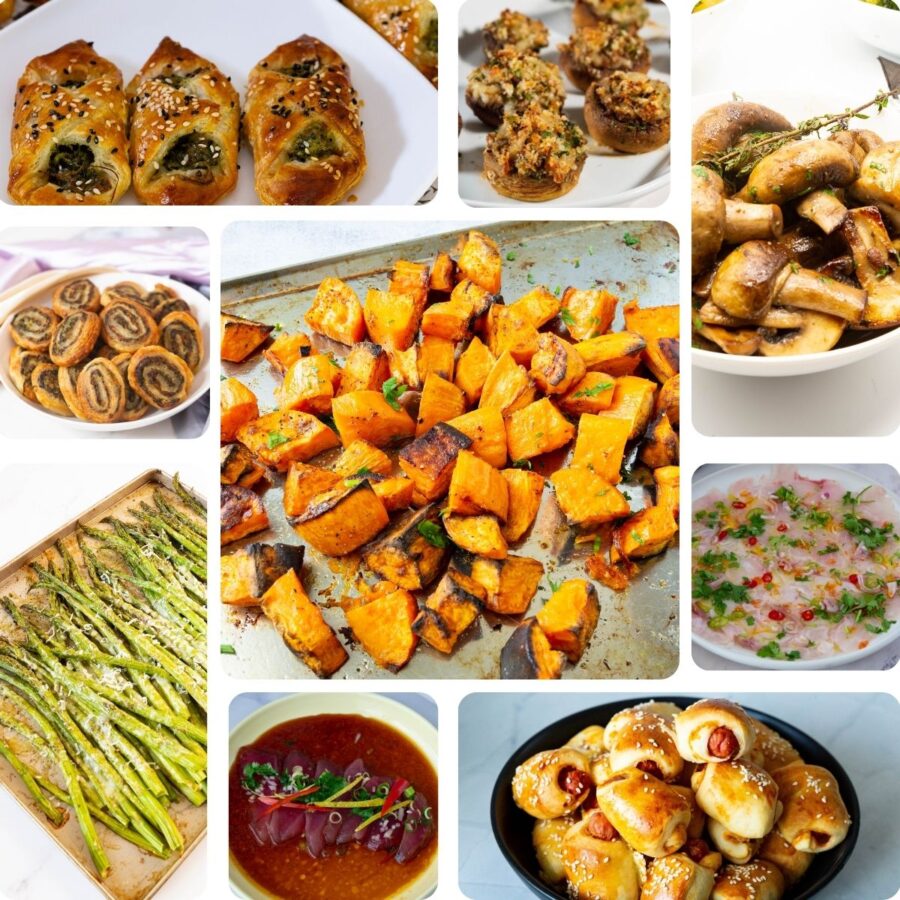
Sides to serve with roast chicken
- Mashed potatoes or Skinny Mashed Potatoes
- Roasted Cauliflower Recipe
- Stovetop melting potatoes or parmesan crisp potatoes
- Homemade Onion and Rosemary Focaccia
- Sautéed Broccoli Recipe


Don’t lose this recipe! Save it for Later!
📌 Save this Recipe for later on Pinterest so you can easily find it again.
⭐ Add Veena Azmanov Kitchen to your Google Preferred Sources.
It helps Google show you more of our recipes.
📧 Subscribe for new recipes delivered to your inbox.
🎥 Follow us for more recipes

Hi, I’m Veena
I’m the recipe developer, baker, and food photographer behind Veena Azmanov Kitchen.
I’ve spent years developing and testing recipes, from everyday meals and homemade breads to cakes and desserts.
I share the practical tips and little details I’ve learned along the way so you can get great results in your own kitchen.
You may also like
- American | Bread | Fall | Pastry | September | Sweet Bread | Thanksgiving
Pumpkin Crescent Roll








Nothing beats a nice crispy whole roasted chicken for a weekend dinner! Love this simple recipe – perfectly seasoned and juicy!
Thank you, Gina, for the lovely feedback. Happy to hear you enjoyed this recipe.
This chicken is so moist and tender and seasoned perfectly. Such a great recipe for the festive season especially.
I love roasting up a chicken and then shredding it to add to meals throughout the week. This looks delicious.
Roast chicken is one my all time favourites. Will try this recipe soon. Thanks for sharing.
This was such a helpful guide to making the best roast chicken ever! We served this at our Christmas dinner table and it was a hit!
Thank you, Anjali for the lovely feedback. Happy to hear you enjoyed this over Chritmas
I always struggle to cut a whole chicken so thanks for the tips!
You are very welcome Juila.
Veena, that roast chicken looks positively succulent! I appreciate your tips on seasoning and especially carving the bird. I have a whole chicken in the freezer — will be using this post to get me through.
Thank you, Lisa. So happy you found the tips useful.
I made this today, and let me tell you it turned out fantastic. It was so juicy and tender I couldn’t get enough of it. This recipe is a keeper. The instructions are perfect too. I couldn’t have been happier with the outcome if I tried.
Have a great day
Heidy
Thank you so much, Heidy. So happy you enjoyed this recipe. Appreciate you coming back to write this feedback.
This is such a great tutorial! You make it look so easy.
Thank you, Katherine
I am just loving all the paprika you used on this chicken. I’ll bet it has so much flavor. Great tips too!
Thank you, Danielle.