

This ultimate roasted cauliflower recipe is a must-try for beginners. With its simplicity and deliciousness, it’s a great dish to master. Perfect to serve with any main course or topped over a fresh salad for a complete meal.
One of the most remarkable qualities of cauliflower is its ability to transform in the kitchen. Whether you roast, mash, rice, or turn it into a pizza crust, cauliflower adapts beautifully to different cooking techniques and flavors. Additionally, its neutral taste allows it to soak up the spices and seasonings you use, creating a dish that bursts with flavor.
Why is this the best recipe
- First and foremost, the perfect balance of flavors and textures makes this recipe stand out. Combining aromatic spices like paprika and cumin adds depth of smokiness and warmth, complementing the roasted cauliflower’s natural sweetness. And when the dish is topped with a sprinkle of breadcrumbs and a generous handful of Parmesan cheese, it adds a delightful crunch and a subtle nuttiness, taking it to a whole new level.
- But it’s not just the flavor profile that makes this recipe exceptional. The technique of roasting the cauliflower is what truly elevates it to greatness. The cauliflower florets undergo a magical transformation by subjecting them to high heat – the edges become beautifully caramelized and slightly crispy, while the inside remains tender and succulent. This process enhances the cauliflower’s natural sweetness and creates a depth of flavor that will leave you craving more.
- Furthermore, our recipe considers the importance of simplicity and ease in cooking. We also understand that not everyone is a seasoned chef. So, we have crafted this recipe with beginners in mind. And the steps are straightforward, ensuring that even the most novice cook can achieve incredible results.

Ingredients and substitutes
- First and foremost, look for a cauliflower head that is firm and compact. Feel the weight of the cauliflower in your hand – a heavier head typically indicates freshness and a higher water content.
- The paprika infuses the dish with a delightful depth of taste and gives it a lovely reddish hue.
- Cumin brings an earthy and slightly nutty flavor to the roasted cauliflower. It complements the paprika perfectly.
- The breadcrumbs add a delightful texture to each bite, making them a crucial ingredient.
- The type of oil used to roast cauliflower can impact its taste and texture. So, if you’re out of olive oil, try using vegetable oil, grapeseed oil, or even melted butter for a richer flavor. Each oil will bring its unique touch to the dish.
- While dried herbs work well in roasted cauliflower recipes, fresh herbs can further elevate the flavors. And if you don’t have fresh cilantro, parsley, or thyme, consider using dried versions or other herbs like rosemary or basil.
- Parmesan cheese – this savory and salty cheese provides a burst of umami flavor, enhancing the dish’s overall taste.

Step-by-step: Roasted cauliflower
- Preheat your oven and prepare a baking sheet. Before you start, preheat your oven to 425°F / 220°C / Gas Mark 6. This high temperature will help the cauliflower achieve a beautiful golden color and crispy exterior. While the oven is heating up, line a baking sheet with parchment paper or lightly grease it with cooking spray to prevent sticking.

- Combine spices – In a small bowl, combine all the spices, breadcrumbs, and parmesan cheese. And set aside.
- Prepare the cauliflower: Start by removing the leaves from it, then rinse it thoroughly under cold water. Once clean, pat it dry with a kitchen towel or paper towel. Now, carefully cut the cauliflower head into florets, aiming for uniform pieces to ensure even cooking. If there are any large florets, feel free to cut them in half.
- Toss with oil and seasonings: In a large bowl, combine the cauliflower florets with olive oil, ensuring each piece is lightly coated. The oil will help the cauliflower roast evenly and add a touch of rich flavor. Season generously with salt and pepper, allowing the flavors to permeate the vegetable.

- Spread onto the baking sheet: Transfer the florets onto the prepared baking sheet once the cauliflower is coated and seasoned. Spread them out in a single layer, leaving enough space for them to roast properly. Crowding the cauliflower may result in steaming instead of achieving the desired caramelization.
- Roast to perfection: Place the baking sheet in the oven and let the cauliflower roast for approximately 25-30 minutes. Check on it occasionally and gently stir or shake the pan to promote even browning. Keep a close eye on the color and texture, as you want the cauliflower to develop a golden exterior while still retaining a slightly firm bite.
- Finish with parsley: When roasted to a nice golden color, remove from the oven and sprinkle with fresh parsley.


Roasted Cauliflower
Ingredients
- 1 large (850 g) Cauliflower head cut into florets
- 3 tbsp Olive oil
- 1 tsp Salt (adjust to taste)
- ½ tsp Black pepper powder
- 1 tsp Ground cumin
- 1 tsp Paprika
- 1 tsp Garlic powder
- 2 tbsp Breadcrumbs (preferably Panko for added crunch)
- ¼ cup Grated Parmesan cheese
Instructions
- Preparation: Preheat your oven to 425°F / 220°C/ Gas Mark 6. Line a baking sheet with parchment paper or a silicone baking mat.
- Tossing the Cauliflower: Combine cauliflower florets with olive oil in a large mixing bowl, ensuring that each floret is well-coated.1 large Cauliflower head, 3 tbsp Olive oil
- Seasoning: In a smaller bowl, mix the salt, black pepper, cumin, paprika, and garlic powder. Add the breadcrumbs and parmesan and combine well.1 tsp Salt , ½ tsp Black pepper powder, 1 tsp Ground cumin, 1 tsp Paprika, 1 tsp Garlic powder, 2 tbsp Breadcrumbs , ¼ cup Grated Parmesan cheese
- Toss – Sprinkle this mixture over the oiled cauliflower florets and toss until they are evenly coated.
- Arranging on the Baking Sheet: Spread the seasoned cauliflower florets in a single layer on the prepared baking sheet. Ensure there's space between the florets for even roasting. Pro tip – If the florets are too crowded, they may steam instead of roast.
- Roasting – Place the baking sheet in the preheated oven. Roast the cauliflower for 20-25 minutes or until the golden brown florets are crisp on the edges. Pro tip – Halfway through roasting, gently stir or flip the cauliflower to ensure even browning.
- Serving – Remove the roasted cauliflower from the oven and let it cool slightly. Garnish with freshly chopped parsley. Transfer to a serving dish. Pro tip – If desired, sprinkle more grated Parmesan cheese or a squeeze of fresh lemon juice on top for added flavor.
- Serve immediately as a delicious side dish!
Notes
- Cut the florets evenly: To ensure even cooking, it’s important to cut your cauliflower into uniform-sized florets. This will help them cook at the same rate, resulting in a perfectly roasted dish.
- Toss with oil and seasonings: Before placing the cauliflower on the baking sheet, toss the florets with a generous amount of olive oil or your preferred cooking oil. This will help the cauliflower develop a delicious golden crust. Additionally, season the florets with salt, pepper, and any other herbs or spices that complement your desired flavor profile.
- Keep the florets in a single layer: It’s crucial to arrange the cauliflower florets in a single layer on the baking sheet. Overcrowding the pan can lead to steaming instead of roasting, resulting in less crispy and caramelized florets. If necessary, use multiple baking sheets or roast the cauliflower in batches.
- Avoid excessive moisture: Excess moisture can hinder the cauliflower’s ability to roast properly. Before tossing the florets with oil, make sure they are dry to minimize moisture content. Be cautious when using frozen cauliflower, as it tends to retain more water.
- Adjust the oven temperature if needed: While the recommended oven temperature in the previous section works for most recipes, it’s important to know your oven’s quirks. If you find that your cauliflower is not browning or becoming crisp enough, consider increasing the temperature slightly or extending the cooking time.
Made this recipe?
I’d love to see how yours turned out! Share a photo on Instagram and tag @veenaazmanov_kitchen or use #veenaazmanovkitchen. And don’t forget to leave a rating and review!
Tips for making roasted cauliflower
- Cut the florets evenly: To ensure even cooking, cutting your cauliflower into uniform-sized florets is important. This will help them cook at the same rate, producing a perfectly roasted dish.
- Toss with oil and seasonings: Before placing the cauliflower on the baking sheet, toss the florets with a generous amount of olive oil or your preferred cooking oil. This will help the cauliflower develop a delicious golden crust. Additionally, season the florets with salt, pepper, and other herbs or spices that complement your desired flavor profile.
- Keep the florets in a single layer: Arranging the cauliflower florets in a single layer on the baking sheet is crucial. Overcrowding the pan can lead to steaming rather than roasting, resulting in less-crispy, less-caramelized florets. If necessary, use multiple baking sheets or roast the cauliflower in batches.
- Avoid excessive moisture: Excess moisture can hinder the cauliflower’s ability to roast properly. Before tossing the florets with oil, ensure they are dry to minimize moisture content. Be careful when using frozen cauliflower, as it retains more water.
- Adjust the oven temperature if needed: While the recommended oven temperature in the previous section works for most recipes, knowing your oven’s quirks is essential. If your cauliflower is not browning or becoming crisp enough, consider increasing the temperature slightly or extending the cooking time.
more cauliflower recipes
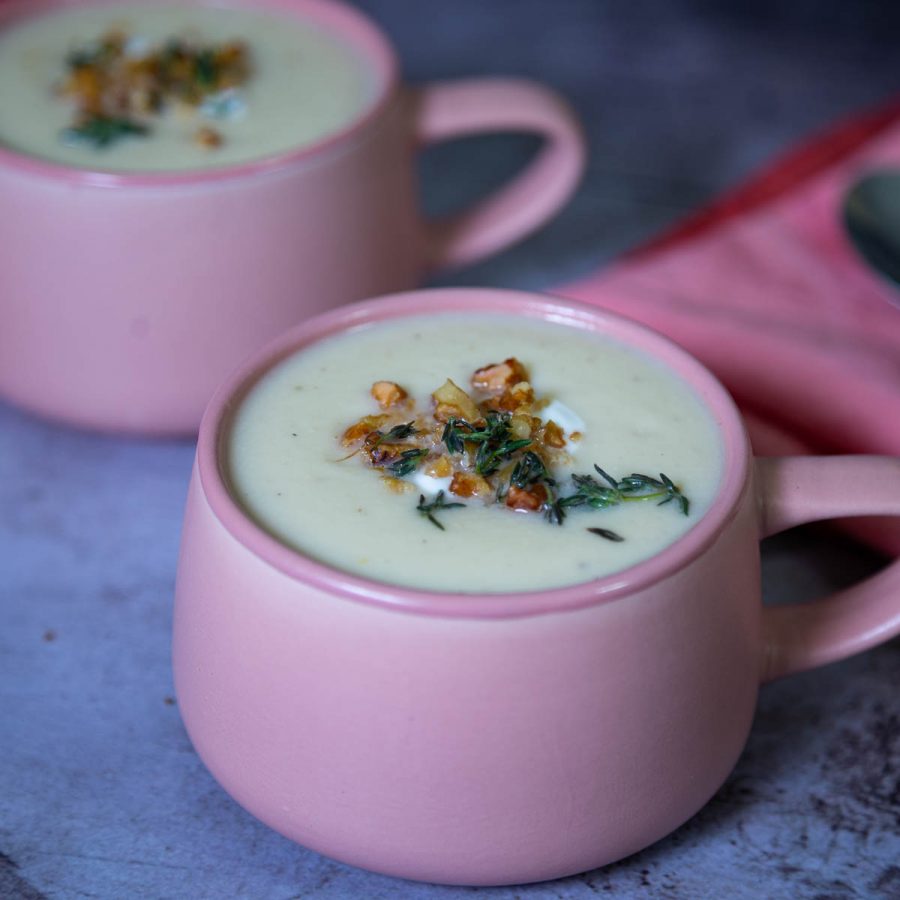
- Homemade Cauliflower Soup
- How to Make Cauliflower Rice
- Turmeric Cauliflower Rice Pilaf
- Mustard Dill Cauliflower Rice Pilaf
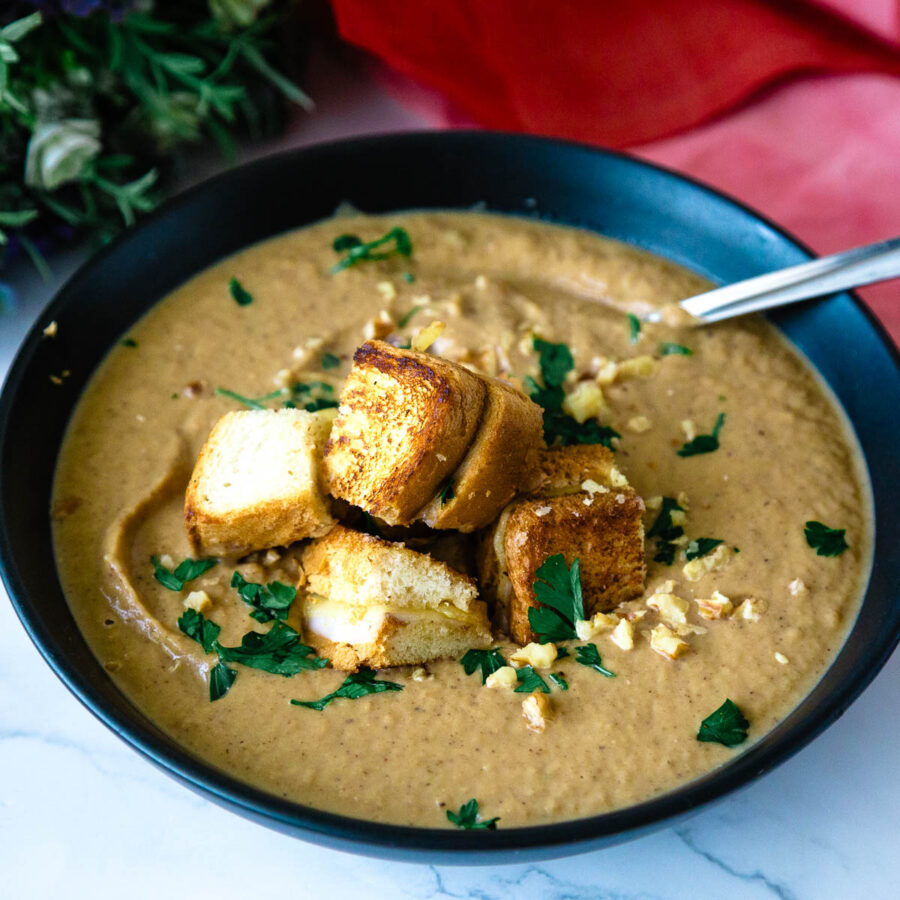
- Creamy Roasted Cauliflower Soup (Blender Soup)

Frequently asked questions
Roasting cauliflower typically takes 25-30 minutes at 425°F (220°C). However, cooking times may vary depending on the size of the florets and your preferred level of tenderness. It’s best to keep an eye on the cauliflower and test it with a fork for the desired texture.
Yes, you can roast frozen cauliflower! It’s a convenient option when fresh cauliflower is not readily available. Simply toss the frozen florets with olive oil and seasonings and roast them at the same temperature mentioned in the recipe. Remember that frozen cauliflower may require slightly longer cooking times to ensure it’s properly cooked through.
To prevent your roasted cauliflower from becoming soggy, it’s important to keep it dry before roasting. After washing the florets, make sure to pat them dry well with a paper towel. Additionally, avoid overcrowding the baking sheet, as this can lead to steaming rather than roasting. Give the cauliflower enough space to allow for proper browning and crispness.
If you have any leftover roasted cauliflower, store it in an airtight container in the refrigerator. It will stay fresh for up to 3-4 days. When you’re ready to enjoy it again, you can eat it cold or reheat it in the oven at a low temperature to preserve its texture and taste.
more side dish recipes
- Oven-Roast Purple Sweet Potatoes
- Baby Roasted Eggplant
- Sauteed Broccoli
- Garlic Butter Sauteed Mushrooms
- Garlic Sauteed Cabbage
Don’t lose this recipe! Save it for Later!
📌 Save this Recipe for later on Pinterest so you can easily find it again.
⭐ Add Veena Azmanov Kitchen to your Google Preferred Sources.
It helps Google show you more of our recipes.
📧 Subscribe for new recipes delivered to your inbox.
🎥 Follow us for more recipes


Hi, I’m Veena
I’m the recipe developer, baker, and food photographer behind Veena Azmanov Kitchen.
I’ve spent years developing and testing recipes, from everyday meals and homemade breads to cakes and desserts.
I share the practical tips and little details I’ve learned along the way so you can get great results in your own kitchen.