





There’s something undeniably satisfying about creating your own homemade pizza. Whether you’re a seasoned pizza enthusiast or a novice in the kitchen, mastering the art of homemade pizza can take your culinary skills to the next level. From choosing the right ingredients to perfecting your dough-stretching technique, there are several tips and tricks that can help you elevate your homemade pizza game.
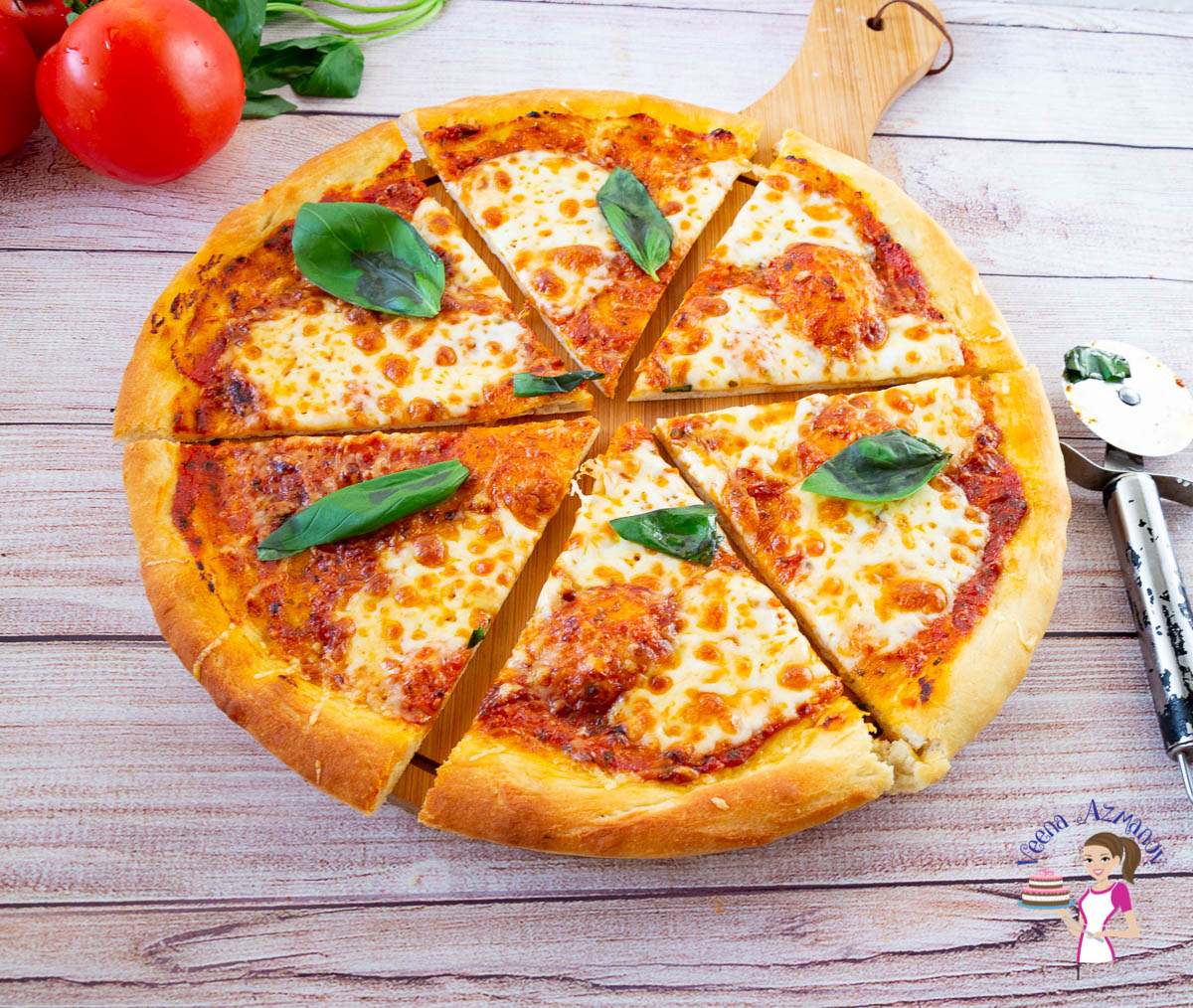
Homemade pizza is a delicious and customizable dish that brings together the warmth of a freshly baked crust, the richness of tomato sauce, the gooeyness of melted cheese, and the flavors of various toppings. From classic combinations like pepperoni and mushrooms to more adventurous choices like barbecue chicken or Mediterranean-style with feta and olives, homemade pizza offers endless possibilities. Whether you prefer a thin and crispy crust or a thick and chewy one, making pizza at home allows you to tailor every aspect of the dish to your liking. It’s a fun and rewarding culinary experience that brings family and friends together to enjoy a slice of comfort and creativity.
Pizza gained popularity outside of Naples in the 19th century, especially after Italy was unified, and Queen Margherita of Savoy tried a pizza topped with tomatoes, mozzarella cheese, and basil, which represented the colors of the Italian flag. This pizza, known as the Margherita pizza, became a symbol of Italian cuisine and helped popularize pizza throughout Italy and eventually the world.
Why make your own homemade pizza?
Making your own homemade pizza from scratch can be a rewarding and enjoyable experience for several reasons. It allows you to create a personalized, delicious meal that is often healthier, more cost-effective, and more enjoyable than store-bought options.
- Customization: When you make your own pizza, you can customize it exactly to your liking. You can choose your favorite toppings, cheese, sauce, and crust thickness, ensuring that every bite is exactly how you want it.
- Quality Ingredients: By making your own pizza, you have control over the quality of the ingredients you use. You can choose fresh, high-quality ingredients, resulting in a tastier, healthier pizza than store-bought options.
- Freshness: Homemade pizza is often fresher than store-bought versions, as you can make it right before serving. This can enhance the flavors and textures of the pizza, making it more enjoyable to eat.
- Cost-Effective: Making your own pizza can be more cost-effective than ordering from a pizzeria, especially if you have a family or group to feed. You can also make multiple pizzas for the price of one delivery pizza.
- Fun and Creativity: Making pizza from scratch can be a fun and creative process. You can involve friends or family in the process, experiment with different toppings and flavors, and enjoy the satisfaction of creating a delicious meal from start to finish.
What makes a good pizza?
Several factors contribute to making a good pizza:
- Quality Ingredients: Using high-quality ingredients, such as fresh tomatoes, mozzarella cheese, and authentic Italian meats, can greatly enhance the flavor of a pizza.
- Proper Dough: The dough should be properly kneaded and rested to develop gluten and achieve the desired texture—whether it’s thin and crispy or thick and chewy.
- Flavorful Sauce: A flavorful tomato sauce, seasoned with herbs and spices, can add depth to the pizza’s flavor profile.
- Balance of Toppings: A good pizza has a balance of toppings, ensuring that no single ingredient overpowers the others. Each topping should complement the others and contribute to the overall flavor.
- Even Distribution: Toppings should be evenly distributed across the pizza to ensure that each bite has a bit of everything.
- Proper Baking: The pizza should be baked at the right temperature and for the right amount of time to achieve a crispy crust and melted cheese without burning the toppings.
- Freshness: Using fresh ingredients and making the pizza just before serving can greatly enhance its flavor and texture.
- Creativity: While traditional pizzas are delicious, creativity in toppings and flavor combinations can make a pizza truly memorable.
Overall, a good pizza is one that combines high-quality ingredients, proper preparation techniques, and a touch of creativity.
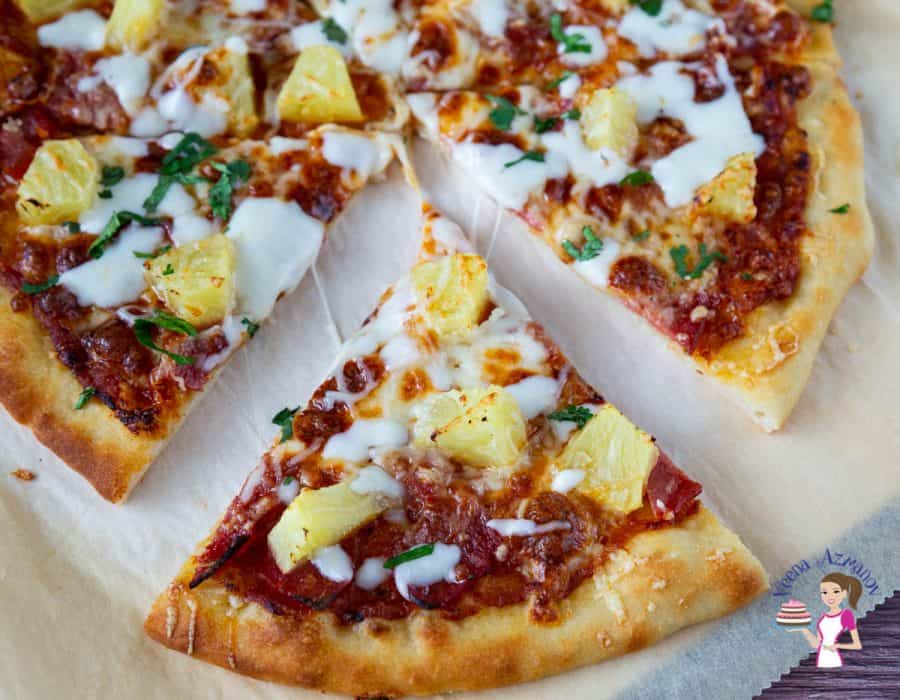

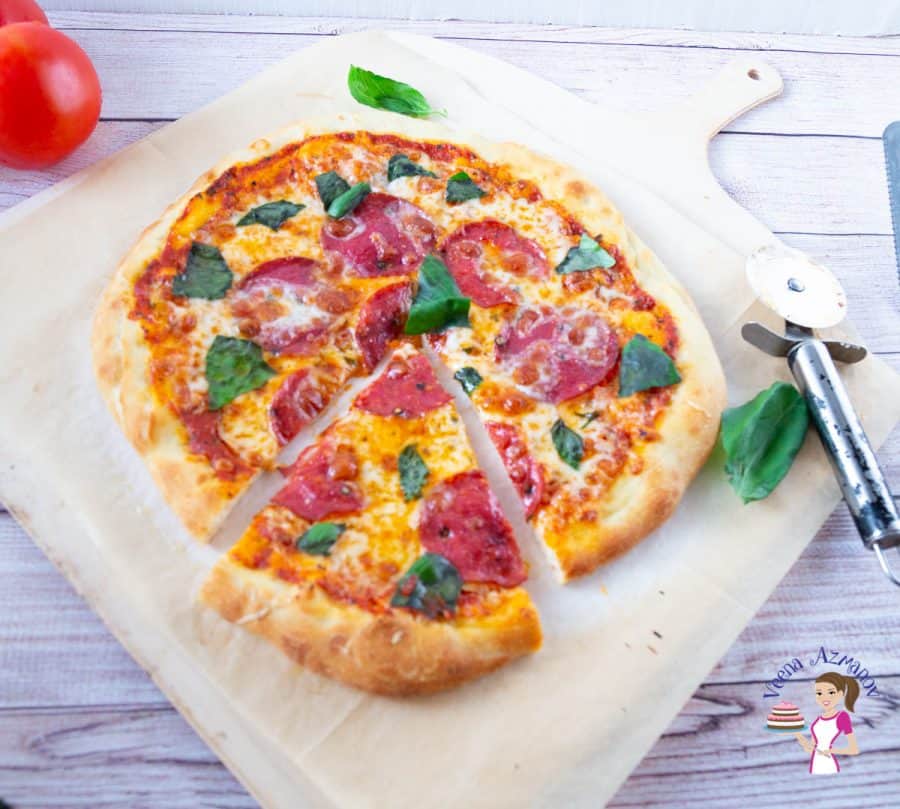
Every pizza needs four components
- Dough – while you can get ready-to-use pizza dough, you can just as well make your own in an hour or more.
- Classic pizza dough – needs to be kneaded for an hour or two for rising and proofing.
- Overnight pizza dough – A softer dough with less yeast that needs overnight proofing. Perfect to plan ahead.
- No-knead pizza dough – For those times when you don’t have time to knead. The long rising is what gives this dough its structure.
- Sauce – you can use ready-to-use pizza sauce, but you can also make your own, and it does not take long.
- 5-minute pizza sauce – this one is quick and easy, mostly using ingredients you already have in your pantry.
- Marinara sauce – a thick marinara sauce is perfect over homemade pizza. Definitely better than one from the jar.
- Fresh tomato sauce – made with fresh tomatoes, and one you can use for pizza or pasta.
- Cheese – For my pizzas, I like to use a combination of three kinds of cheese. The classic Parmesan and mozzarella, plus one other such as cheddar, feta, gouda, etc.
- Toppings – The options for this are endless, from everything to nothing!
- Classic Margherita pizza – just tomato sauce, cheese, and a few basil leaves – pizza at its best!
- Mushroom pizza – a sprinkle of a combination of mushrooms is perfect if you love mushrooms.
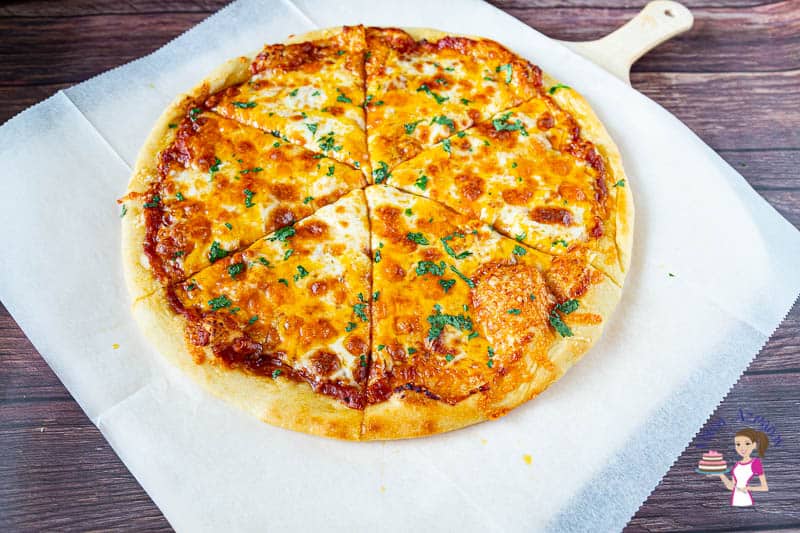
- 3 cheese pizza – a cheese lover’s dream. Add any cheese you like!
- White pizza – instead of tomato sauce, use a classic bechamel white sauce to give this one a new twist.
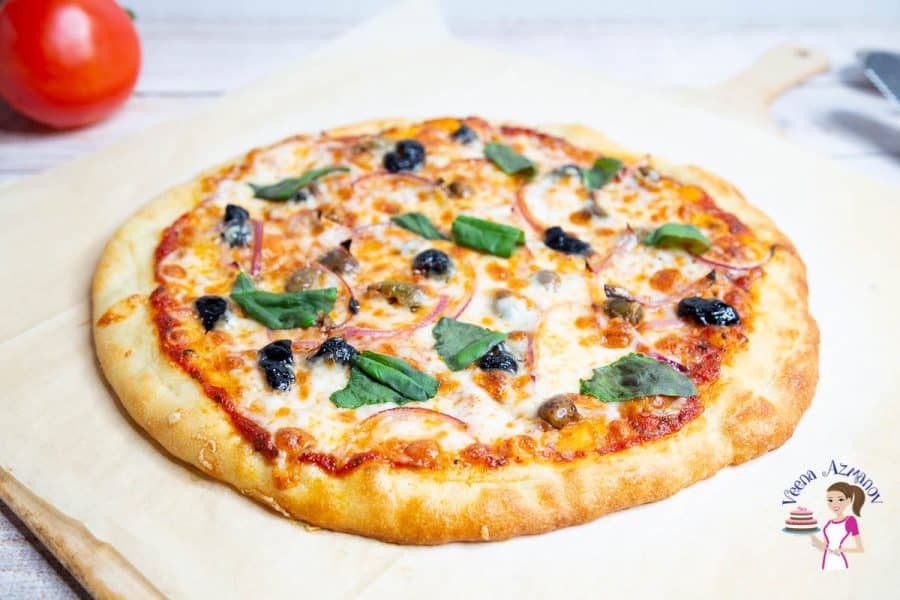
- Olives and red onions – a Mediterranean flair with salty olives and onions caramelized on top
- Hawaiian pizza – made with ham and pineapples – kids’ favorite!
- Pepperoni pizza – nothing says pizza like slices of pepperoni, does it?
- Pesto pizza – topped with red pesto instead of tomato sauce.
Now that we covered the four components, let me share my 10 tips for making amazing homemade pizzas.
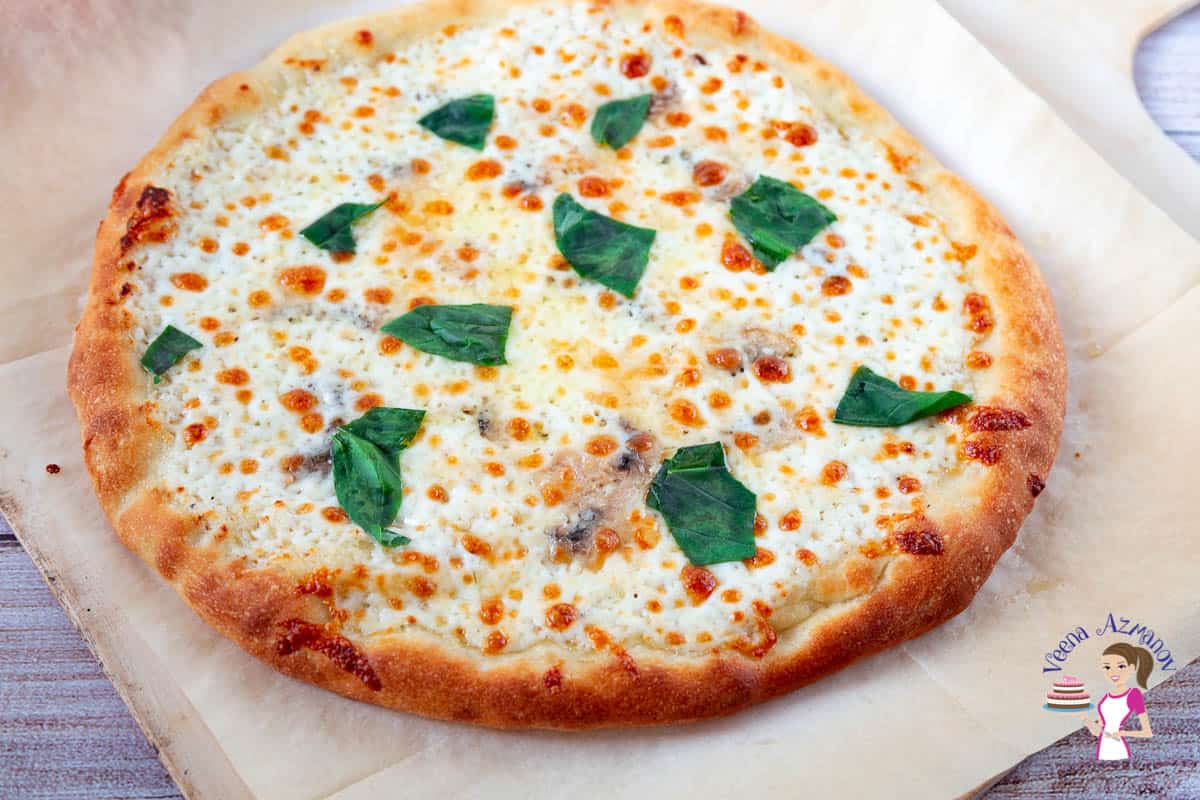
10 Tips for Success
- Use High-Quality Ingredients: High-quality ingredients can significantly elevate the flavor of your homemade pizza. Fresh vegetables, such as ripe tomatoes, bell peppers, and mushrooms, will add vibrant flavors and textures. Opt for good-quality meats, like Italian sausage or prosciutto, which will impart rich, savory notes. When it comes to cheese, fresh mozzarella or aged Parmesan can bring a creamy texture and distinctive taste to your pizza. Choosing the best ingredients you can find will ensure that your pizza is bursting with flavor from the first bite to the last.
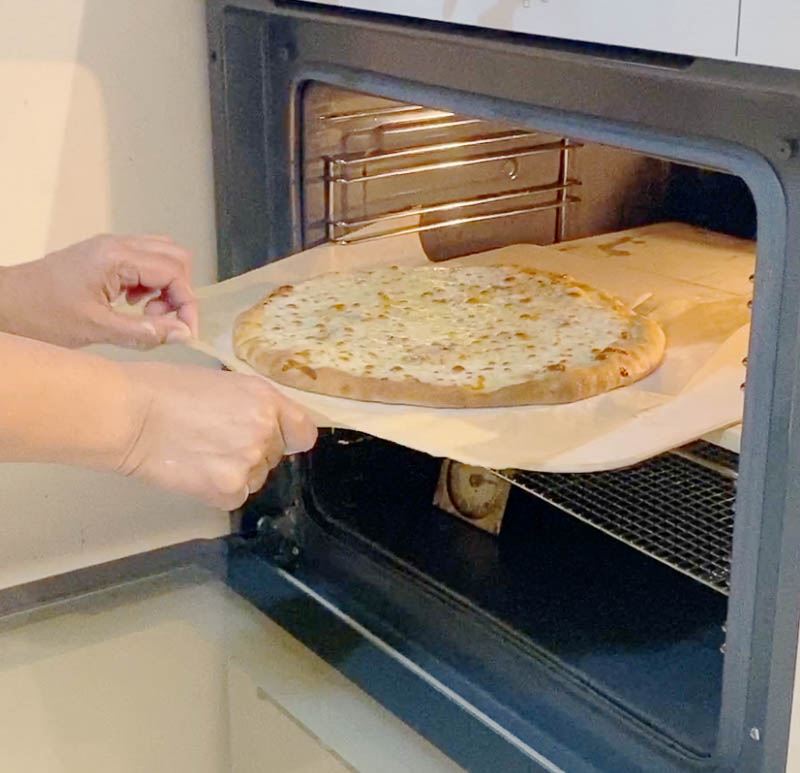
- Preheat Your Oven and Pizza Stone: Preheating your oven and pizza stone is crucial for achieving a crispy crust. A hot oven and stone help to quickly cook the dough, creating a crispy exterior while keeping the inside tender. Preheating for at least 30 minutes ensures that the stone is evenly heated, which is essential for even baking. This step is particularly important for thin-crust pizzas, as it helps prevent the dough from becoming soggy.
- Use the Right Flour: The type of flour you use can significantly impact the texture and flavor of your pizza crust. High-protein flours, such as bread flour or Tipo “00” flour, are ideal for pizza dough. These flours have a higher gluten content, which helps the dough develop a chewy texture and good structure. Using the right flour will result in a crust that is both crispy on the outside and chewy on the inside.

- Don’t Overload with Toppings: While it may be tempting to load up your pizza with toppings, doing so can lead to a soggy crust and uneven cooking. Use a light hand when adding toppings, spreading them evenly across the dough. This will ensure that each bite has a balance of flavors and textures. Avoid adding too much sauce or cheese, as this can also weigh down the crust and prevent it from cooking properly.

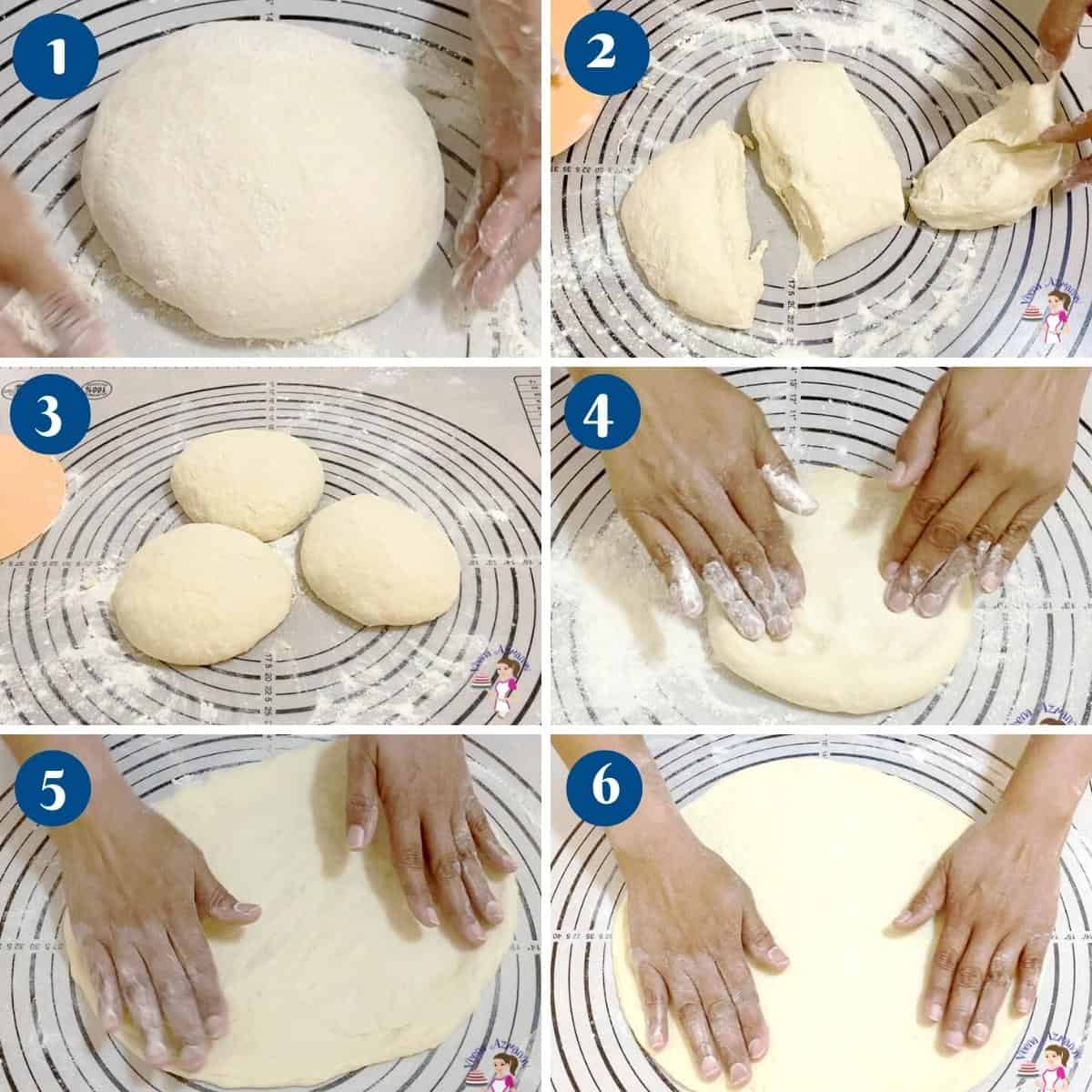
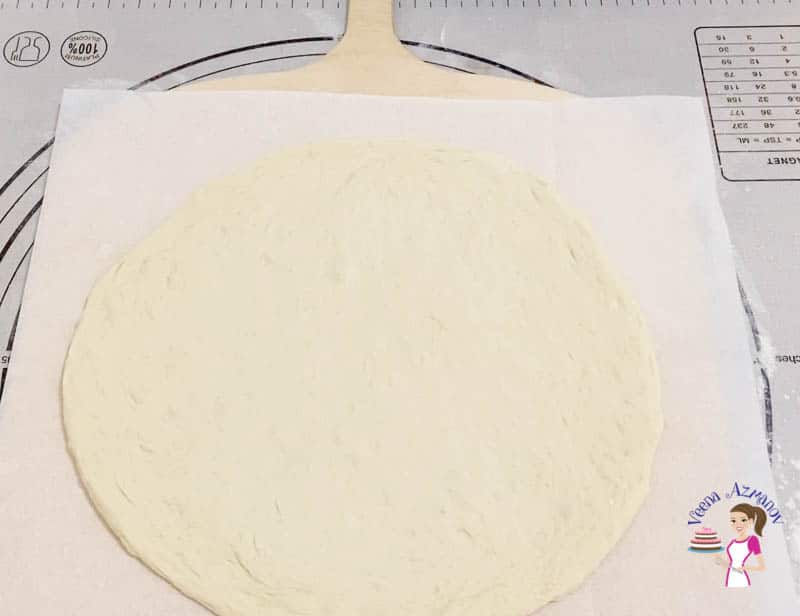
- Stretch the Dough Properly: When stretching your pizza dough, it’s important to do so gently and evenly. Avoid overworking the dough, as this can make it tough and difficult to stretch. Use your hands to gently stretch the dough into a round shape, working from the center outward. If the dough resists stretching, let it rest for a few minutes before trying again. Properly stretching the dough will help ensure that your pizza has a uniform thickness and cooks evenly.
- Use a Pizza Peel: A pizza peel is a valuable tool for transferring your pizza to the oven. Dust the peel with cornmeal or flour to prevent the dough from sticking. Once your pizza is assembled on the peel, carefully slide it onto the preheated pizza stone in the oven. The peel allows you to easily transfer the pizza without disturbing the toppings, ensuring that it cooks evenly.
- Rotate the Pizza: If your oven tends to have hot spots, rotating the pizza halfway through baking can help ensure that it cooks evenly. Use a pizza peel or oven-safe gloves to carefully rotate the pizza 180 degrees. This will help prevent one side of the pizza from burning while the other side remains undercooked. Rotating the pizza is particularly important for achieving an evenly cooked crust.
- Let It Rest: Allow your pizza to rest for a few minutes after baking before slicing and serving. This allows the cheese to set slightly, making it easier to slice. It also allows the flavors to meld together, resulting in a more cohesive and flavorful pizza. Resting the pizza for just a few minutes can make a big difference in the final texture and taste.

- Experiment with Flavors: One of the joys of making homemade pizza is the opportunity to experiment with different flavors and toppings. Don’t be afraid to get creative and try new combinations. Consider adding unconventional toppings like caramelized onions, roasted garlic, or spicy peppers. Mixing and matching different cheeses can also add depth and complexity to your pizza. Experimenting with flavors is a fun way to discover new favorites and make each pizza unique.

- Have Fun: Above all, making homemade pizza should be a fun and enjoyable experience. Don’t stress too much about achieving perfection. Enjoy the process of kneading the dough, choosing your toppings, and watching your pizza bake to golden perfection. Whether you’re making pizza with family or friends, or simply treating yourself to a homemade meal, savor the experience and the delicious results.

- Homemade Pizza Dough: The Perfect Recipe for Delicious Pizza Crust
- 3 Cheese Pizza
- The Best Pizza Dough Recipe: Pizzeria-Style Overnight Dough
- Olive Pizza with Red Onions
- No-Knead Pizza Dough: Simplifying the Pizza-Making Process


Frequently asked questions
Pizza is always at its best fresh out of the oven, but it does have a long shelf-life and can be reheated and served again.
Yes, you can use all-purpose flour instead of bread flour to make pizza dough. However, bread flour has a higher protein content, which helps create a chewier crust. If using all-purpose flour, you may need to adjust the amount of liquid in the dough to achieve the desired consistency.
While a pizza stone can help create a crispy crust, you can still make delicious homemade pizza without one. A baking sheet or pizza pan can also be used, though the crust may be slightly different in texture.
The length of time you let the dough rise will depend on the recipe and the temperature of your kitchen. In general, dough should double in size during the first rise, which can take anywhere from 1 to 2 hours. After shaping the dough, it may need to rise again for another 30 minutes to an hour before baking.
Traditionally, tomato sauce and pizza sauce are very common. But I also love using pesto, BBQ sauce, Alfredo sauce, etc.
Traditionally, mozzarella is used. Personally, I like to use a combination of mozzarella, parmesan, and cheddar or other white cheese.
You can freeze homemade pizza dough. Just punch down the dough and remove as much of the air. Then place in a freezer-approved ziplock bag and freeze for a month or more.
To thaw, just place the bag in the fridge for a couple of hours before you need to use it. Let it come to room temperature for an hour before you use it.
You can bake the pizza, cut the slices, and cool them completely before you place the slices in a ziplock bag. You can freeze these for a long time, but mine have never stayed for more than a week. They make a great snack for kids.
I often make mini pizzas and save them for the kids’ school snacks. Freeze and thaw them the same way as the slices above.
To prevent a soggy crust, make sure your oven and pizza stone (if using) are preheated sufficiently. Also, avoid overloading the pizza with toppings, as excess moisture from the toppings can make the crust soggy. Finally, consider pre-baking the crust for a few minutes before adding toppings to help it crisp up.
The best way to reheat leftover pizza is in a preheated oven or toaster oven. Place the slices on a baking sheet and bake at 350°F (175°C) for about 10 minutes, or until heated through. This helps maintain the crust’s crispness while melting the cheese and warming the toppings.
Yes, you can make pizza dough ahead of time and store it in the refrigerator for up to 2 days. Simply place the dough in a lightly oiled bowl, cover it with plastic wrap, and refrigerate. Allow the dough to come to room temperature before shaping and baking.
Some creative pizza topping ideas include BBQ chicken with red onions and cilantro, spinach and artichoke with a creamy garlic sauce, or fig, prosciutto, and arugula with a balsamic glaze. Experimenting with different combinations of flavors and ingredients can lead to delicious and unique pizzas.
Best Homemade Pizza Crust
Ingredients
Pizza Dough – Makes 2 x 12-inch Thick crust or 4 x 10-inch thin crust pizzas
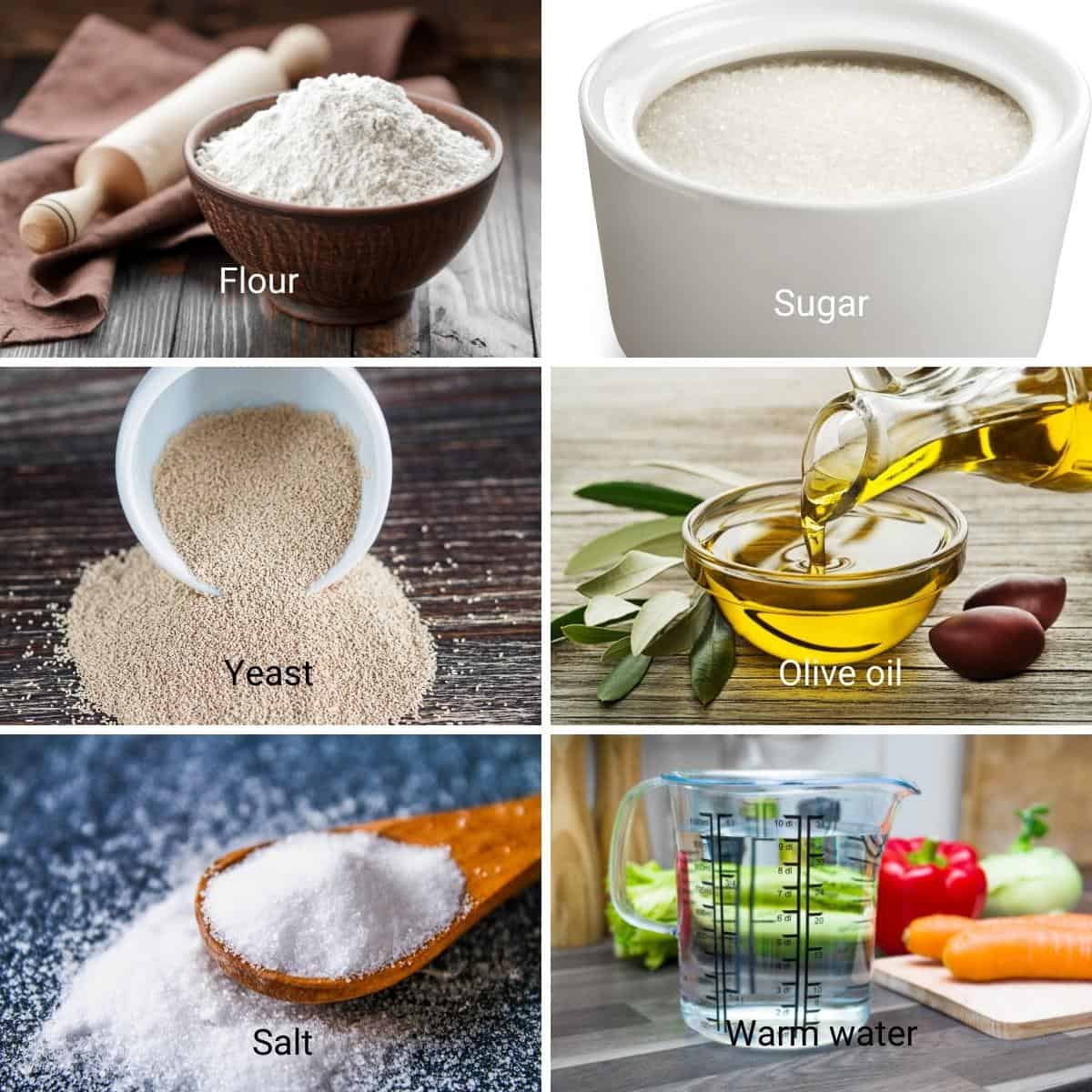
- 360 g (1½ ml) Warm water 110 F / 38 C
- 15 g (1 tbsp) Sugar
- 15 g (1 tbsp) Olive oil
- 7 g (2¼ tsp) Instant dry yeast
- 500 cups (4 cups) Bread flour or all-purpose flour
- 9 g (1 tsp) Salt
Pizza Toppings
- 1½ cups Pizza sauce
- 1 cup Toppings mushrooms, peppers, onions, olives, basil,
- ½ cup (50 g) Parmesan cheese grated
- 1 cups (112 g) Mozzarella cheese grated
- 1 cup (113 g) White cheese Cheddar, Emmantle (optional)
Instructions
- Activate the yeast: In a small bowl, combine the yeast, sugar, and warm water. Let it sit for about 5-10 minutes until frothy.360 g Warm water, 15 g Sugar, 15 g Olive oil, 7 g Instant dry yeast
- Mix the dough: Combine the flour and salt in a large mixing bowl. Make a well in the center and pour in the yeast mixture and olive oil. Stir until a dough forms.500 cups Bread flour, 9 g Salt
- Knead the dough: Transfer the dough to a floured surface and knead for about 5-7 minutes or until the dough is smooth and elastic.
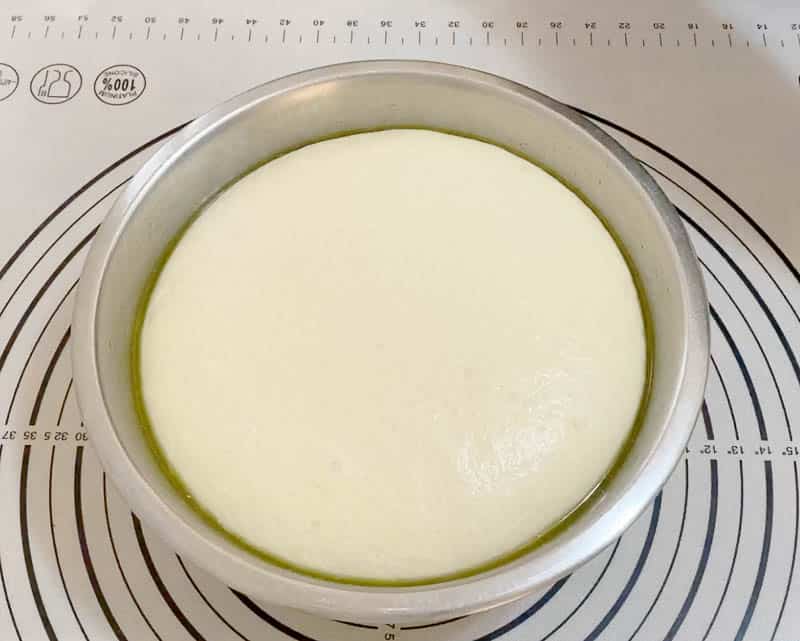
- First rise: Place the dough in a lightly oiled bowl, cover it with a damp towel or plastic wrap, and let it rise in a warm place for about 1-2 hours or until doubled in size.
- Preheat the oven: Preheat your oven to 475°F (245°C) and place a pizza stone or an inverted baking sheet inside to heat up.
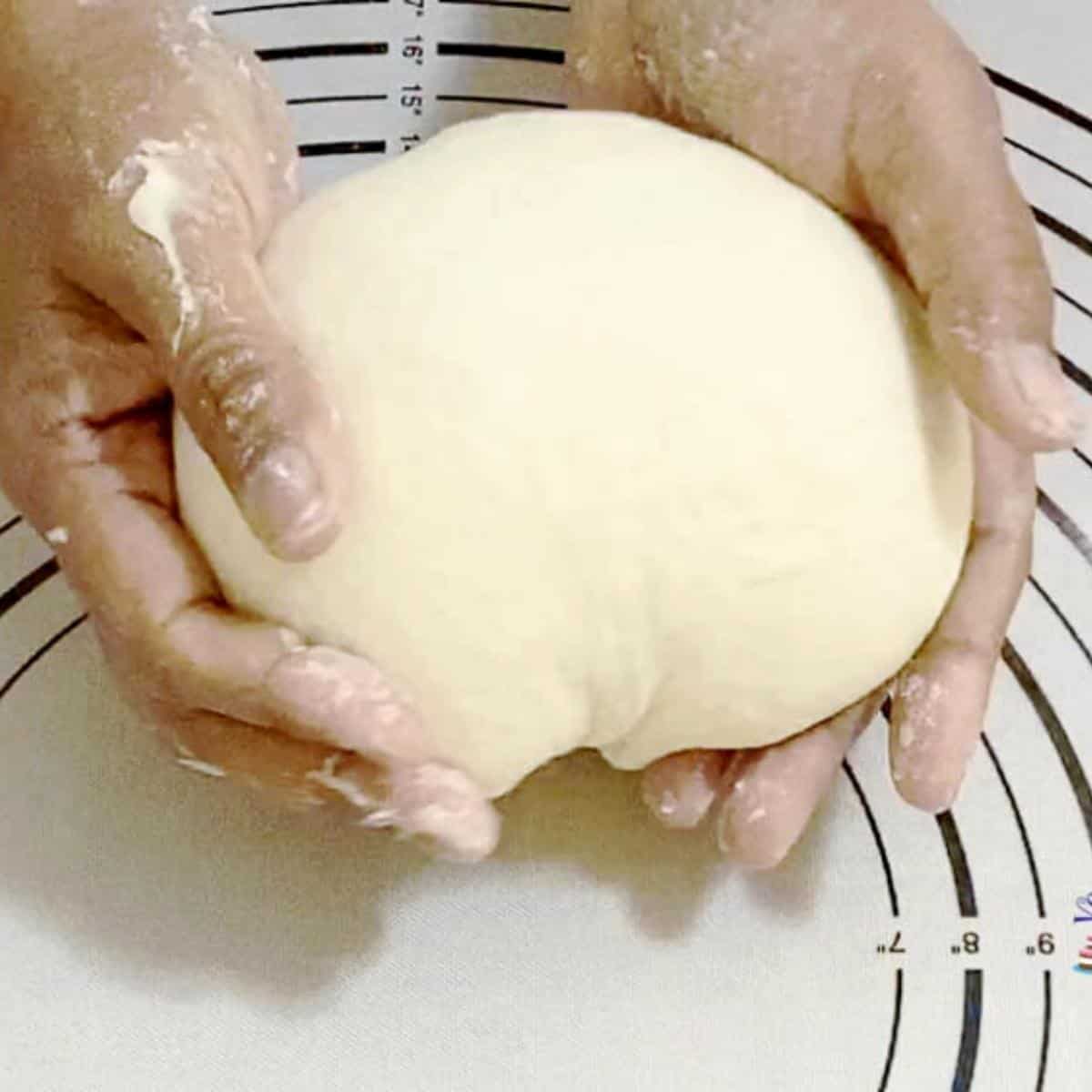
- Shape the dough: Punch down the dough and divide it into two equal portions. On a floured surface, shape each portion into a ball and flatten it into a disk. Use a rolling pin to roll out each disk into a 12-inch circle.
- Top and bake: Transfer the dough to a parchment-lined baking sheet or a pizza peel dusted with cornmeal. Add your favorite toppings and bake for 12-15 minutes or until the crust is golden and the toppings are bubbly.1½ cups Pizza sauce , 1 cup Toppings, ½ cup Parmesan cheese , 1 cups Mozzarella cheese , 1 cup White cheese
- Serve: Remove the pizza from the oven and let it cool for a few minutes before slicing and serving.
Video
Notes
- Use the right flour: All-purpose flour works well for most pizza dough recipes, but you can also use bread flour for a chewier crust or whole wheat flour for a nuttier flavor.
- Activate the yeast properly: Make sure your yeast is fresh and active. Dissolve it in warm water with a bit of sugar to help it activate. The water should be around 110°F/45°C—too hot can kill the yeast, and too cold can slow down the activation process.
- Knead the dough thoroughly: Kneading helps develop the gluten in the dough, which gives the crust its structure and texture. Knead the dough until it is smooth and elastic, about 5-7 minutes.
- Let the dough rise properly: After kneading, let the dough rise in a warm place until it has doubled in size. This usually takes about 1-2 hours, but it can vary depending on the temperature and humidity.
- Preheat your oven and baking surface: Preheat your oven to a high temperature (around 475°F/245°C) for at least 30 minutes before baking your pizza. If using a pizza stone or baking sheet, preheat it in the oven as well to help crisp up the crust.
- Roll out the dough evenly: Use a rolling pin to roll out the dough into a circle of even thickness. This will help ensure that the crust cooks evenly and doesn’t have any thick or thin spots.
- Don’t overload the toppings: Be mindful not to overload your pizza with toppings, as this can make the crust soggy and prevent it from cooking evenly. Less is often more when it comes to pizza toppings.
- Bake at a high temperature: Bake your pizza at a high temperature for a relatively short amount of time to ensure a crisp crust and properly melted cheese. Keep an eye on it to prevent burning.
- Let it rest before slicing: Allow your pizza to rest for a few minutes after baking before slicing. This will help the cheese set and the toppings to settle, making it easier to slice and enjoy.
- Overnight dough – The dough can be prepared a day in advance. Let the dough rest in the fridge overnight. Overnight proofing is a great way to add flavor to the bagels. The next day, let the dough come to room temperature before you shape and bake them. Alternatively, see my overnight pizza dough recipe.
- Bread machine – this dough can be easily made in a bread machine. Pour all ingredients in the pan set to dough or manual. Start and let the dough run its cycle for about 9 to 10 minutes – continue with the recipe as shown above.
- Freezing pizza dough – excess dough can be frozen for up to a month. Prepare the dough and let it rise for an hour. Then, punch the dough down and place it in a freezer-safe storage bag. Thaw overnight in the fridge for best results.
- Freezing baked pizza – leftover pizzas freeze beautifully. I like to slice them into wedges and freeze them on the tray. Once frozen, I place them in freezer-safe storage bags. These will keep for up to a month. Great snack for kids.


Made this recipe?
I’d love to see how yours turned out! Share a photo on Instagram and tag @veenaazmanov_kitchen or use #veenaazmanovkitchen. And don’t forget to leave a rating and review!
Don’t lose this recipe! Save it for Later!
📌 Save this Recipe for later on Pinterest so you can easily find it again.
⭐ Add Veena Azmanov Kitchen to your Google Preferred Sources.
It helps Google show you more of our recipes.
📧 Subscribe for new recipes delivered to your inbox.
🎥 Follow us for more recipes


Hi, I’m Veena
I’m the recipe developer, baker, and food photographer behind Veena Azmanov Kitchen.
I’ve spent years developing and testing recipes, from everyday meals and homemade breads to cakes and desserts.
I share the practical tips and little details I’ve learned along the way so you can get great results in your own kitchen.










Day 11 done
Day 11 Done
DAY 11 DONE
Day 11 done
Day 11 Done
Day 11 done
Day 11 done
Day 11 done
Day 11 DONE
Day 11 Done