
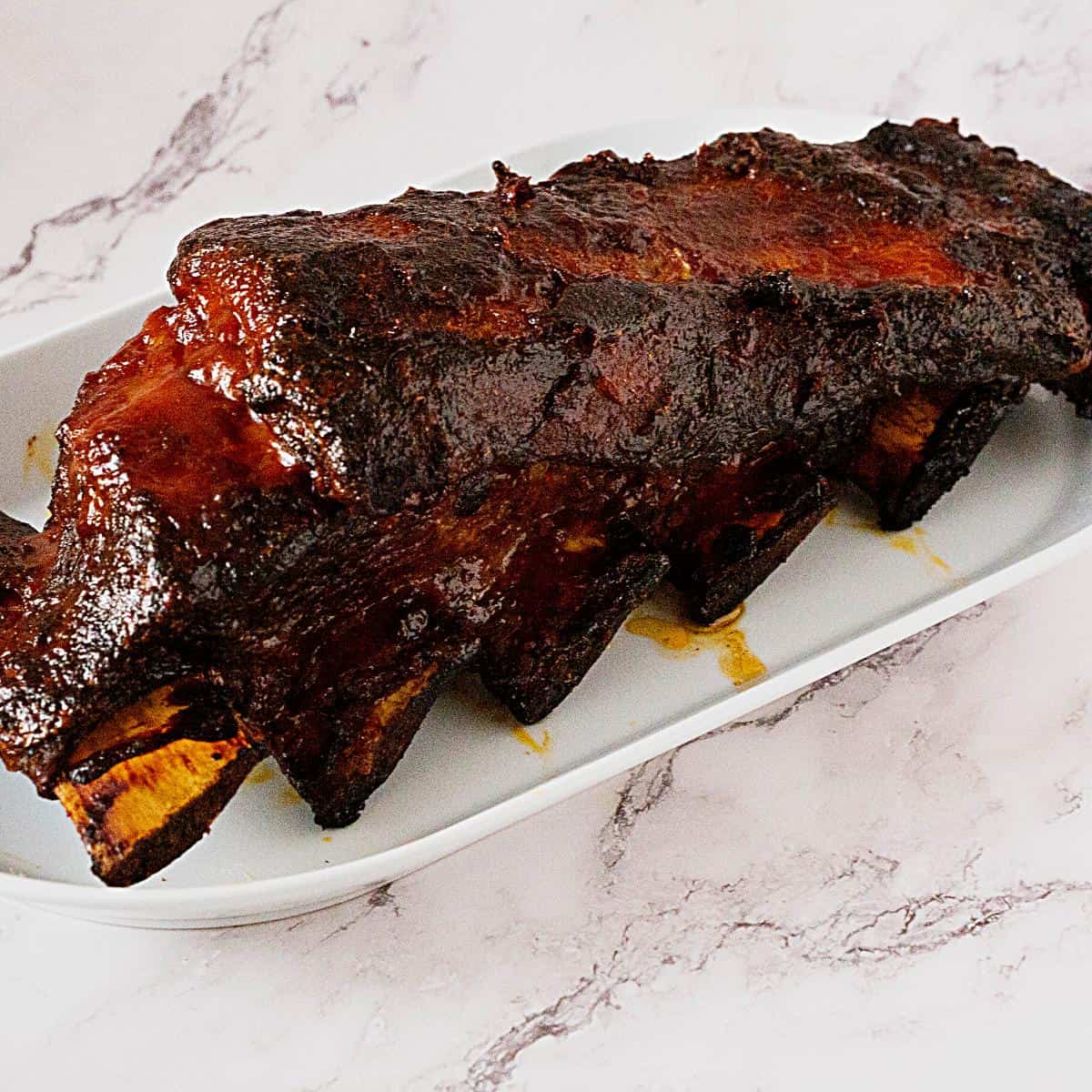
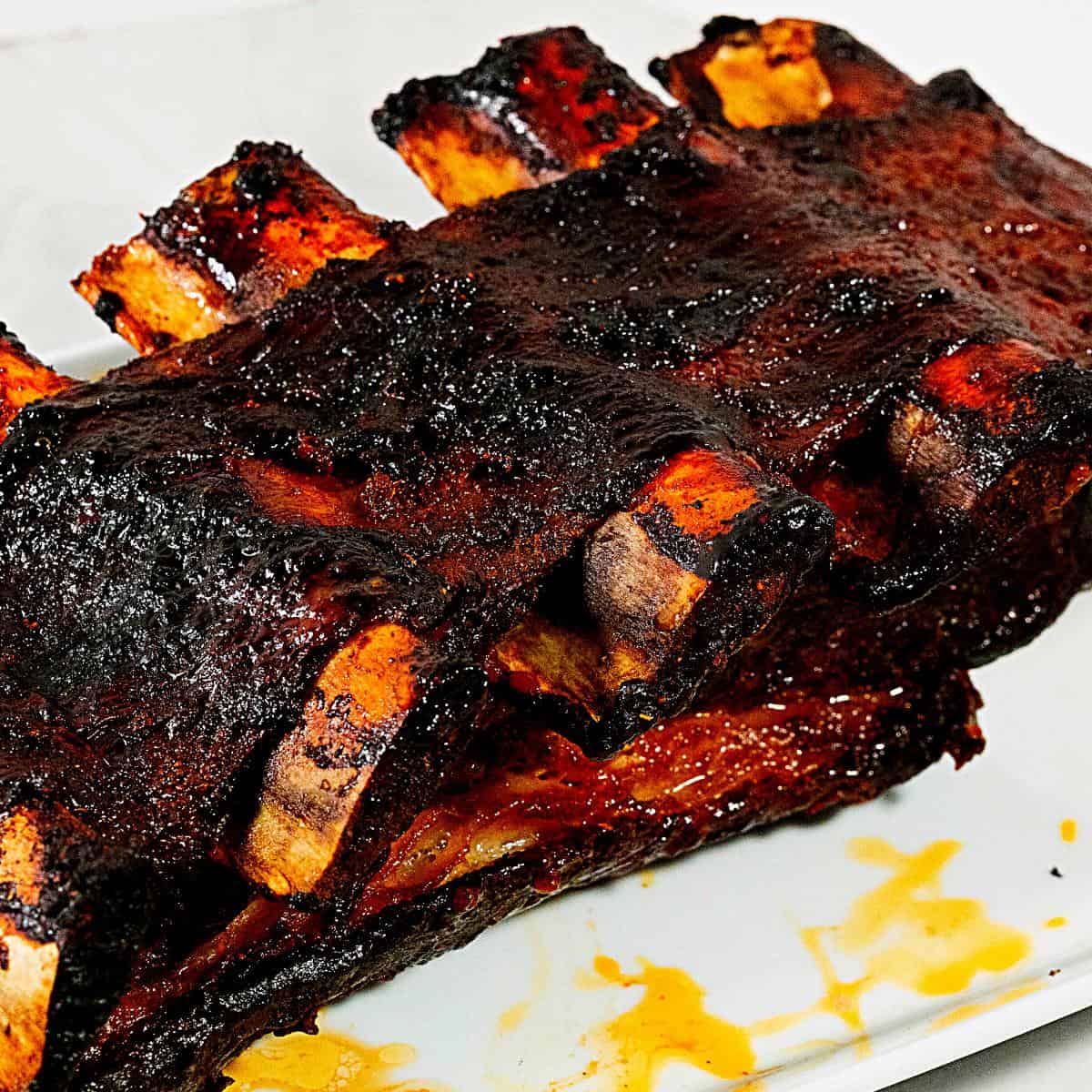
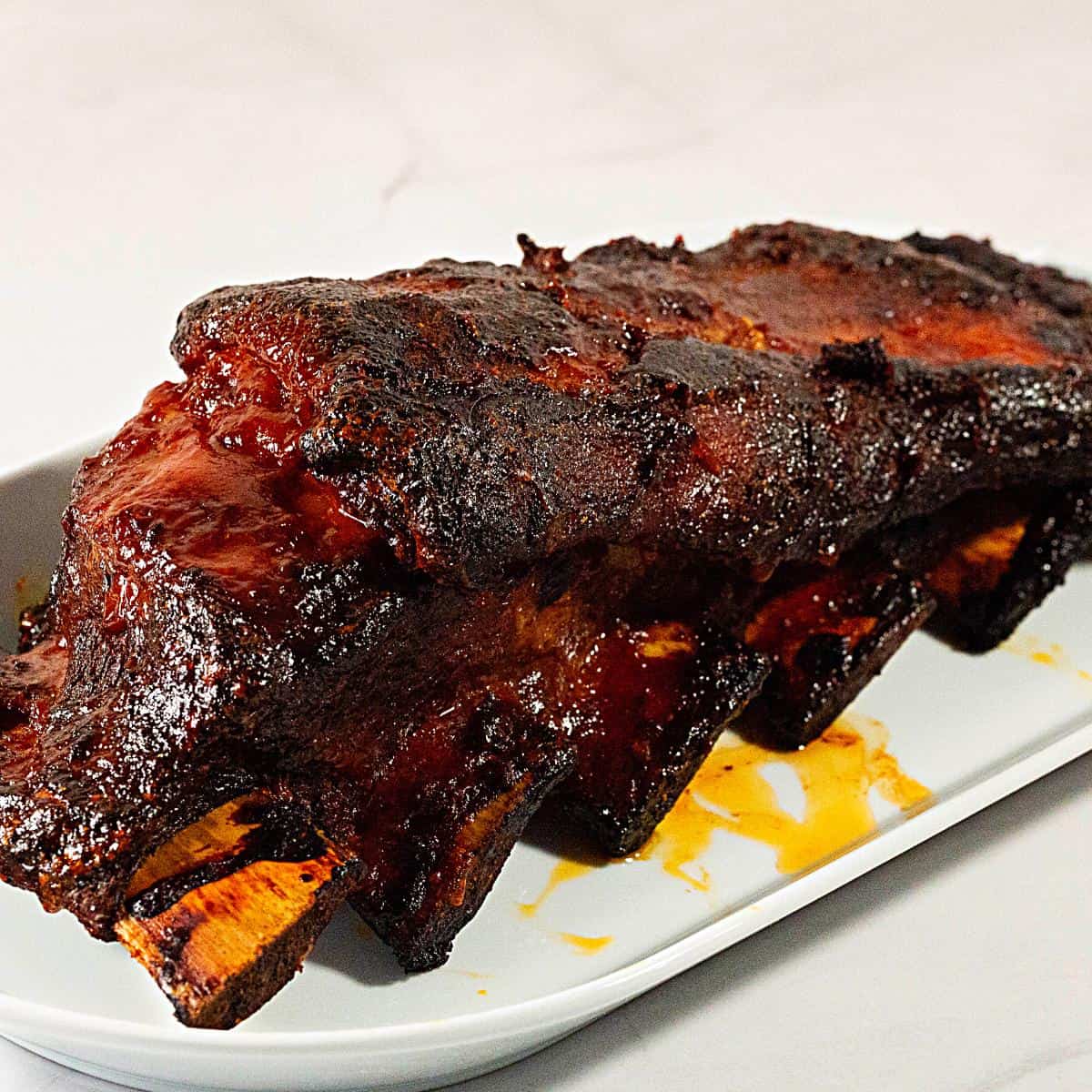
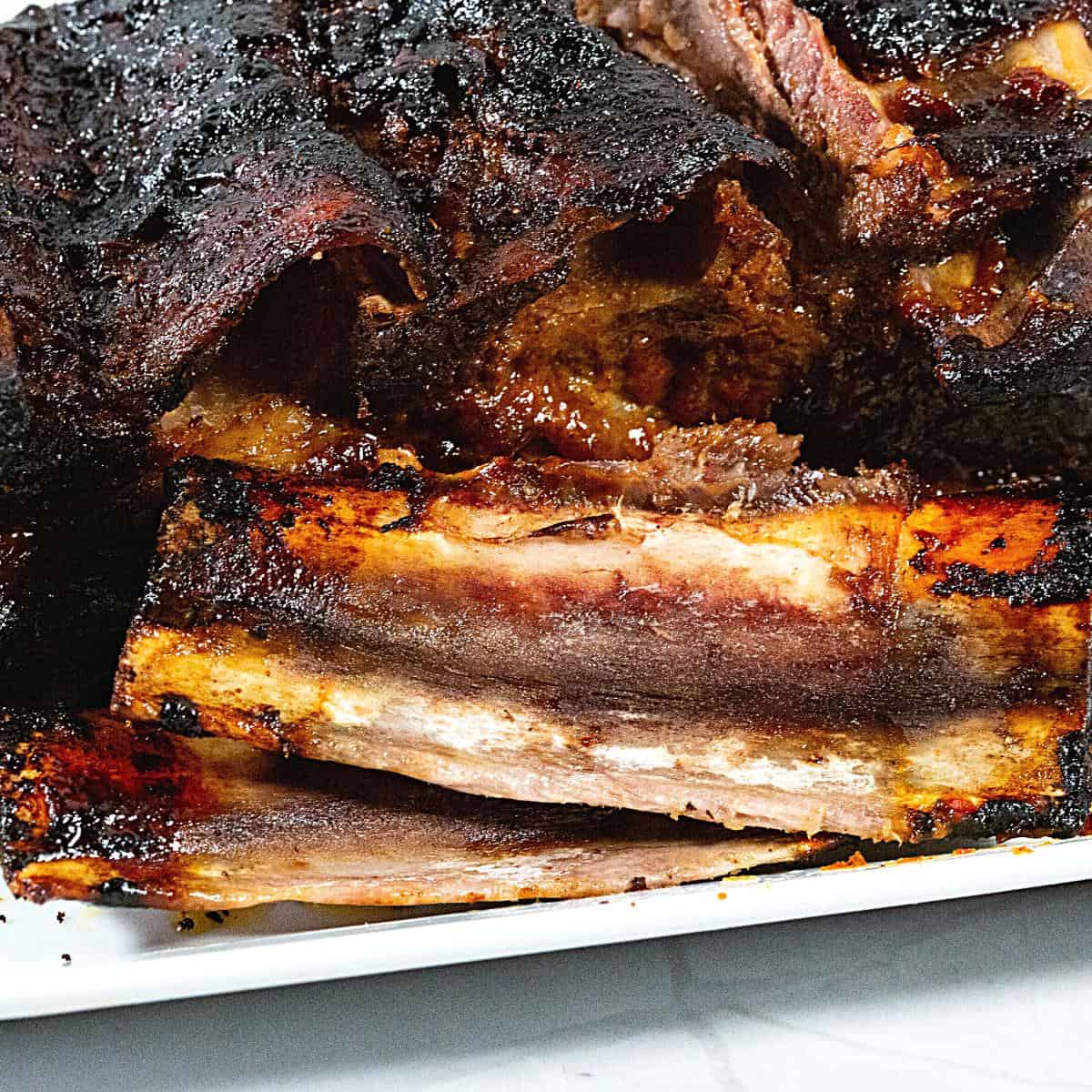
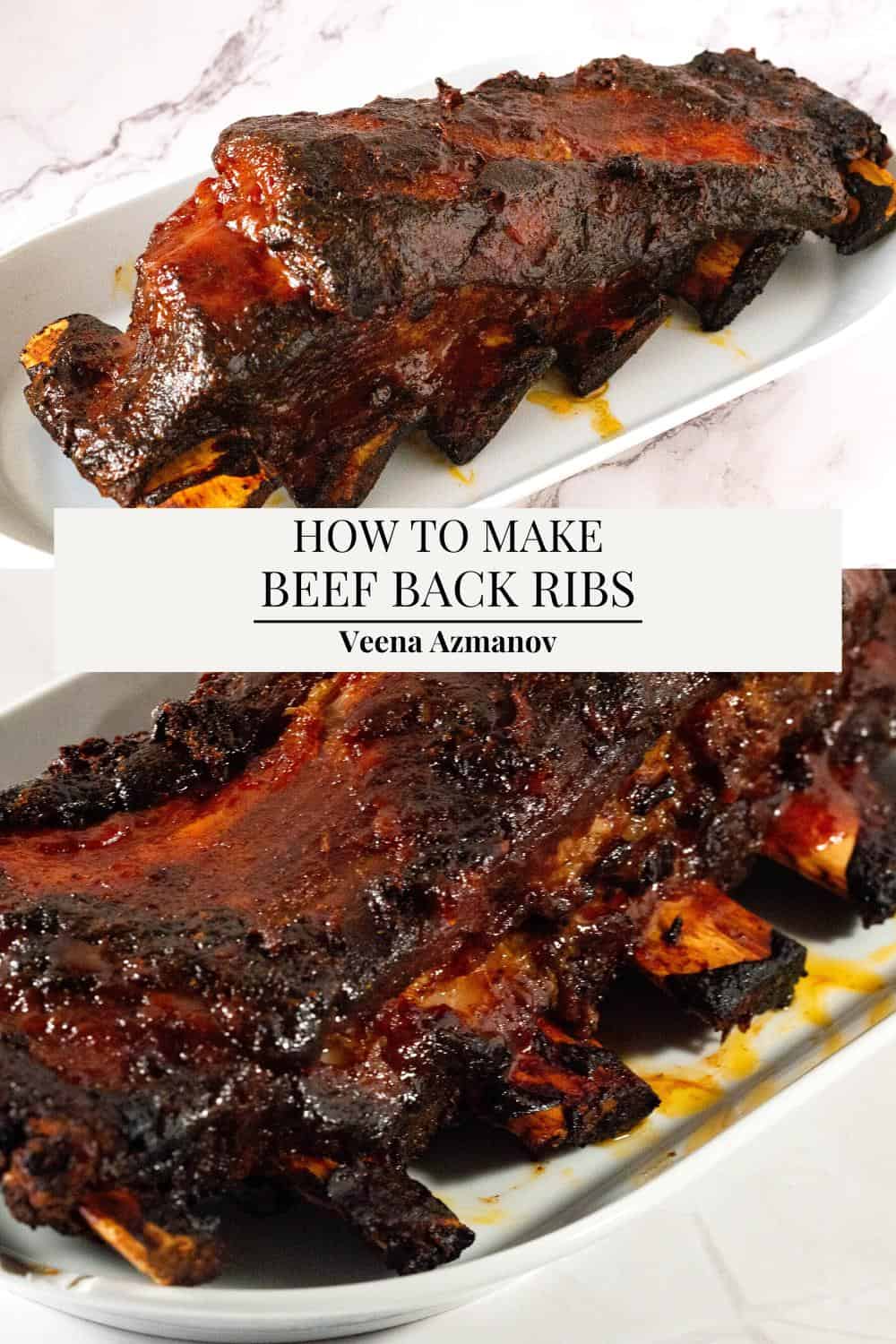
Are you tired of tough, chewy beef back ribs that just don’t cut it? Look no further! We’ve got the secret ingredients and cooking techniques that professional chefs use to achieve perfectly tender beef ribs that practically melt in your mouth. Get ready to impress your friends and family with your newfound culinary skills!
Beef back ribs, also known as beef plate ribs, are a flavorful and indulgent cut of meat that comes from the rib section of the cow. These ribs are larger and meatier than pork ribs, with rich marbling that makes them incredibly tender and juicy when cooked low and slow.
Beef back ribs are often smoked, grilled, or braised to enhance their natural flavors and render the fat, resulting in a succulent and mouth-watering dish. Their generous meat-to-bone ratio makes them a hearty and satisfying meal, perfect for both barbecue enthusiasts and meat lovers. Whether you’re cooking them for a special occasion or a casual weekend meal, beef back ribs will surely impress with their robust flavor and fall-off-the-bone tenderness.
Why make this recipe for beef ribs?
- Not only do they have a deep, delicious flavor, but they also fall off the bone with each tender bite.
- And unlike pre-cooked ribs from the supermarket, you have complete control over the flavor with your choice of rub and sauce.
- But what makes these ribs so special? The secret lies in the slow cooking process, which allows the meat to become so tender that it falls off the bone.
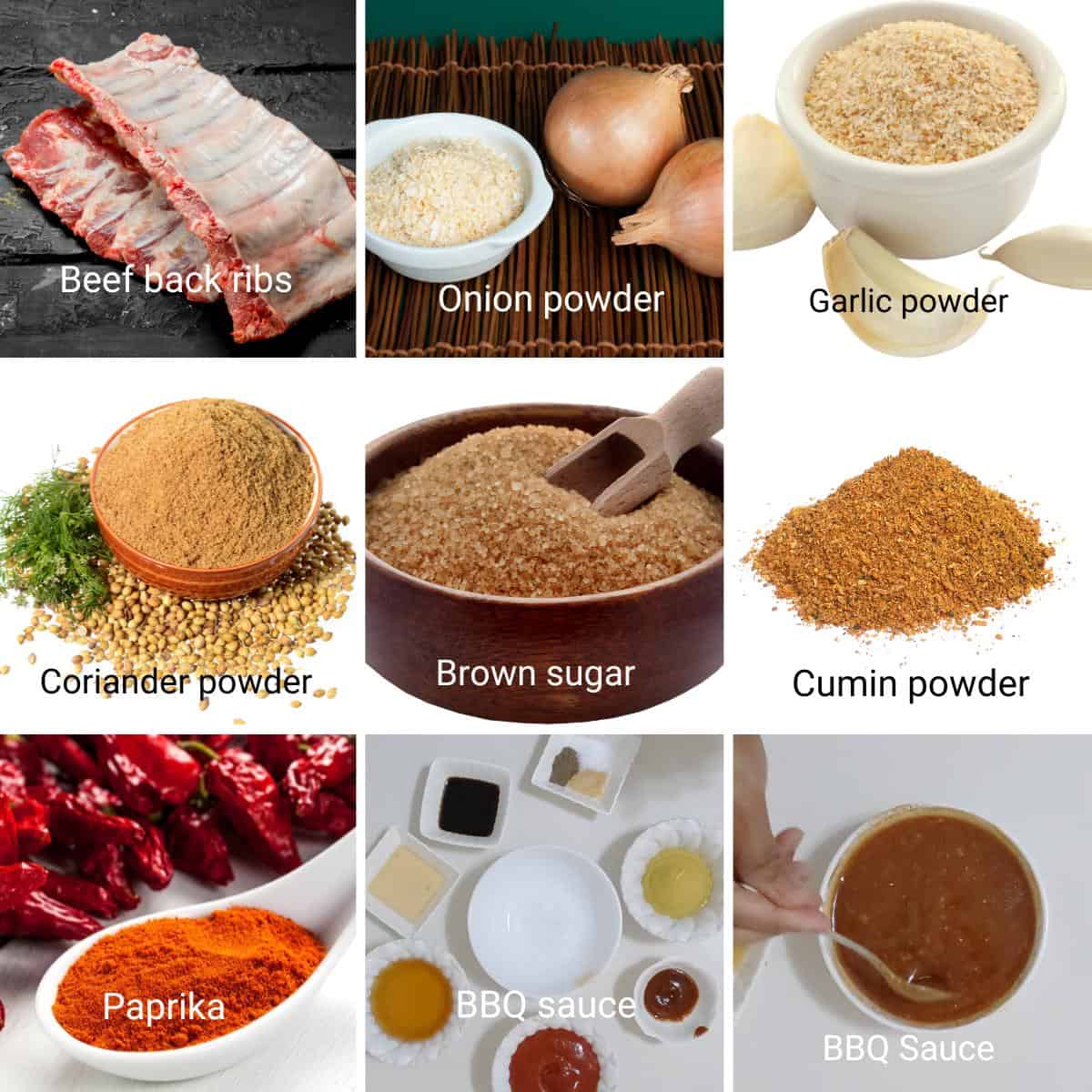
Ingredients and substitutes
- Beef ribs – You can use either back ribs or short ribs in this recipe. You can also substitute beef back ribs with pork ribs if that’s what you have on hand.
- Apple cider vinegar – If you don’t have apple cider, you can use red wine vinegar or white vinegar instead.
- Sweeteners – I use brown sugar in the rub and honey in the sauce. But you can also replace these with honey or maple syrup.
- Worcestershire sauce – This can be replaced with steak sauce, soy sauce, coconut aminos, or tamari for a gluten-free option.
- Garlic and ginger – Garlic powder and onion powder are better. But you can swap them with fresh garlic and onion.
- Smoked paprika – This can be replaced with regular paprika or chili powder.
Step-by-step: How to make perfect beef back ribs
- Oven – Preheat the oven to 275°F (140 °C) or Gas Mark 1. Line a baking sheet with aluminum foil and save a spare sheet for the top.
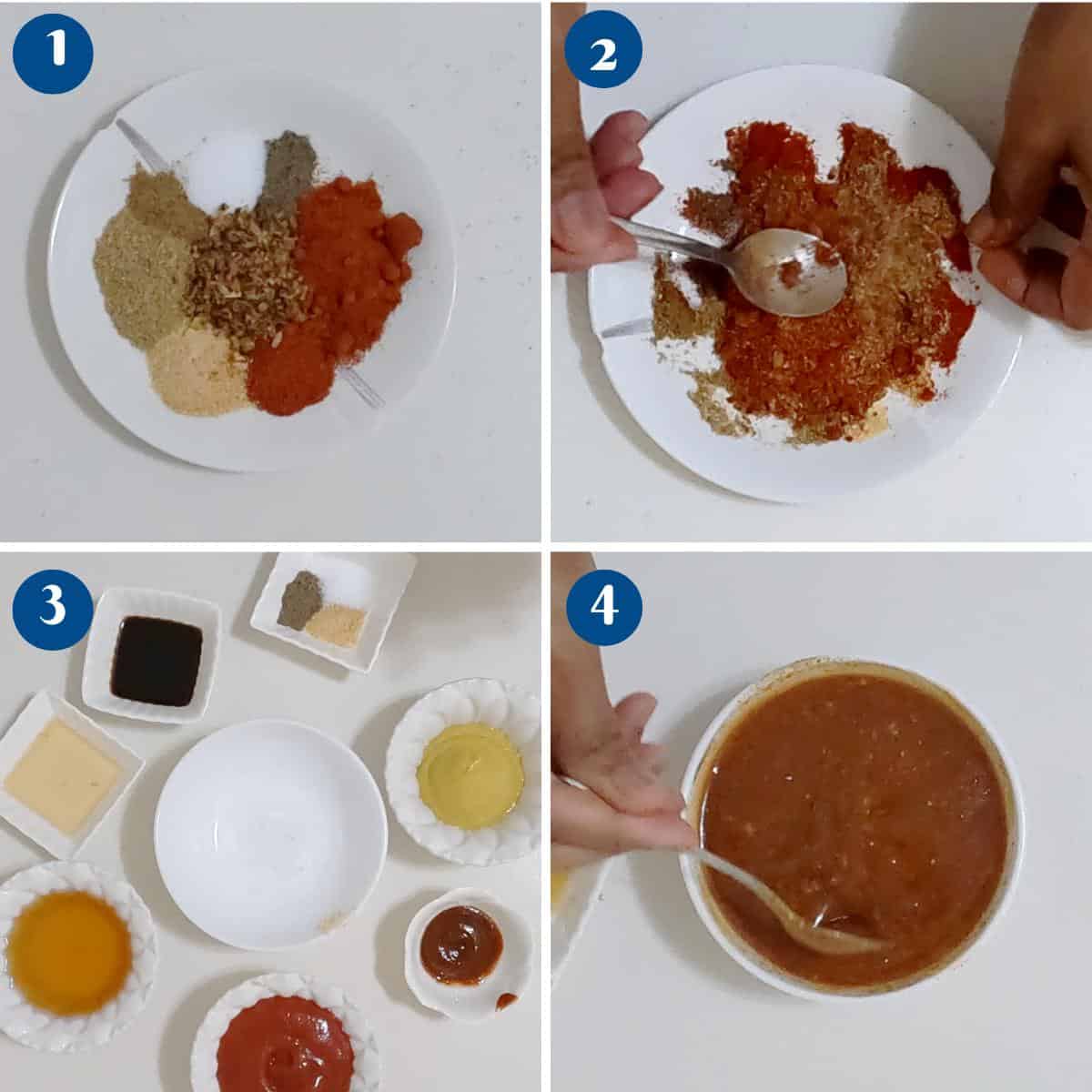
- Dry rub – In a small bowl, combine all the dry rub ingredients and set aside.
- BBQ sauce marinade – In another bowl, combine all the marinade ingredients well. Set aside.
- Rub – Place the beef back ribs on the aluminum foil, meat side up. Generously rub the dry rub all over the beef ribs on all sides.
Pro tip – This is a big piece of meat, so make sure to rub the beef generously and on all sides, including the sides.
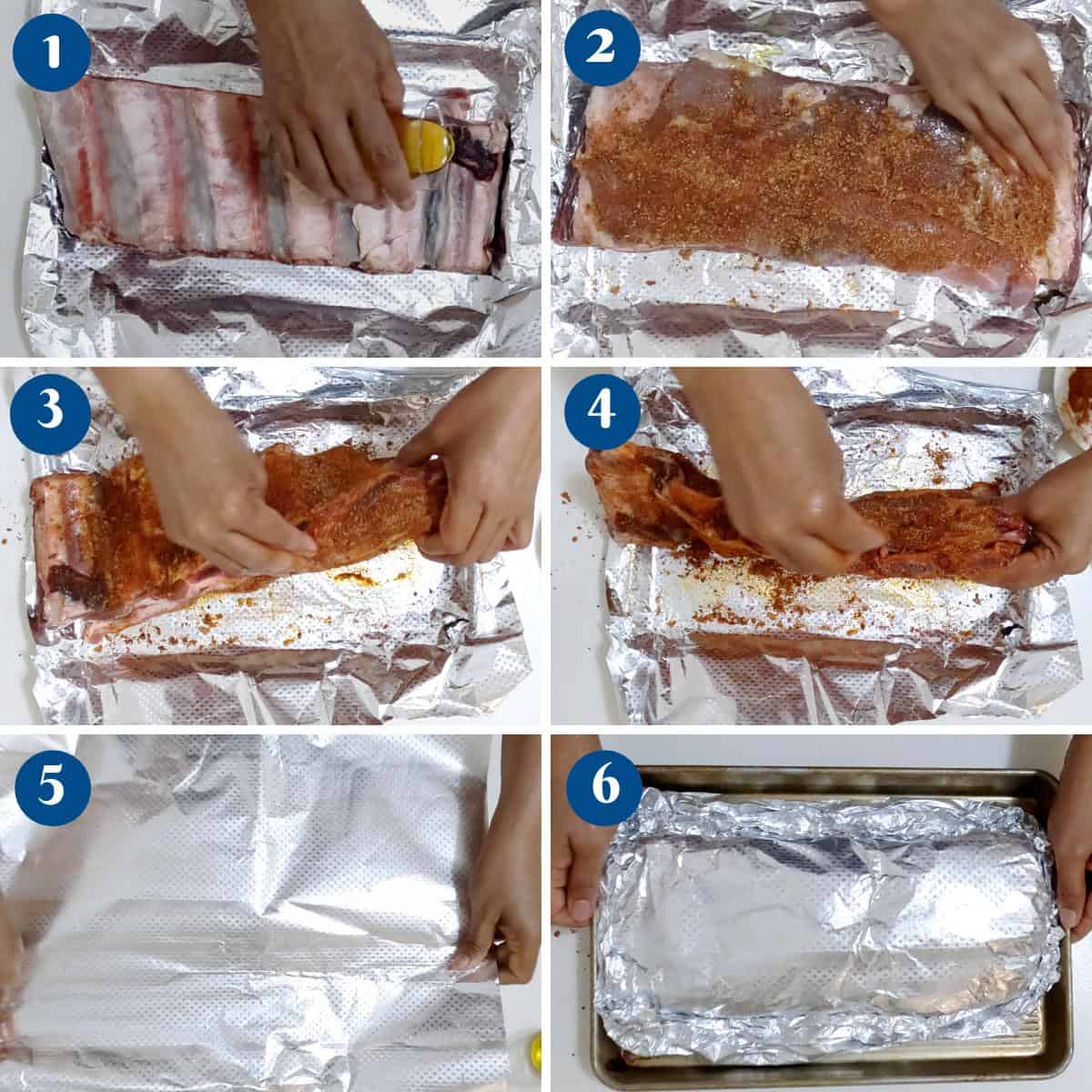
- Oven – Tent a second sheet of aluminum foil over the top of the ribs. Crimp the edges on all sides to create a tight seal.
Pro tip – If you are using smaller portions of ribs, make sure to wrap each one in aluminum foil. - Roast – Bake in the oven on the middle rack. Bake for 3 hours until the meat is tender and almost pulls away from the bone.
Pro tip – Depending on the size of the meat, it may take a little less or more time. Mine took about 3 hr 25 minutes. - Marinade – After 3 hours, open the foil and brush with the BBQ marinade on all sides.
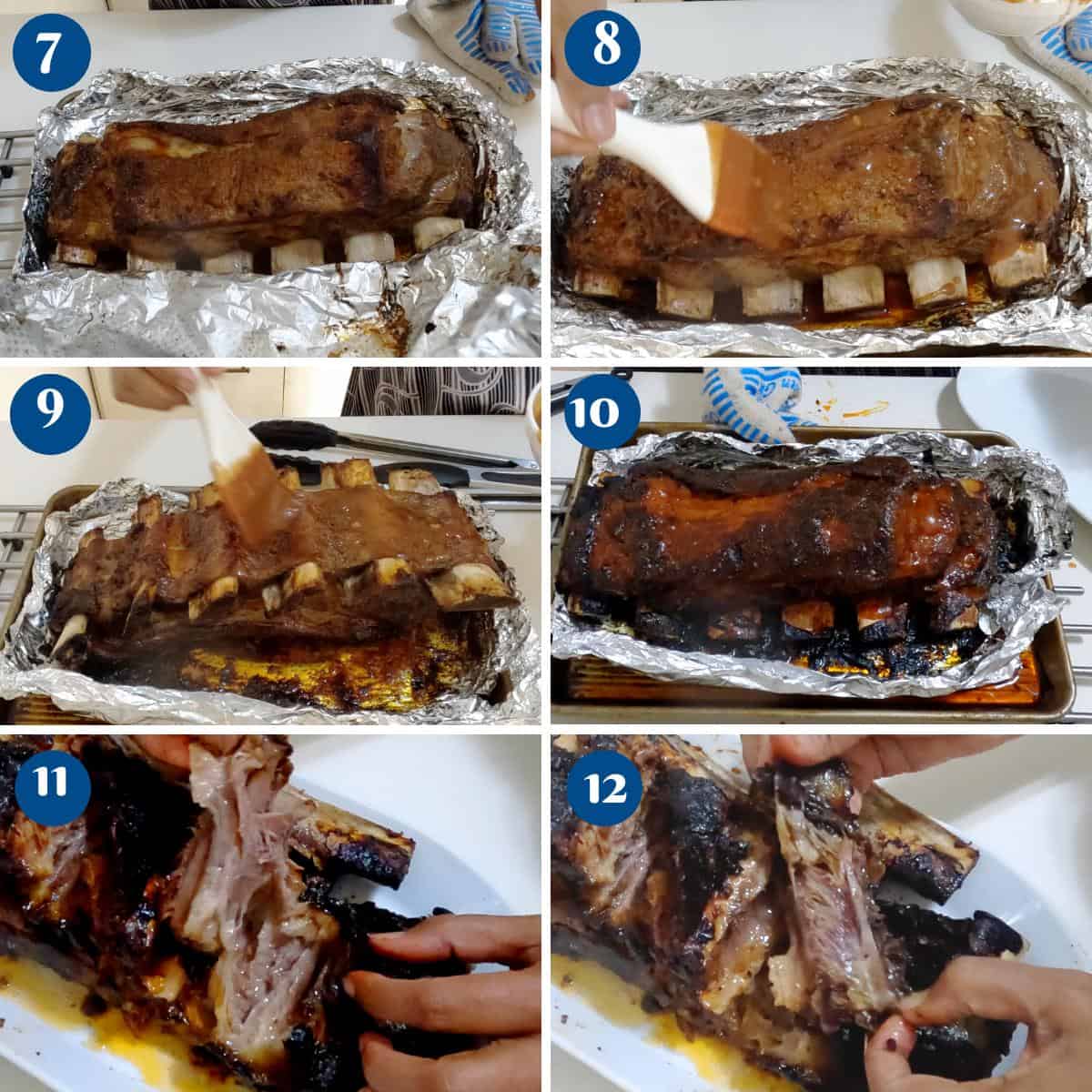
- Roast – Turn the oven heat up to 400°F/200 °C/Gas Mark 6 and continue roasting, uncovered, for 15 minutes. Then, baste with the marinade again and continue roasting for another 15 minutes, until golden.
Pro tip – If necessary, turn the broiler on for the final 5 minutes of roasting. - Rest – When you take it out of the oven, cover it and let it rest for at least 15 minutes before serving.
Troubleshooting
- Your ribs are tough and chewy. This could mean that you haven’t cooked the ribs long enough or at a high enough temperature. Try increasing the cooking time or temperature and check the ribs periodically for tenderness.
- Your ribs are dry. This could mean that you didn’t use enough moisture while cooking, or that you overcooked the ribs. Try using a water pan in your smoker or grill and wrapping the ribs in foil halfway through cooking to lock in moisture. Don’t forget to let the ribs rest for at least 10 minutes after cooking before slicing and serving.
- Your ribs are too spicy. This could mean that you used too much hot paprika. Try using less or substitute some of the hot paprika for sweet smoked paprika.

Frequently asked questions
Of course, these are best served as soon as they are made. But leftovers keep well in the fridge for 4 to 5 days. To reheat the ribs in the oven, wrap them in aluminum foil on a baking tray and roast them for 20 minutes at 375°F (190°C) or Gas mark 5.
To achieve the ultimate fall-off-the-bone beef ribs, preparation is key. Before grilling, you’ll want to remove the tough membrane on the bone side of the ribs, as this can prevent the seasoning from penetrating the meat and cause it to be tough. To do this, use a knife to loosen a corner of the membrane, then grab it with a paper towel and pull it off in one piece.
Next, you’ll want to season your ribs generously with a dry rub. This will not only add flavor but also help to form a crust on the outside of the meat. Be sure to coat both sides of the ribs, and don’t be afraid to get your hands dirty.
Once seasoned, you can let your ribs sit in the refrigerator for a few hours or even overnight to allow the flavors to fully penetrate the meat. When ready to cook, bring your ribs to room temperature before placing them on the grill.
The three main types of ribs are:
Back Ribs: Back ribs, also known as baby back ribs or loin ribs, come from the upper portion of the cow’s ribcage, specifically from the area close to the spine. They are smaller, curved bones with meat surrounding them. Back ribs are typically leaner and more tender compared to other rib cuts. They are great for grilling, smoking, or roasting.
Spare Ribs: Spare ribs are larger and meatier than back ribs. They come from the belly area of the cow and have more bone and fat. Spare ribs have a rich flavor and are well-suited for slow-cooking methods, such as smoking, braising, or barbecuing. They require longer cooking times to become tender and develop their full flavor.
Short Ribs: Short ribs are taken from the lower portion of the cow’s ribcage, closer to the belly. They are larger and meatier than back ribs and have a higher proportion of meat to bone. Short ribs contain more fat and connective tissue, which contributes to their rich, beefy flavor and succulent texture. They are best cooked using low and slow methods, such as braising or slow roasting, to break down the collagen and make them tender.
When it comes to cooking, the choice of rib cut depends on your preferred cooking method and desired flavor. Back ribs are versatile and cook relatively quickly, making them suitable for grilling or roasting. Spare ribs are excellent for slow cooking methods like smoking or barbecuing, while short ribs shine when braised or slow-roasted to achieve their tender and flavorful results.
Beef back ribs come from the cow’s rib cage and tend to be a larger, meatier cut than pork ribs. They have a rich, beefy flavor and are typically more expensive than pork ribs. Because of their size, beef back ribs can take longer to cook and may require a bit more effort to prepare.
On the other hand, pork ribs are smaller and more delicate than beef back ribs. They are often less expensive than beef ribs and can be easier to work with, making them a great option for beginners. Pork ribs also tend to have a lighter, sweeter flavor that pairs well with a variety of marinades and rubs.
When deciding between beef back ribs and pork ribs, consider your personal taste preferences and the occasion for which you are cooking. If you want a richer, heartier flavor, beef back ribs may be the way to go. If you are looking for a more delicate, versatile cut of meat, pork ribs may be the right option for you.
Beef Back Ribs
Ingredients
- 4 lbs (2 kg) Beef back ribs
Dry rub
- 2 tbsp Smoked paprika
- 1 tsp Coriander powder
- 1 tsp Cumin powder
- 1 tsp Garlic powder
- 1 tsp Onion powder
- 1 tbsp Brown sugar
- 1 tsp Kosher salt
- 1 tsp Black pepper powder
Homemade BBQ sauce
- ⅓ cup (80 g) Mustard paste
- ⅓ cup (115 g) Honey
- ⅓ cup (80 ml) Ketchup
- 2 tbsp Apple cider vinegar
- 1 tbsp Sriracha sauce
- 1 tbsp Worcestershire sauce
- ½ tsp Kosher salt
- ½ tsp Black pepper powder
Instructions
- Oven – Preheat the oven to 275°F (140 °C) or Gas Mark 1. Line a baking sheet with aluminum foil and save a spare sheet for the top.
- Dry rub – In a small bowl, combine all the dry rub ingredients and set aside.2 tbsp Smoked paprika, 1 tsp Coriander powder, 1 tsp Cumin powder, 1 tsp Garlic powder, 1 tsp Onion powder, 1 tbsp Brown sugar, 1 tsp Kosher salt, 1 tsp Black pepper powder
- BBQ sauce marinade – In another bowl, combine all the marinade ingredients well. Set aside.⅓ cup Mustard paste, ⅓ cup Honey, ⅓ cup Ketchup , 2 tbsp Apple cider vinegar, 1 tbsp Sriracha sauce , 1 tbsp Worcestershire sauce , ½ tsp Kosher salt, ½ tsp Black pepper powder
- Rub – Place the beef back ribs on the aluminum foil, meat side up. Generously rub the dry rub all over the beef ribs on all sides.4 lbs Beef back ribs
- Oven – Tent a second sheet of aluminum foil over the top of the ribs. Crimp the edges on all sides to create a tight seal.
- Roast – Bake in the oven on the middle rack. Roast for 3 hours, until the meat is tender and almost falls off the bone.
- Marinade – After 3 hours, open the foil and brush with the BBQ marinade on all sides.
- Roast – Turn the oven heat up to 400°F/200 °C/Gas Mark 6 and continue roasting uncovered for 15 minutes. Then, baste with the marinade again and continue roasting for another 15 minutes, until golden.
- Rest – When you take it out of the oven, cover it and let it rest for at least 15 minutes before serving.
Video
Notes
- First, remove the silver skin from the back of the ribs before cooking. This will help the seasonings and smoke flavor penetrate the meat more thoroughly.
- Next, when possible, prepare your ribs with a dry rub at least 4 hours before cooking to allow the flavors to meld and seep into the meat.
- When it’s time to cook, low and slow is the way to go – aim for a temperature of around 275°F (140 °C) and cook for 3-4 hours, or until the meat easily pulls away from the bone. Do not be tempted to turn the oven temperature higher for the first 3 hours of cooking.
- To keep your ribs moist, wrap the ribs in foil for the first 3 hours of cooking, at least, to lock in the moisture.
- Finally, remember to let your ribs rest for at least 10 minutes after cooking before slicing and serving.
- Your ribs are tough and chewy. This could mean that you haven’t cooked the ribs long enough or at a high enough temperature. Try increasing the cooking time or temperature and check the ribs periodically for tenderness.
- Your ribs are dry. This could mean that you didn’t use enough moisture while cooking or that you overcooked the ribs. Try using a water pan in your smoker or grill and wrapping the ribs in foil halfway through cooking to lock in moisture. Don’t forget to let the ribs rest for at least 10 minutes after cooking, before slicing and serving.
- Your ribs are too spicy. This could mean that you used too much hot paprika. Try using less or substitute some of the hot paprika for sweet smoked paprika.
- First, make sure to cut your ribs properly. Cut between each bone and serve them in groups of two or three. This will make it much easier for your guests to handle and enjoy. You can also choose to remove the membrane from the back of the ribs before serving, although this is not necessary.
- Next, consider your sauce options. While the flavor of the ribs is delicious on its own, a good sauce can take it to the next level. Offer a variety of sauces, such as a tangy BBQ sauce, a sweet and spicy sauce, or a classic hot sauce. This will give your guests the option to personalize their dish to their liking.
- Finally, don’t forget about the sides. A classic pairing with beef ribs is coleslaw or potato salad, but you can also offer other sides, such as cornbread, mac and cheese, or roasted vegetables. Whichever sides you choose, make sure they complement the flavor and texture of the ribs.
Made this recipe?
I’d love to see how yours turned out! Share a photo on Instagram and tag @veenaazmanov_kitchen or use #veenaazmanovkitchen. And don’t forget to leave a rating and review!
Don’t lose this recipe! Save it for Later!
📌 Save this Recipe for later on Pinterest so you can easily find it again.
⭐ Add Veena Azmanov Kitchen to your Google Preferred Sources.
It helps Google show you more of our recipes.
📧 Subscribe for new recipes delivered to your inbox.
🎥 Follow us for more recipes
Hi, I’m Veena
I’m the recipe developer, baker, and food photographer behind Veena Azmanov Kitchen.
I’ve spent years developing and testing recipes, from everyday meals and homemade breads to cakes and desserts.
I share the practical tips and little details I’ve learned along the way so you can get great results in your own kitchen.






I made these today only varying the sauce because I misjudged the size of the mustard paste I ordered from Amazon so I improvised with some mustard packs I’d had from Chinese restaurants and some grey poupon. I was afraid it wasn’t going to be sweet enough so dumped some black strap molasses into it. While basting the grey poupon was the overwhelming smell and flavor but they turned out super good and husband also loved them. It’s taken me 59 years to find a good oven roasting rib recipe. My keeper
Thank you so much for the lovely feedback, Laila.
What is mustard paste please?
Dijon mustard – you can buy mustard ground to a paste.
Easy to follow. Great tips.
There is nothing like a fall off the bone slow cooker, well seasoned, and saucy Rib. Great choice of cut, and lots of great ? information on the different cuts of beef ribs, and how to cook and prepare them properly. Thanks for sharing!
Slow cooking with the foil really makes a huge difference! These were so tender and juicy! Loved the seasoning too.
I’ve never cooked ribs this way before and I confess they did sometimes come out a bit tough! So decided to cook them low and slow yesterday and wow seriously finger licking good! Great recipe!
Thank you, Jacqueline
Oh my, this beef back ribs recipe looks incredibly delicious! It was cooked to perfection! The texture and juiciness of the meat make this so enticing and tempting! Loving this already!
Thank you, Jamie
Your recipe for beef ribs looks amazing! I’ll definitely be making these for my next BBQ.
I love that these ribs could be made in the oven. In the summer we often use the grill or the smoker, but do enjoy ribs year round so this worked out perfectly before the grilling season starts. We will definitely make these again!