



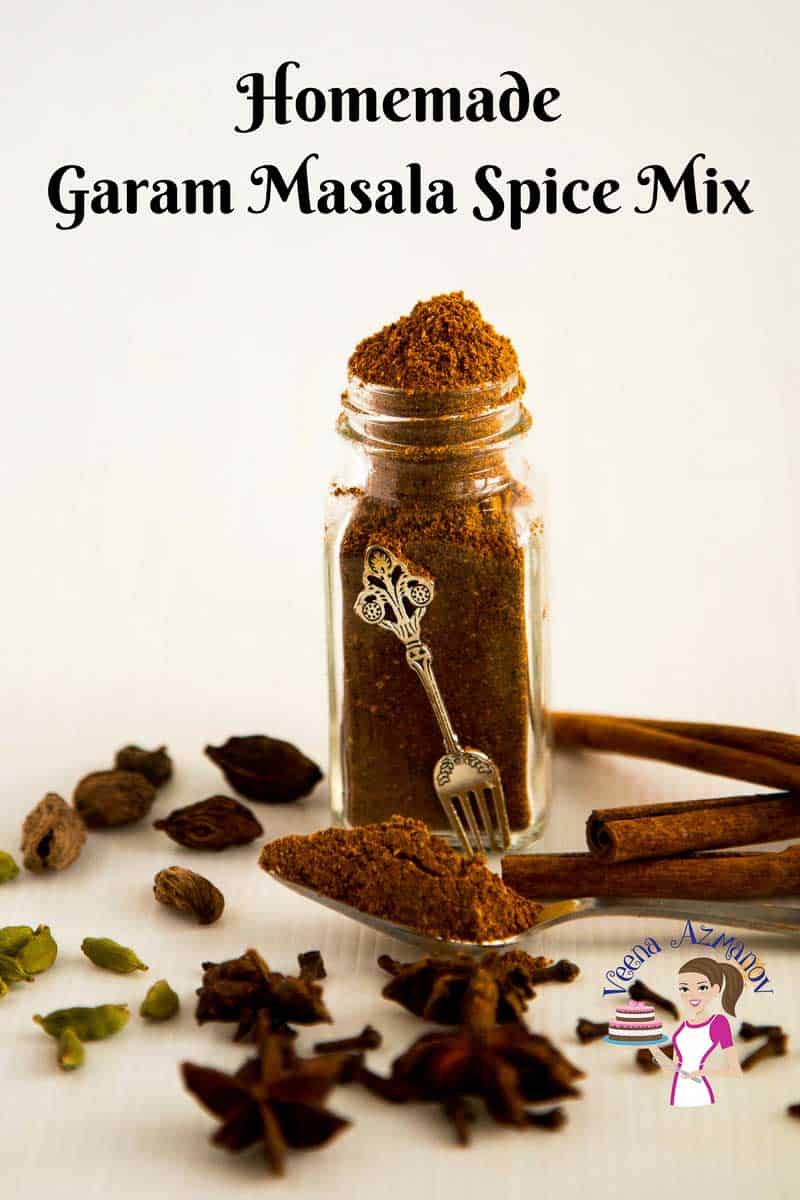
Homemade garam masala is one of those essentials that completely changes how Indian food tastes. When whole spices are lightly toasted and ground fresh, the aroma is warmer, deeper, and far more fragrant than anything from a jar. This is a traditional garam masala recipe made with whole spices, plus a quick ground-spice option for convenience. Once you make it at home, store-bought garam masala simply won’t compare.
What is garam masala?
Garam masala is a traditional Indian spice blend made from aromatic “warming” spices. The word garam means warm, and masala means spice mix.
Unlike chili-heavy spice blends, garam masala is not meant to be hot — it is fragrant, slightly sweet, and deeply aromatic. It is commonly added toward the end of cooking or sprinkled over finished dishes to preserve its aroma.
I grew up with Indian cooking where garam masala was never a fixed recipe — it was a household signature. Every family used slightly different proportions, depending on region, preference, and even the season. In our kitchen, spices were toasted gently, ground in batches, and stored for everyday cooking rather than made in tiny amounts. This recipe reflects that approach: balanced, aromatic, and practical for real Indian home cooking.
What are the spices used in garam masala?
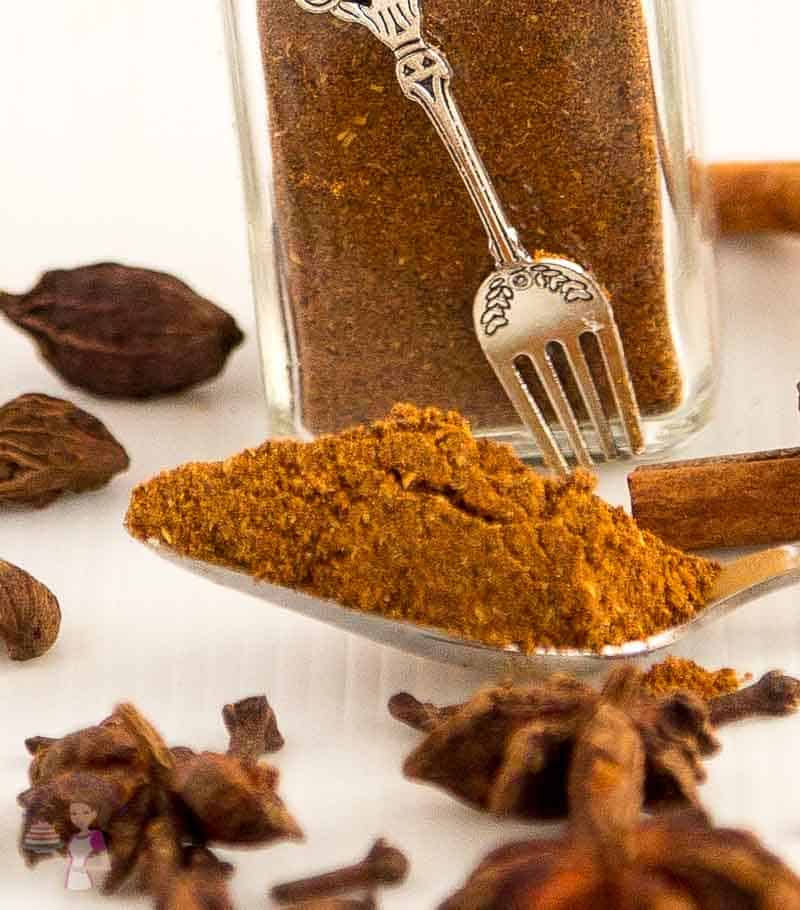
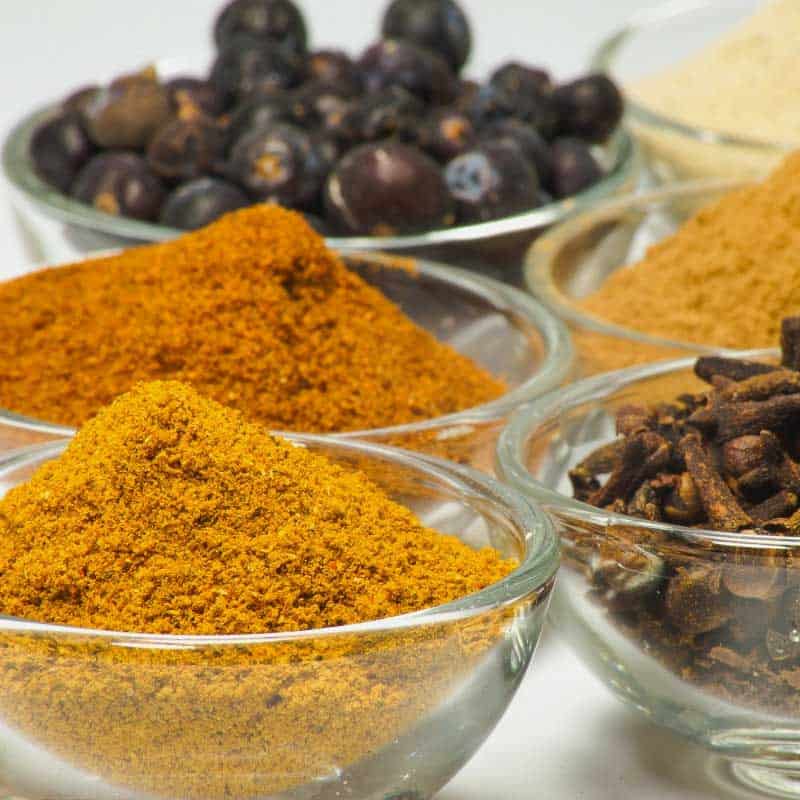
Garam masala is made from a blend of aromatic, warming spices, and the exact combination varies by region and family. Most traditional versions include coriander, cumin, cardamom, cinnamon, cloves, black pepper, and nutmeg or mace, with optional additions such as fennel seeds, bay leaf, or star anise. Below are the spices used in this recipe, along with substitution notes where appropriate.
Garam masala vs curry powder
Garam masala and curry powder are often confused, but they are very different spice blends.
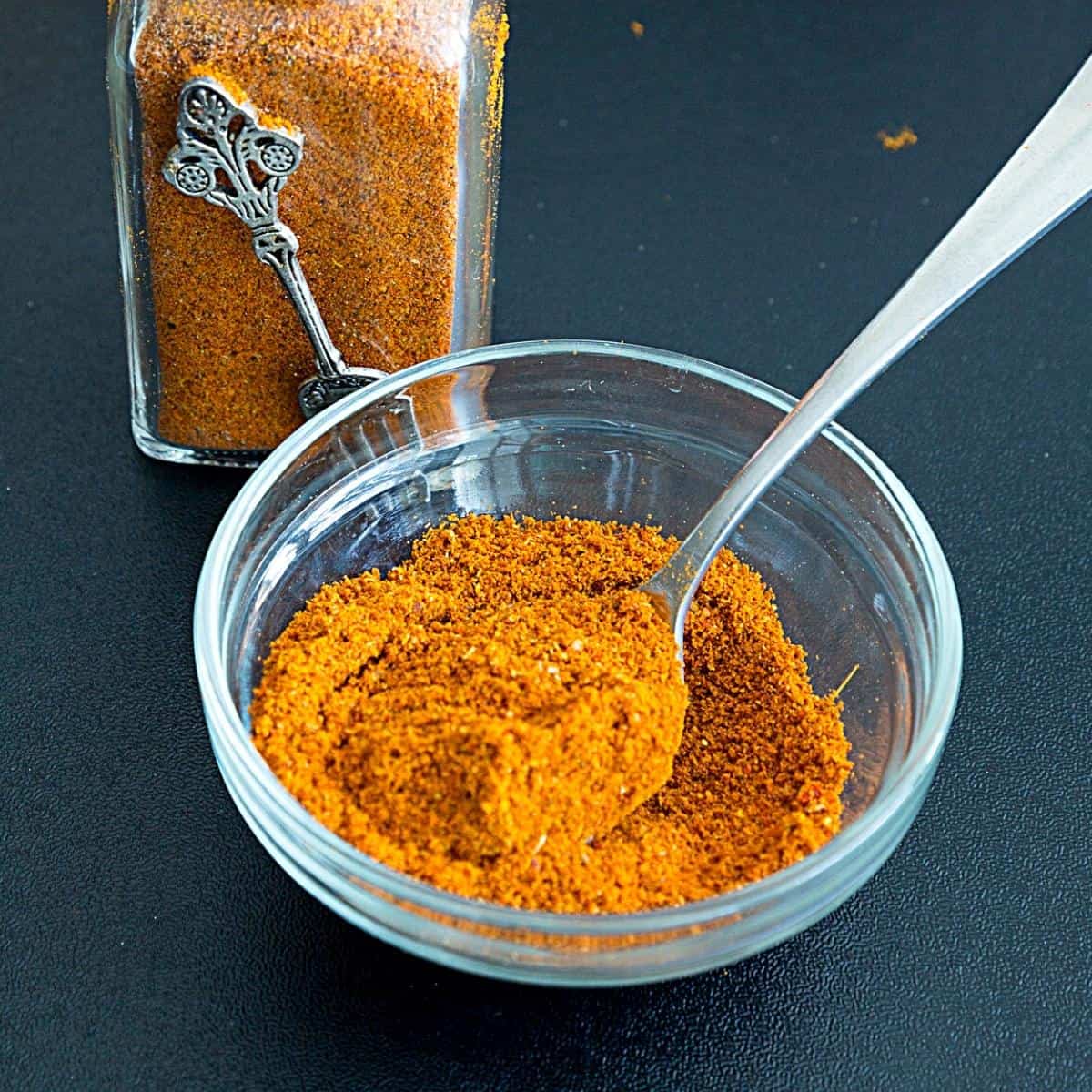
Curry powder usually contains turmeric, which gives it a bright yellow color, and is often added early in cooking. Garam masala does not contain turmeric and is darker in color, more aromatic, and slightly sweet due to spices like cinnamon, cardamom, and cloves. Garam masala is typically added near the end of cooking to enhance aroma rather than heat.
Why you’ll love this recipe
- Made using a traditional whole-spice method for maximum flavor
- Balanced and aromatic, not overpowering or clove-heavy
- Makes a realistic batch size for regular cooking
- Includes a quick ground-spice option when you’re short on time
- Works beautifully in curries, lentils, vegetables, rice, and meat dishes
Ingredients and substitutes (bullet-paragraph style)
- Coriander seeds – form the base of the blend and give balance. Ground coriander can be used for the quick version.
- Cumin seeds – add earthy warmth. Ground cumin works in the shortcut method.
- Green cardamom – use the seeds for the cleanest flavor. Ground cardamom can be substituted, but use less.
- Black cardamom – optional but adds depth and a subtle smokiness, especially good for meat dishes.
- Cinnamon sticks – Ceylon cinnamon gives a softer flavor; if using cassia, reduce the amount.
- Cloves – very strong; use sparingly to avoid bitterness.
- Black peppercorns – add gentle heat rather than sharp spice.
- Nutmeg or mace – add warmth and sweetness; always add at the end to preserve aroma.
- Fennel seeds, bay leaf, star anise – optional, but enhance aroma and round out the blend.
Step-by-step: Homemade Garam Masala
Garam Masala from Whole Spices (traditional method)
- Measure and prep the spices – Measure all spices first. If using green cardamom pods, lightly crush them and use the seeds (the pods don’t grind smoothly). Break cinnamon sticks into smaller pieces.
- Toast the spices (wake them up) – Place a dry skillet on medium-low heat. Add coriander and cumin first and toast for about 1 minute, stirring. Add the remaining whole spices (peppercorns, cardamom, cloves, cinnamon, bay leaves, star anise, fennel, black cardamom, mace).
- Toast until fragrant (don’t burn them) – Stir constantly for 3–5 minutes until the spices smell deep, warm, and very aromatic. If you see smoke or the cloves look very dark, the heat is too high — lower it immediately.
- Cool completely – Tip the toasted spices onto a plate and let them cool for 10 minutes. This keeps the mixture dry and helps it grind into a fine powder.
- Grind – Grind in batches using a spice grinder/coffee grinder until fine. If needed, sift and regrind any larger bits (especially cinnamon).
- Add nutmeg at the end – Grate in nutmeg (or add ground nutmeg), then pulse once more just to combine.
- Store – Transfer to a clean, dry airtight jar. Store in a cool, dark cupboard.
Garam Masala from Ground Spices (Quick Method)
- Measure and Mix the spices – Add all ground spices to a bowl. Whisk well until evenly blended (no streaks of cinnamon or clove).
- Optional: bloom for better flavor – For extra fragrance, toast the spice mix in a dry skillet over low heat for 20–30 seconds, stirring constantly, just until aromatic. (Don’t let it darken.)
- Store – Transfer to an airtight jar and store away from heat and light.

Homemade Garam Masala Spice Mix
This traditional homemade garam masala recipe is made with whole spices for deep, aromatic flavor. Learn what spices are used in garam masala and how to make it at home, plus a quick ground-spice option for everyday Indian cooking.
Ingredients
- ⅓ cup Coriander seeds (Dhaniya)
- ¼ cup Cumin seeds (Jeera)
- 2 tbsp Black cardamom (Elichi)
- 3 tbsp Green cardamom (Badi Elichi)
- 2 3-inches Cinnamon sticks (Dalchini)
- 4 med Bay leaf (Javitri)
- 2 tbsp Whole cloves (Laung)
- ½ small Nutmeg (Jaiphal) or 1 ½ tsp fresh grated
- 2 star Star anise (Chakra Phool)
- 2 piece Mace (Javitri) strands
- 2 tbsp Fennel seeds (Sauf) (optional – great for meat recipes)
- ⅓ cup Coriander powder
- ¼ cup Ground cumin
- 2 tbsp Black Pepper powder
- 2 tbsp Ground cardamom
- 1½ tbsp Ground cinnamon
- 1 tsp Ground nutmeg
- 2 tsp Ground cloves
- 2 tsp Ground ginger
Method
- Measure and prep the spices – Measure all spices first. If using green cardamom pods, lightly crush them and use the seeds (the pods don’t grind smoothly). Break cinnamon sticks into smaller pieces.2 tbsp Black cardamom (Elichi) , 3 tbsp Green cardamom (Badi Elichi) , 2 3-inches Cinnamon sticks (Dalchini)
- Toast the spices (wake them up) – Place a dry skillet on medium-low heat. Add coriander and cumin first and toast for about 1 minute, stirring. Add the remaining whole spices (peppercorns, cardamom, cloves, cinnamon, bay leaves, star anise, fennel, black cardamom, mace).⅓ cup Coriander seeds (Dhaniya) , ¼ cup Cumin seeds (Jeera) , 4 med Bay leaf (Javitri), 2 tbsp Whole cloves (Laung) , ½ small Nutmeg (Jaiphal), 2 star Star anise (Chakra Phool), 2 piece Mace (Javitri), 2 tbsp Fennel seeds (Sauf)
- Toast until fragrant (don’t burn them) – Stir constantly for 3–5 minutes until the spices smell deep, warm, and very aromatic. If you see smoke or the cloves look very dark, the heat is too high — lower it immediately.
- Cool completely – Tip the toasted spices onto a plate and let them cool for 10 minutes. This keeps the mixture dry and helps it grind into a fine powder.
- Grind – Grind in batches using a spice grinder/coffee grinder until fine. If needed, sift and regrind any larger bits (especially cinnamon).
- Add nutmeg at the end – Grate in nutmeg (or add ground nutmeg), then pulse once more just to combine.
- Store – Transfer to a clean, dry airtight jar. Store in a cool, dark cupboard.
- Measure and Mix the spices – Add all ground spices to a bowl. Whisk well until evenly blended (no streaks of cinnamon or clove).⅓ cup Coriander powder, ¼ cup Ground cumin, 2 tbsp Black Pepper powder, 2 tbsp Ground cardamom, 1½ tbsp Ground cinnamon , 1 tsp Ground nutmeg, 2 tsp Ground cloves, 2 tsp Ground ginger
- Optional: bloom for better flavor – For extra fragrance, toast the spice mix in a dry skillet over low heat for 20–30 seconds, stirring constantly, just until aromatic. (Don’t let it darken.)
- Store – Transfer to an airtight jar and store away from heat and light.
Notes
-
Whole spices give the best flavor.
Toasting and grinding whole spices creates a warmer, more aromatic garam masala than using pre-ground spices. If you have the time, this is the preferred method. -
Ground-spice version is a shortcut.
The ground-spice method is convenient and works well when you’re short on time, but the flavor will be slightly milder and less complex. -
Use low to medium-low heat when toasting.
Spices burn quickly, especially cloves and peppercorns. If they burn, the garam masala will taste bitter. -
Cool spices completely before grinding.
Grinding warm spices can cause clumping and dull the flavor. -
Nutmeg is added last for a reason.
Nutmeg loses aroma quickly when heated, so it’s best grated and mixed in after grinding. -
Ceylon vs cassia cinnamon.
Ceylon cinnamon gives a softer, sweeter flavor. If using cassia, reduce the amount by about half as it is much stronger. -
Black cardamom is optional but traditional.
It adds a subtle smoky depth, especially good for meat and lentil dishes. Use sparingly. -
Storage matters.
Store garam masala in an airtight jar, away from heat and light.
Best flavor within 2–3 months, usable up to 6 months. -
How to use garam masala.
Garam masala is usually added toward the end of cooking or sprinkled on finished dishes to preserve its aroma.
Equipment you will need


Nutrition
Tried this recipe?
Mention @veenaazmanov_kitchen or tag #veenaazmanovkitchen!Tips for success
- Toast gently, not aggressively. Medium-low heat = aroma; high heat = bitter, burnt sadness.
- Cool before grinding so the oils don’t clump and you get a fluffy powder.
- Grind in short pulses to keep the spice mix from overheating.
- Label the jar with the date. Garam masala doesn’t “go bad” fast, but it absolutely goes blah fast.
- Add it at the right time. Stir garam masala in near the end of cooking or sprinkle it on finished dishes for the best fragrance.
- Slow cooker Indian chicken curry,
- Beef mince curry,
- Slow-cooked lamb masala,
- Slow-cooked Indian beef curry,
- Indian chicken curry in 15 minutes,
- Kidney beans curry.
- You can find all my Indian recipes here

Frequently asked questions
Garam masala should be stored for 3 to 6 months in an airtight container in a cool, dark place to maintain its flavor and potency. Avoid storing it near heat sources or in direct sunlight.
Usually no — it’s warming and aromatic, not hot. You control heat by adding chili/cayenne.
Best flavor in 2–3 months. Still usable up to 6 months, but the aroma fades.
Add to curries, lentils, chickpeas, soups, roasted vegetables, yogurt marinades, and even rice. Start with ¼ to ½ teaspoon and adjust.
Chili powder is just one spice but garam masala is a blend of many spices, so you won’t get the same flavor and taste to your curry with just chili powder.
It helps. A small coffee grinder works great. A mortar and pestle works too, but it’s more rustic (and more of an arm workout).
While curry powder and garam masala both contain spices, they are not the same and have different flavor profiles. Curry powder is a blend of spices that includes turmeric, cumin, coriander, and others, while garam masala is a blend of different spices without turmeric. Substituting curry powder for garam masala may alter the flavor of your dish significantly.
Yes, for a quick curry with 500 grams chicken in addition to curry powder use these as a substitute for G masala
1/4 tsp cardamom powder,
1/8 tsp ground cloves,
1/4 cinnamon powder
1/8 tsp bay leaf crushed
Garam masala is a versatile spice blend that can be used in a wide variety of dishes, including curries, stews, soups, rice dishes, and marinades. It adds depth and complexity to Indian and South Asian cuisine.
Garam masala is typically gluten-free, but it’s always a good idea to check the label or ingredients list to be sure, especially if you have gluten sensitivities or allergies.
Both curry powder and garam masala are Indian spice blends and both have very different spices in them. So, one cannot be used in place of the other. Garam masala is a combination of warm spices similar to your gingerbread or pumpkin spice mix.
You can make a curry without garam masala spice but not without curry powder.
Next time you make a Christmas cake use a dash of garam masala instead of the Christmas spice mix. Or try it in your next batch of fudge, molasses cookies, gingerbread cookies, and even fruit cakes.
- Slow Cooker Lamb Curry Recipe
- Spice Up Your Cooking: How to Make Chicken Curry
- The Secrets to Tender and Juicy Goat Curry Recipe
- Aromatic Indian Curry Powder Spice Mix Made from Scratch
- Mushroom Masala

Don’t lose this recipe! Save it for Later!
📌 Save this Recipe for later on Pinterest so you can easily find it again.
⭐ Add Veena Azmanov Kitchen to your Google Preferred Sources.
It helps Google show you more of our recipes.
📧 Subscribe for new recipes delivered to your inbox.
🎥 Follow us for more recipes

Hi, I’m Veena
I’m the recipe developer, baker, and food photographer behind Veena Azmanov Kitchen.
I’ve spent years developing and testing recipes, from everyday meals and homemade breads to cakes and desserts.
I share the practical tips and little details I’ve learned along the way so you can get great results in your own kitchen.









Hi Veena, Thank you so much for sharing your mother’s recipe! I just had one question – the pepper powder (the last ingredient on the list), is that chilli pepper or something like ground black pepper? I’m really looking forward to making a levelled up curry with this.
Yes, Its black pepper powder.
awesome, I like to grind my own.
Thanks Karen.
I don’t find garam masala here so I always omit it from my recipes. I didn’t know it was so easy to make at home. I made some last week using your recipe and wow..what a difference it can make. I will never buy store bought again. Love the smell!!
Thank you so much Patty . Happy to hear you enjoyed this recipe. Thank you for coming back to write this feedback. Always happy to her from those who has tried my recipes or tutorials. If you share it on Instagram please do tag me @veenaazmanov so I can see your finished work. Thanks
What a great idea making garam masala at home! I always use the store bought spice, but definitely have to try this recipe as well!
Thanks Natalie. I always make mine at home
Oh this is such a useful post, thank you! We get through quite a lot of garam masala, but I’ve always bought it ready blended.
Thank you Jane. Yes, when you buy it’s quite a big quantity. Personally I love to make small batches and keep the spices fresh.
I just pinned your recipe and will be making a batch soon ! Never thought of making my own garam masala until now – thanks for sharing !
Thank you Linda. I hope you try it.
We use this in so many different dishes, so we always have a big jar of it in the kitchen. It never lasts long as we love it so much.
Thanks Dannii. Happy to hear you use a lot. As long as it does not sit on the shelf for more than a year it’s great.
I love garam masala spice mix and use it with tea and milk to drink. I buy mine from the shops, and now I wonder which part of India does my mix come from 🙂
Thanks Diana. It does not matter which part it comes from – what’s important is what is inside the garam masala.
Hi Veena,
Awesome work…love to go through your site, beautifully done.Most of all its really nice that you are sharing your passion… Thank you for this recipe
Regards
Neetha Pereira
Sorry for the delayed reply Neetha. Thanks for the comment. Makes me happy to see that you like my work find my blog useful.
Thanks
Veena
Superb..It’s always amazing how beautifully you explain your recipes. I love your blog because there is always so much to learn.
Thanks so much Shalu – Happy to hear that my blog is useful and educational to you.