


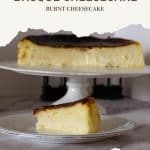
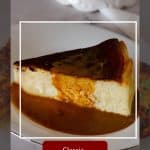
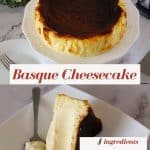
This Basque Cheesecake recipe is celebrated for its delicious simplicity, featuring a rich, creamy interior encased by a uniquely caramelized top. Its effortless, crustless preparation and forgiving nature make it a favorite among both amateur and seasoned bakers. Whether served plain or dressed up with fruit or sauces, this cheesecake delivers a luxuriously indulgent experience that transcends traditional dessert boundaries.
If there’s one dessert that proves perfection isn’t always about looking perfect, it’s Basque Cheesecake. With its deep golden-brown top, rustic edges, and creamy, custard-like center, this cheesecake is meant to be burnt, cracked, and beautifully undone—and that’s exactly why I love it.
The first time I made it, I was so used to baking classic, smooth cheesecakes that I kept checking the oven, wondering if I was doing something wrong. But when I took it out and let it cool, that deep caramelized top and creamy texture made me realize—this was something special.
What I love about this cheesecake is that it’s effortless yet so elegant. No crust, no water bath, no stressing over cracks—it bakes up beautifully every time. And when I take it to gatherings, someone always asks, “Wait, did you mean to burn it?” And I just smile and say, “Absolutely.”
Why is this the best recipe?
- Simplicity of Ingredients: The recipe uses common ingredients found in most kitchens, such as cream cheese, eggs, and sugar, without needing any hard-to-find or specialty items. This makes it accessible and easy to prepare.
- No Water Bath Needed: Unlike traditional cheesecakes, this Basque Cheesecake does not require a water bath during baking. This simplifies the baking process and reduces the risk of the cheesecake cracking or becoming soggy.
- Forgiving Nature: The rustic and burnt exterior is not only a signature look but also means that any blemishes or cracks will contribute to its authentic appearance. This makes it ideal for those who may be less experienced with baking cheesecakes.
- Rich and Creamy Texture: The combination of cream cheese, sour cream, and heavy cream creates a luxuriously smooth and creamy texture that’s hard to beat. The sour cream adds a slight tang that balances the sweetness beautifully.
- Versatile Flavor Profile: The subtle addition of lemon juice and vanilla enhances the flavor without overpowering it. This allows the natural taste of the cream cheese to shine through while providing a hint of complexity.

Ingredients and substitutes
- Cream Cheese: Forms the base of the cheesecake, providing its primary structure and creamy texture. You can use Neufchatel cheese as a lower-fat alternative, though it may result in a slightly less creamy texture.
- Sour Cream: Adds richness and a slight tang, enhancing the flavor profile and contributing to the creamy texture. Full-fat Greek yogurt can replace sour cream in equal amounts, offering a similar tang and creaminess.
- Sugar: Sweetens the cheesecake and helps in caramelizing the top when baked at high temperatures. Granulated white sugar is standard, but you can use an equal amount of light brown sugar for a deeper flavor.
- Heavy Cream: Increases the richness and creaminess of the cheesecake, making the texture smoother. For a lighter version, you can also use half-and-half, though the cheesecake might be less rich.
- Eggs: Act as a binding agent, helping to set the cheesecake as it bakes. They also contribute to its rich texture. There are a few substitutes for eggs in cheesecake recipes, as they are crucial for the texture.
- Vanilla Extract: Enhances the flavor of the cheesecake, adding depth and warmth. You can also use vanilla bean paste or a small amount of almond extract. Alternatively, bourbon or rum can add a unique flavor twist.
- All-Purpose Flour: Gives a slight structure to the cheesecake, helping to stabilize it. You can use a gluten-free all-purpose flour blend for those avoiding gluten. Cornstarch or fine almond flour might also work, but experiment with smaller quantities to avoid altering the texture too much.
- Lemon Juice: Adds a bright note to balance the richness of the creams and cheese, enhancing the overall flavor profile. You can use lime juice for a similar acidic balance. A small amount of white vinegar could also work in a pinch.

Step-by-step: Basque Cheesecake
- Oven and Pan: Preheat your oven to 200°C /400°F/ Gas Mark 6. Line a 9-inch springform pan with two pieces of parchment paper, ensuring that the paper comes at least 2 inches above the top of the pan.
Pro tip – The wrinkles in the paper give the cheesecake its characteristic rustic look.

- Cheesecake Batter: In a large mixing bowl, beat the cream cheese, sour cream, and sugar until smooth and creamy. Add the heavy cream and vanilla extract, and continue to mix until well combined. Beat in the eggs one at a time, ensuring each is fully incorporated before adding the next. Stir in the flour and lemon juice, mixing until the flour is incorporated.
Pro tip – Avoid overmixing to prevent the cheesecake from becoming too dense.

- Bake: Pour the batter into the prepared pan. Tap the pan gently on the counter to remove any large air bubbles. Bake in the preheated oven for about 50 to 55 minutes. The cheesecake should be deeply golden brown on top and still very jiggly in the center. Turn off the oven and let the cheesecake sit in the oven for another hour.
- Cool: Remove the cheesecake from the oven and let it cool to room temperature. Then refrigerate it for at least 4 hours, preferably overnight, which makes it easier to cut.
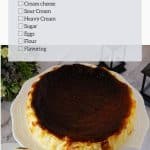
Pro tip – The cheesecake will have a sunken, rustic appearance with a burnt exterior. This is normal and desired for a Basque Cheesecake.

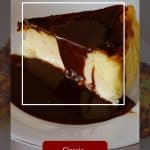
- Serving: Serve chilled. This cheesecake can be served as is. If desired, top the cheesecake with fresh berries or a dusting of powdered sugar. And, you can also serve it with caramel or chocolate sauce on the side.


- Cheesecake Ice Cream: A Light and Creamy Treat
- Blueberry Cheesecake – Baked
- Strawberry Cheesecake – Baked
- The Perfect Baked Cherry Cheesecake Recipe: A Classic with a Twist
- No-Bake Strawberry Cheesecake
Frequently asked questions
Basque Cheesecake is unique due to its crustless design, caramelized (often burnt) exterior, and creamy, almost custard-like interior. It is baked at a high temperature, which results in its distinctive rustic look and rich texture.
Basque Cheesecake should have a jiggly center with a dark, burnt top when baking. It will set further as it cools. Overbaking can result in a firmer texture that lacks the characteristic creamy center.
It is best to let the Basque Cheesecake cool at room temperature after baking and then refrigerate for at least 4 hours, preferably overnight. This allows the cheesecake to fully set and develop its flavors.
While delicious on its own, Basque Cheesecake can be enhanced with various toppings. Popular choices include fresh berries, fruit compotes, honey, or a dusting of powdered sugar. For a richer experience, a drizzle of salted caramel or chocolate sauce works wonderfully.
Yes, Basque Cheesecake freezes well. Wrap it tightly in plastic wrap and then in aluminum foil to protect it from freezer burn. You can store it in the freezer for up to 3 months. Thaw in the refrigerator overnight before serving.
Basque Cheesecake
This Basque Cheesecake recipe is celebrated for its delicious simplicity, featuring a rich, creamy interior encased by a uniquely caramelized top. Its effortless, crustless preparation and forgiving nature make it a favorite among amateur and seasoned bakers. Whether served plain or dressed with fruit or sauces, this cheesecake delivers a luxuriously indulgent experience transcending traditional dessert boundaries.
Video
Ingredients
- 32 oz (900 g) Cream Cheese room temperature
- 1 cup (230 g) Sour Cream
- 1½ cups (300 g) Sugar
- ½ cup (120 ml) Heavy Cream
- 5 large (250 g) Eggs
- 1 tsp Vanilla Extract
- ⅓ cup (45 g) All-Purpose Flour
- 1 tbsp Lemon Juice
Method
- Oven and Pan: Preheat your oven to 200°C /400°F/ Gas Mark 6. Line a 9-inch springform pan with two pieces of parchment paper, ensuring that the paper comes at least 2 inches above the top of the pan. Pro tip – The wrinkles in the paper give the cheesecake its characteristic rustic look.
- Cheesecake Batter: In a large mixing bowl, beat the cream cheese, sour cream, and sugar until smooth and creamy. Add the heavy cream and vanilla extract, and continue to mix until well combined. Add the eggs one at a time, ensuring each is fully incorporated before adding the next. Stir in the flour and lemon juice, mixing until the flour is incorporated. Pro tip – Avoid overmixing to prevent the cheesecake from becoming too dense.32 oz Cream Cheese, 1 cup Sour Cream, 1½ cups Sugar, ½ cup Heavy Cream , 5 large Eggs, 1 tsp Vanilla Extract, ⅓ cup All-Purpose Flour, 1 tbsp Lemon Juice
- Bake: Pour the batter into the prepared pan. Tap the pan gently on the counter to remove any large air bubbles. Bake in the preheated oven for about 50 to 55 minutes. The cheesecake should be deeply golden brown on top and still very jiggly in the center. Turn off the oven and let the cheesecake sit in the oven for another hour.
- Cool: Remove the cheesecake from the oven and let it cool to room temperature. Then refrigerate it for at least 4 hours, preferably overnight, which makes it easier to cut. Pro tip – The cheesecake will have a sunken, rustic appearance with a burnt exterior. This is normal and desired for a Basque Cheesecake.
- Serving: Serve chilled. This cheesecake can be served as is. If desired, top the cheesecake with fresh berries or a dusting of powdered sugar. And, you can also serve it with caramel or chocolate sauce on the side.
Notes
- Room Temperature Ingredients: Ensure that your cream cheese, eggs, and sour cream are at room temperature before mixing. This helps achieve a smoother batter without lumps, which is crucial for the creamy texture of the cheesecake.
- Adequate Beating of Cream Cheese: Beat the cream cheese and sugar together until completely smooth and free of lumps. This is the foundation of your cheesecake’s texture, so take your time with this step.
- Minimize Air Incorporation: When adding eggs, do so one at a time and mix just until incorporated. Over-mixing once eggs are added can introduce too much air, which might cause the cheesecake to rise too much and then fall or crack.
- Do Not Overmix After Adding Flour: Once you add the flour, mix only until it’s just combined. Over-mixing the batter after adding flour can activate the gluten, leading to a denser cheesecake.
- Proper Lining of the Pan: Line your springform pan generously with parchment paper, letting it come up over the sides. The parchment not only prevents sticking but also helps in achieving the rustic, wrinkled appearance typical of Basque Cheesecake.
- High Baking Temperature: Bake at a high temperature (around 200°C or 400°F). This high heat is essential for creating the iconic caramelized exterior while keeping the interior creamy and slightly underdone.
- Don’t Worry About Cracks: Unlike other cheesecakes, cracks and browning (even burning to some extent) are desirable characteristics of Basque Cheesecake. They add flavor and texture, so don’t be concerned if the surface cracks or darkens significantly.
- Cooling and Chilling: Allow the cheesecake to cool gradually in the turned-off oven with the door slightly ajar to prevent sudden temperature changes that can cause sinking or cracking. Once cool, refrigerate for at least 4 hours, ideally overnight, to fully set and develop flavors.
- Serving: Serve the cheesecake chilled or at room temperature, depending on your preference. Its flavor often enhances after a day, making it a great make-ahead dessert.
Nutrition
Tried this recipe?
Mention @veenaazmanov_kitchen or tag #veenaazmanovkitchen!


Don’t lose this recipe! Save it for Later!
📌 Save this Recipe for later on Pinterest so you can easily find it again.
⭐ Add Veena Azmanov Kitchen to your Google Preferred Sources.
It helps Google show you more of our recipes.
📧 Subscribe for new recipes delivered to your inbox.
🎥 Follow us for more recipes


Hi, I’m Veena
I’m the recipe developer, baker, and food photographer behind Veena Azmanov Kitchen.
I’ve spent years developing and testing recipes, from everyday meals and homemade breads to cakes and desserts.
I share the practical tips and little details I’ve learned along the way so you can get great results in your own kitchen.



Wow this cheesecake is so good! I was a little concerned when it said burnt cheesecake but it was so delicious!
This Basque cheesecake was so rich and creamy! Wow!!! Followed your recipe to a T and it was perfection.
I made this basque cheesecake over the weekend and it DID turn out perfectly! Everyone loved it too!
This was everything a gourmet dessert should be and then some! Easy, creamy and decadent; definitely, a new favorite recipe!
Loved this! I don’t ever want to make a regular old cheesecake again.