



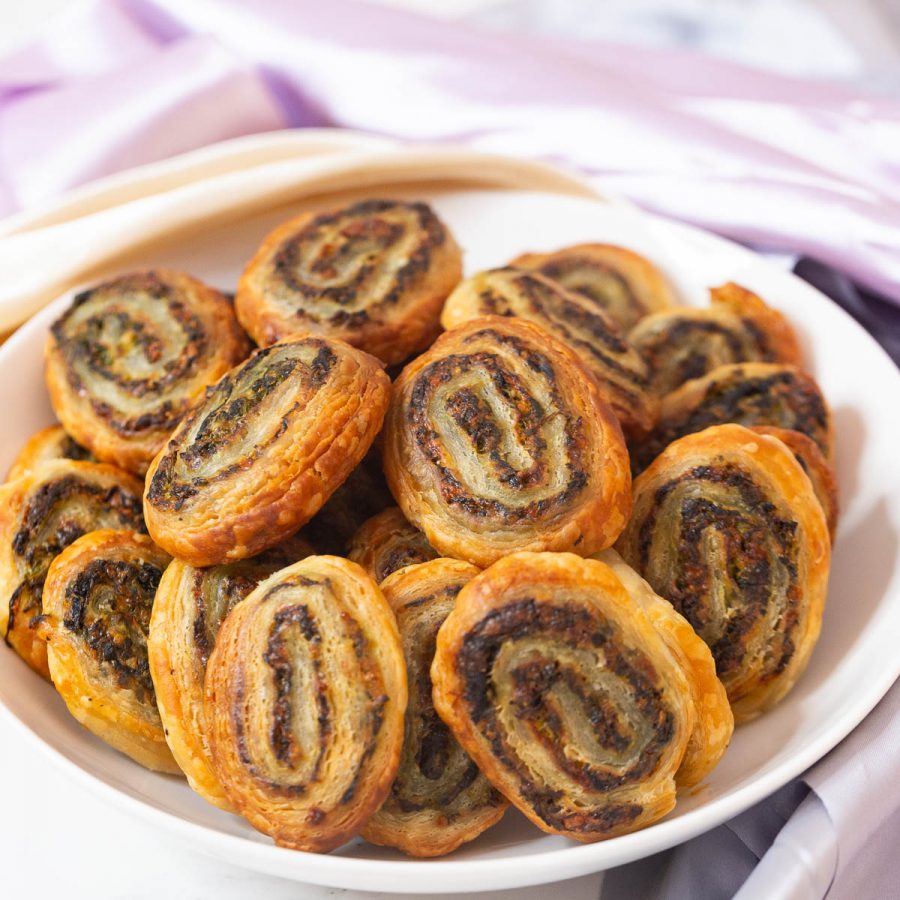
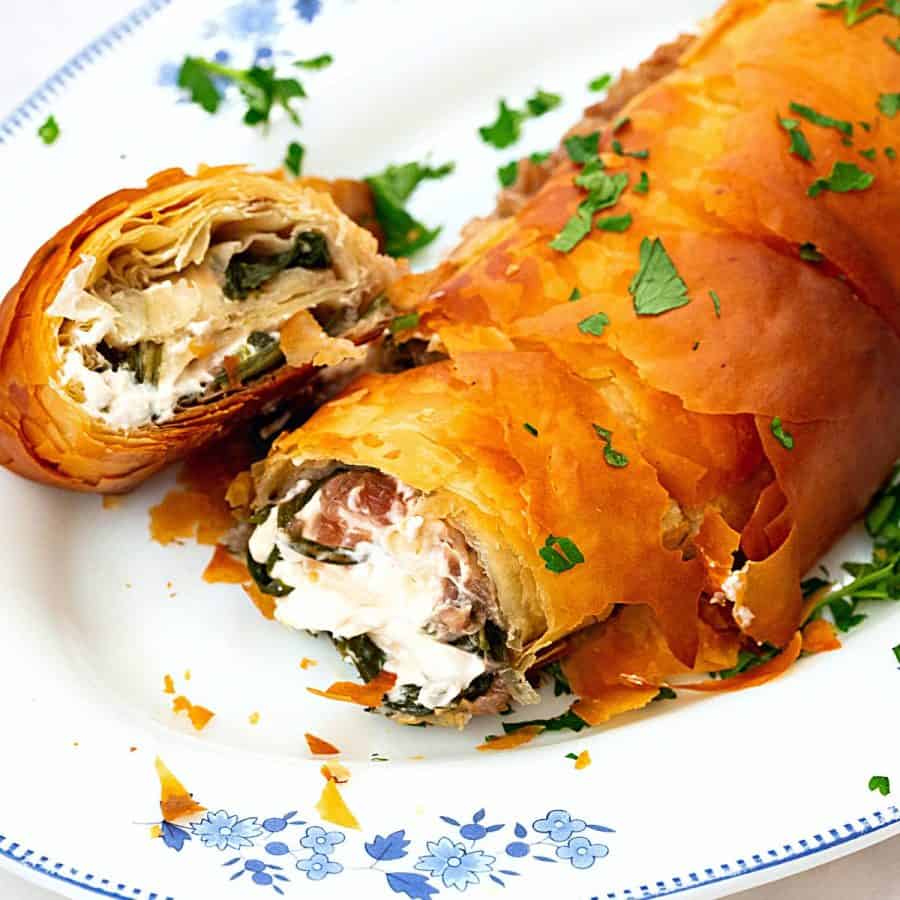
Have you ever marveled at the perfectly flaky layers of the spanakopita spiral? Want to know the secrets behind the creation of irresistibly crispy and golden pastry? Wondering how you could recreate that culinary masterpiece in your kitchen?
I’ve always had a thing for filo pastry—those golden, flaky layers are pure magic to me. So the first time I tried spanakopita, it was love at first bite. It wasn’t even the traditional pie version—it was served as a little appetizer triangle at a party. But that crispy filo paired with the creamy spinach and feta filling? I was completely hooked.
After that, I had to learn how to make it myself. I started with the classic version, of course, but over time, I got adventurous. I began making mini appetizer triangles that quickly became my go-to when I had guests over. And when I was invited somewhere, I’d proudly bring along my spanakopita roll—because nothing says “I care” like buttery, spinach-filled pastry.
Spanakopita is now one of my signature dishes, and honestly, I never get tired of making (or eating) it.
Why is this the best recipe
- It all starts with the pastry. The crispy, golden exterior of the spanakopita spiral is thanks to the delicate layers of phyllo dough that encase the savory filling.
- But it’s not just the pastry that makes this recipe stand out. The filling, a harmonious blend of spinach, feta cheese, and aromatic herbs, embodies Greek flavors.
- One of the reasons why spanakopita has gained global popularity is its ability to cater to various dietary preferences and restrictions. Vegetarians and vegans often appreciate its plant-based ingredients and rich flavors.
- Furthermore, this recipe pays close attention to the assembly process. Layering the phyllo sheets with the spinach and cheese mixture is a delicate art that can make or break the final result.

Ingredients and substitutes
- First and foremost, you’ll need frozen phyllo dough, which you can find in the freezer section of most grocery stores. Although it’s best to use frozen phyllo dough for its delicate texture, you can substitute it with fresh phyllo dough if you can’t find it. Remember that fresh phyllo dough might have a slightly different texture. So, handling it with care is important to prevent tearing.
- Next, you’ll need spinach as the star of the filling. Fresh spinach is preferable, but if it’s unavailable or you prefer a milder flavor, you can use frozen spinach instead. Just make sure to thaw and drain it thoroughly before using it in the recipe to prevent excess moisture in the filling. If you’re feeling adventurous, you can mix different greens, such as kale or Swiss chard, with the spinach to add complexity to the flavor.
- Another essential ingredient in the spanakopita spiral is feta cheese. Its salty and tangy flavor brings a delightful contrast to the creamy spinach filling. While feta is the traditional choice, you can experiment with different types of cheese to suit your taste. Goat cheese, ricotta, or a combination of several cheeses can create unique flavor profiles. However, remember that using a high-moisture cheese may affect the filling’s consistency, so adjust accordingly.
- You’ll need some herbs and spices to add depth and aroma to the filling. Dill is a classic herb used in the traditional spanakopita spiral, providing a fresh and vibrant taste. If you’re not a fan of dill, you can substitute it with parsley or a combination of both.
- Additionally, garlic and onions are essential for building flavor, so include them in the filling. Feel free to adjust the amount of garlic and onions to your preference, considering they should complement rather than overpower the other ingredients.
- Lastly, olive oil is the crown jewel that ties all the flavors together. It’s used generously in this recipe to brush between the layers of phyllo dough, creating that signature flakiness. If you don’t have olive oil on hand or prefer a different option, you can substitute it with melted butter or a neutral cooking oil like canola or vegetable oil.

Step-by-step: Spanakopita spiral recipe
- Preheat your oven to 375°F /190°C / Gas mark 5, and gather all the necessary ingredients for your spanakopita spiral.
Pro tip – Make sure to thaw your frozen spinach beforehand and drain any excess liquid.

- Next, heat a drizzle of olive oil in a large skillet over medium heat. Add the chopped onion and minced garlic, sautéing until they become translucent and fragrant. Then, add the spinach to the skillet and cook until it wilts down, stirring occasionally—season with salt and pepper. Cook on high until all the liquid evaporates from the pan.
- Once the spinach is cooked, transfer it to a large bowl and let it cool for a few minutes. Then, crumble the cheese into the bowl and add the beaten eggs, parsley, herbs, nutmeg, salt, pepper, and pine nuts. Mix everything until well combined and set it aside.

- Now, it’s time to assemble the spanakopita spiral. Take a 9-inch pie pan (or 9×13 baking dish) and brush the bottom with olive oil.
- Place two layers of filo pastry on a work surface. Brush with melted butter. Next, spread about four tablespoons of spinach filling over the top layer of phyllo dough, leaving a 2-inch border on all sides. Roll the pastry over the filling into a long tube. Start from one end until you reach the other end of the pastry. Place the filled roll into the pie pan and roll it into a coil.
Pro tip – You want to have just enough filling so the tube does not look empty, but not too much, or it won’t roll like a coil. Also, don’t roll it too tightly, as it will cause the pastry to break. - Continue the process with the remaining pastry and spinach filling. Working from the first coil in the pan in the center towards the outside until the pan is full. Once you’ve finished layering, tuck in any excess phyllo dough around the edges of the baking dish to create a neat appearance.

- Finally, brush the top layer with generous olive oil to ensure a beautifully golden and crispy crust.
- Bake the spanakopita spiral in the oven for about 25-30 minutes until it turns golden brown, and the filling is set. Once done, remove it from the oven and let it cool for a few minutes before cutting it into squares or triangles.


- Spanakopita Rolls
- Raisin Danish Pastry – Pain Au Raisin
- Spinach Goat Cheese Phyllo Rolls
- Phyllo Mushroom Pie
- Spinach Potato Patties


Frequently asked questions
Phyllo dough can dry out quickly, making it challenging to work with. To prevent this, keep the unused sheets covered with a slightly damp kitchen towel while you work. This will help to maintain the moisture and flexibility of the dough, allowing you to create those perfectly flaky layers.
Absolutely! You can make a Spanakopita spiral ahead of time and reheat it when needed. Prepare the recipe as instructed, but instead of baking, cover the assembled spanakopita with plastic wrap and refrigerate. When you’re ready to serve, remove it from the fridge, uncover it, and bake it according to the recipe. This is an excellent option to save time and have a delicious appetizer or main dish ready.
Yes, you can freeze spanakopita for future enjoyment. After assembling and baking the spanakopita spiral, allow it to cool completely. Then, wrap it tightly in plastic wrap and place it in a freezer-safe container or bag. You can store it in the freezer for up to three months. When you’re ready to enjoy it, let it thaw in the refrigerator overnight, and then reheat in the oven until warmed through.
The origin of spanakopita can be traced back to Greece, where it is considered a beloved traditional dish. Spanakopita spiral, also known as Greek spinach pie, is a delightful combination of spinach, feta cheese, onions, herbs, and flaky phyllo pastry. Its roots are in the Mediterranean region, where this rich and flavorful pastry has been enjoyed for generations.
Spanakopita’s popularity extends beyond Greece, becoming a staple in many Mediterranean cuisines.
Spanakopita Spiral
Have you ever marveled at the perfectly flaky layers of the spanakopita spiral? Want to know the secrets behind the creation of irresistibly crispy and golden pastry? Wondering how you could recreate that culinary masterpiece in your kitchen?
Video
Ingredients
- 1 – 1½ lbs (350 g) Spinach
- 1 med Onion chopped
- 2 large Garlic cloves
- ½ tsp Kosher salt
- ½ tsp Black pepper powder
- 1 tbsp Lemon juice
- ½ cup (113 g) Goat cheese cream or feta
- 1½ cup (225 g) Feta cheese
- ½ cup (60 g) Cheddar cheese grated
- 1 large Egg
- 1 cup Parsley
- ½ cup (67.5 g) Pine nuts toasted
- ⅛ tsp pinch of nutmeg
- 16 sheets (304 g) Filo pastry
- ½ cup (120 ml) Olive oil or melted butter
Method
- Preheat your oven to 375°F /190°C/ Gas mark 5 and gather all the necessary ingredients for your spanakopita. Make sure to thaw your frozen spinach beforehand and drain any excess liquid.
- Next, heat a drizzle of olive oil in a large skillet over medium heat. Add the chopped onion and minced garlic, sautéing until they become translucent and fragrant. Then, add the spinach to the skillet and cook until it wilts down, stirring occasionally—season with salt and pepper. Add the lemon juice. Cook on high until all the liquid evaporates from the pan.1 – 1½ lbs Spinach , 1 med Onion , 2 large Garlic cloves, 1 cup Parsley, ½ tsp Kosher salt, ½ tsp Black pepper powder, 1 tbsp Lemon juice
- Once the spinach is cooked, transfer it to a large bowl and let it cool for a few minutes. Then, crumble the cheese into the bowl and add the beaten eggs, parsley, herbs, nutmeg, salt, pepper, and pine nuts. Mix everything until well combined and set it aside.½ cup Goat cheese, 1½ cup Feta cheese, ½ cup Cheddar cheese, 1 large Egg, ½ cup Pine nuts, ⅛ tsp pinch of nutmeg
- Now, it’s time to assemble the spanakopita. Take a 9-inch pie pan (or 9×13 baking dish) and brush the bottom with olive oil.
- Place two layers of filo pastry on a work surface. Brush with melted butter. Next, spread about four tablespoons of spinach filling over the top layer of phyllo dough, leaving a 2-inch border on all sides. Roll the pastry over the filling into a long tube. Start from one end until you reach the other end of the pastry. Place the filled roll into the pie pan and roll it into a coil.16 sheets Filo pastry, ½ cup Olive oil
- Continue the process with the remaining pastry and spinach filling. Working from the first coil in the pan in the center towards the outside until the pan is full. Once you’ve finished layering, tuck in any excess phyllo dough around the edges of the baking dish to create a neat appearance.
- Finally, brush the top layer with generous olive oil to ensure a beautifully golden and crispy crust.
- Bake the spanakopita in the preheated oven for about 25-30 minutes until it turns golden brown and the filling is set. Once done, remove it from the oven and let it cool for a few minutes before cutting it into squares or triangles.
Notes
-
- First and foremost, make sure to handle the phyllo dough with care. Phyllo dough can be delicate and prone to tearing, so it’s important to work gently and slowly. Keep the dough covered with a damp cloth while you’re not using it to prevent it from drying out and becoming brittle.
-
- When brushing the layers of phyllo dough with melted butter or olive oil, be sure to coat each sheet evenly. This will help ensure the layers bake evenly and contribute to that signature flaky texture. Don’t be stingy with the butter or oil; it adds flavor and moisture to the spanakopita.
-
- Another key tip is to thoroughly squeeze out any excess liquid from the spinach before incorporating it into the filling. Excess moisture can make the spanakopita soggy and prevent it from turning out as crispy and flaky as you’d like. Take the time to press the spinach between paper towels or use a cheesecloth to remove as much liquid as possible.
-
- While it may be tempting to overload the spanakopita with filling, resist the urge. Overfilling can lead to a messy and difficult-to-handle final product. Instead, aim for a moderate filling that allows for easy folding and sealing of the phyllo dough. This will help ensure that the spanakopita bakes evenly and holds its shape.
-
- Lastly, pay attention to the baking time and temperature. Every oven is different, so it’s important to keep a close eye on your spanakopita as it bakes. Bake it in a preheated oven as directed, but also rely on visual cues to determine when it’s done. Look for that beautiful golden brown color on the top and sides, and ensure that the filling is set. Remember to let the spanakopita cool slightly before cutting it into squares or triangles to allow the flavors to meld together.
Nutrition
Tried this recipe?
Mention @veenaazmanov_kitchen or tag #veenaazmanovkitchen!


Don’t lose this recipe! Save it for Later!
📌 Save this Recipe for later on Pinterest so you can easily find it again.
⭐ Add Veena Azmanov Kitchen to your Google Preferred Sources.
It helps Google show you more of our recipes.
📧 Subscribe for new recipes delivered to your inbox.
🎥 Follow us for more recipes


Hi, I’m Veena
I’m the recipe developer, baker, and food photographer behind Veena Azmanov Kitchen.
I’ve spent years developing and testing recipes, from everyday meals and homemade breads to cakes and desserts.
I share the practical tips and little details I’ve learned along the way so you can get great results in your own kitchen.



Should you “score” the serving pieces before baking to make cutting easier?
NO I did not do that. This spiral is made with several rolls in a dish so there are enough gaps to let steam out (not sure if that was the question)
As for serving, I baked then cut into wedges. You can make individual portions with this too!!
When do you add the lemon juice and how much nutmeg?
The steps show when to add the lemon juice. A pinch of nutmeg would be about 1/8 tsp. Thanks Greta
An innovative recipe that manages to be easy – a winning combination! The unique blend of flavors is a pleasant surprise, and the helpful instructions guide you every step of the way in making the tart. Five stars for turning my kitchen into a culinary haven!
A great recipe. Nothing beats Greek spanakopita. A favorite in our house, we make one almost once a month.
I love spanakopita, and absolutely love this presentation of it. I’m making it this weekend!