
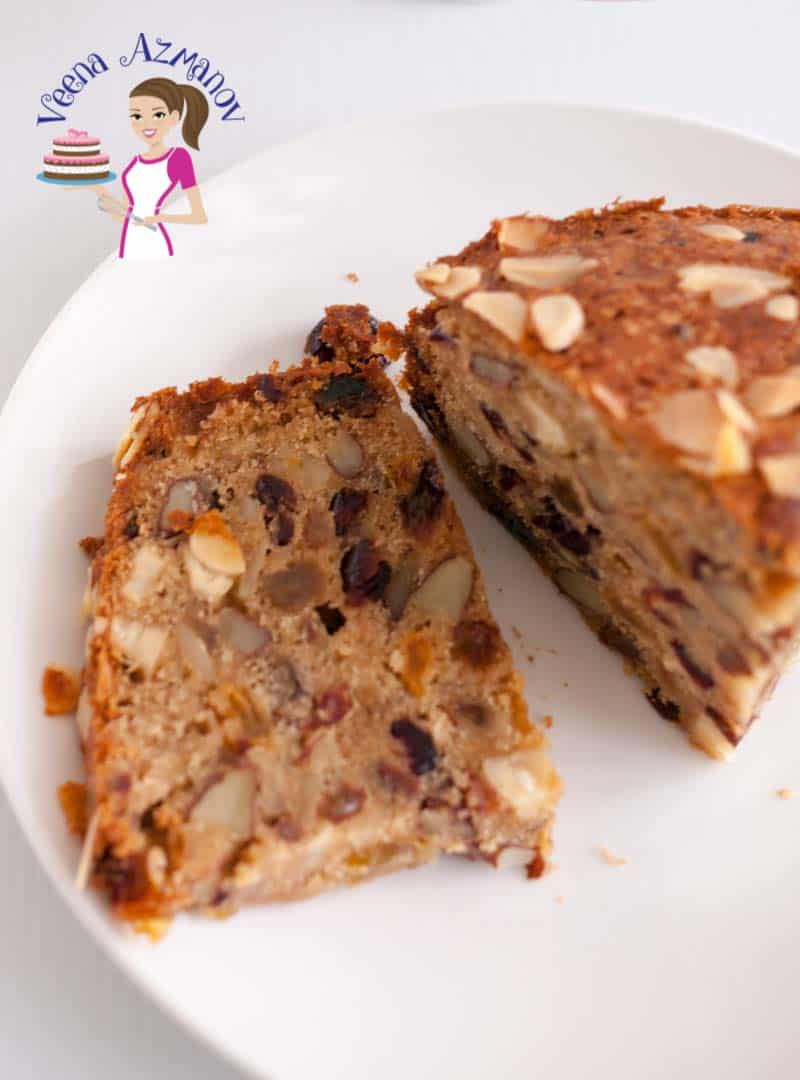

Fruitcake is one of the most misunderstood — yet most beloved — holiday bakes. Whether you prefer a traditional rum-soaked Christmas cake or a quick no-soak version, every fruitcake follows the same foundations: the right fruits, the right spice balance, gentle mixing, slow baking, and proper storage.
This Fruitcake 101 Guide breaks down everything you need to know, from baking and troubleshooting to long-term storage, feeding with alcohol, and decorating with marzipan or icing.
Fruitcake has been part of my life long before I started blogging. My mom ran a home-based cake business, and Christmas season meant trays of fruit soaking in rum as early as July. Her cakes were always beautifully finished — some left rustic with almonds on top, others covered in marzipan, fondant, or fully decorated wedding-style.
When I began taking cake orders myself, I had to keep those traditions alive. But I also had clients who called at the last minute with a sudden craving for a fruitcake — with no time for soaking and maturing. That’s how many of my “instant” fruitcakes were born. Different methods, same goal: rich flavor, good moisture, and a cake that slices beautifully.
What Is a Fruitcake?
Fruitcake is a dense, rich cake made with dried fruits, candied peel, warm spices, and nuts. Depending on the recipe, it may be soaked in alcohol, fed for weeks, or baked and enjoyed the same day. What makes fruitcake unique is:
- High fruit-to-batter ratio
- Warm spice blend (cinnamon, nutmeg, cloves, allspice)
- Long storage potential
- Option to mature for deeper flavor
- Often decorated with marzipan and royal icing for Christmas
Fruitcakes vary globally — British Christmas Cake, Jamaican Black Cake, American fruitcake, Indian rich plum cake — but the technique basics are always the same: low heat, slow baking, and proper storage.
Why Do We Make Fruitcake for Christmas?
Fruitcake is tied to the holidays because:
- Historically expensive ingredients made it a special-occasion dessert.
- The fruit + alcohol combination stores beautifully, making it perfect for gifting.
- Spices like cinnamon and nutmeg are classic holiday flavors.
- It matures over time, so bakers traditionally prepare it weeks or months ahead.
- It’s part of cultural Christmas baking across the UK, Europe, India, and the Caribbean.
Types of Fruitcakes (helpful for search intent)
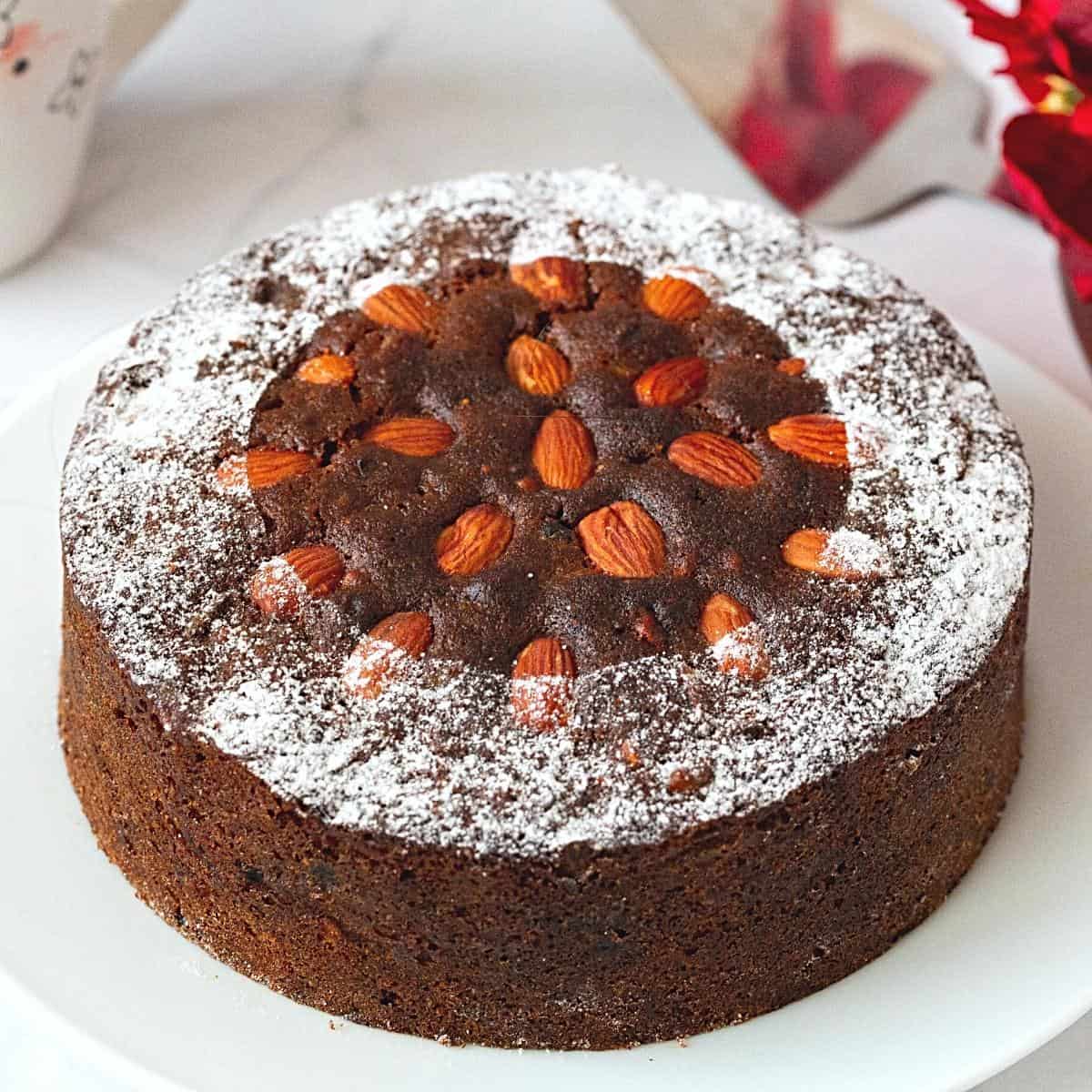
1. Traditional Fruitcake (with soaked fruits)
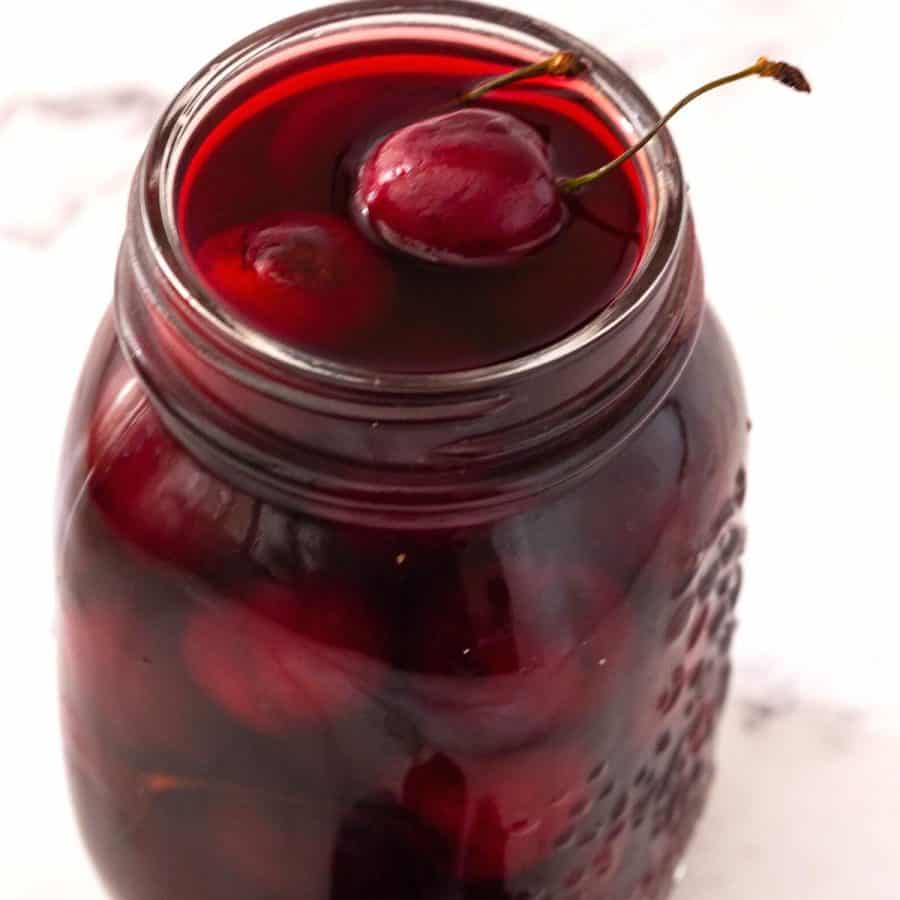
This is the classic rich fruitcake made with dried fruits soaked in rum, brandy, wine, or juice for days, weeks, or even months. The long soak gives the cake a deeper flavor, darker color, and longer shelf life.
Best for: Christmas, long-term storage, gifting, maturing, and feeding.
See recipe: Traditional Rich Fruit Cake (Soaked Fruits)
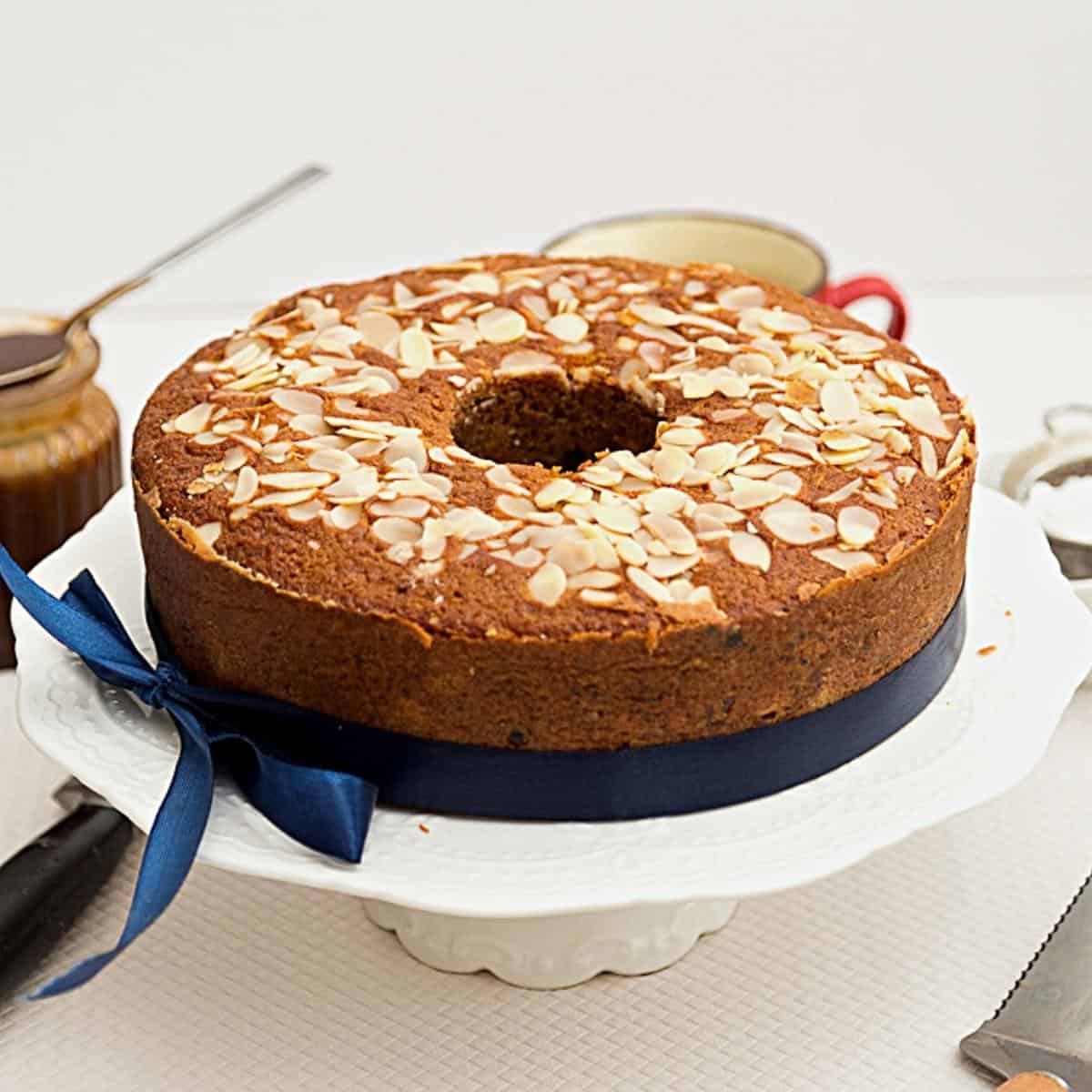
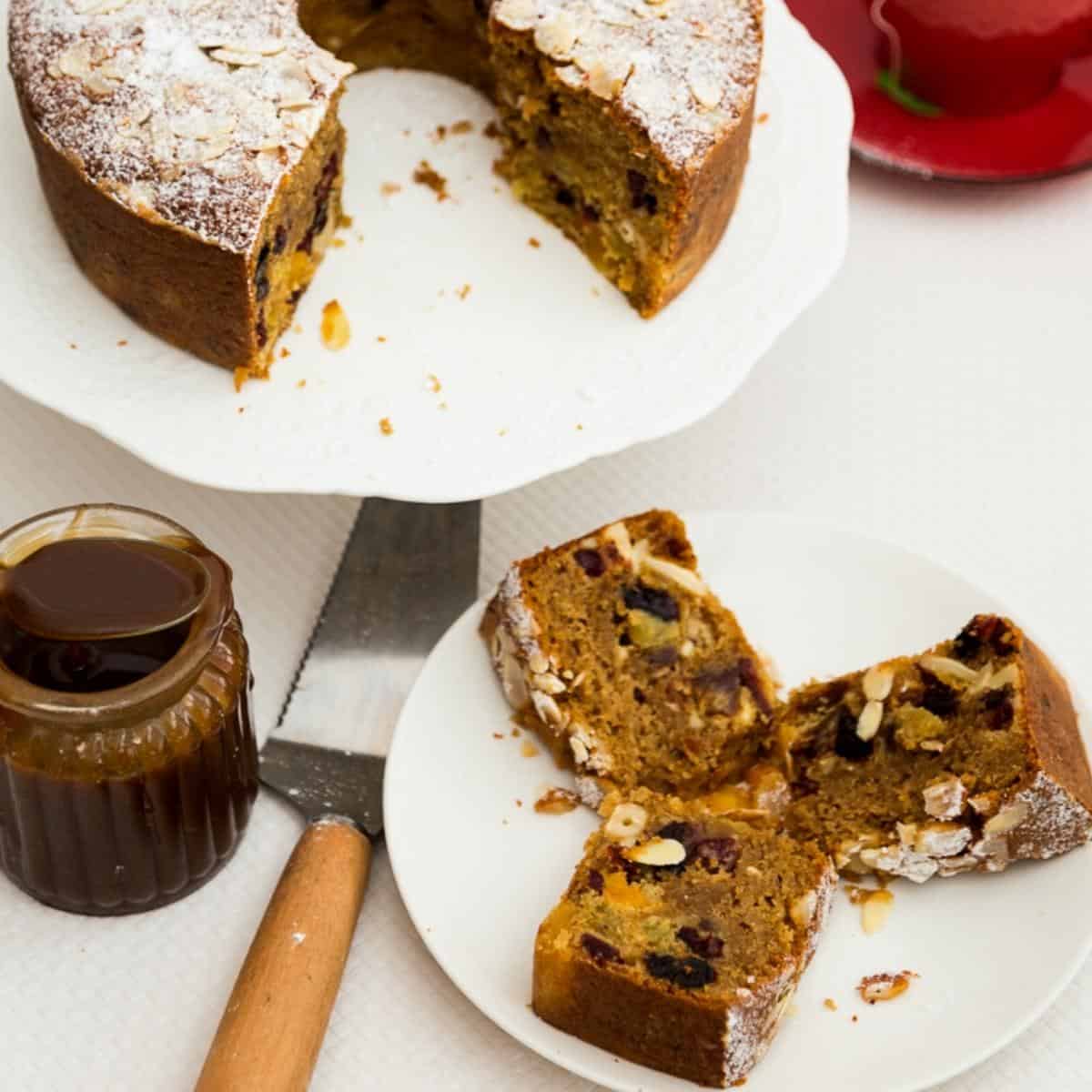
2. Last-Minute Fruitcake (no soaking required)
When you want a fruitcake but don’t have weeks to prepare, this no-soak version is the perfect solution. The fruits are dusted in flour instead of soaked, and ingredients like sour cream or yogurt help keep the crumb soft and moist.
Best for: Same-day baking, quick gifts, people who don’t want alcohol in the cake.
See recipe: Easy No-Soak Fruit Cake
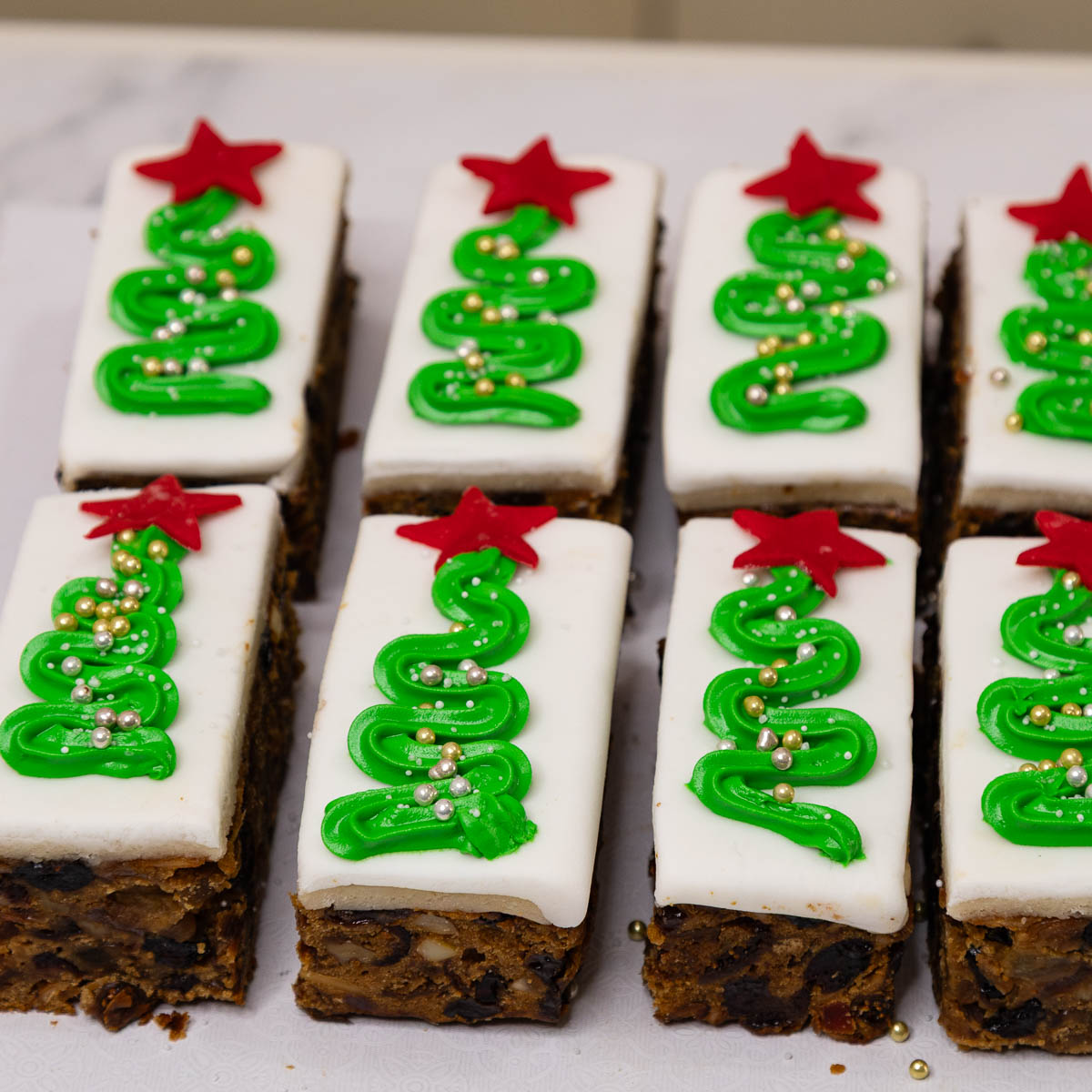
3. Mini Fruitcakes (with marzipan and fondant) (coming soon)
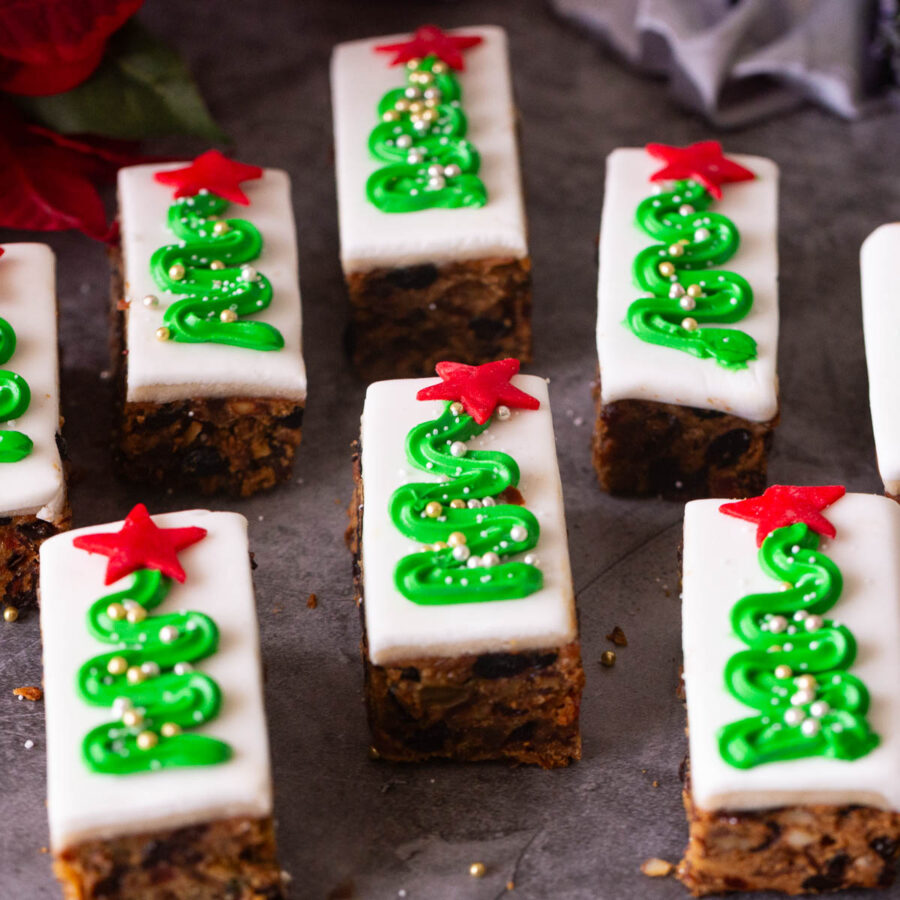
These are adorable individual fruitcakes baked in mini loaf pans or cut from a large sheet and decorated with marzipan and fondant. They keep beautifully, pack easily, and make elegant edible gifts during the holidays.
Best for: Christmas hampers, teacher gifts, party favors, wedding dessert tables.
See Recipe: Mini Christmas Fruitcakes (your upcoming post)
4. Christmas Cake (fruit cake with marzipan & royal icing) (coming soon)
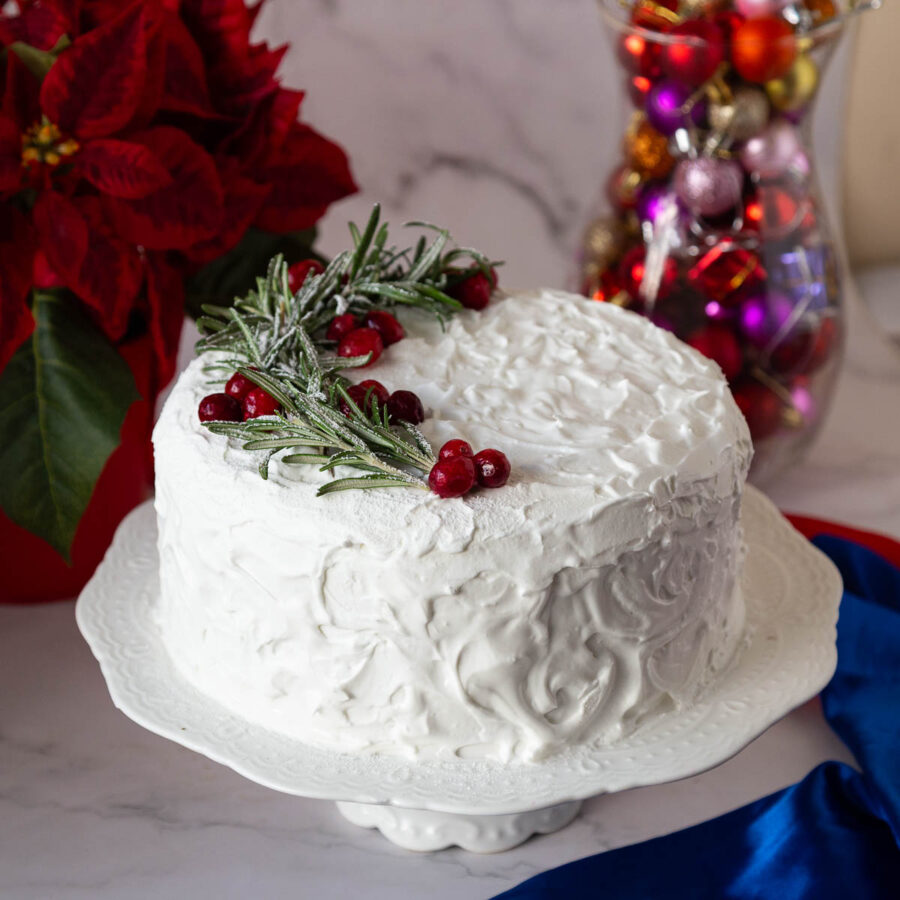
This is the traditional British-style Christmas cake: rich fruitcake soaked or fed with alcohol, covered with a layer of marzipan, and finished with royal icing. The icing seals the cake, helps it store longer, and creates the classic snowy Christmas look.
Best for: Classic Christmas celebrations, centerpiece cakes, long-term storage.
See Recipe: Christmas Cake (Marzipan + Royal Icing) (your upcoming post)
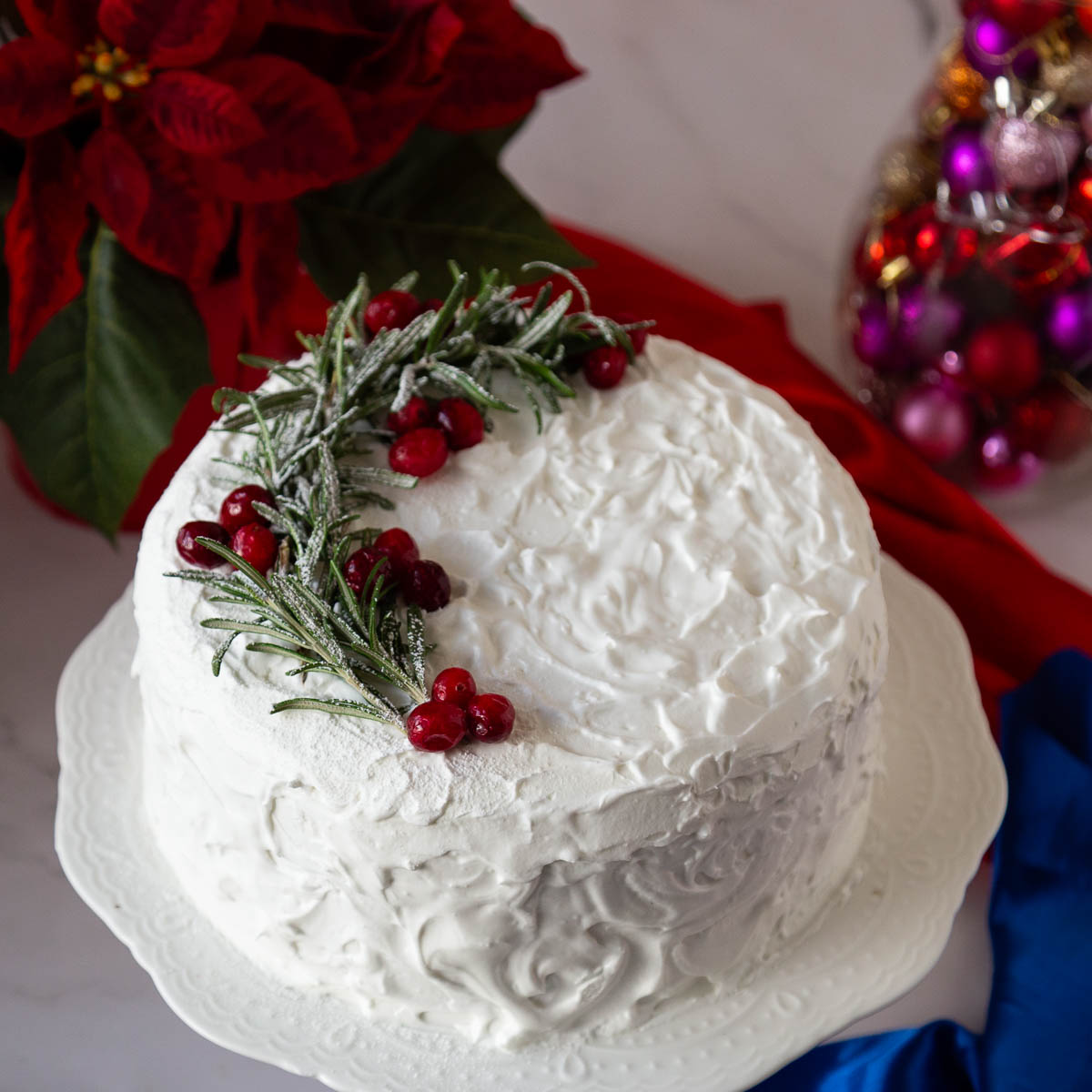
5. Traditional Wedding cake with Marzipan Fondant (coming soon)
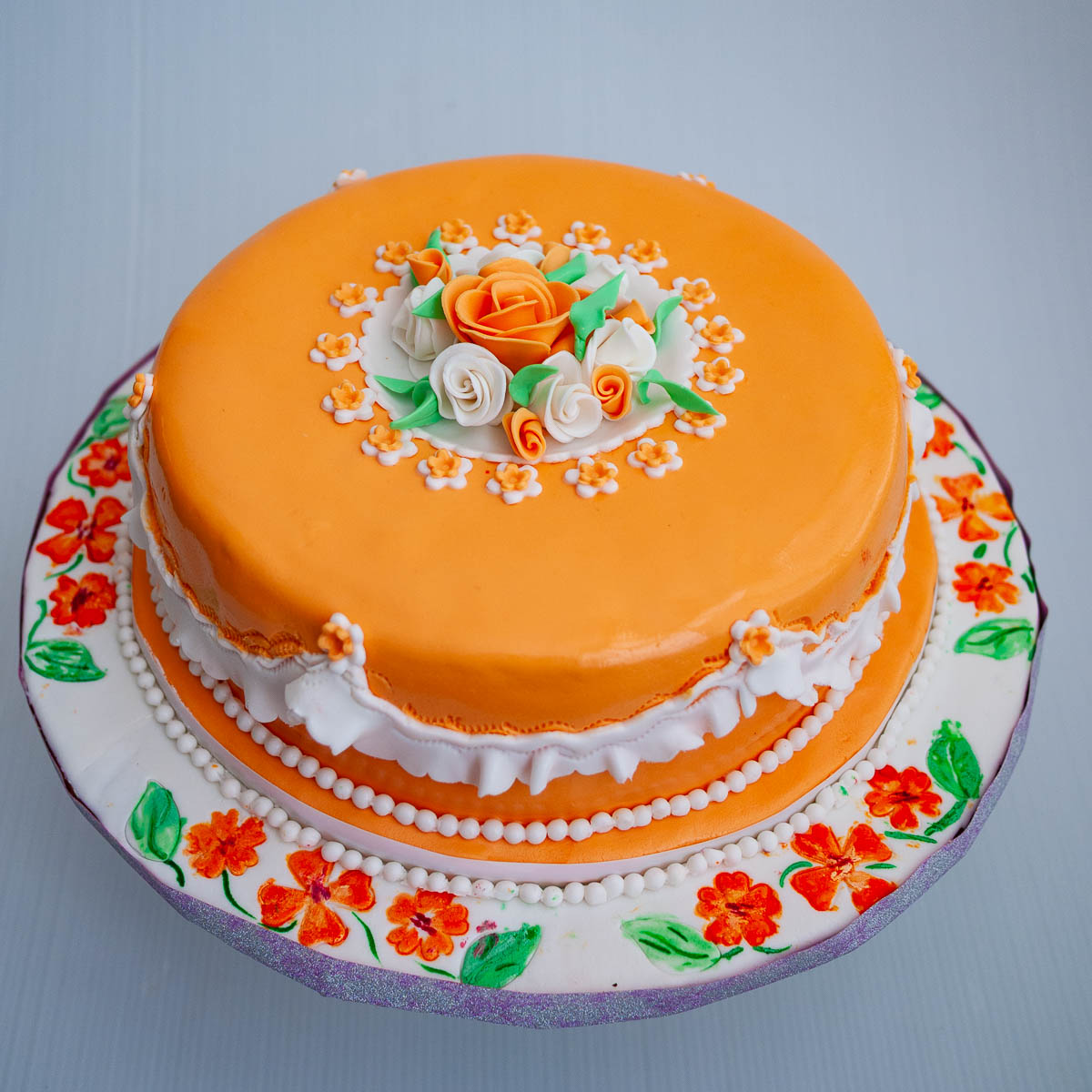
5. Marzipan Fruitcake
Almond paste in the batter or as a decorative layer. Very popular for Christmas cakes –
See Recipe: Marzipan Fruitcake
How to Bake a Fruitcake (for beginners + pros)
Baking a fruitcake isn’t difficult — it just requires patience and a few non-negotiable techniques. Whether you’re making a traditional soaked cake or a quick no-soak version, these steps apply to every fruitcake recipe.
1. Prepare the Fruits
If you’re making a traditional fruitcake, fruits are soaked in alcohol (rum, brandy, wine) or juice.
- Long soak: anywhere from overnight to 3+ months
- Quick soak: warm alcohol/juice poured over the fruit and rested 30 minutes
- No-soak method: dust fruits with 2–4 tbsp flour to prevent sinking
Pro Tip: Chop sticky fruits like dates, figs, and apricots small and separate them with a little flour. Clumps = sinking.
2. Prepare the Pan
Fruitcakes bake low and slow, so they need insulation.
- Grease the pan
- Line the bottom and sides with parchment
- For deep pans, wrap the outside with a cake strip or two layers of foil
Pro Tip: Insulation prevents burnt edges and keeps the cake moist during long bakes.
3. Make the Batter
- Beat butter + sugar until pale and fluffy
- Add eggs one by one
- Add your wet ingredients (juice, milk, sour cream, extracts)
- Whisk flour with spices, salt, and baking powder/soda
- Fold gently into the batter — this is where over-mixing ruins fruitcakes
- Add dusted fruits and chopped nuts
- Mix until just combined — no vigorous stirring
Pro Tip: The flour on the fruits is your “glue.” Overmixing dissolves that glue, and fruits sink.
4. Bake (Low and Slow)
Fruitcakes must bake at a low temperature for even cooking.
- Bake at 300–325°F / 150–160°C
- Bake time: 70–120 minutes, depending on the recipe and pan
- A skewer should come out with a few moist crumbs, not wet batter
Pro Tip: If the top browns too quickly, tent loosely with foil.
5. Cool Properly
Fruitcakes continue to set as they cool.
- Cool in the pan 10–15 minutes
- Then transfer to a rack
- Cool completely before wrapping, storing, or feeding
- Warm fruitcakes crumble — patience is your friend.
6. Feeding (Optional)
Once cooled, pierce the cake and brush/pour over 1–2 tbsp alcohol.
Repeat every 2–7 days, depending on how intense you want the flavor.
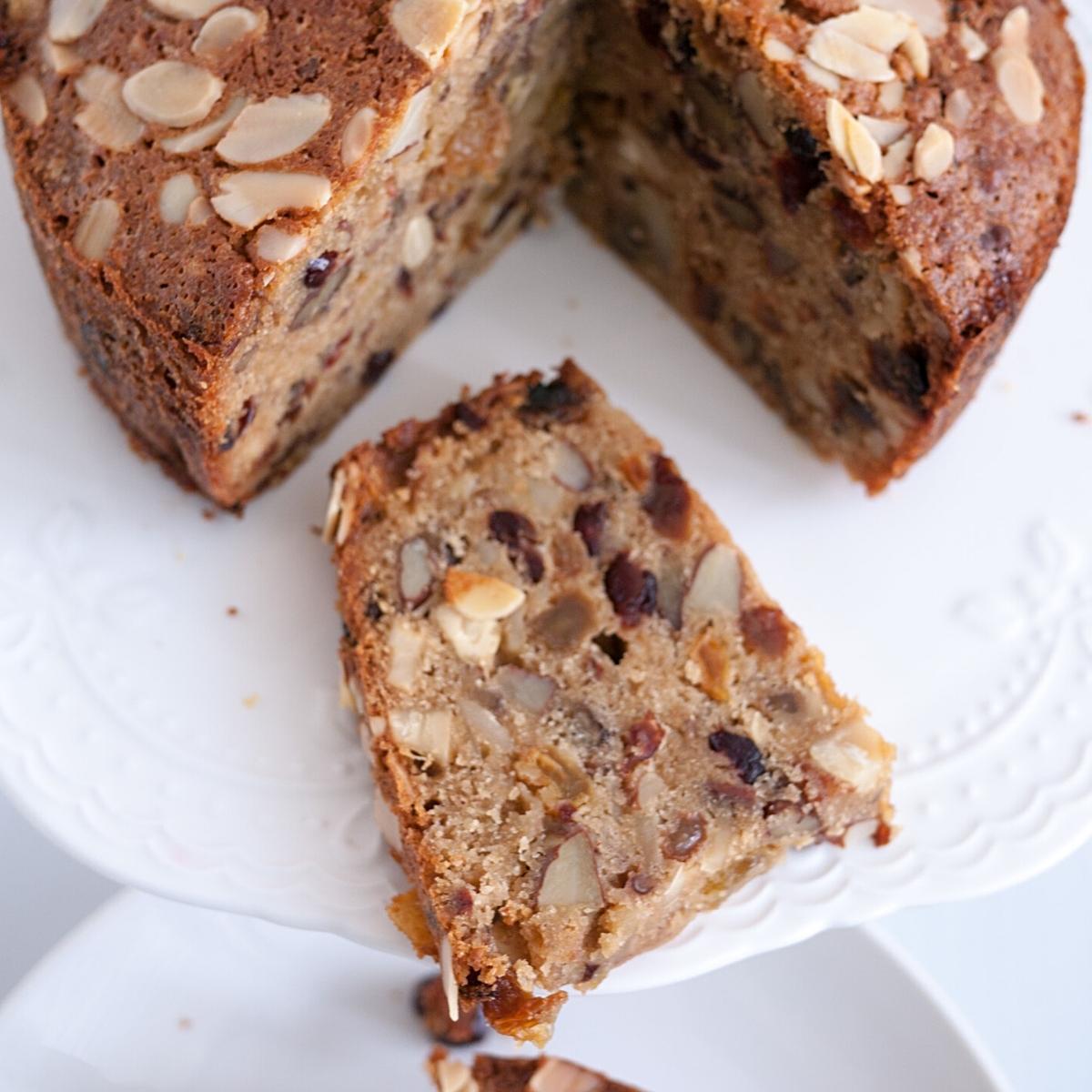
How to Store Fruitcake (Short-Term, Long-Term, Alcohol vs Non-Alcohol)
Short-Term Storage (1–2 Weeks)
Perfect for no-soak or sour-cream fruitcakes.
- Wrap tightly in plastic wrap
- Then foil
- Store at room temperature in a cool, dark place
- OR in the fridge if your cake contains dairy
Pro Tip: If your home is warm/humid, choose refrigeration.
Medium-Term Storage (1–3 Months)
Ideal for soaked or alcohol-fed cakes.
- Wrap in TWO layers of plastic wrap
- Then foil
- Store in an airtight tin
- Check every 2–3 weeks. Feed with alcohol if desired.
Long-Term Storage (3 Months to 1+ Year)
Only recommended for alcohol-rich, traditional fruitcakes.
- Wrap extremely well (plastic → foil → airtight tin)
- Store in a cool, dark cupboard
- Feed every few weeks
Pro Tip: Avoid plastic containers unless the cake is double-wrapped — fruitcake absorbs odors easily.
Q – Should You Refrigerate Fruitcake?
- With alcohol: No, room temperature is better
- Without alcohol: Yes, fridge is safest
- With dairy (sour cream, yogurt, milk): Always refrigerate
Q – Can You Freeze Fruitcake?
Yes — fruitcake freezes beautifully.
- Wrap tightly
- Freeze up to 6 months
- Thaw overnight in the fridge
Alcohol-fed fruitcakes freeze exceptionally well and taste even better after thawing.
How to Feed Fruitcake
Feeding deepens the flavor, increases shelf life, and keeps the cake moist.
Feed Alcohol Fruitcake
Use: rum, brandy, cognac, whisky, wine, or sherry
- Cool the cake completely
- Prick holes across the top
- Brush or drizzle 1–2 tbsp alcohol
- Wrap well
- Repeat every 2–7 days
Pro Tip: Switch alcohols if you want complex flavors — brandy + rum is a classic combo.
Feed Fruitcake Without Alcohol
Use:
- apple juice
- orange juice
- tea
- black coffee
- Pro tip: Feed only once or twice, because juice-based cakes have a shorter shelf life.
⭐ How to Decorate Fruitcake (Marzipan, Fondant, Royal Icing)
This answers PAA queries like “how to decorate fruitcake,” “should I wrap Christmas cake in cling film,” etc.
1. Decorating with Marzipan (Classic Christmas Cake)
- Brush cake with apricot jam (glue)
- Roll the marzipan ¼ inch thick
- Cover the cake and smooth
- Let dry 24 hours before icing
2. Decorating with Fondant
- Apply marzipan first
- Let the marzipan dry
- Cover smoothly with fondant
- Add bows, snowflakes, textures
3. Decorating with Royal Icing
- Apply marzipan
- Spread royal icing in rustic peaks OR smooth for a polished finish
- Let it sit uncovered until the icing firms
4. Simple Rustic Decoration (No Marzipan)
- Dusting of powdered sugar
- Almonds or pecans on top before baking
- Glazed fruits
- Drizzle of icing sugar glaze
Troubleshooting Fruitcake
| Problem | Likely Cause | Fix |
|---|---|---|
| Fruit sank | Overmixed batter, not enough flour on the fruits | Dust fruits with flour, fold gently |
| Dry cake | Overbaked, oven too hot | Reduce temp, check early |
| Crumbly | Too much fruit, not enough batter | Keep fruit-to-batter ratio balanced |
| Dense | Overmixed batter | Fold, don’t beat |
| Burning edges | Pan not insulated | Use parchment + foil wrap |
| Soggy bottom | Undercooked or wet fruits | Bake longer, drain fruits |
| Cake cracked | Oven too hot | Lower temperature |
| No rise | Expired leavening | Replace baking powder/soda |
Frequently asked questions
While fresh fruit keeps the cake moist, dry fruits can take moisture from the cake. Soaking the fruits ensures they are already moist, so the cake stays moist and flavorful for longer. You don’t have to soak the fruits for months, weeks, days, or hours. Even an hour or two is a good start.
Traditional fruitcakes are often made 4 to 12 weeks before Christmas to allow the flavors to mature. These cakes benefit from regular feeding with alcohol, which improves taste and extends shelf life. For no-soak or sour-cream fruitcakes, you can bake them just a day or two before serving—they’re meant to be enjoyed fresh and don’t require maturing.
A well-made, alcohol-fed fruitcake can last for months and, in some cases, even years when stored properly in a cool, dark environment. Fruitcakes without alcohol have a shorter shelf life—typically about a week in the fridge or up to three months in the freezer. The key is proper wrapping: airtight layers of plastic, foil, and storage tins keep the cake fresh and prevent drying.
It depends on the type of fruitcake you’ve made. A traditional fruitcake that contains alcohol can safely stay at room temperature because the alcohol acts as a natural preservative. However, fruitcakes made with sour cream, yogurt, milk, or fruit juice should always be refrigerated to prevent spoilage. If you’re unsure, refrigerate—it won’t hurt the cake, and it will prolong freshness.
A layered wrap is the most effective way to store fruitcake. Start with two tight layers of plastic wrap, then wrap in foil to block out air and odors. Finally, place the cake in an airtight container or metal tin. This method protects moisture, prevents mold, and preserves flavor whether you store the cake at room temperature, in the refrigerator, or in the freezer.
An alcohol-rich fruitcake can stay at room temperature for up to a month if kept in a cool, dark place and wrapped properly. However, fruitcakes made with dairy or fruit juice should only sit out for a day or two before being refrigerated. Always check the temperature of your home—warm or humid climates shorten the safe room-temperature window.
Personally, I love to use brandy, dark rum, or Cognac. But, sherry, whiskey, and orange-flavored liqueur such as Cointreau work too.
By adding more moisture to the cake. Soak a cheesecloth with alcohol, fruit juice, or syrup. Wrap the cake in the soaked cheesecloth and place it in the refrigerator.
Well, this depends on how boozy you want the fruit cake. You don’t want the cake too soggy, but you don’t want a dry or stale cake either. For a rich, mature fruit cake, feed it once every week for 12 weeks.
Moisture and air are the enemies of fruitcake. To prevent mold, wrap the cake very tightly, store it in a dry place, and avoid temperature fluctuations. Alcohol-fed fruitcakes rarely mold because the alcohol acts as a preservative. For non-alcohol versions, refrigeration is the safest option, and freezing is ideal for long-term storage.
Yes, if your fruitcake contains alcohol and doesn’t include dairy, it can stay safely at room temperature. Alcohol acts as a preservative and protects against spoilage. However, if the cake contains sour cream, yogurt, milk, or fruit juice, refrigeration is necessary. When you’re unsure which category your fruitcake falls into, refrigerate to be safe.
Decorated fruitcakes need gentler handling. Once covered in marzipan and royal icing, keep the cake in a cool room—not the fridge—to avoid moisture softening the icing. Store it in a cake box or airtight tin lined with parchment, but avoid plastic wrap directly on the icing. If you live in a humid climate, refrigeration may be necessary, but allow the cake to come to room temperature before opening the container to prevent condensation.
Yes, but with caution. Fruitcake itself freezes beautifully, but marzipan and fondant can become sticky after thawing. If possible, freeze the cake undecorated and add marzipan or icing closer to serving. If you must freeze a decorated cake, wrap it well and thaw slowly in the fridge before bringing it to room temperature.
Believe it or not, yes—people do! A fruitcake that has been properly fed with alcohol, tightly wrapped, and stored in a cool, dry place can remain safe for many years. The flavor deepens over time, and the alcohol continues acting as a preservative. That said, always inspect it carefully; if there is any mold, off smell, or discoloration, it’s best to let it go.
A fruitcake that has gone bad will show clear signs: mold spots, a sour or fermented smell, overly sticky patches, or a change in color. Alcohol-fed cakes rarely spoil, but juice-based or dairy-based cakes can deteriorate faster. When in doubt, trust your senses—fruitcake should smell warm, sweet, and slightly spiced, never sour or musty.

- Mini Christmas cakes with marzipan and fondant
- Christmas Cake – Fruitcake with marzipan and royal icing
- Traditional Fruitcake (Rum-soaked fruitcake)
- Last-minute no-soak fruitcake
- Boozy Christmas fruitcake.
- Eggless fruitcake recipe
- Dark fruitcake recipe
- Candied Fruit Fruitcake
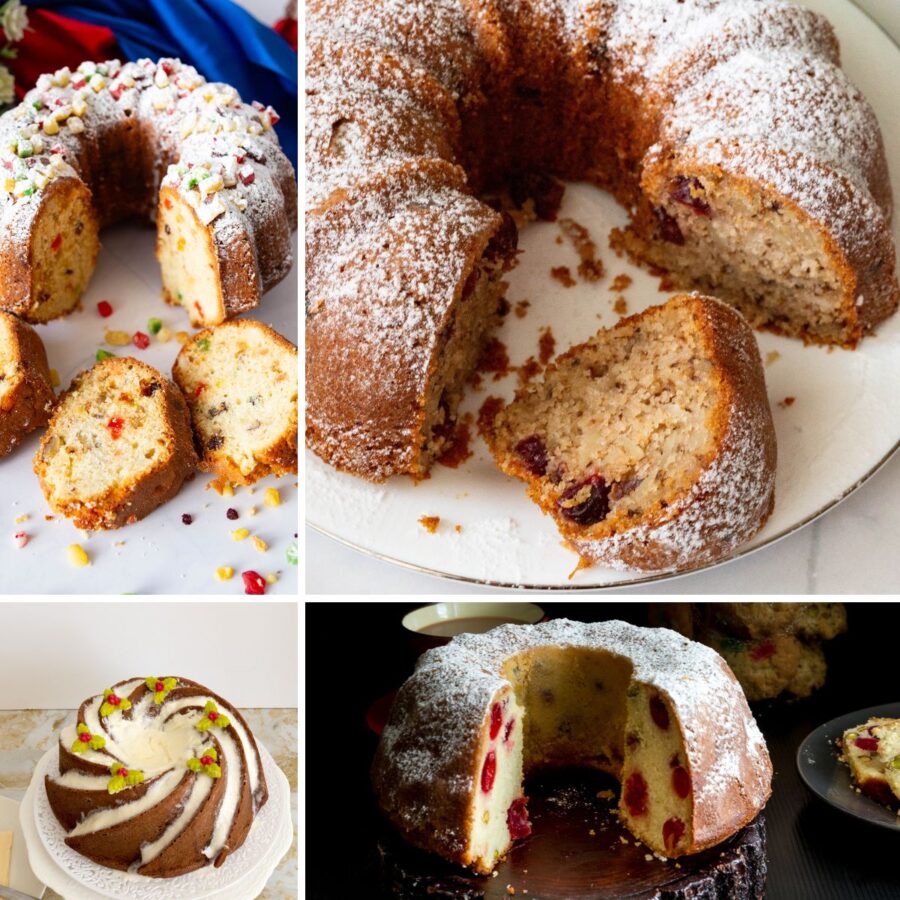
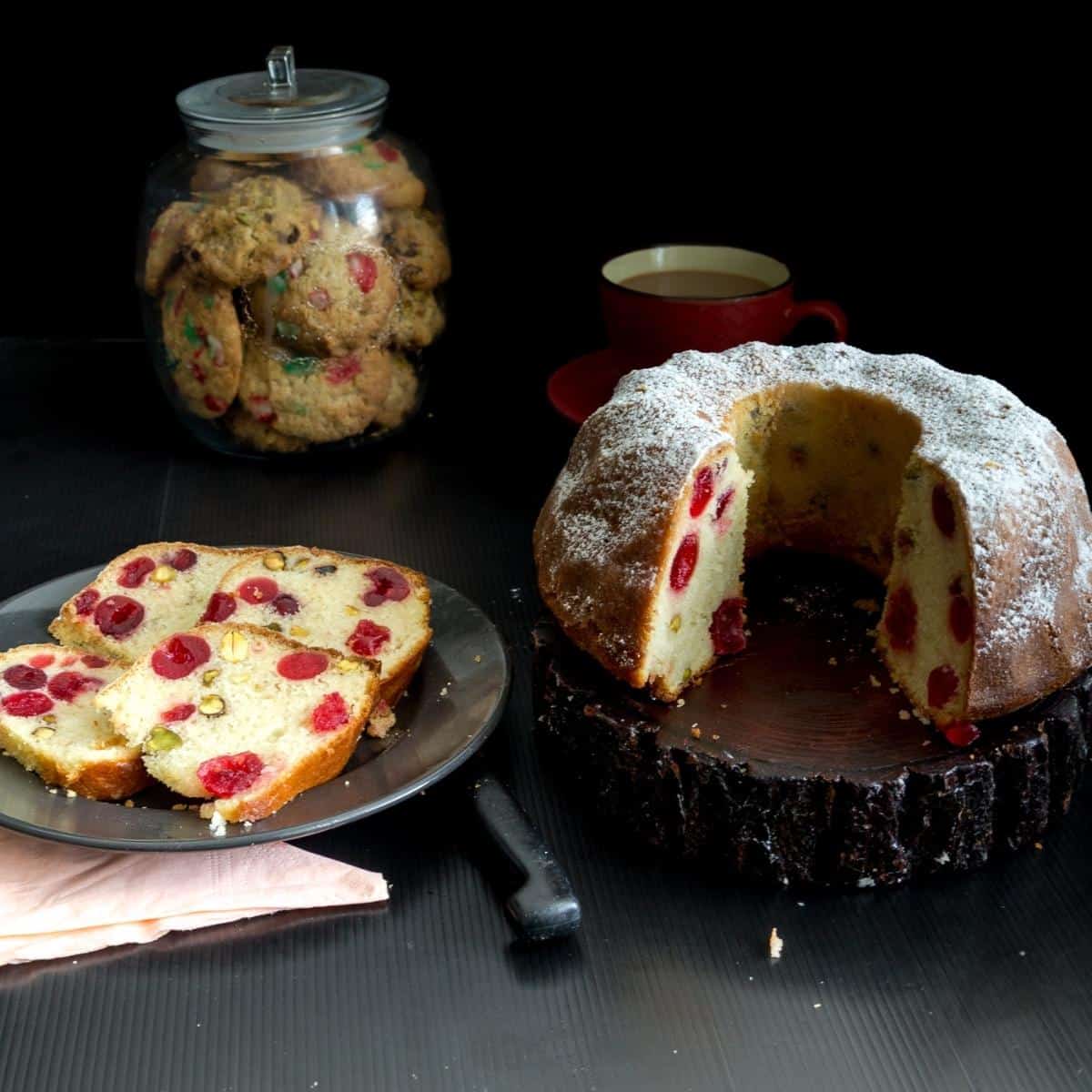
- Pistachio Cherry Fruitcake
- Cranberry Almond Semolina Cake

Hi, I’m Veena
I’m the recipe developer, baker, and food photographer behind Veena Azmanov Kitchen.
I’ve spent years developing and testing recipes, from everyday meals and homemade breads to cakes and desserts.
I share the practical tips and little details I’ve learned along the way so you can get great results in your own kitchen.






Thank you so much for these tips. They are so straightforward and well explained. The other blogs were so confusing.
Thank you, Gretra. So happy you found this article useful.
Hie
Wow I enjoyed going through your blog and all my questions where answered.thank you for your time and efforts
Thank you Yeu – So happy to hear that.
Thank you for this detailed post. I really got all my questions answered. Appreciate the time you take to write things in detail.
So happy to hear that all your questions were answered with this post. Feel free to ask any questions if you have anytime. Thanks you .
The recipes and tips are awesome… Just one question .
When we Take a muslin/cheese cloth soaked in rum, brandy or fruit juice Wrap the cake well with this liquor / fruit soaked cheese cloth. I put this wrapped cake in the fridge or keep it in a container at room temperature?
Snehal. These are actually kept at room temperature in a cool dark place. Back in the old days they use to not have fridge so this was a preserving method to keep the cake for longer times.
My question is, when storing in powder sugar, do you cover just the top of cake, chesecloth with powdersugar, or do you bury the whole cake with the sugar, then place in tin…and also do you once monthly unwrap cloth to liquor or do you brush top of cheesecloth with liquor. Or do you do nothin with cake, once it is in powdersugar bed.
Hi Janet – Yes you actually cover the whole cake in powder sugar. The sugar works as a preservative which is why you can keep it longer than a year or more. I remember my mom say you can keep it for over 10 years. Honestly never tried it.
My mom would brush the cake with liquor that way she could also keep an eye on what’s really happening. I remembers she’d do it in cool dark part of the room with a small light.!! The liquor is only for the first few weeks. After that once it’s in powder sugar you do not need to add more liquor. There is enough in there already.
Your tips was definitely helped me a lot. Thanks for that. I baked my first one yesterday. I experienced a few problems, but that is I believe not so surious.
Thank you Cora. So happy to hear that it was successful. Would love to know what problems you had so may be I can advice and it may help others who are trying the recipes as well. Thanks
I have never actually had fruit cake and had no idea it was preserved with alcohol. Yours looks amazing! Thanks for all the tips!
Yeah Melissa.. it’s an old English Fruit Cake delicacy that has been lost to the rest of the world. Though it’s still big in England. And of course in India being a British colony
I have to say, I was never a fan of fruit cake but as I get older… I really appreciate them! The smell of them just screams Christmas! As much as I like them.. it has to be a good one and yours looks gorgeous… all those fruits and it looks so moist. Think I’ll have to try this out and make my first ever fruit cake!!
Aww thank you Kristen. I do hope you try it – it’s really simple and I have a great recipe for you too. <3
A few years ago we made fruit cake. We used rum on some and brandy on the others. Homemade fruit cake is so good. It is a labour of love for a few months…but so worth the effort.
That is true ! It is a labor of love. Thanks for the comment
I of course heard about fruit cakes and tried them (they sell them at the Christmas market around here) but I never knew it could be stored for so long! Is it the alcohol that preserves the cakes?
Yes, it is the alcohol Julia that’s what preserves the cake for so long. Glad you enjoy fruit cakes.