Have you ever wanted to bake your own bread but felt intimidated by yeast, kneading, proofing, or dough that never seems to behave properly?
Trust me — you are not alone.
That’s exactly why I created this free Bread Baking Series for Beginners.
Because homemade bread is not nearly as complicated as people think.
You do not need:
- professional training
- fancy equipment
- or years of baking experience
to make beautiful homemade bread at home.
What you really need is to understand:
- ingredients
- dough texture
- hydration
- kneading
- proofing
- and baking techniques
And once those things start making sense, bread baking becomes much easier — and honestly, much more fun 😄
I started baking bread many years ago through lots of trial and error. Some recipes took several attempts before I found the version that worked consistently every time.
But those were not failures.
They were lessons.
And now I want to help make the learning process easier for you.
This series is designed specifically for beginner and home bakers who want to build confidence baking bread from scratch.
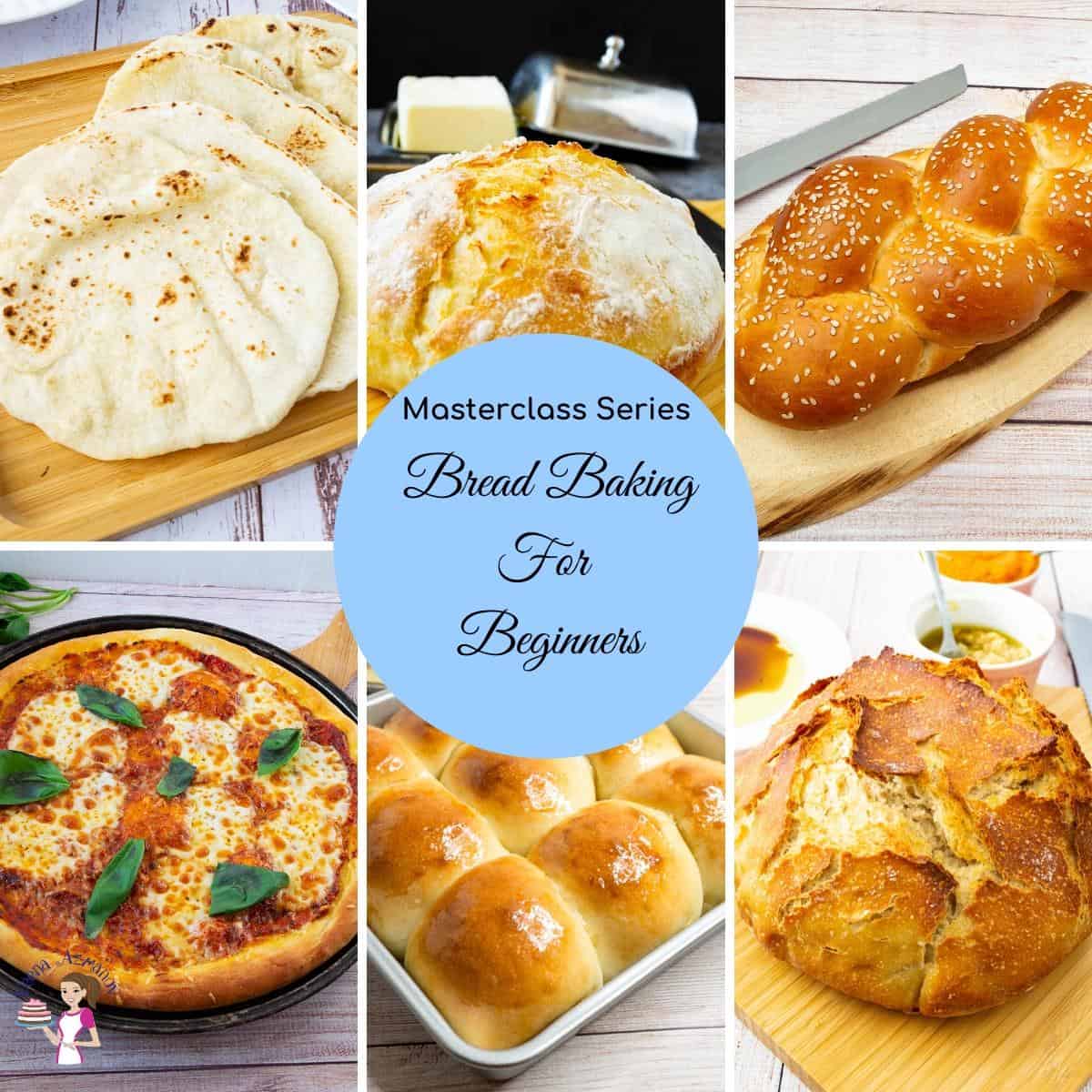
Along the way, you’ll learn how to make:
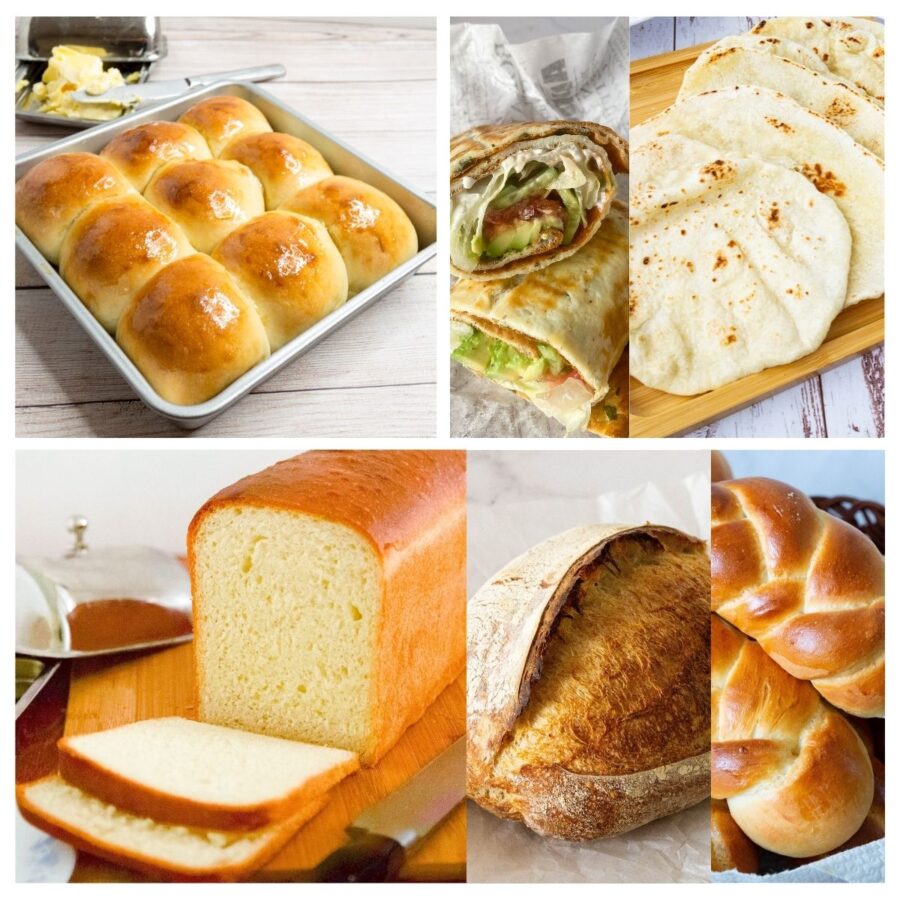
- soft dinner rolls
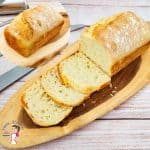
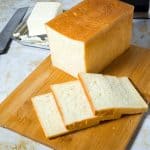
- sandwich bread
- challah
- burger buns
- whole wheat bread
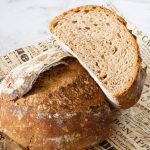
- rustic artisan loaves
- flatbreads
- pizza dough
- and more 😄
You’ll also learn the foundations of bread baking, including:
- how yeast works
- understanding gluten and hydration
- kneading techniques
- proofing dough
- shaping bread
- and troubleshooting common bread problems
Whether you want to bake fresh bread for your family, learn a new skill, or simply enjoy the process of homemade baking, this series will guide you step-by-step.
And the best part?
You can learn at your own pace.
Be sure to join the Facebook group, share your bread photos, and ask questions along the way 😄
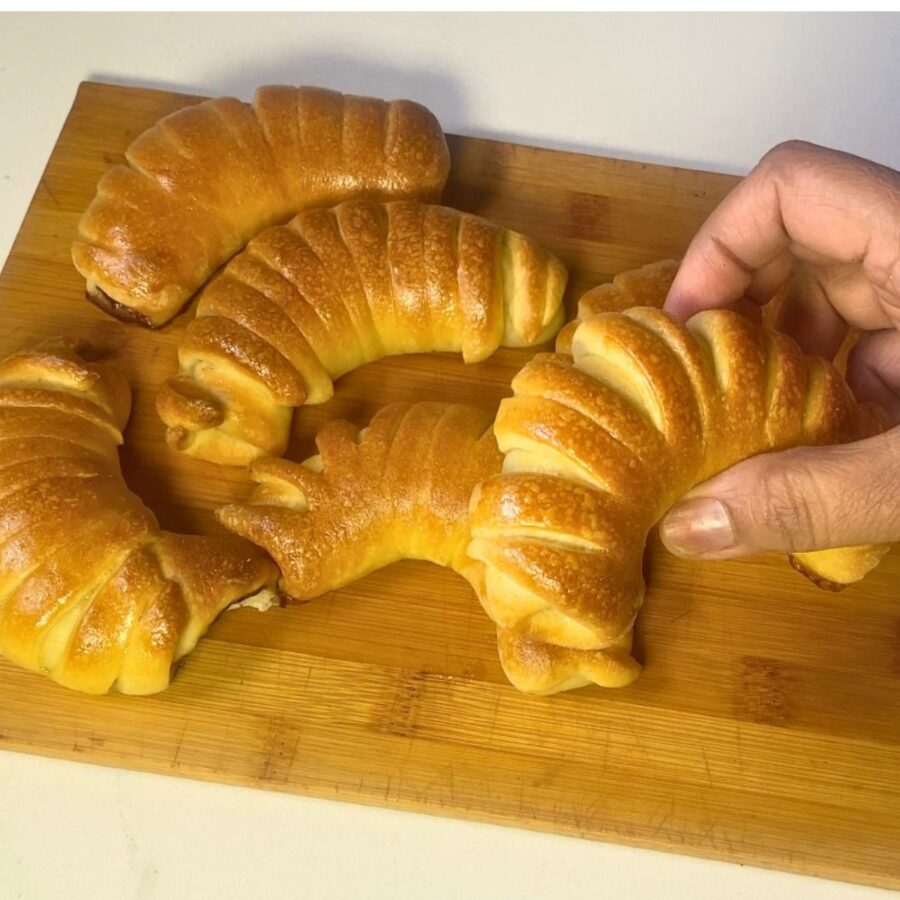
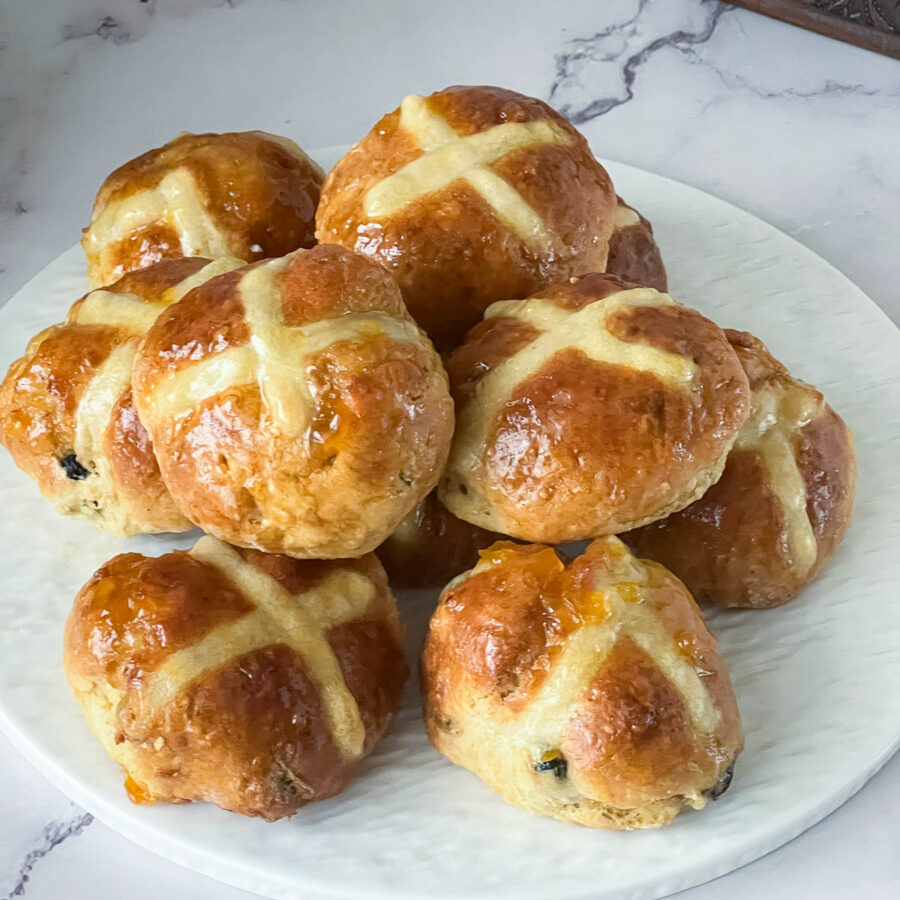
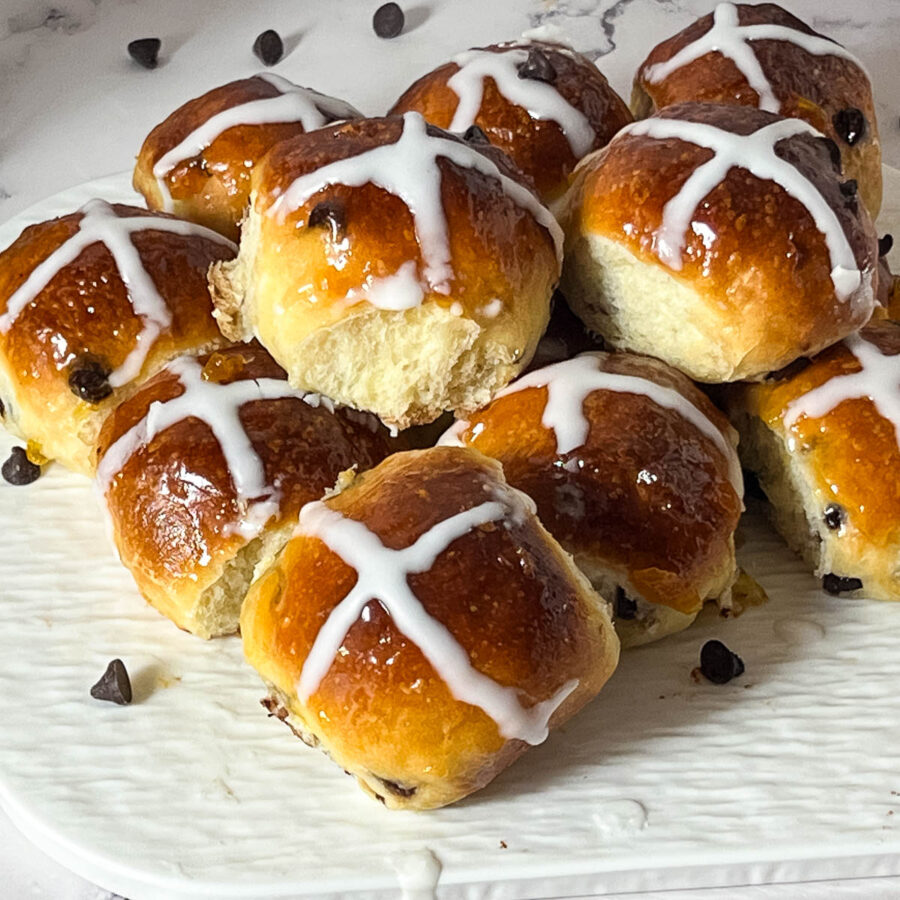
What equipment do I need to make bread?
To bake bread, you will need a few essential tools to help you with the various stages of the bread-making process. Here are some common tools necessary for baking bread:
Remember, while these tools can enhance your bread-making experience, you can start with the basics and gradually acquire additional tools as you gain more experience and confidence in baking bread.
- Mixing Bowl: Use a large mixing bowl to combine and mix the ingredients for the dough.
- Measuring Cups and Spoons: Accurate measurements are crucial in baking. Use measuring cups and spoons to precisely measure flour, water, yeast, salt, and other ingredients.
- Kitchen Scale: A kitchen scale is helpful for measuring ingredients by weight, which can provide more accurate and consistent results, especially when working with bread recipes that use weight measurements.
- Dough Scraper/Bench Scraper: A dough scraper or bench scraper handles sticky dough, divides dough portions, and cleans your work surface.
- Wooden Spoon or Dough Whisk: Use a wooden spoon or dough whisk to mix the dough and combine the ingredients before kneading.
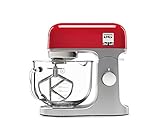
- Stand Mixer with Dough Hook (optional): While not essential, a stand mixer with a dough hook attachment can make kneading easier and less labor-intensive, especially for larger batches of dough.
- Pastry Brush: A pastry brush is helpful for applying egg wash or butter to the bread’s surface to enhance browning and add flavor.
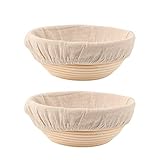
- Banneton or Proofing Basket: A banneton or proofing basket is made of cane or other natural materials that help shape and support the dough during the final proofing stage. It adds texture to the crust and helps the bread retain its shape.
- Baking Sheet or Loaf Pans: Baking sheets or loaf pans hold and shape the dough during the final rise and baking.
- Oven Thermometer: An oven thermometer ensures that your oven is at the correct temperature, as oven thermostats can be inconsistent. This helps achieve the desired baking results.
- Cooling Rack: After baking, a cooling rack allows air to circulate the bread, preventing moisture buildup and keeping the crust crisp.
Additional tools that can be handy but are not essential include a bread knife or sharp knife for scoring the bread, a spray bottle for creating steam in the oven, and a pizza stone or baking stone for even heat distribution.




Frequently asked questions
Anyone who wants to become a better bread baker.
All my masterclass series are free.
The lessons and assignments are over a period of 12 days. After that, you will get an email from me every week with links to recipes you may like to try. This is to encourage you to bake and refresh the skills you learned in this masterclass.
No, this class starts from the basics. And even if you have some baking experience, the lessons are a good refresher.
Yes, we start with the lessons and then move on to baking some bread. After all, how will you learn if you don’t put your knowledge into practice?
You don’t need a camera to take pictures. Your phone camera is adequate. Just make sure your images are clear, not blurred.
This masterclass is given via a series of emails. You don’t need to do anything. During this masterclass, every day, you will get an email from me with the content and assignment for that particular lesson. Follow the lessons and instructions, and do the assignment for each day.
Absolutely, but don’t do them all at once.
If you do them one at a time, you will be able to give each masterclass the time and energy it needs.
You can see the signup form above or click here to sign up.

Don’t lose this recipe! Save it for Later!
📌 Save this Recipe for later on Pinterest so you can easily find it again.
⭐ Add Veena Azmanov Kitchen to your Google Preferred Sources.
It helps Google show you more of our recipes.
📧 Subscribe for new recipes delivered to your inbox.
🎥 Follow us for more recipes

After the success of my first masterclass – Secrets to baking incredible cakes, I decided to do a few more masterclass series.
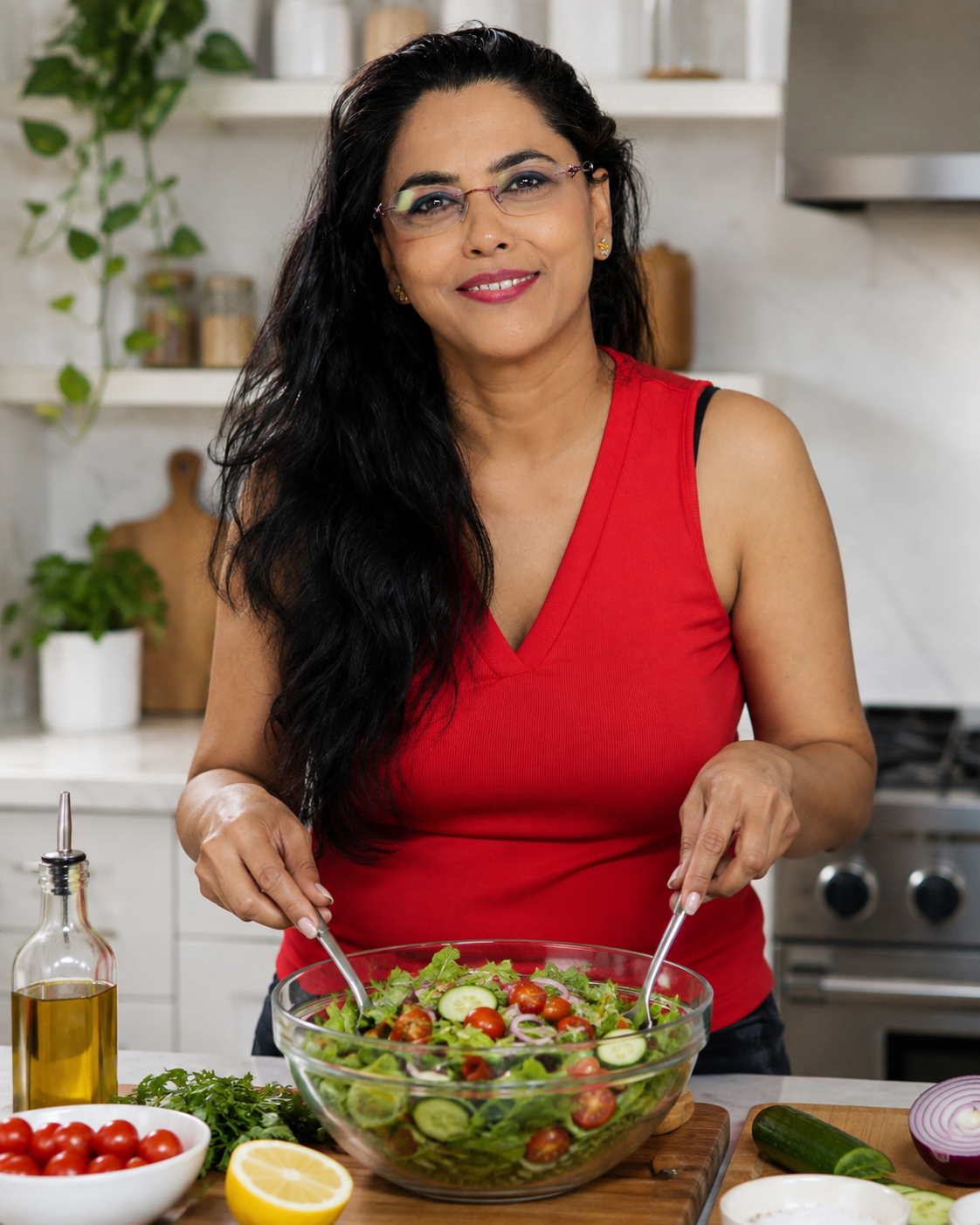
Hi, I’m Veena
I’m the recipe developer, baker, and food photographer behind Veena Azmanov Kitchen.
I’ve spent years developing and testing recipes, from everyday meals and homemade breads to cakes and desserts.
I share the practical tips and little details I’ve learned along the way so you can get great results in your own kitchen.

Thank you Veena for providing free baking classes. I’m more confident now as I have learnt the basics. The trouble shooting tips were very helpful. I enjoyed doing the bread classes and found the flatbread recipes very easy. The step by step procedure made it a breeze.
Thanks Charmaine – Glad you found my class easy.
enjoyed the lessons. so helpful and easy to understand. thank you. I am a beginner.
Thank you Laura
Liked all the recipes. Learned a few new things that I never knew. I just have to catch up on trying all the recipes!
The masterclass has been very educative and helpful in improving my bread baking skills.