



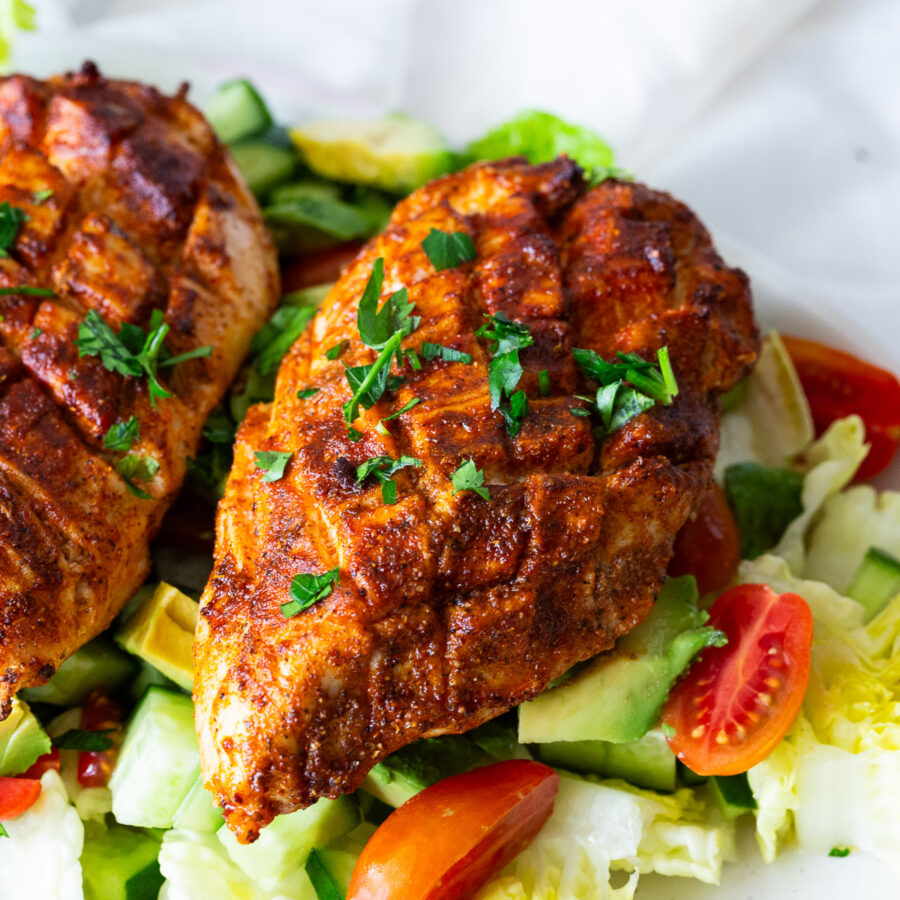
Pan-seared chicken thighs, marinated and then cooked to perfection in a cast-iron skillet, achieve a beautifully crisp exterior while maintaining a juicy interior. This versatile dish pairs wonderfully with various sides, making it a reliable favorite for any meal occasion.
I’ve found that cooking chicken thighs or legs, as opposed to breasts, truly enhances any meal with their richer flavor and juicier texture. I gravitate towards these cuts because they’re also more forgiving during cooking and almost guarantee a moist, flavorful result. My go-to method is pan-searing them on the stove; it’s wonderfully simple and quick, perfect for my busy schedule.
Why is this recipe outstanding?
- Flavorful Marinade: The combination of lemon juice, paprika, garlic powder, onion powder, and dried herbs creates a robust and aromatic marinade that deeply flavors the chicken, enhancing its natural taste.
- Perfect Texture: Searing the chicken thighs in a cast-iron skillet ensures the outside gets a beautifully crisp, caramelized crust while keeping the inside juicy and tender. This method achieves an ideal balance between texture and moisture retention.
- Simplicity and Speed: This recipe is straightforward and quick to prepare. Marinating can be flexible—ranging from 30 minutes to a couple of hours—and the actual cooking time is about 15 minutes. It’s perfect for a busy weeknight meal.
- Health Benefits: Using boneless, skinless chicken thighs ensures the dish is high in protein but lower in fat than skin-on versions. In addition, the herbs and spices add flavor and potential antioxidant benefits without extra calories.

Ingredients and substitutes
- Chicken Thighs (boneless, skinless): Serve as the primary protein source, offering rich flavor and tenderness. You can use chicken breasts for a leaner option, though they might be less juicy. Pork chops or turkey thighs could also work as substitutes.
- Lemon Juice: Adds acidity, which helps tenderize the chicken and adds a bright flavor. You can use lime juice for a similar acidic profile or vinegar (like apple cider vinegar) in a pinch.
- Paprika: Provides a sweet and smoky flavor and adds a nice color to the dish. Use smoked paprika for more smokiness, chili powder for heat, or a mix of cumin and a touch of cayenne for a different flavor profile.
- Garlic Powder: Adds a concentrated burst of garlic flavor without the moisture of fresh garlic. You can use minced fresh garlic or granulated garlic as a direct substitute.
- Onion Powder: Offers a sweet yet sharp onion flavor. Use fresh onion, shallots, or scallions for a fresher but milder taste.
- Dried Herbs (like thyme, rosemary, oregano): These herbs add complexity and aromatic flavors to the dish. Fresh herbs can be used (typically triple the amount of dried), or other dried herbs like basil or marjoram, depending on what’s available or preferred.

Step-by-step: Pan-seared chicken
- Marinate:
- In a small bowl, combine salt, black pepper, paprika, garlic powder, onion powder, and dried herbs.
- Place the chicken thighs in a large bowl or resealable plastic bag.
- Pour the lemon juice over the chicken, ensuring all pieces are coated.
- Sprinkle the spice mixture over the chicken and rub it in to coat evenly.
- Let the chicken marinate for at least 30 minutes or up to 2 hours in the refrigerator for a deeper flavor.

- Cooking:
- Heat a cast-iron skillet over medium-high heat. Once hot, add the oil and butter.
- Place the marinated chicken thighs in the skillet in a single layer. Let them sear without moving for about 5-7 minutes or until the underside is golden brown and releases easily from the pan.
- Flip the chicken thighs and cook for another 5-7 minutes, or until the internal temperature reaches 165°F (74°C) and the juices run clear.
- Serving:
- Remove the chicken from the skillet and let it rest for a few minutes before slicing.
- Serve hot, garnished with fresh herbs or a squeeze of lemon if desired.


Pan Seared Chicken
Pan-seared chicken thighs, marinated and then cooked to perfection in a cast iron skillet, achieve a beautifully crisp exterior while maintaining a juicy interior. This versatile dish pairs wonderfully with various sides, making it a reliable favorite for any meal occasion.
Video
Ingredients
- 1½ – 2 lb (700 g) 6 to 8 Boneless skinless chicken thighs or legs and breast works too.
- 1 tsp Salt
- 1 tsp Black pepper
- 3 tbsp (45 ml) Lemon juice
- 2 tsp Paprika
- ½ tsp Cayenne optional
- 1½ tsp Garlic powder
- 1½ tsp Onion powder
- 1 tbsp Mixed dried herbs (such as thyme rosemary, oregano)
- 2 tbsp Olive oil
- 1 tbsp Butter optional
Method
- Marinate: In a small bowl, combine salt, black pepper, paprika, garlic powder, onion powder, and dried herbs. Place the chicken thighs in a large bowl or resealable plastic bag. Pour the lemon juice over the chicken, ensuring all pieces are coated. Sprinkle the spice mixture over the chicken and rub it in to coat evenly. Let the chicken marinate for at least 30 minutes or 2 hours in the refrigerator for deeper flavor.1½ – 2 lb 6 to 8 Boneless skinless chicken thighs, 1 tsp Salt, 1 tsp Black pepper, 3 tbsp Lemon juice, 2 tsp Paprika, 1½ tsp Garlic powder, 1½ tsp Onion powder, 1 tbsp Mixed dried herbs (such as thyme, ½ tsp Cayenne
- Cook: Heat a cast iron skillet over medium-high heat. Once hot, add the olive oil and butter. Place the marinated chicken thighs in the skillet in a single layer. Let them sear without moving for about 5-7 minutes or until the underside is golden brown and releases easily from the pan. Flip the chicken thighs and cook for another 5-7 minutes, or until the internal temperature reaches 165°F (74°C) and the juices run clear.2 tbsp Olive oil , 1 tbsp Butter
- Serving: Remove the chicken from the skillet and let it rest for a few minutes before slicing. Serve hot, garnished with fresh herbs or a squeeze of lemon if desired.
Notes
- Marinate Adequately: Allow the chicken to marinate for at least 30 minutes, or ideally a couple of hours if time permits. This helps the flavors to penetrate deeper into the meat, enhancing the overall taste and tenderness.
- Room Temperature: Before cooking, let the chicken sit out at room temperature for about 15-20 minutes if it has been refrigerated. This step helps the chicken cook more evenly, preventing the outside from cooking too quickly while the inside remains raw.
- Preheat Your Skillet: Make sure your cast iron skillet is properly heated before adding the chicken. A hot skillet ensures that the chicken starts searing immediately, creating a good crust that seals in juices.
- Don’t Overcrowd the Pan: Cook the chicken in batches if necessary to avoid overcrowding the pan. Overcrowding can lead to steaming rather than searing, which might prevent the chicken from developing that desirable crispy exterior.
- Use the Right Oil: Use an oil with a high smoke point to avoid burning. Oils like vegetable, canola, or avocado oil are great choices for high-temperature cooking.
- Let It Sear: Resist the temptation to move the chicken around too much once it’s in the pan. Let it sear undisturbed for a few minutes on each side to develop a nice crust.
- Internal Temperature Check: Use a meat thermometer to ensure the chicken has reached the safe internal temperature of 165°F (74°C). This guarantees that your chicken is fully cooked and safe to eat while preventing overcooking.
- Rest Before Serving: Let the chicken rest for a few minutes after cooking. This allows the juices to redistribute throughout the meat, ensuring that every bite is juicy and flavorful.
- Clean Your Cast Iron Properly: After cooking, clean your cast iron skillet properly to maintain its seasoning and performance. Avoid using soap if possible; scrub it with a brush and hot water, and then dry it thoroughly.
Nutrition
Tried this recipe?
Mention @veenaazmanov_kitchen or tag #veenaazmanovkitchen!- Baked Crispy Chicken Thighs
- Baked Chicken Thighs Recipe
- Baked Crispy Chicken Thighs (breaded)
- 10 Essential Kitchen Pots and Pans
- Chewy Sourdough Focaccia with Pesto and Mozzarella

Frequently asked questions
Chicken is fully cooked when the internal temperature reaches 165°F (74°C). Use a meat thermometer to check. The juices should also run clear when the chicken is pierced with a knife.
While a cast-iron skillet is ideal for achieving a good sear, any heavy-bottomed skillet will work. Just ensure it can handle high heat well.
Ensure the pan is hot before adding oil, and then let the oil heat until it shimmers. Add the chicken, and do not move it until it’s time to flip. A well-seasoned cast-iron skillet also helps prevent sticking.
Yes, you can use frozen chicken thighs, but ensure they are fully thawed before marinating and cooking to ensure even cooking and optimal flavor absorption.
Marinating adds flavor and tenderness to the chicken, but if you’re short on time, you can season the chicken just before cooking. However, the flavor may not be as deep.


Don’t lose this recipe! Save it for Later!
📌 Save this Recipe for later on Pinterest so you can easily find it again.
⭐ Add Veena Azmanov Kitchen to your Google Preferred Sources.
It helps Google show you more of our recipes.
📧 Subscribe for new recipes delivered to your inbox.
🎥 Follow us for more recipes


Hi, I’m Veena
I’m the recipe developer, baker, and food photographer behind Veena Azmanov Kitchen.
I’ve spent years developing and testing recipes, from everyday meals and homemade breads to cakes and desserts.
I share the practical tips and little details I’ve learned along the way so you can get great results in your own kitchen.










Simple recipes like this are the ones I use the most during the week. Nice golden crust on the chicken too.
Absolutely — sometimes the simple recipes are the most useful. Glad it turned out well for you!